

We may earn a commission when you buy through links on this page, at no extra cost to you. Learn more.
If you are wondering what does merlot taste like, expect a dry, medium- to full-bodied red wine defined by plush dark fruit flavors like black cherry and plum, rounded out by soft tannins and notes of cocoa, vanilla, and dried herbs. Because the grape has thinner skins than Cabernet Sauvignon, it delivers a velvety mouthfeel with moderate acidity rather than sharp astringency. Depending on where it is grown, the profile shifts from bright red berries and earthiness in cooler climates to rich blackberry, mocha, and sweet baking spices in warmer regions.
Often described by wine educators as a chameleon in the glass, Merlot bridges the gap between lighter reds like Pinot Noir and powerful, structured bottles like Cabernet Sauvignon. While everyday supermarket pours tend to be soft, fruity, and straightforward, serious single-varietal bottles and classic blends offer remarkable depth, savory complexity, and aging potential. Understanding how climate, oak aging, and regional traditions shape the grape makes it easy to predict exactly what you will experience with every pour.
What Is Merlot?
Merlot is a dark-skinned red wine grape native to the Bordeaux region of southwestern France, where it remains the most widely planted variety. Genetically, it is the direct offspring of Cabernet Franc and an obscure ancient cultivar called Magdeleine Noire des Charentes, making it a half-sibling to Cabernet Sauvignon.
In the vineyard, Merlot is known for budding and ripening up to two weeks earlier than Cabernet Sauvignon, which helps growers harvest ripe fruit before autumn rains arrive in coastal climates. The berries themselves are slightly larger with thinner skins and fewer seeds than Cabernet, resulting in juice that naturally carries lower levels of harsh phenolic compounds. According to Wine Folly’s comprehensive Merlot guide, those thinner skins are the primary reason the finished wine feels so smooth and supple on the palate, typically finishing bone-dry with an alcohol by volume (ABV) between 13.5% and 15%.
Despite its approachable texture, Merlot is far from simple. In France, it forms the backbone of some of the world’s most coveted and age-worthy wines, while also serving as the softening blending partner in classic Left Bank Bordeaux cuvées. Across the globe, winemakers bottle it both as a 100% varietal wine and alongside Cabernet Sauvignon, Cabernet Franc, and Petit Verdot to add mid-palate weight and lush fruit character.
Flavor Profile and Regional Styles
At its core, Merlot showcases a core of black cherry, ripe plum, and raspberry layered with secondary notes of chocolate, cedar, bay leaf, and clove. However, the exact balance between fresh red fruit, savory earth, and rich oak spice depends heavily on vineyard temperatures and cellar techniques.
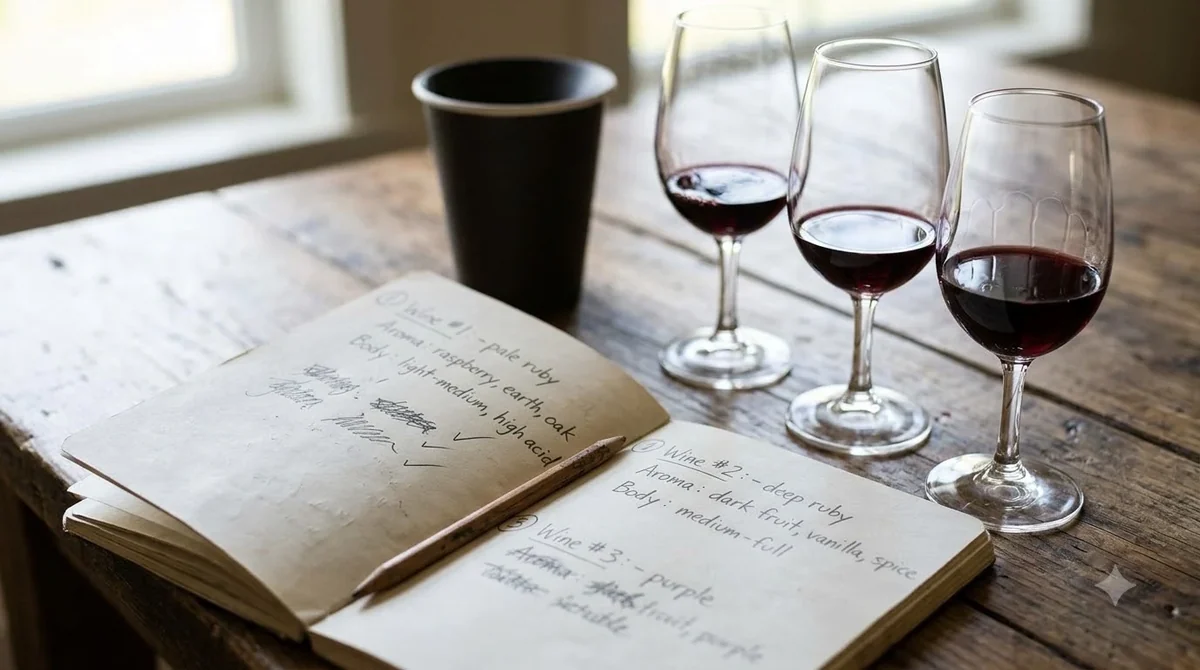
In cooler growing regions, Merlot grapes ripen more slowly, preserving higher natural acidity and firmer, more structured tannins. These bottles lean toward tart red cherry, cranberry, and wild herbs, often accompanied by subtle savory undertones of graphite, damp earth, tobacco leaf, and sometimes a faint hint of green bell pepper or bay leaf from natural compounds called pyrazines. Because of this structural backbone, cool-climate Merlot is frequently mistaken for Cabernet Sauvignon in blind tastings, offering a lifted, food-friendly profile that refreshes the palate between bites.
Conversely, warm-climate vineyards bathe the grapes in abundant sunshine, pushing sugar ripeness higher and softening the grape’s natural acidity. Warm-climate Merlot bursts with jammy blackberry, baked plum, and blackcurrant flavors that can almost trick the taster into perceiving sweetness, even though the wine is fermented completely dry. Winemakers in sunny regions frequently age these wines in new French or American oak barrels for 8 to 24 months, infusing the wine with decadent notes of vanilla, mocha, sweet tobacco, and warm baking spices.
| Style Characteristic | Cool-Climate Merlot | Warm-Climate Merlot |
|---|---|---|
| Primary Fruit Notes | Red cherry, tart plum, raspberry, cranberry | Black cherry, blackberry, baked plum, blackcurrant |
| Savory & Oak Notes | Bay leaf, graphite, dried herbs, tobacco, subtle cedar | Cocoa powder, vanilla, mocha, clove, sweet spice |
| Body & Alcohol | Medium-bodied (typically 12.5%–13.5% ABV) | Full-bodied (typically 14%–15% ABV) |
| Tannin & Acidity | Medium-high tannins, crisp, refreshing acidity | Plush, velvety tannins, softer, rounded acidity |
| Classic Regions | Right Bank Bordeaux, Northern Italy, coastal Chile | Napa Valley, Paso Robles, Columbia Valley, Tuscany |
Where Merlot Grows Best
While Merlot is planted on nearly every winemaking continent, its personality shines brightest in a handful of benchmark regions where soil and climate match the grape’s early-ripening nature. From limestone hillsides in France to volcanic slopes in California, each terroir highlights a different facet of the variety.
Bordeaux’s Right Bank remains the spiritual home of Merlot, particularly in the acclaimed appellations of Pomerol and Saint-Émilion. Pomerol’s iron-rich clay soils produce deeply concentrated, velvety wines—led by iconic estates like Château Pétrus—that layer dark plum with truffle, violet, and exotic spice. Just next door in Saint-Émilion, limestone and gravel soils yield slightly firmer, more mineral-driven bottlings often blended with Cabernet Franc for aromatic lift and longevity. Elsewhere in Europe, Italy embraces Merlot both in the cool, alpine foothills of Friuli-Venezia Giulia, where single-varietal bottlings display crisp red fruit and anise, and along the warm Tuscan coast, where it anchors famous Super Tuscan blends.
In the United States, California and Washington State lead the charge with distinct regional expressions. Napa Valley and Sonoma County produce lush, opulent Merlots packed with dark berry fruit, chocolate, and polished French oak, while cooler pockets like Sonoma’s Bennett Valley retain brighter acidity and herbal nuance. Further north, Washington’s Columbia Valley—especially sub-regions like Walla Walla Valley, Red Mountain, and Horse Heaven Hills—benefits from long, sunny summer days and chilly desert nights, yielding wines that marry ripe black fruit with vibrant natural acidity. Chile’s Colchagua Valley also stands out for producing remarkably juicy, blackcurrant-driven Merlots at accessible price points.
How to Serve Merlot Properly
Serving Merlot at the right temperature and giving it proper aeration dramatically improves its aroma and texture. Because Merlot has moderate acidity and soft tannins, serving it too warm can make the alcohol feel heavy and mute its delicate fruit nuances.
The ideal serving temperature for Merlot is between 60°F and 65°F (15°C to 18°C), which is noticeably cooler than standard modern room temperature. If your bottle has been stored on a kitchen counter or pantry shelf at 70°F or higher, placing it in the refrigerator for 20 to 25 minutes before pulling the cork will bring it right into the sweet spot. At this cellar temperature, the wine feels crisp and refreshing on entry while still showcasing its signature velvety mid-palate.
Glassware and aeration also play meaningful roles in unlocking the wine’s aromatics. Pour Merlot into a large, tulip-shaped red wine glass with a wide bowl that allows oxygen to swirl freely and concentrates aromas of cherry, cedar, and cocoa toward the rim. For young, full-bodied bottles from warm climates or structured Right Bank Bordeaux, decanting for 30 minutes before serving softens any youthful grip and helps layered spice notes emerge.
Tip: Look closely at the rim of your glass against a white background—even in its youth, Merlot tends to show a slightly brick-orange or garnet hue at the very edge, whereas Cabernet Sauvignon stays deep purple.
Best Food Pairings for Merlot
Thanks to its balanced medium acidity, moderate tannins, and generous fruit core, Merlot is one of the most versatile food wines at the dinner table. Unlike high-tannin reds that clash with delicate proteins or demand heavy fat, Merlot adapts effortlessly to weeknight comfort meals and formal roasts alike.
As Decanter’s Merlot grape guide highlights, the variety’s mellow smoothness makes it a natural partner for middle-weight meats and savory vegetable dishes. Lighter, fruit-forward bottles shine alongside roasted chicken, herb-crusted pork tenderloin, grilled salmon, and mushroom risotto, where the wine’s earthy undertones echo the umami in the dish. Even tomato-based pasta sauces and wood-fired pizzas work remarkably well because Merlot’s acidity matches the brightness of cooked tomatoes without turning metallic.
When pouring richer, oak-aged Merlots from Napa Valley, Washington State, or top Bordeaux estates, step up the weight of the dish to match the wine’s fuller body. Classic pairings include beef bourguignon, grilled ribeye with chimichurri, braised short ribs, and rack of lamb with rosemary. The wine’s supple tannins gently cleanse the palate after rich bites of marbled meat, while its dark plum and mocha notes harmonize with caramelized crusts and savory pan reductions.
How to Choose a Bottle of Merlot
Navigating a wine shop shelf becomes simple once you match the region and label cues to your personal palate. If you enjoy plush, fruit-driven reds with smooth edges, look toward warm-climate regions such as California’s Napa Valley and Paso Robles, Washington’s Columbia Valley, or Chile’s Colchagua Valley. These bottles reliably deliver generous black cherry, plum, and vanilla notes that drink well right upon release.
If you prefer a drier, more savory red with firmer structure and earthy complexity, reach for Old World bottles from Bordeaux’s Right Bank—such as Saint-Émilion, Pomerol, or satellite appellations like Lalande-de-Pomerol and Fronsac—or single-varietal bottlings from northeastern Italy’s Friuli region. Checking the alcohol percentage on the back label offers another quick clue: bottles sitting around 12.5% to 13.5% ABV typically lean fresher and more herbal, while bottles at 14.5% ABV or higher signal a riper, bolder, and more oak-influenced style. Exploring different regional expressions alongside our broader guide to Wine by Type or comparing how what does red wine taste like across other major varieties can help pinpoint your ideal everyday pour.
Frequently Asked Questions
Is Merlot a sweet or dry red wine?
Merlot is almost always fermented completely dry, meaning it contains virtually no residual sugar. However, its ripe flavors of black cherry, plum, and vanilla—combined with soft, low-astringency tannins—often create a rich, fruity impression on the palate that some drinkers mistake for sweetness.
What is the difference between Merlot and Cabernet Sauvignon?
While both grapes share Cabernet Franc as a parent, Merlot has thinner skins and ripens earlier, producing a softer, rounder wine with plush red and black fruit flavors. Cabernet Sauvignon has thicker skins and higher tannins, resulting in a firmer, more astringent structure, deeper dark fruit, and a longer, more grippy finish.
Why did Merlot get a bad reputation in the past?
During the 1980s and 1990s, massive demand led many wineries to over-plant Merlot in overly warm sites and harvest high yields, resulting in thin, generic supermarket bottles. The 2004 film Sideways further dented its popularity among casual drinkers, though winemakers have since refocused on cooler sites and lower yields to restore its reputation for quality.
How long does an opened bottle of Merlot last?
An opened bottle of Merlot typically stays fresh for three to five days if recorked tightly and stored in the refrigerator. The cool temperature slows oxidation, preserving its bright cherry and plum aromas; simply take the bottle out 30 minutes before pouring so it warms back up to ideal serving temperature.
Whether you prefer a bright, savory bottle from Bordeaux or a velvety, chocolate-laced pour from California, Merlot rewards anyone looking for balance and texture in a red wine. If you ever want to contrast its plush dark fruit with crisp, refreshing whites or sparkling pours, exploring what does pinot grigio taste like or what does prosecco taste like offers a great benchmark for how climate and grape skin thickness shape every style of wine.
More in Wine Types & Grapes
 Zinfandel Sugar Content: Dry Red vs. White Zinfandel GramsUpdated Nov 21, 2026
 Best Zinfandel Substitute Options for Sipping and CookingUpdated Nov 21, 2026
 Zweigelt Food Pairing: Best Dishes, Cheeses, and Serving TipsUpdated Nov 21, 2026
 Zinfandel Tannins Explained: How Structure Shapes Every BottleUpdated Nov 21, 2026
 Zinfandel Sweetness Level: Dry Red vs. Sweet White Zin ExplainedUpdated Nov 21, 2026
 Xinomavro Food Pairing: Best Dishes, Styles, and Serving TipsUpdated Nov 21, 2026