

We may earn a commission when you buy through links on this page, at no extra cost to you. Learn more.
Pedro Ximénez wine is a luscious, deeply colored sweet fortified wine made primarily from sun-dried Pedro Ximénez white grapes in southern Spain. Known affectionately as PX, this velvety wine pours like dark mahogany syrup and delivers intense aromas of dried figs, raisins, dates, toffee, and roasted coffee. While its home is Andalusia—specifically the Jerez-Xérès-Sherry and Montilla-Moriles regions—the grape also produces crisp, dry table wines in South America and sweet fortified styles in Australia.
Few bottles in the wine world match the sheer concentration and dessert-like intensity of a classic Spanish PX. Whether you are exploring Wine by Type for after-dinner pours or looking to understand how sun-drying transforms a thin-skinned white grape into an ebony nectar, learning the story behind this Andalusian specialty makes every sip far more rewarding.
What Is Pedro Ximénez Wine?
Pedro Ximénez wine refers both to a white Spanish wine grape variety and to the intensely sweet, naturally luscious fortified wine made from its raisined fruit. In the glass, traditional Spanish PX looks closer to dark espresso or maple syrup than white wine, offering an opulent, unctuous texture balanced by subtle oxidative complexity.
According to Wine Folly, the name is pronounced “pedro hem-meen-nez,” though wine lovers and sommeliers routinely shorten it to PX. Despite being a white grape variety, its finished dessert wines acquire a deep mahogany or jet-black hue through prolonged sun exposure, barrel aging, and natural oxidation. In Spain’s Denominación de Origen (DO) Jerez-Xérès-Sherry, regulations require a wine labeled Pedro Ximénez to contain at least 85 percent must from raisined Pedro Ximénez grapes, with final alcohol sitting between 15 percent and 22 percent ABV.
The transformation starts in the vineyard and drying yards through an ancient technique called asoleo. Immediately after harvest, workers spread ripe bunches of Pedro Ximénez grapes onto woven esparto grass mats under the fierce late-summer Andalusian sun. Over one to two weeks, water evaporates from the berries while sugars and natural acids concentrate dramatically, turning plump green-gold fruit into sticky, wrinkled raisins.
Once pressed, the resulting must is so dense and syrupy—often exceeding 450 grams of reducing sugars per liter in Montilla-Moriles—that yeast can barely ferment it. Winemakers add neutral grape spirit to arrest fermentation early, creating what Spanish law classifies as a vino dulce natural (naturally sweet wine). The wine then spends years maturing inside oak casks known as botas, usually through the traditional fractional blending system called the solera.
Flavor Profile and Wine Styles
Classic fortified Pedro Ximénez is defined by an extraordinary wave of dried fruit, caramel, and roasted aromas, though the grape also yields lighter dry white wines and blended sherries depending on where and how it is vinified. Understanding these distinct styles prevents surprises when shopping across international wine aisles.
In its flagship sweet fortified expression, PX showcases layered flavors of sun-dried raisins, black figs, Medjool dates, molasses, toffee, and dark chocolate. Extended time in seasoned American oak barrels introduces tertiary notes of espresso, toasted walnuts, licorice, and sweet baking spices. While residual sugar frequently climbs above 212 grams per liter—and can surpass 400 grams per liter in ultra-rich bottlings—a modest backbone of natural acidity keeps the palate from feeling flat.
Age plays a decisive role in how those flavors present themselves. Younger PX bottlings, aged for the two-year minimum required in Jerez, burst with vibrant, jammy raisin sweetness and fresh fig richness. Older releases, including certified V.O.S. (over 20 years) and V.O.R.S. (over 30 years) sherries, trade some of that syrupy fruitiness for savory complexity, bitter cocoa, roasted coffee beans, and a remarkably long, nutty finish.
Beyond pure varietal PX, the grape serves a vital blending role in Cream Sherry, where winemakers sweeten dry Oloroso or Amontillado with a portion of rich PX. Meanwhile, outside Andalusia’s traditional drying mats, producers in Chile, Argentina, and parts of Spain ferment un-raisined Pedro Ximénez grapes into crisp, dry, aromatic white table wines—a refreshing contrast to Mediterranean white varieties like the catarratto grape or crisp blending grapes such as the colombard grape.
| Style | Key Regions | Sweetness & Body | Primary Tasting Notes |
|---|---|---|---|
| Classic Fortified PX | Jerez & Montilla-Moriles, Spain | Luscious, syrupy, full-bodied | Raisins, dried figs, dates, toffee, espresso, dark chocolate |
| Aged V.O.S. / V.O.R.S. PX | Jerez, Spain | Dense, velvety, complex | Bitter cocoa, roasted walnut, licorice, molasses, dried plum |
| Cream Sherry (Blend) | Jerez, Spain | Sweet, rich, medium-full | Caramel, toasted hazelnut, dried apricot, baked fig |
| Dry Still White PX | Coquimbo (Chile), Argentina, Spain | Dry, crisp, light-to-medium | Apple blossom, white peach, lemon zest, passionfruit |
Where Pedro Ximénez Grows
Pedro Ximénez thrives in hot, sun-drenched climates where high temperatures ripen its thin-skinned berries fully, with southern Spain serving as its spiritual homeland and South America and Australia cultivating notable plantings. Each region shapes the grape into markedly different expressions.
Within Spain’s Andalusia region, two neighboring appellations dominate PX production. While Jerez-Xérès-Sherry is famous worldwide for Sherry, Pedro Ximénez actually accounts for a tiny fraction of Jerez vineyard land, where chalky white albariza soils are mostly planted to Palomino. Just northeast in Córdoba province, however, Montilla-Moriles sits further inland under roughly 3,000 hours of annual sunshine, making Pedro Ximénez its undisputed flagship grape. In fact, Jerez bodegas are legally permitted to source raisined PX must from Montilla-Moriles to craft their sweet sherries.
Across the Atlantic, South American vineyards embrace the grape for completely different purposes. In Chile’s Elqui and Limarí valleys within the Coquimbo region, coastal breezes and high-altitude sunshine allow producers to make fragrant, dry white wines labeled under the local spelling, Pedro Jiménez. Argentina also maintains extensive acreage—particularly in Mendoza and San Juan—where growers historically used the variety for high-volume white wines alongside occasional aromatic single-varietal bottlings.
Australia rounds out the grape’s international footprint, having welcomed cuttings brought by viticulturist James Busby in 1832. In warm regions like Western Australia’s Swan Valley and South Australia’s Rutherglen and Barossa zones, winemakers craft barrel-aged fortified dessert wines historically labeled as Apera or Australian PX, echoing Spain’s raisined, sticky style.
How to Serve Pedro Ximénez Wine
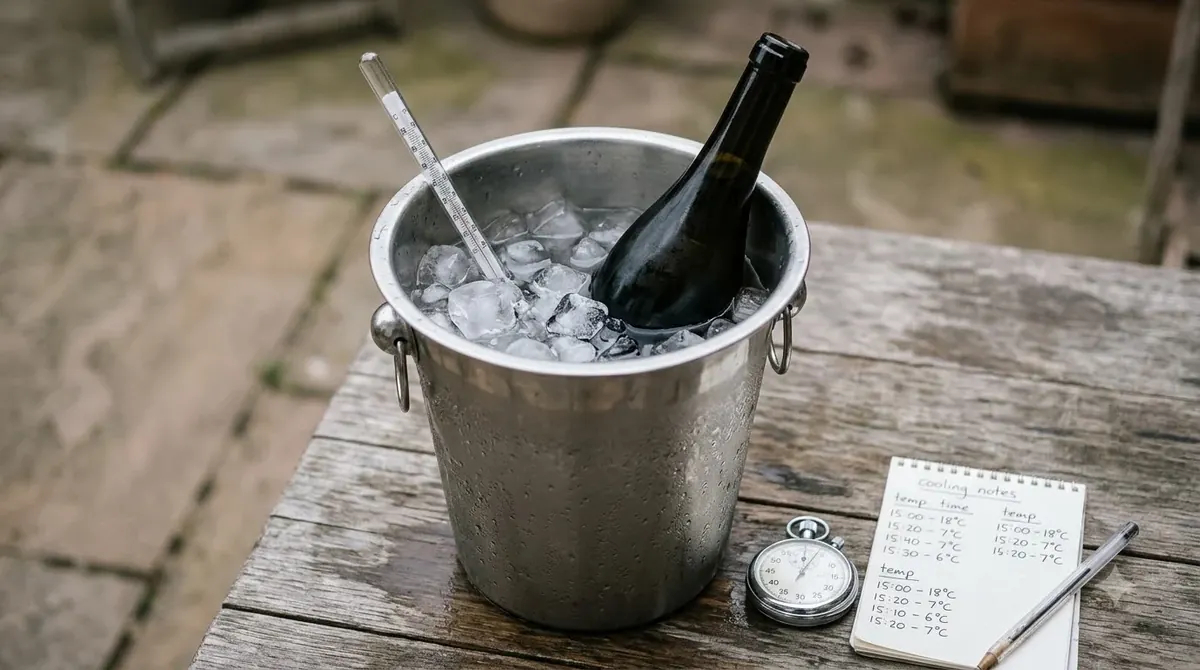
Serving Pedro Ximénez slightly chilled brings out its aromatic complexity while keeping its intense natural sweetness crisp, balanced, and refreshing on the palate. Treating it like a heavy room-temperature liqueur is the single quickest way to make the wine taste cloying.

According to the Consejo Regulador of Vinos de Jerez, classic Pedro Ximénez is best served between 12°C and 14°C (roughly 54°F to 57°F), while Wine Folly recommends a similar window of 55°F to 60°F. Younger, fruit-forward bottles can even handle a slightly deeper chill down to 50°F (10°C) to sharpen their acidity, whereas rare 20- or 30-year-old solera releases show their intricate walnut and espresso aromas best closer to 57°F.
Skip oversized red wine bowls—the kind you might reach for when pouring a structured Tuscan red made from the chianti grape—and choose a smaller vessel instead. A traditional tulip-shaped Spanish copita or a standard white wine glass concentrates the dried-fruit bouquet while guiding a modest pour to the center of your palate. Because PX is so concentrated, a standard dessert serving is just 2 to 3 ounces.
Tip: Unlike dry white or red wines that oxidize within a few days, an opened bottle of fortified Pedro Ximénez stays fresh for several weeks—and often a couple of months—when tightly recorked and stored upright in the refrigerator.
Food Pairings for Pedro Ximénez
Pedro Ximénez pairs effortlessly with intense salty blue cheeses, bittersweet dark chocolate desserts, toasted nuts, and cold vanilla ice cream, though it is rich enough to serve entirely on its own as liquid dessert. The golden rule when pairing PX is balancing its high sugar level against salt, bitterness, or cold creaminess.
Savory blue-veined cheeses create one of the wine world’s most celebrated contrasts. The sharp, piquant saltiness of Spanish Cabrales, French Roquefort, or English Stilton cuts straight through the wine’s velvety fig and molasses sweetness, creating an immediate sweet-and-savory harmony. Aged Gouda, triple-cream Brie, and rich duck or chicken liver pâté also stand up admirably to a chilled glass.
When pairing PX with sweets, avoid overly sugary frostings or syrupy cakes, which can make the wine feel flat. Instead, choose desserts built around dark, slightly bitter cocoa—such as flourless chocolate torte, dark chocolate truffles, or espresso-infused tiramisu—alongside walnut tarts, spiced pecan pie, or baked figs. For an effortless restaurant-worthy dessert at home, pour a tablespoon or two of chilled PX directly over a scoop of cold vanilla bean ice cream.
How to Choose a Bottle of PX
Selecting the right bottle of Pedro Ximénez comes down to checking the region of origin, looking for age designations on the label, and deciding whether you want a youthful fruit-bomb or a complex, barrel-aged treasure. Even entry-level bottles from reputable bodegas deliver remarkable flavor thanks to the labor-intensive sun-drying process.
Start by checking the appellation on the front label. Bottles from DO Jerez-Xérès-Sherry are fortified and aged in coastal bodegas in Jerez de la Frontera, El Puerto de Santa María, or Sanlúcar de Barrameda, offering classic oxidative depth. Bottles from DO Montilla-Moriles showcase the grape in its native inland home and include both fortified styles and rare unfortified vino dulce natural bottlings whose alcohol comes purely from natural fermentation.
Next, scan the label for age indicators that signal how long the wine rested in oak soleras:
- Standard / Entry-Level PX: Aged for at least two years in oak, bursting with fresh raisin, fig, and caramel notes; ideal for pouring over ice cream or mixing into cocktails.
- Viejo / 12- to 15-Year Solera: Shows darker mahogany color, deeper coffee and cocoa aromas, and a smoother, more integrated sweetness.
- V.O.S. (20+ Years) and V.O.R.S. (30+ Years): Certified rare old sherries from Jerez—or Viejísimo (25+ years) in Montilla-Moriles—offering extraordinary concentration, rancio nuttiness, and lingering spice best sipped slowly on their own.
Finally, if you prefer dry table wine, double-check the back label before buying a bottle from Chile or Argentina. South American producers rarely sun-dry the fruit, so a Chilean “Pedro Jiménez” will deliver crisp citrus and orchard-fruit refreshment rather than sweet sherry richness.
Frequently Asked Questions
Is Pedro Ximénez wine always sweet?
In Spain, traditional Pedro Ximénez fortified wine is one of the sweetest wines in the world, frequently exceeding 212 to 400 grams of residual sugar per liter due to sun-drying the grapes. However, winemakers in Chile, Argentina, and a few experimental Spanish bodegas also ferment un-raisined PX grapes into crisp, dry white table wines.
What is the difference between Cream Sherry and Pedro Ximénez?
Pedro Ximénez is a varietal wine made almost entirely from sun-dried PX grapes, resulting in an ultra-sweet, dark, raisiny profile. Cream Sherry is a blended style created by taking a dry oxidative sherry—typically Oloroso—and sweetening it with a smaller proportion of Pedro Ximénez wine for a lighter, nuttier finish.
How long does Pedro Ximénez wine last after opening?
Because of its high alcohol level (15 percent to 22 percent ABV) and dense sugar concentration, an opened bottle of fortified PX resists spoilage far longer than table wine. Stored tightly sealed in the refrigerator, it will maintain its rich aromas and smooth texture for four to eight weeks.
How do you pronounce Pedro Ximénez?
In Spanish, Pedro Ximénez is pronounced “PAY-dro hee-MEH-neth” in Castilian Spanish or “PAY-dro hee-MEH-nez” in Latin American and Andalusian dialects. Among wine professionals and enthusiasts, it is universally nicknamed “PX” for simplicity.
Whether poured lightly chilled alongside sharp blue cheese, drizzled over vanilla ice cream, or sipped slowly from a small tulip glass after dinner, pedro ximenez wine offers an unforgettable taste of Andalusian winemaking tradition. Once you keep a bottle tucked inside your refrigerator door, you always have an effortless, complex finish ready for any meal.
More in Wine Types & Grapes
 Zinfandel Sugar Content: Dry Red vs. White Zinfandel GramsUpdated Nov 21, 2026
 Best Zinfandel Substitute Options for Sipping and CookingUpdated Nov 21, 2026
 Zweigelt Food Pairing: Best Dishes, Cheeses, and Serving TipsUpdated Nov 21, 2026
 Zinfandel Tannins Explained: How Structure Shapes Every BottleUpdated Nov 21, 2026
 Zinfandel Sweetness Level: Dry Red vs. Sweet White Zin ExplainedUpdated Nov 21, 2026
 Xinomavro Food Pairing: Best Dishes, Styles, and Serving TipsUpdated Nov 21, 2026