

We may earn a commission when you buy through links on this page, at no extra cost to you. Learn more.
Barefoot Pinot Grigio is a light-bodied, crisp white wine from the Barefoot range, with tart green apple and fresh white peach on the palate. It is typically described as dry, with a bright, clean finish that suits simple meals, poultry, pasta, and pizza. This guide explains what the bottle tastes like, how it compares with other Pinot Grigio styles, and how to serve it well.
Barefoot Pinot Grigio is one of the most widely found white wines on store shelves, and it is often the first Pinot Grigio that many casual drinkers try. This page focuses on this specific bottling: its flavor, its body, the food it suits, and how to decide whether it fits your table. The broader Barefoot family is covered elsewhere, so the aim here is to look closely at this one white and what makes it distinct.
What Barefoot Pinot Grigio Tastes Like
The brand’s own tasting description points to tart green apple and fresh white peach, with floral and citrus aromas that give the wine a clean, lifted nose. Retail product pages and tasting-note lists fill out the picture with notes of pear, citrus blossom, and a touch of jasmine, which is a common way to describe the fresh, floral character many Pinot Grigio wines show when they are young.
Across different retail descriptions, the fruit remains the anchor of the wine, while the floral lift keeps it from tasting flat. On the palate, the wine is light and crisp. The brand describes it as light-bodied with a bright finish, so it feels refreshing rather than rich or heavy. That lightness is the main reason it works so well as an everyday white, since it does not overwhelm a simple dish or a relaxed conversation.
How Sweet Is Barefoot Pinot Grigio?
Most descriptions of this wine call it dry, meaning that the sugar left after fermentation is low enough that the fruit reads as tart rather than sweet. The brand’s own page does not state a sweetness level, so the dry label comes from the wider set of tasting notes rather than from a single official figure. One outlier description mentions a hint of residual sugar and peach and apricot nectar flavors, which suggests that a few shoppers will find it fruitier than others.
If you prefer a clearly sweet white, this bottle may feel crisp rather than soft. Readers who want more sweetness often look at Moscato or a sweeter Riesling instead. If you enjoy a little fruit on the finish and a clean, refreshing sip, however, the dry profile is likely to suit you well.
Pinot Grigio as a Grape and a Style
Pinot Grigio is a white grape that is best known in Italy, where it is grown across the north, and it is also grown in other wine regions. The name is the Italian term for the grape, and the same variety is known as Pinot Gris in France and in parts of the New World. Wines made from it tend to be light and fresh, though the style varies with the region and the winemaker.
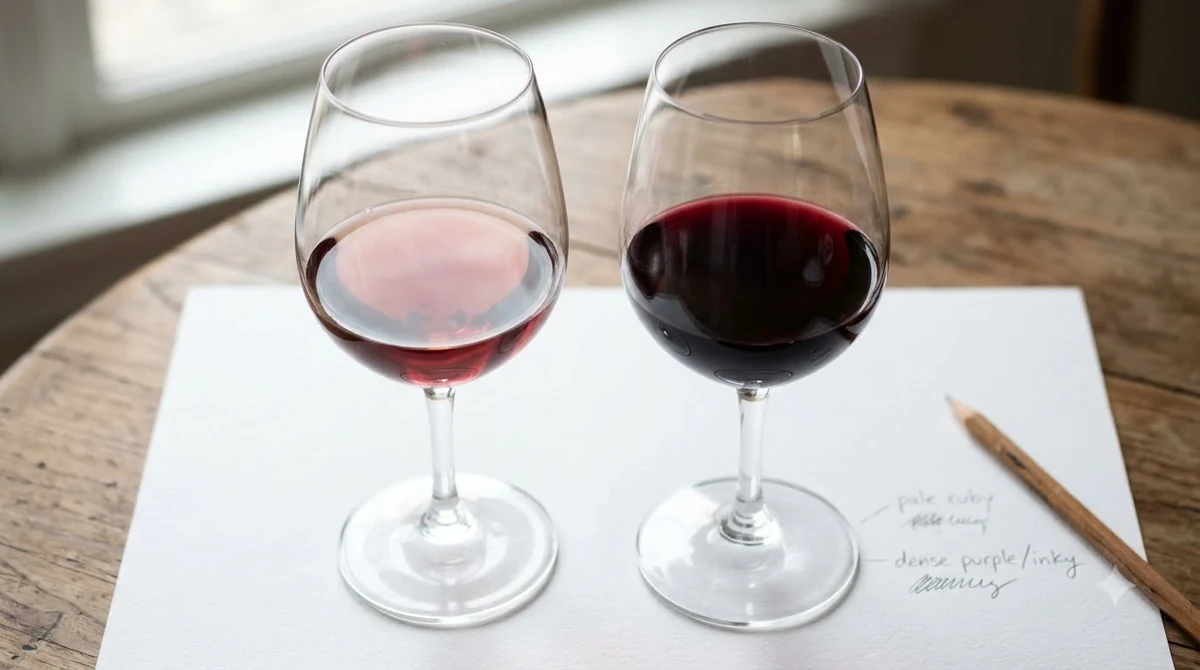
In the glass, many Pinot Grigio wines share the same general character: crisp acidity, light body, and fresh orchard fruit. Barefoot’s version sits in that familiar space and leans toward a clean, simple profile rather than a complex, mineral style. That makes it a reliable choice for people who want an easy white without much fuss, and it helps to know the style when you compare bottles on the shelf.
When you read the back of a bottle, pay attention to the vintage and the region. A younger wine usually shows brighter fruit and a sharper edge, while a wine that has had a little more time may feel rounder in the mouth. Because Pinot Grigio is a grape that grows in many climates, the same name on a label can taste quite different depending on where the grapes came from. Comparing two or three bottles from the same producer is one of the simplest ways to learn the style.
How to Serve Barefoot Pinot Grigio
Serve this wine well chilled, since its freshness is part of the appeal. A cool glass keeps the apple and peach notes lively and makes the finish feel clean. Pour it into a standard white wine glass, and avoid letting it warm up on the table during a long meal, because the bright acidity fades as the wine warms.
Food pairing is straightforward. The brand suggests poultry, pasta, and pizza, and those are good matches because the wine’s acidity cuts through rich sauces and cheese. Light seafood and fresh salads also suit it well. For a simple dinner, grilled chicken with a lemon dressing or a basil pasta is a natural match.
| Dish | Why it works |
|---|---|
| Roast or grilled chicken | The wine’s acidity refreshes the richness of the meat |
| Basil or cream-based pasta | Light body matches the sauce without overpowering it |
| Pizza with white cheese or vegetables | Crisp fruit balances melted cheese and toppings |
| Light seafood and salads | Fresh apple notes echo the delicacy of the dish |
Tip: Because this wine is light and fresh, it works best when it is one of the first bottles you open and is drunk within a day or two. Keep the cork or stopper in place and store the bottle in the refrigerator between servings.
Who Should Buy It and Who Might Skip It
This bottle suits people who want a simple, approachable white for everyday meals. It is a good match for a weeknight dinner, a casual gathering, or a backyard lunch where guests want something refreshing without a long explanation. Its light body and clean finish make it easy to pour alongside a range of dishes, and it does not demand much attention from the person drinking it.
Some drinkers will want something different. If you prefer a fuller, more textured white with creamy notes from oak aging, a Chardonnay or a richer Pinot Gris from a cooler region may be more satisfying. Similarly, if you are looking for a white with a pronounced mineral edge or a long, complex finish, this style may feel too direct. Knowing what you enjoy in a glass will make the choice much easier.
Bottles like this one are also useful for hosting, since they are widely available and easy to replace. Keep a bottle on hand for guests who want a light white, and pair it with a few simple dishes. A little planning makes the wine feel like a deliberate choice rather than an afterthought.
Frequently Asked Questions
Is Barefoot Pinot Grigio dry or sweet?
Most tasting descriptions call it dry, with tart green apple and white peach fruit and a light, crisp finish. The brand’s own page does not list a sweetness level, so the label and the producer’s current notes are the best guide.
What does Barefoot Pinot Grigio taste like?
Expect tart green apple, fresh white peach, and floral and citrus aromas. Its body is light, and the finish is bright and clean rather than rich.
What food goes well with Barefoot Pinot Grigio?
Poultry, pasta, and pizza are the pairings the brand suggests, and light seafood and fresh salads also work well. Its acidity helps cut through rich sauces and cheese.
How should I serve Barefoot Pinot Grigio?
Serve it well chilled in a standard white wine glass. Keeping it cool preserves the fresh fruit and the crisp finish, so avoid letting it sit on the table for long.
If you want to compare this bottle with other Pinot Grigio options, the guide to Santa Margherita Pinot Grigio offers a useful reference point, and the Cavit Pinot Grigio page covers another widely sold bottling. For a fuller picture of the category, the Wine Brands section lists more producers, including Ecco Domani Pinot Grigio.
For the producer’s own tasting description and food suggestions, see the Barefoot Pinot Grigio product page.
More in Wine Brands
 Underwood Wine Price: Compare Bottles, Cans, and Pack SizesUpdated Nov 21, 2026
 Zenato Wine Price: Compare Styles and Choose the Right BottleUpdated Nov 21, 2026
 Zuccardi Wine Price: Compare Bottles and Find the Right RangeUpdated Nov 21, 2026
 Yellow Tail Moscato Review: Taste, Sweetness and Serving TipsUpdated Nov 21, 2026
 Wolf Blass Yellow Label Review: Choose Your Best StyleUpdated Nov 21, 2026
 Wolffer Estate Rose Review: Choose the Right Bottle for Your TableUpdated Nov 21, 2026