


We may earn a commission when you buy through links on this page, at no extra cost to you. Learn more.
Orange muscat wine is an intensely aromatic white wine made from the Orange Muscat grape variety, celebrated for its distinct scents of orange blossom, tangerine peel, and ripe stone fruit. Known formally in France as Muscat Fleur d’Orange and in Italy as Moscato Fior d’Arancio, this grape is a genetic crossing of Muscat Blanc à Petits Grains and Chasselas rather than a wine flavored with actual oranges. While winemakers produce dry, off-dry, and sparkling versions, the grape is most famous for lush, sweet, and lightly fortified dessert wines crafted primarily in California, Washington, Australia, and northern Italy.
Walking into a wine shop and spotting a bottle labeled “Orange Muscat” often triggers a moment of confusion. Shoppers frequently assume it is either a fruit-infused novelty drink or a skin-contact “orange wine” made by fermenting white grapes with their skins. In reality, it is a classic, distinct Vitis vinifera cultivar with deep European roots and a remarkably expressive aromatic profile that stands apart from standard Moscato.
What It Is and Where It Comes From
Orange Muscat is a white wine grape variety belonging to the ancient Muscat family, earning its name from its unmistakable citrus-blossom perfume rather than the color of its juice or skins. Ampelographers and DNA researchers have confirmed that the vine is a natural crossing of Muscat Blanc à Petits Grains and the Swiss table-and-wine grape Chasselas.
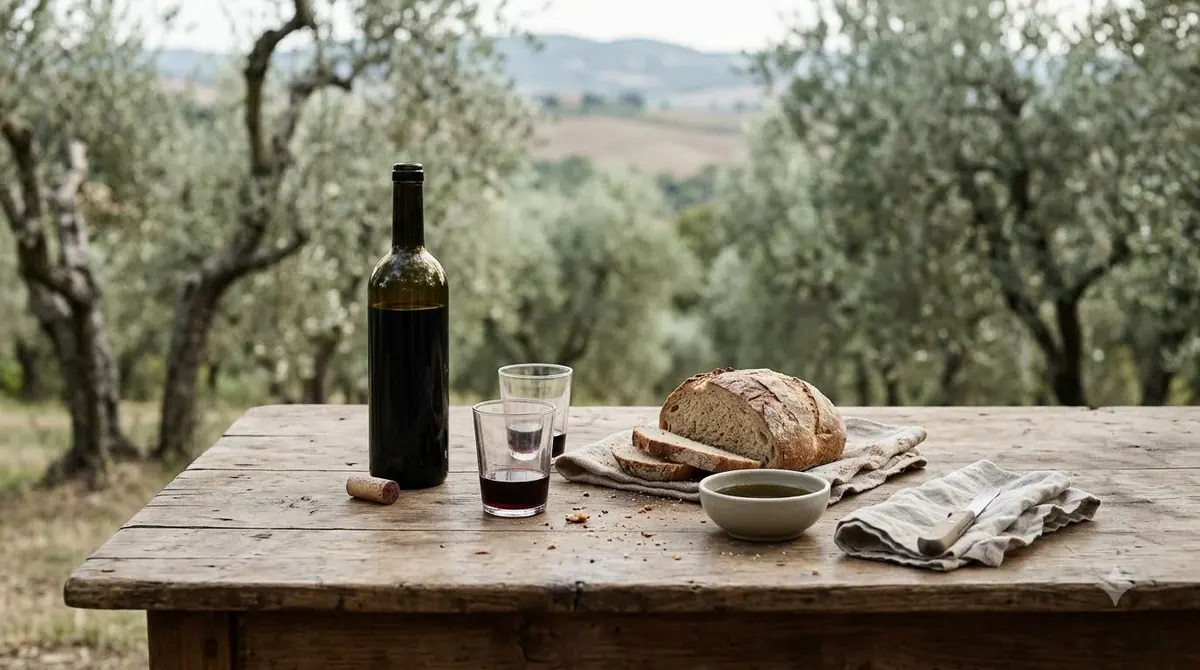
For decades, wine historians debated whether Orange Muscat was simply a regional mutation of another Muscat clone. Modern genetic profiling settled the question, showing how the grape inherited its heady floral aromatics from Muscat Blanc à Petits Grains while gaining softer acidity and delicate texture from Chasselas. Despite the name, no citrus fruit or zest is ever added during fermentation; the signature tangerine and marmalade character comes purely from naturally occurring aromatic compounds called monoterpenes concentrated in the grape skins.
In its European homeland, the variety goes by evocative local titles that translate directly to “orange flower.” French growers historically called it Muscat Fleur d’Orange (or Muscat d’Oranger), while vineyards in northeastern Italy cultivate it as Moscato Fior d’Arancio. Although plantings in France have dwindled over the past century, the grape remains a cherished specialty in select Italian pockets and has found a thriving second home in New World wine regions.
Because it sits within the broader Muscat clan, it shares family traits with more familiar wine types like Italian Moscato d’Asti, yet it delivers a noticeably spicier, more citrus-driven personality. Where standard Moscato leans heavily toward white peach, pear, and honeysuckle, Orange Muscat brings a sharper focus on candied orange peel, apricot, and warm baking spices.
Flavor Profile and Winemaking Styles
Wines made from Orange Muscat range from crisp, bone-dry table pours to rich, fortified dessert elixirs, though sweet styles dominate commercial production. Across every style, the defining trait is an explosive nose of orange blossom, mandarin zest, and ripe apricot balanced by medium acidity and low tannin.
The grape’s natural sugar accumulation in warm climates makes it a favorite for late-harvest and fortified winemaking. In a classic California fortified style—such as Quady Winery’s well-known Essensia—fermentation is halted partway through by adding neutral grape spirit, raising the alcohol by volume to around 15 percent while locking in lush residual sugar. Winemakers often age these fortified bottlings briefly in used oak barrels, adding subtle layers of toasted almond, vanilla, caramel, and nutmeg to the bright citrus core.
Unfortified late-harvest versions rely on extended hang time on the vine to concentrate sugars naturally without added spirits. These bottles typically show lower alcohol and a lighter, silkier mouthfeel, highlighting pure flavors of tangelo, honey, and nectarine. Meanwhile, a smaller circle of adventurous producers vinifies Orange Muscat completely dry, resulting in a crisp, medium-bodied white wine that smells intensely sweet on the nose yet finishes clean, floral, and refreshing on the palate.
| Style | Sweetness Level | Typical ABV | Key Tasting Notes |
|---|---|---|---|
| Fortified Dessert | Very Sweet | Around 15% | Orange marmalade, apricot, toasted almond, vanilla, warm spice |
| Late Harvest (Unfortified) | Sweet | 10% to 13% | Tangelo, honey, baked peach, honeysuckle, candied citrus peel |
| Dry Still | Dry | 11.5% to 13.5% | Fresh orange blossom, Meyer lemon, jasmine, crisp white peach |
| Sparkling (Italian Spumante) | Sweet | 6% to 9.5% | Mandarin zest, white flowers, green apple, lively mousse |
Where Orange Muscat Grows Best
Orange Muscat thrives in warm, sunny growing regions with dry afternoons that allow the grapes to reach full phenolic ripeness without developing rot. Today, the United States accounts for the vast majority of global plantings, led by California and Washington State, alongside smaller historic pockets in Italy and Australia.
According to Wine-Searcher’s grape variety database, roughly 95 percent of commercial Orange Muscat plantings are located in the United States. California’s Central Valley, Madera, Amador County, Lodi, and Mendocino produce the bulk of American bottlings, taking advantage of abundant sunshine to develop rich sugar levels. Further north, Washington’s Columbia Valley, Yakima Valley, and Rattlesnake Hills leverage long summer daylight hours and cool desert nights to preserve vibrant natural acidity alongside intense citrus aromatics.
In Italy, the grape’s spiritual home is the Colli Euganei (Euganean Hills) zone in the Veneto region, where Colli Euganei Fior d’Arancio holds DOCG status. Local vintners craft the grape into dry still wines, sweet passito dessert bottles, and lively sparkling spumante that showcase the volcanic soils of the hills southwest of Padua. Much like other heritage Italian varieties such as the catarratto grape, Moscato Fior d’Arancio reflects centuries of regional adaptation that preserved it from disappearing during twentieth-century vineyard replanting.
Australia also maintains a dedicated following for the variety, particularly in northeastern Victoria and parts of South Australia. Around a dozen Australian wineries cultivate Orange Muscat—sometimes labeled locally as Brown Frontignac mutations in older literature before DNA testing clarified their lineage—turning the fruit into both aromatic table wines and luscious stickies.
How to Serve and Store Orange Muscat
Proper serving temperature is essential for keeping Orange Muscat’s natural sweetness balanced and its delicate floral aromatics lifted. Serving the wine too warm dulls its citrus snap and can make sweet styles feel heavy, while serving it ice-cold mutes the complex blossom notes.
For dry, off-dry, and sparkling expressions, chill the bottle to between 43°F and 47°F (6°C to 8°C) before pouring. Fortified and rich late-harvest dessert styles show best slightly warmer, around 50°F to 55°F (10°C to 13°C), which allows secondary notes of honey, caramel, and baking spice to open up in the glass. Standard white wine glasses work well for dry bottlings, while smaller tulip-shaped dessert wine glasses concentrate the perfume of sweet pours and encourage sensible 2- to 3-ounce servings.
Before opening, store bottles horizontally in a cool, dark spot away from direct sunlight and kitchen heat. Once opened, unfortified dry or late-harvest bottles should be recorked and kept in the refrigerator, where they will stay fresh for three to five days. Fortified Orange Muscat holds up much longer thanks to its higher alcohol and sugar levels, remaining vibrant in the fridge for one to two weeks after opening.
Tip: If you are pouring a fortified Orange Muscat after dinner, place the bottle in the refrigerator for about 45 minutes before serving rather than leaving it at room temperature—a gentle chill sharpens the citrus acidity and keeps the finish crisp.
Food Pairing Ideas
Orange Muscat’s combination of bright acidity, floral perfume, and citrus fruit makes it remarkably versatile at the table, working equally well alongside savory starters, spicy mains, and classic desserts. Reviewers at Wine Enthusiast highlight its affinity for rich, nutty, and savory dishes like baked brie with honey and walnuts, salmon crudo, and Salad Lyonnaise.
When pairing sweet or late-harvest styles with dessert, match the wine’s sweetness level so the food does not make the wine taste tart. Fruit-driven pastries—such as apricot galettes, peach cobbler, almond biscotti, lemon bars, and vanilla panna cotta—echo the wine’s stone-fruit and citrus-blossom notes without overwhelming the palate. Dark chocolate can occasionally clash with bright citrus wines, so opt instead for white chocolate, ginger-spiced cookies, or hazelnut tarts.
For a savory contrast, pour sweet or fortified Orange Muscat alongside salty, pungent cheeses like Gorgonzola, Stilton, or aged blue cheese. The wine’s honeyed tangerine character cuts cleanly through the creamy saltiness of the cheese. Dry or off-dry versions, meanwhile, shine at brunch or dinner next to mildly spicy Thai curries, glazed pork tenderloin, crab cakes, or roasted duck with a citrus glaze—a food-friendly flexibility reminiscent of crisp whites like the colombard grape.
How to Choose a Bottle
Selecting the right bottle of Orange Muscat starts with checking the back label for clues about sweetness, alcohol percentage, and regional origin. Because producers use the same grape for everything from dry aperitifs to fortified digestifs, two bottles sitting side by side on a shelf can deliver completely different experiences.
- Check the ABV first: Bottles listing 14.5% to 15% ABV are almost always fortified dessert wines with rich, syrupy textures and long shelf lives after opening. Bottles between 10% and 13% ABV are typically unfortified late-harvest or dry table styles.
- Look for style cues on the front label: Terms like “Late Harvest,” “Passito,” or “Dessert Wine” signal noticeable residual sugar, while Italian bottles marked “Colli Euganei Fior d’Arancio Spumante” indicate a sweet, bubbly wine.
- Pay attention to bottle size: Sweet and fortified Orange Muscats are frequently sold in 375ml half-bottles, which are ideal for sharing among four to six guests after dinner without leaving leftover wine.
- Prioritize recent vintages for dry styles: Unfortified dry and sparkling bottlings rely on fresh floral aromatics and are best enjoyed within one to three years of harvest, whereas fortified versions can age gracefully for several years in a cool cellar.
Frequently Asked Questions
Is orange muscat wine made from actual oranges?
No, orange muscat wine is made entirely from fermented Vitis vinifera wine grapes with no oranges, juice, or zest added. The grape gets its name because its natural aromatic compounds produce vivid scents of orange blossom, tangerine peel, and marmalade.
Is orange muscat wine the same thing as orange wine?
No, they are completely different categories. Orange muscat refers to a specific white grape variety named for its citrus aroma, whereas “orange wine” (skin-contact white wine) describes a winemaking technique in which white grapes are fermented with their skins to create an amber hue and tannic grip.
Is orange muscat wine always sweet?
While sweet late-harvest, sparkling, and fortified dessert styles are the most common, orange muscat is not always sweet. Winemakers in California, Washington, Australia, and Italy’s Veneto region also produce completely dry still versions that smell intensely floral and citrusy while finishing crisp and sugar-free.
What is the difference between Orange Muscat and regular Moscato?
Regular Italian Moscato (such as Moscato d’Asti) is typically made from Muscat Blanc à Petits Grains and leans toward light, frizzante flavors of white peach, pear, and honeysuckle at low alcohol. Orange Muscat is a distinct crossing of Muscat Blanc à Petits Grains and Chasselas that delivers bolder notes of candied orange peel, apricot, and warm spice.
Whether you encounter it as a chilled, bubbly Fior d’Arancio from northern Italy or a golden, oak-kissed fortified dessert pour from California, orange muscat wine rewards drinkers who appreciate expressive aromatics. Understanding how alcohol level and regional style shape each bottle makes it easy to pick the right pour for brunch, spicy takeout, or a fruit-and-cheese board.
More in Wine Types & Grapes
 Zinfandel Sugar Content: Dry Red vs. White Zinfandel GramsUpdated Nov 21, 2026
 Best Zinfandel Substitute Options for Sipping and CookingUpdated Nov 21, 2026
 Zweigelt Food Pairing: Best Dishes, Cheeses, and Serving TipsUpdated Nov 21, 2026
 Zinfandel Tannins Explained: How Structure Shapes Every BottleUpdated Nov 21, 2026
 Zinfandel Sweetness Level: Dry Red vs. Sweet White Zin ExplainedUpdated Nov 21, 2026
 Xinomavro Food Pairing: Best Dishes, Styles, and Serving TipsUpdated Nov 21, 2026