

We may earn a commission when you buy through links on this page, at no extra cost to you. Learn more.
The bobal grape is a thick-skinned, high-acid red wine variety native to eastern Spain, most famously grown in the high-altitude plateaus of Utiel-Requena and Manchuela. Despite ranking as one of Spain’s most widely planted red grapes, it spent decades as an anonymous blending workhorse before modern winemakers unlocked its potential for vibrant, age-worthy reds and crisp rosés. Today, varietal bottlings deliver juicy dark berry flavors, Mediterranean herbal notes, and refreshing natural acidity.
If you regularly browse Spanish wine shelves, you likely know Tempranillo and Garnacha by heart. Yet quietly anchoring the vineyards inland from Valencia is a native variety with centuries of documented history and a remarkable ability to thrive in harsh, arid climates. Exploring this grape opens up an entire category of expressive, food-friendly Spanish wines across several distinct styles.
What Is the Bobal Grape?
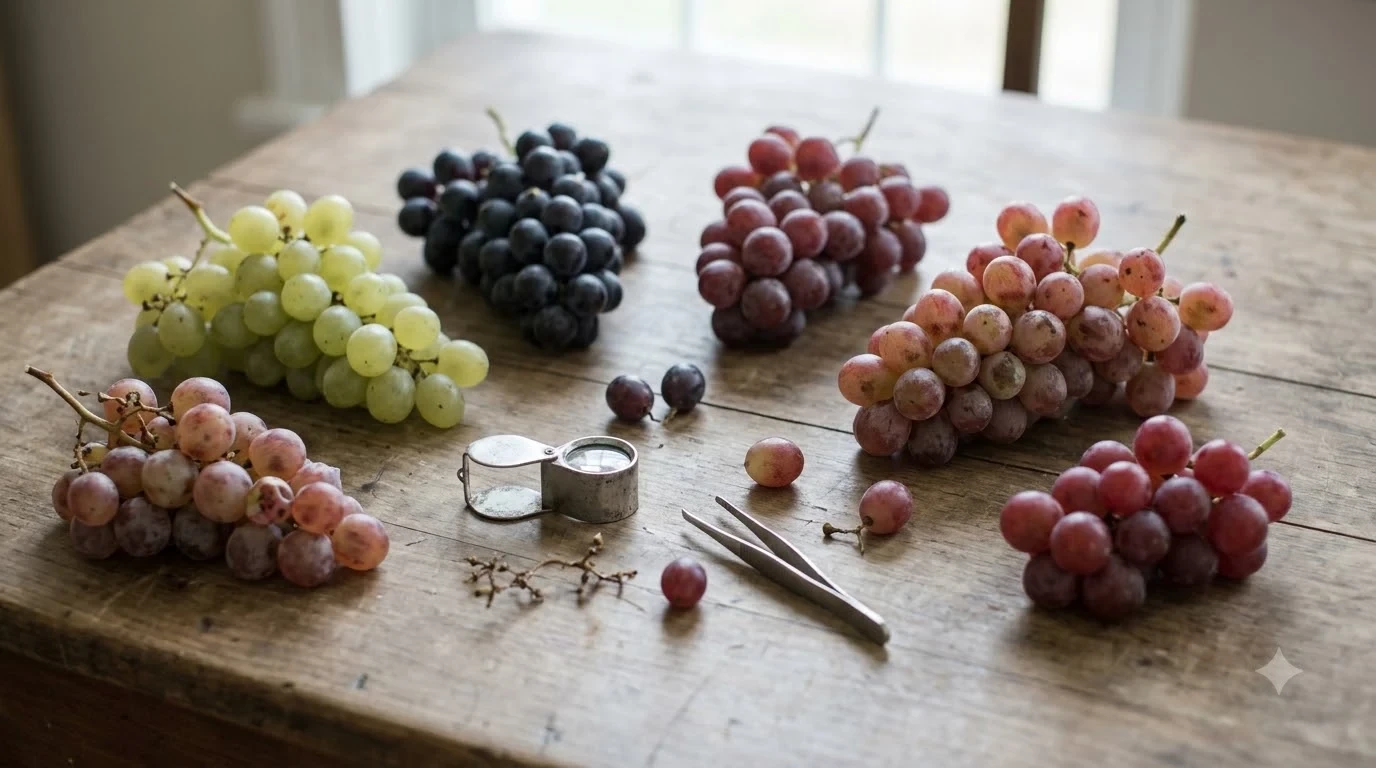
Bobal is an indigenous Spanish red wine grape (Vitis vinifera) whose origins trace back at least to the 15th century in the Valencia region. Its name likely derives from the Latin word bovale, a nod to the large, compact shape of its grape clusters that resemble a bull’s head.
In the vineyard, Bobal is prized for its resilience. The vines handle intense summer heat and prolonged drought exceptionally well, which explains why so many historic plots are still cultivated without irrigation as low-trained bush vines known locally as en vaso. Because the variety buds late, it also avoids damaging spring frosts that frequently threaten inland Iberian plateaus.
Historically, growers planted Bobal across tens of thousands of hectares because of its generous yields and deeply pigmented skins. For much of the 20th century, bulk producers shipped the wine north to add color and bright acidity to paler reds, or used it to make concentrated grape must. While total acreage has declined since the 1990s due to vineyard restructuring, thousands of old-vine parcels—many exceeding 60 to 100 years of age—remained intact and now form the backbone of quality-focused Spanish winemaking.
Compared to better-known Wine by Type categories, Bobal occupies a compelling middle ground. Unlike heavy, high-alcohol warm-climate reds that can feel jammy, Bobal naturally retains high tartaric acidity even under the blazing Mediterranean sun. When farmed for lower yields and handled gently in the cellar, the grape produces wines with striking color, balanced alcohol (typically between 12.5% and 14% ABV), and genuine site transparency.
Flavor Profile and Winemaking Styles
On the palate, red Bobal wines are defined by a vibrant core of dark and red berries—most notably blackberry, black cherry, plum, and tart pomegranate—layered over savory notes of dried Mediterranean herbs, licorice, black tea, and cocoa powder. While the grape’s thick skins provide deep ruby-purple color and noticeable tannins, careful extraction yields a velvety, fine-grained texture rather than harsh astringency.
Modern producers shape Bobal into several distinct expressions depending on vine age, vessel choice, and skin contact. According to Decanter’s regional report on Utiel-Requena, winemakers are increasingly moving away from heavy new oak in favor of clay amphorae (tinajas), concrete tanks, and neutral French barrels to preserve the grape’s natural herbal lift and lively fruit.
| Style | Winemaking Approach | Core Tasting Notes | Typical Aging Window |
|---|---|---|---|
| Rosado (Dry Rosé) | Brief skin contact; fermented cool in stainless steel or clay amphorae | Cranberry, red cherry, pomegranate, fresh thyme, crisp saline finish | 1 to 3 years from vintage |
| Joven / Amphora Red | Unoaked or aged 2 to 6 months in concrete or clay vessels | Juicy plum, mulberry, wild sage, aniseed, soft tannins | 2 to 4 years from vintage |
| Old-Vine / Barrel-Aged Red | Sourced from 60+ year-old bush vines; aged 6 to 18 months in French or American oak | Blackberry, black olive, dark chocolate, roasted coffee, cedar, polished grip | 5 to 12+ years from vintage |
| Sparkling (Cava / Brut) | Traditional method fermentation, often crafted as a blanc de noirs or rosé | Red currant, brioche, citrus zest, fine persistent bubbles | 1 to 3 years from disgorgement |
Beyond single-varietal bottlings, Bobal remains an important blending partner. Winemakers frequently pair it with Tempranillo, Garnacha, Monastrell, or Cabernet Sauvignon, relying on Bobal to inject fresh acidity and deep color into blends that might otherwise feel overly ripe or soft. You may also encounter traditional local clarete wines, where red Bobal grapes are co-fermented with white varieties such as Macabeo to create a pale, aromatic red designed for light chilling.
Where the Bobal Grape Grows
Roughly 90% to 95% of the world’s Bobal vineyards are located in Spain, concentrated heavily in the autonomous community of Valencia and neighboring Castilla-La Mancha. Small plantings also exist just across the border in France’s Roussillon region, where the grape is occasionally known under local synonyms like Carignan d’Espagne or Terret d’Espagne.
The spiritual and commercial heartland of Bobal is D.O. Utiel-Requena, an inland plateau situated about an hour west of the Mediterranean coast at elevations ranging from 600 to over 900 meters (roughly 2,000 to 3,000 feet) above sea level. Here, Bobal accounts for roughly 70% to 80% of all red vineyard plantings. The continental climate features scorching daytime summer temperatures paired with dramatic nighttime cooling, a diurnal shift that slows ripening and locks in aromatic complexity and crisp acidity.
Just across the regional border in Castilla-La Mancha lies D.O. Manchuela, the second major stronghold for fine Bobal. Situated between the Júcar and Cabriel river valleys, Manchuela benefits from cooling sea breezes that sweep inland from the Mediterranean, tempering the dry plateau heat. In this appellation, visionary growers working with high-altitude limestone and clay soils have gained international acclaim for pure, energetic Bobal reds that rival Spain’s most celebrated regions.
Smaller quantities of Bobal also appear in D.O. Valencia, D.O. Alicante, and D.O. Ribera del Júcar. In each of these eastern Spanish zones, the grape shares vineyard space with Mediterranean staples, much like how regional varieties define specific appellations in Italy—whether you are exploring the chianti grape in Tuscany or white coastal varieties like the catarratto grape in Sicily.
How to Serve Bobal Wine
Serving temperature plays a major role in highlighting Bobal’s balance between plush dark fruit and brisk acidity. According to Wine Folly’s varietal guide, red Bobal shows best when served slightly cooler than room temperature, ideally between 60°F and 68°F (15°C to 20°C).
If a bottle of red Bobal is served too warm—above 70°F—its alcohol and oak spices can overshadow the delicate herbal and pomegranate nuances. Placing the bottle in the refrigerator for 20 to 30 minutes before pouring brings the temperature right into the sweet spot, keeping the finish snappy and refreshing. For Bobal rosados and traditional-method sparkling bottlings, chill the wine thoroughly to 45°F–50°F (7°C–10°C).
Tip: Decant oak-aged or old-vine Bobal reds for 30 to 45 minutes before serving; oxygen softens the grape’s naturally thick-skinned tannins and opens up secondary notes of cocoa, violet, and dried thyme.
A standard universal red wine glass with a moderately wide bowl works well for both young and barrel-aged expressions. The tapered rim concentrates Bobal’s lifted aromatics of wild berries and Mediterranean scrub while directing the wine cleanly across the palate.
Best Food Pairings for Bobal
Thanks to its combination of lively acidity, moderate-to-firm tannins, and savory herbal undertones, Bobal is an exceptionally versatile partner at the dinner table. It bridges the gap between lighter reds suited for poultry and structured reds built for grilled meats.
- Traditional Rice Dishes: In its Valencian homeland, Bobal is the classic companion to authentic paella Valenciana made with rabbit, chicken, saffron, and runner beans. The wine’s crisp acidity cuts through the rich olive oil and savory socarrat crust without overpowering the delicate saffron aromatics.
- Grilled and Roasted Meats: Chargrilled sirloin steak, lamb chops rubbed with rosemary and garlic, and slow-roasted pork shoulder match naturally with Bobal’s dark fruit core and fine-grained tannic grip.
- Fruit-Glazed Poultry: Dishes that incorporate sweet-tart fruit elements—such as roast chicken with pomegranate molasses, duck breast with cherry reduction, or glazed orange chicken—echo Bobal’s signature pomegranate and blackberry notes.
- Hearty Vegetarian Fare: Roasted eggplant, mushroom risotto, ratatouille, and braised lentils with smoked paprika harmonize smoothly with the grape’s earthy, herbal character.
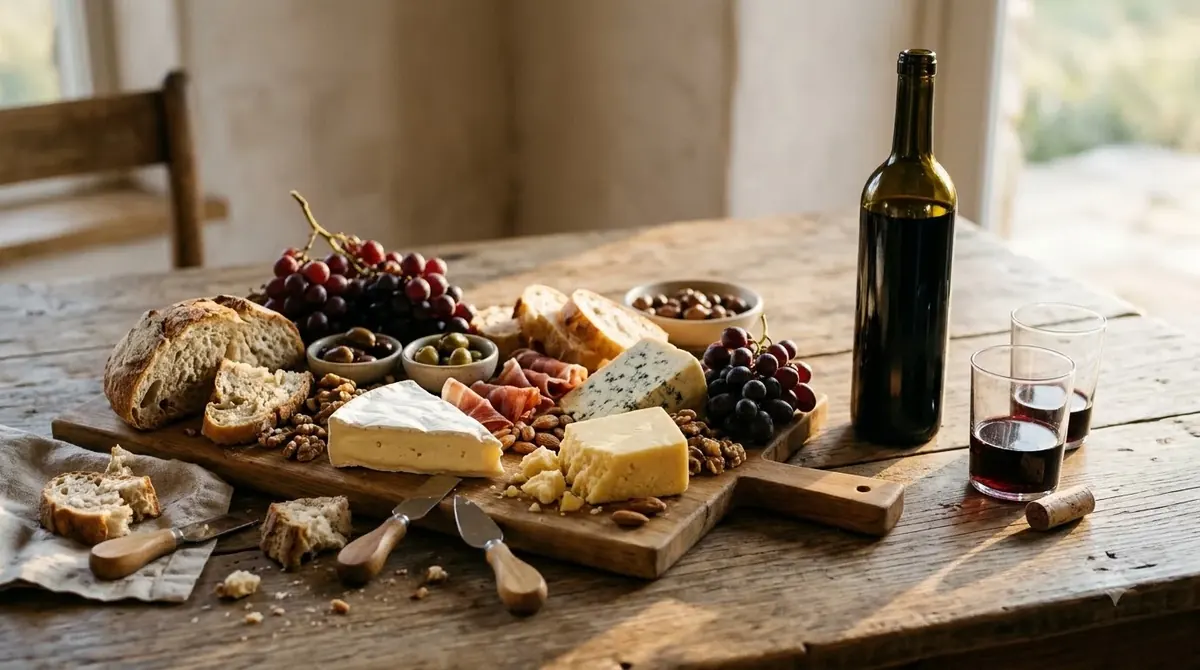
- Aged Spanish Cheeses: Firm sheep’s milk cheeses like aged Manchego or Zamorano pair effortlessly with barrel-aged Bobal, as the cheese’s nutty fat balances the wine’s brisk acidity.
When pairing Bobal rosado, lean toward warm-weather Mediterranean dishes such as grilled shrimp, tomato-based tapas, marinated olives, or herb-roasted vegetables. The rosé’s fuller body compared to pale Provençal styles allows it to stand up to bolder garlic and spice flavors.
How to Choose a Quality Bobal Bottle
Because Bobal still plays a dual role in Spain—supplying both everyday table wines and boutique single-vineyard bottlings—reading the label carefully helps you find the most expressive bottles. Look first for specific appellation designations such as D.O. Utiel-Requena or D.O. Manchuela, which signal stricter viticultural oversight and authentic regional character.
Pay close attention to mentions of vine age and farming practices on the front or back label. Terms like Viñas Viejas or Cepas Viejas indicate old vines, which naturally produce smaller berries with higher skin-to-juice ratios and greater flavor concentration. Many leading producers in eastern Spain also farm organically, taking advantage of the dry, breezy plateau climate that minimizes fungal pressure without synthetic treatments.
Finally, consider the vessel used for aging to match your personal palate. If you enjoy crisp, fruit-driven reds similar in freshness to bright, acid-led white wines like the colombard grape, seek out bottles aged in concrete tanks or clay amphorae (often labeled Tinaja or Ánfora). If you prefer deeper, spicier reds with aging potential, choose a Crianza, Reserva, or single-vineyard bottling matured in French oak barrels.
Frequently Asked Questions
Is Bobal wine dry or sweet?
Nearly all commercially available Bobal wines—including reds, rosés, and sparkling expressions—are fermented completely dry. While the ripe blackberry, plum, and cherry flavors can create a lush impression on the mid-palate, high natural acidity ensures a crisp, dry finish.
How does Bobal compare to Tempranillo?
Bobal typically offers deeper purple-ruby color and higher natural acidity than Tempranillo, alongside a more pronounced wild herb and dark berry profile. While Tempranillo often leans toward red cherry, leather, and vanilla from American oak, modern Bobal highlights fresher pomegranate, blackberry, and Mediterranean scrub notes.
Can Bobal wines age well?
Yes, high-quality Bobal crafted from old, low-yielding vines ages remarkably well thanks to its high acidity and thick-skinned tannins. While young unoaked reds and rosés are best enjoyed within 2 to 4 years, structured single-vineyard and barrel-aged bottlings routinely evolve for 8 to 12 years or longer.
Why is Bobal relatively rare outside Spain?
Bobal requires intense sunlight and a long, dry growing season to ripen its thick skins evenly, making it ideally suited to Spain’s warm eastern plateaus. Because it was historically used as an unnamed blending grape rather than bottled under its own name, international awareness only began growing in recent decades as independent producers championed varietal bottlings.
Whether poured as a chilled summer rosado or decanted alongside a Sunday roast, Bobal offers a distinctive, acid-driven window into eastern Spain’s wine heritage. Seeking out old-vine bottlings from Utiel-Requena or Manchuela is one of the most rewarding ways to explore Spanish reds beyond the usual household names.
More in Wine Types & Grapes
 Zinfandel Sugar Content: Dry Red vs. White Zinfandel GramsUpdated Nov 21, 2026
 Best Zinfandel Substitute Options for Sipping and CookingUpdated Nov 21, 2026
 Zweigelt Food Pairing: Best Dishes, Cheeses, and Serving TipsUpdated Nov 21, 2026
 Zinfandel Tannins Explained: How Structure Shapes Every BottleUpdated Nov 21, 2026
 Zinfandel Sweetness Level: Dry Red vs. Sweet White Zin ExplainedUpdated Nov 21, 2026
 Xinomavro Food Pairing: Best Dishes, Styles, and Serving TipsUpdated Nov 21, 2026