

We may earn a commission when you buy through links on this page, at no extra cost to you. Learn more.
Santa Margherita wine is the Italian producer known for Pinot Grigio, founded in 1935 on a large estate between Fossalta di Portogruaro and the Venetian Lagoon. The house helped make Pinot Grigio a mainstream white wine by sourcing the grape from Alto Adige and developing a clean, white-vinified style. Its range now covers Pinot Grigio, Chardonnay, sparkling wines and Prosecco, all shaped by the same focus on fresh, easy-drinking Italian whites.
Italian wine is often described through its regions, but Santa Margherita is better understood through its history as a producer that set a style for an entire category. If you are comparing it with other Italian whites and sparklers, the overview of wine brands offers a useful frame for how family-led houses build recognition over decades.
How the estate began in 1935
The story begins in 1935, when Gaetano Marzotto created a large agricultural complex of roughly a thousand hectares. The estate sits on land between Fossalta di Portogruaro and the Venetian Lagoon, and according to the producer’s own history, much of that land had been largely abandoned and needed reclaiming before it could be farmed well. The symbol and wines of the house take their name from Margherita Lampertico Marzotto, who is linked to the estate’s identity.
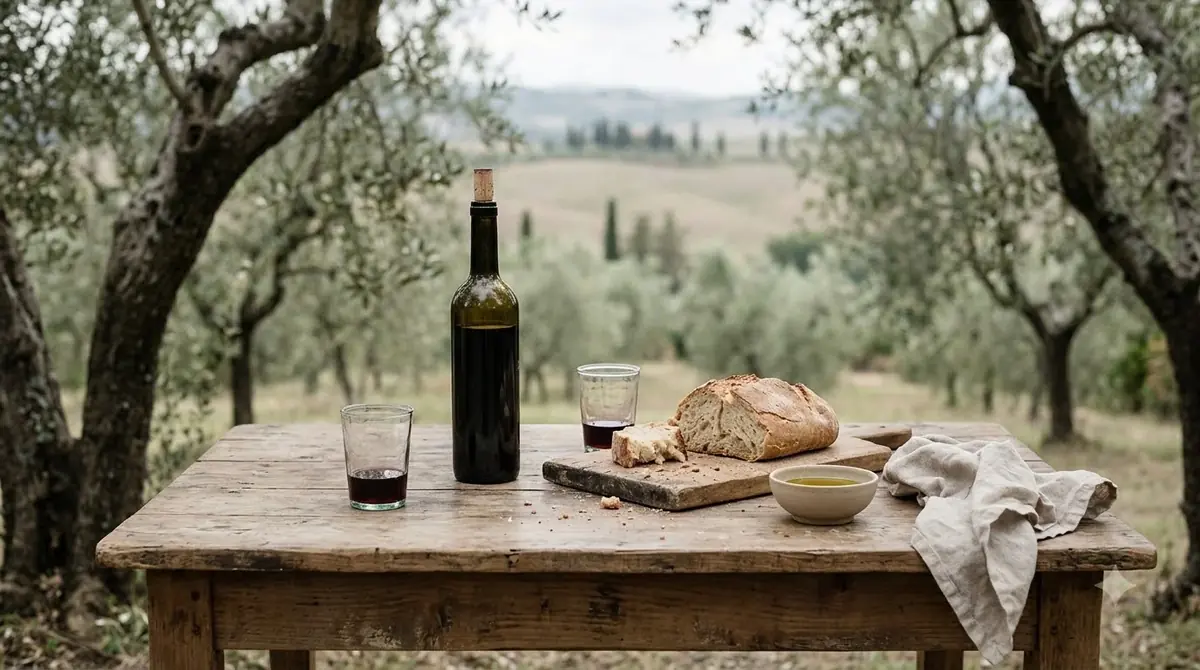
The early years were about building a working farm and a winemaking base on land that had few settled vineyards. That practical start shaped the house’s approach, which has always combined the discipline of an agricultural estate with a focus on wines meant to be enjoyed with everyday food.
Over the decades the company grew into a broader Italian wine group, but the original idea remained at the core: produce approachable wines with clear fruit and a style that suits a wide range of tables.
Why Pinot Grigio became the signature
The producer’s history links its rise to a change in Italian tastes. As eating habits shifted toward lighter dishes, consumers began to prefer lighter, less structured white wines. Santa Margherita chose Pinot Grigio as the leading wine for that shift, and it looked to Alto Adige as the source. The northern region’s cool climate and fresh fruit suited a crisp, approachable white, and the producer saw strong development potential there.
The white-vinified style that defines many modern Santa Margherita bottles came from studies carried out in Alto Adige. The method involves pressing the grapes without letting the skins stay in contact with the juice, which keeps the wine pale and clean. The producer’s own timeline calls this style an uninterrupted success since 1961, and it remains the backbone of the house’s most recognizable bottles.
Styles and the current range
The current range is built around four main names: Pinot Grigio, Chardonnay, a sparkling Müller Thurgau, and Prosecco. Pinot Grigio is the flagship, and it tends to show citrus, green apple and a light mineral edge. The Chardonnay offers a rounder, more fruit-driven white for readers who want more body. The sparkling Müller Thurgau and Prosecco bring a lighter, celebratory style to the lineup.
Beyond whites, the producer’s categories include sparkling, semi-sparkling, rosé, red and dessert wines, which makes it a broader house than many people expect. For most shoppers, though, Pinot Grigio remains the reason to buy the brand.
| Style | What to expect | Good with |
|---|---|---|
| Pinot Grigio | Crisp, citrus and green apple, light body | Seafood, salads, light pasta |
| Chardonnay | Rounder texture with ripe fruit | Roast chicken, creamy sauces |
| Sparkling Müller Thurgau | Light, floral and fresh | Aperitif and appetizers |
| Prosecco | Fruity, bright and easy-drinking | Brunch, casual gatherings |
Tip: Pinot Grigio is best served cold and young. Its appeal is freshness, so buy the most recent release you can find.
How to serve and pair Santa Margherita wine
Serve Santa Margherita whites well chilled, around the temperature of a cold fridge, to keep the citrus and apple notes lively. Pour into a standard white-wine glass, which keeps the aromas focused. The lighter styles do not need decanting and are best enjoyed within a year or two of release.
Pinot Grigio pairs naturally with seafood, grilled fish, salads and simple pasta dishes with olive oil or lemon. The Chardonnay suits roast chicken and creamier sauces. Prosecco and the sparkling Müller Thurgau work well as aperitifs and with salty snacks.
How to choose a bottle
Check the vintage on the label, since fresh Pinot Grigio tastes best in the first year or two. Look for the Alto Adige or Valdadige designation when you want to see where the grapes came from. Sparkling bottles should be stored cool and upright, and they are best opened within a few days once the cork has been removed.
If you want to compare Pinot Grigio with other Italian options, Santa Margherita Pinot Grigio is the natural starting point, while La Marca Prosecco gives you a different sparkling experience from the same country.
Pinot Grigio across Italy and why Alto Adige matters
Pinot Grigio is grown across northern Italy, and the style changes with the place. Alto Adige, in the foothills of the Dolomites, is known for cool nights and crisp, mineral-driven whites, while warmer areas tend to produce softer, rounder versions. Choosing Alto Adige as the source was a deliberate step, because the cooler, higher vineyards help the grape hold its acidity and fresh fruit. That is part of why the house’s Pinot Grigio tastes bright rather than heavy.
Pinot Grigio has a reputation as a simple, safe white, but it can be more interesting than that. The grape’s skins are a pinkish gray, and a white-vinified style pulls the color out so the wine stays pale and clean. Tasters often describe the result as crisp, lightly floral and savory at the finish. The best examples balance acidity with a little body, which keeps the wine enjoyable without making it heavy on the palate.
The company’s history also reflects how a family-linked Italian estate grew from farmland into a wine brand. A business built on agricultural land in the Veneto had to learn how to make wine consistently at large volumes, while still building a name that could travel. That mix of farming discipline and commercial reach explains why the house can supply a dependable Pinot Grigio to many markets at once.
If you want to taste the difference between styles, open a Pinot Grigio and a Chardonnay from the same producer side by side. The Pinot Grigio will show the crisp, citrus line, while the Chardonnay will feel fuller and rounder. Serving both at the same chill gives a fair comparison, and it helps you decide which style suits your table.
Frequently Asked Questions
Who founded Santa Margherita wine?
The estate was created in 1935 by Gaetano Marzotto on land between Fossalta di Portogruaro and the Venetian Lagoon. The producer’s history links the house name to Margherita Lampertico Marzotto.
Is Santa Margherita known for Pinot Grigio?
Yes. Pinot Grigio is the flagship of the range, and the producer’s history credits the brand with helping establish the grape as a mainstream white wine, using fruit from Alto Adige.
Does Santa Margherita make red wine?
Yes. The producer’s categories include red wines alongside whites, sparkling, semi-sparkling, rosé and dessert styles, though Pinot Grigio remains the best-known bottle.
How should I serve Santa Margherita Pinot Grigio?
Serve it well chilled in a standard white-wine glass. It pairs well with seafood, salads and simple pasta, and it is best drunk young while the citrus and apple freshness is still bright.
Santa Margherita wine is a clear example of how a family-led Italian house can shape a category. From a 1935 estate to a Pinot Grigio that many drinkers know by name, the brand’s story is about focus and consistency. For a broader guide to producers and their styles, the wine brands hub is a good place to continue.
More in Wine Brands
 Underwood Wine Price: Compare Bottles, Cans, and Pack SizesUpdated Nov 21, 2026
 Zenato Wine Price: Compare Styles and Choose the Right BottleUpdated Nov 21, 2026
 Zuccardi Wine Price: Compare Bottles and Find the Right RangeUpdated Nov 21, 2026
 Yellow Tail Moscato Review: Taste, Sweetness and Serving TipsUpdated Nov 21, 2026
 Wolf Blass Yellow Label Review: Choose Your Best StyleUpdated Nov 21, 2026
 Wolffer Estate Rose Review: Choose the Right Bottle for Your TableUpdated Nov 21, 2026