

We may earn a commission when you buy through links on this page, at no extra cost to you. Learn more.
The sauvignon blanc grape is a white variety known for green, herbal aromas, citrus and tropical fruit flavors, and lively acidity. Its taste is easy to spot once you know what to look for, and it sets the grape apart from richer white varieties like Chardonnay. The wine is usually dry, light to medium in body, and served well chilled.
This guide explains the flavor profile of the sauvignon blanc grape, the regions that produce the most recognized styles, and how it compares with other white wines. It also covers serving temperatures, food pairings, and what to check when you buy and store a bottle.
What Is the Sauvignon Blanc Grape?
Sauvignon Blanc is a white wine grape that has become one of the most widely planted varieties in the world. According to Wine Folly, its popularity owes much to winemakers in Bordeaux and the Loire Valley in France. The name is often linked to the French word for wild, and the grape has a history that stretches back centuries in France.
Because the grape is grown in so many places, the wines vary a lot. Some are crisp and zesty, while others are rounder and richer. Most are made completely dry, although a few producers in places like New Zealand and California leave a small amount of residual sugar for texture. When you pick up a bottle, the grape variety is usually the best starting point for predicting the taste.
The grape also has an interesting family connection. Sauvignon Blanc is one of the parent grapes of Cabernet Sauvignon, which is a fact that surprises many people who only know the grape from the glass. That link is one reason the herbal, green notes show up in some red wines too.
Flavor Profile and Aromas of Sauvignon Blanc
Sauvignon Blanc is known for its bright, expressive aromas. Common fruit flavors include lime, green apple, passion fruit and white peach. Depending on how ripe the grapes were at harvest, the wine can lean toward zesty citrus or toward softer, flowery fruit.
The herbal side is what makes the grape distinctive. Many tasters describe green notes such as bell pepper, jalapeño, gooseberry, freshly cut grass and mint. Wine Folly explains that these aromas come from compounds called pyrazines, which give the wine its signature green character. Some producers say the wines show a grapefruit pith bitterness, which adds structure on the finish.
Texture is simpler than the aromas. Most Sauvignon Blanc is light to medium bodied, with racy acidity that makes the wine feel fresh. Some wines see oak or lees contact, which can add a creamy or waxy feel. If you want a crisp, clean white, look for a bottle that does not list oak aging.
Major Growing Regions for Sauvignon Blanc
The grape grows in cool to moderate climates across many countries, and the region strongly shapes the style. Cool sites tend to produce more citrus and herbal character, while warmer sites often give riper, tropical fruit. Knowing the region on the label helps you guess what the wine will taste like before you open it.
The table below summarizes several regions that producers and wine writers often mention. It is a starting point rather than a complete list, and individual producers can differ from the regional pattern.
| Region | Typical flavors | Style notes |
|---|---|---|
| Loire Valley, France | Lime, gooseberry, grapefruit, flint | Mineral-driven, citrus and grassy; Sancerre and Pouilly-Fumé are well known |
| Marlborough, New Zealand | Passionfruit, lime, gooseberry, pea shoot | Vibrant fruit with sharp acidity and strong herbal lift |
| Chile | Citrus, green herb, tropical fruit | Cool coastal valleys such as Casablanca and Leyda |
| Bordeaux (Pessac-Léognan and Graves) | Honeysuckle, white peach, beeswax | Often blended with Sémillon and sometimes oak aged |
| South Africa | Grapefruit, zesty citrus, grass | Shares many traits with New Zealand styles |
| California and Washington | Melon, citrus, green herb | Among the most notable American areas for production |
Wine Folly notes that Marlborough in New Zealand is the hallmark region for the grape, and the wines there are often sharp, aromatic and fruit forward. The Loire Valley wines are usually leaner and more mineral, with citrus and grassy notes. Chile is known for cool coastal valleys where the wine is often bright and herbal, and South Africa often produces zesty wines with plenty of grapefruit.
For a deeper look at the regions, the comprehensive Wine Folly guide to Sauvignon Blanc lists the flavor notes of each area in more detail. Reading the region on the label, along with the producer, helps you find a style that fits your taste.
Sauvignon Blanc vs. Other White Wines
Sauvignon Blanc is often compared with Chardonnay because both are popular dry whites. The difference is clear on the nose and palate. Chardonnay tends to show yellow citrus, orchard fruit and tropical notes, and it often picks up butterscotch or vanilla from oak. Sauvignon Blanc is more herbaceous and tart, with a green, fresh character that stands out.
Compared with Pinot Grigio, which Wine Folly describes as lighter and easy drinking, Sauvignon Blanc usually has more aromatic punch and a greener edge. Riesling is another contrast. Riesling is known for high acidity and floral, stone-fruit notes, and it can be made in dry or sweet styles. Sauvignon Blanc is almost always dry, so the sweetness level is not the main difference you will taste.
If you want to explore a white with a different aromatic profile, the vidal blanc grape is a useful comparison point. It offers a different balance of fruit and acidity, which can help you see what makes the sauvignon blanc grape unique.
How to Serve and Chill Sauvignon Blanc
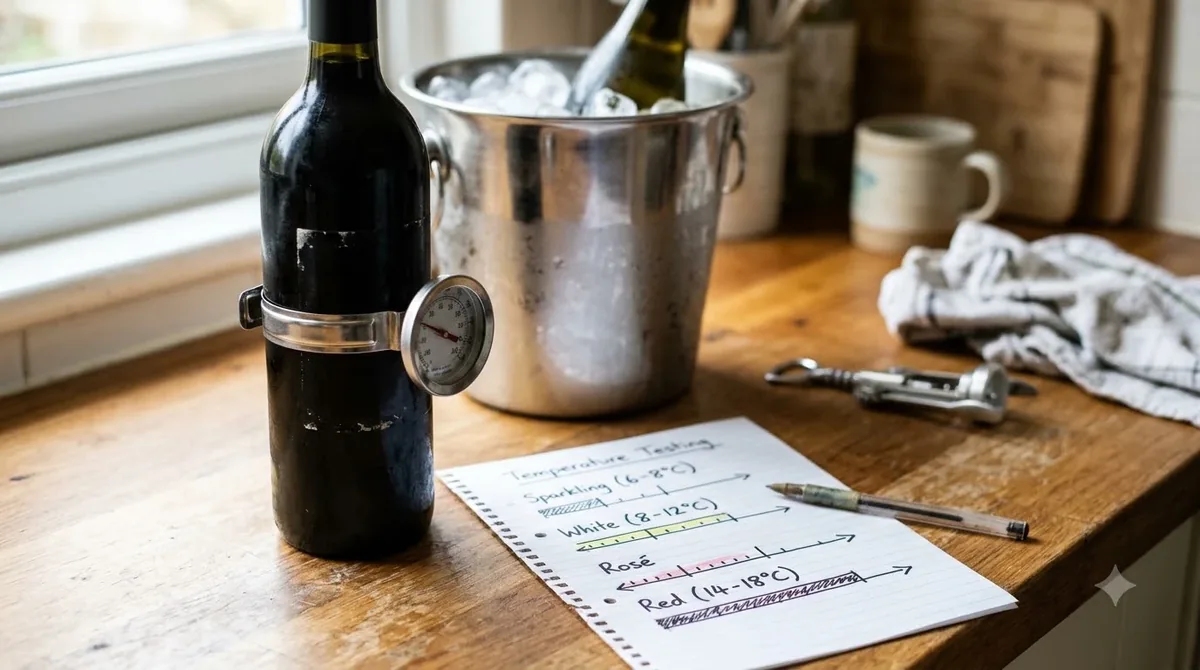
Serving temperature matters a lot for this grape. Wine Folly lists a serving range of 45 to 55°F (7 to 12°C) for Sauvignon Blanc. Within that range, the wine stays crisp and shows its aromatics clearly. Wines served too warm can taste flat, while wines served too cold can hide their aroma.
A simple way to reach that range is to chill the bottle in the refrigerator for a few hours before pouring. If you are short on time, an ice bucket with water and ice for about twenty to thirty minutes works well. Use a white wine glass with a moderate bowl, which helps concentrate the herbal and citrus aromas without losing freshness.
Most Sauvignon Blanc is meant to be drunk young, so the bottle you buy will usually be at its best within a year or two of the vintage. For more on how cool the wine should be, read the guide on how cold to serve sauvignon blanc, which covers chilling in more detail.
Tip: Pour smaller amounts and keep the rest in the refrigerator. The wine stays fresher, and you can enjoy the aromas as it slowly warms in the glass.
Food Pairings That Work Well With Sauvignon Blanc
The simplest rule for pairing is to match green with green. Wine Folly says that herbs such as parsley, basil, mint, dill and rosemary tend to work well with the wine. Herb-driven sauces over chicken, fish or tofu are a natural fit because the herbs echo the aromas in the glass.
Fish and shellfish also pair well, especially lighter preparations. Sources list haddock, cod, trout, crab, lobster and mussels as good matches. Goat cheese is a classic partner, and the sharp acidity of the wine cuts through creamy, tangy cheeses. Vegetables with green character, such as asparagus, green beans and zucchini, are another easy choice.
Spicy Thai and Vietnamese dishes can also work, since the wine’s herbal notes complement fresh herbs and citrus in those cuisines. Start with a simple pairing at home, then try the wine with a few different dishes to see how the flavors shift. A light meal with fresh ingredients usually gives the best balance.
How to Buy and Store Sauvignon Blanc
When you shop, the label can tell you a lot. Look for the region, the producer, and whether the wine mentions oak or lees aging. A label that names the Loire Valley or Marlborough usually points to a crisp, citrus-driven style, while a label that mentions Bordeaux or oak may suggest a richer wine.
For storage, keep bottles in a cool, dark place, and avoid heat and light. Most wines in this style are best enjoyed young, so do not expect a long cellaring window. Wine Folly lists a cellar window of three to five years for the grape, but many people drink it sooner to enjoy the fresh fruit and acidity. Check the producer’s website or the back label for specific guidance.
If you are still learning the styles of white wine, the Wine by Type section covers the main grape families and helps you compare options side by side. Taking a few notes on the bottles you enjoy will help you choose faster next time.
Frequently Asked Questions
Is sauvignon blanc a dry wine?
Most sauvignon blanc wines are made completely dry. A few producers in places like New Zealand and California leave a small amount of residual sugar for a richer texture. Check the label or the producer’s tech sheet if you want a specific sweetness level.
What does sauvignon blanc taste like?
Sauvignon Blanc usually tastes of lime, green apple, passion fruit and white peach. It also shows herbal notes such as bell pepper, grass and gooseberry. The exact balance depends on ripeness and region.
How cold should sauvignon blanc be served?
Wine Folly lists a serving range of 45 to 55°F (7 to 12°C). Chill the bottle in the refrigerator for a few hours before serving. Avoid serving it too cold, because the aromas become harder to notice.
What foods go well with sauvignon blanc?
Herb-driven dishes, fresh seafood, goat cheese and green vegetables are classic matches. The wine’s acidity helps it cut through creamy or fried foods. Keep the dish light so the wine stays in balance.
The sauvignon blanc grape offers a clear, memorable style once you know its signature green and citrus notes. Compare a few bottles from different regions to see how the flavor shifts. Drink responsibly, and enjoy the wine with simple, fresh food.
More in Wine Types & Grapes
 Zinfandel Sugar Content: Dry Red vs. White Zinfandel GramsUpdated Nov 21, 2026
 Best Zinfandel Substitute Options for Sipping and CookingUpdated Nov 21, 2026
 Zweigelt Food Pairing: Best Dishes, Cheeses, and Serving TipsUpdated Nov 21, 2026
 Zinfandel Tannins Explained: How Structure Shapes Every BottleUpdated Nov 21, 2026
 Zinfandel Sweetness Level: Dry Red vs. Sweet White Zin ExplainedUpdated Nov 21, 2026
 Xinomavro Food Pairing: Best Dishes, Styles, and Serving TipsUpdated Nov 21, 2026