

We may earn a commission when you buy through links on this page, at no extra cost to you. Learn more.
The montepulciano grape is a dark-skinned Italian red variety grown mainly in Abruzzo on the Adriatic coast, where it makes deeply colored wines with soft tannins and dark fruit. It is not related to the Tuscan town of Montepulciano or to Vino Nobile di Montepulciano, which is made from Sangiovese. Most bottles you will see on a shelf are labeled Montepulciano d’Abruzzo.
This guide explains what the montepulciano grape is, where it grows, how its wines taste, and how to choose and serve a bottle. It also covers how the grape compares with Sangiovese and which foods suit it best. If you are new to Italian reds, the sections below build from basic facts to practical buying advice.
What Is the Montepulciano Grape?
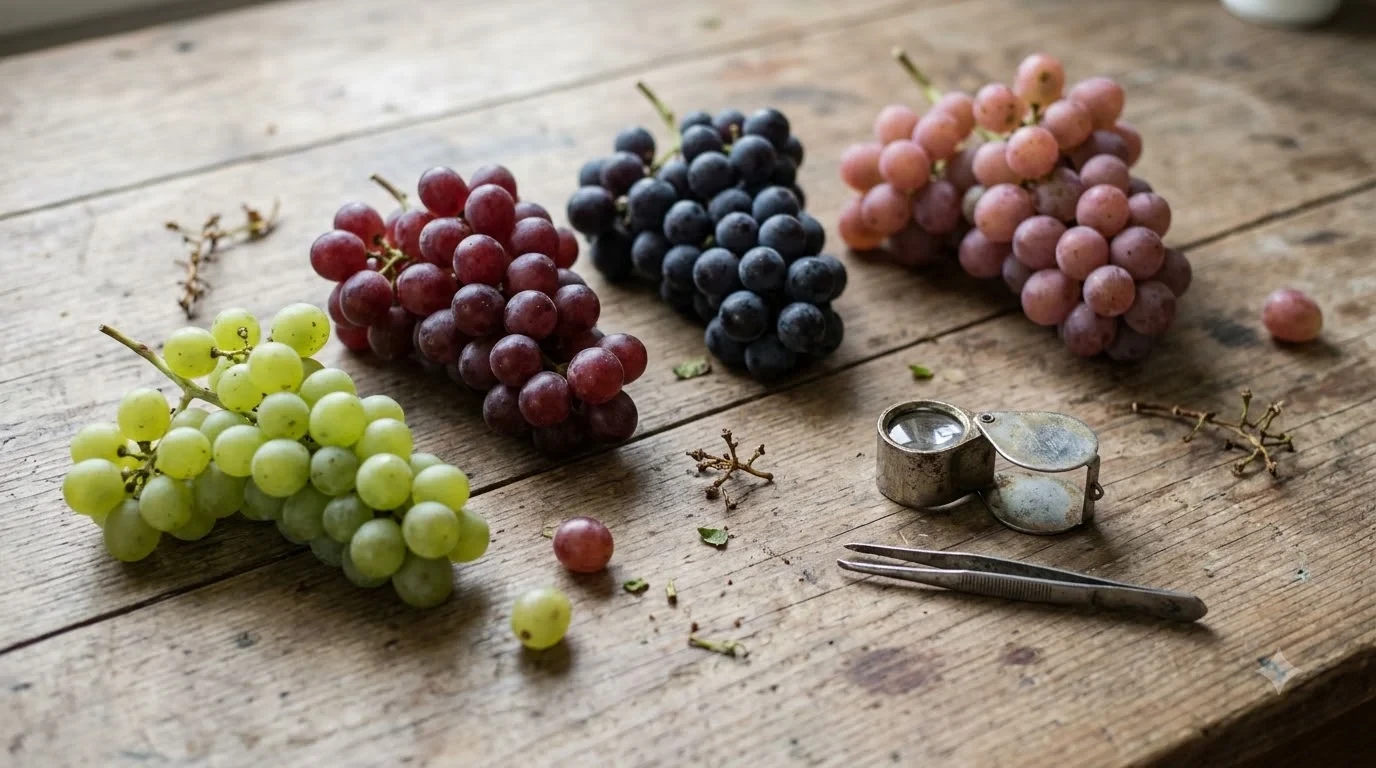
The montepulciano grape is a red wine variety that has been grown in central Italy for generations. Its skins are thick and naturally deeply pigmented, which is why the wines it produces are often so dark in color. Producers use it for both everyday bottles and more serious wines.
Most of the grape’s wines carry the name Montepulciano d’Abruzzo, which is a regional denomination. Sources describe these wines as dry reds that are made primarily from the grape, although blends with up to 15% Sangiovese or other local varieties are permitted. The denomination was first classified as a DOC in 1968, and one sub-zone has since been promoted to the higher DOCG level.
The biggest source of confusion is the shared name. The grape and the town of Montepulciano in Tuscany have nothing to do with each other. If a label says Vino Nobile di Montepulciano, you are drinking a Sangiovese-based wine from Tuscany, not a montepulciano grape wine.
Where Montepulciano Is Grown
The montepulciano grape is grown mainly in Abruzzo, a region in east-central Italy that stretches from the Apennine mountains down to the Adriatic Sea. The region is divided into four provinces, and the grape is planted in all of them. Its geography gives growers a wide range of altitudes and soils, which helps explain why wines from different areas can taste so different.
Abruzzo is largely mountainous, and the interior is much more continental than the coast. Coastal vineyards benefit from a Mediterranean climate and sea breezes, while higher inland sites have bigger temperature swings. According to Apron and Sneakers, a wine blog that covers Abruzzo, Montepulciano d’Abruzzo DOC vines are grown on hilly or plateau land at altitudes that generally stay below 600 meters.
The most distinctive subzone is Colline Teramane, which became Abruzzo’s only DOCG in 2003. Its hillside vineyards sit in the northern province of Teramo, and its rules are stricter than those of the wider DOC. Wines from this area tend to show more acidity and firmer tannins. Other DOC subzones add geographic detail, but quality from them can be less consistent.
Much of the grape’s volume comes from the broader regional DOC, often grown on lower coastal plains. These wines are usually made for early drinking. Quality depends heavily on the producer, so a small estate and a large cooperative can produce very different bottles from the same grape.
Montepulciano Wine Flavor Profile
Montepulciano wines are known for dark fruit, soft tannins and a savory, herbal edge. Young bottles are fruit-forward and easy to drink, while aged bottles show more leather, spice and dried fruit. The style is generous but rarely harsh, which is why many drinkers reach for it on weeknights.
Wine Insiders describes typical flavors as black cherry, plum and blackberry, with notes of dried herbs, black pepper, leather and cocoa. Tannins are usually medium and soft, and acidity sits at a medium to medium-high level. That balance gives the wine enough lift to handle tomato sauces and grilled meats.
| Style level | Typical character | Best use |
|---|---|---|
| Everyday DOC | Soft, fruity, short finish | Weeknight dinners |
| Riserva DOC | More structure, dried fruit and spice | Roasts and stews |
| Colline Teramane DOCG | Firmer tannins, depth, leather and herbs | Special meals and short-term cellaring |
| Cerasuolo d’Abruzzo | Rosé from the same grape, bright cherry tones | Warm-weather meals |
Color is another useful clue. Younger montepulciano wines are typically deep ruby, sometimes close to purple. With age, the rim often shifts toward garnet. Cerasuolo d’Abruzzo, made from the same grape with brief skin contact, is a rosé that still carries the variety’s fruit and depth.
Montepulciano vs. Sangiovese
The two most common Italian reds people compare with montepulciano are Sangiovese wines, such as Chianti and Vino Nobile. Both are dry and food-friendly, but they taste different. Sangiovese tends to be brighter and more tart, while montepulciano is darker and plusher.
Wine Insiders notes that Chianti shows brighter cherry fruit, higher acidity and firmer tannins with a tart, savory finish. Montepulciano d’Abruzzo is typically plusher, darker and softer. If you like a lively, sharp red with high acidity, you may prefer a chianti grape style. If you want something rounder and fuller, montepulciano usually fits better.
Vino Nobile di Montepulciano is a different case. Sources describe it as a Tuscan wine made mainly from Sangiovese, known locally as Prugnolo gentile, with Canaiolo Nero blended in. Because the names look so similar, always check the label for the region and the grape before you assume what is in the bottle.
Food Pairings for Montepulciano
Montepulciano is one of the more flexible Italian reds at the table. Its soft tannins and medium-high acidity make it easy to match with tomato-based dishes, grilled meats and hearty comfort food. It rarely overwhelms a meal.
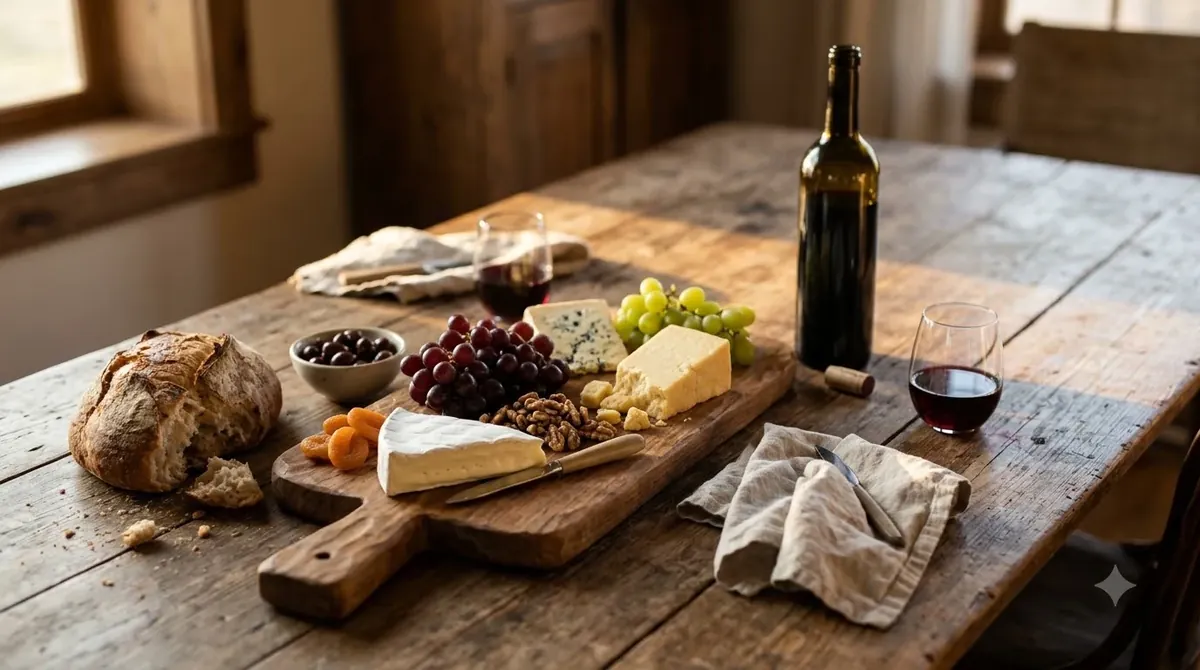
Tomato pasta, pizza and risotto with mushrooms or sausage are classic partners. Lamb is often named as one of the best matches, since its richness complements the wine’s herbal and leathery notes. Grilled steak, roast pork with rosemary and braised short ribs also work well. Aged hard cheeses such as Pecorino Romano and Parmigiano-Reggiano pair nicely, while very soft or very pungent cheeses can overpower the wine.
For vegetarian meals, look at mushroom dishes, lentils and eggplant parmigiana. The wine’s earthy side suits these foods. Drink responsibly, and pace your glass with the meal.
Serving, Storage and Buying Montepulciano Wine
Serving temperature makes a real difference with this grape. According to Wine Insiders, younger DOC bottles are best around 60 to 64 degrees Fahrenheit, while Riserva and DOCG wines show well at 62 to 65 degrees. If your room is warm, a short time in the refrigerator before opening helps. Over-warm montepulciano can taste flabby and alcoholic.
Decanting depends on the style. Everyday bottles need little or no time in a decanter, while Riserva and aged DOCG wines may benefit from 30 to 60 minutes of air. Store bottles on their side in a cool, dark place. Once opened, the source suggests finishing the wine within three to four days and keeping it refrigerated.
When you buy, start by checking the label for Montepulciano d’Abruzzo and the style term, such as Riserva or Colline Teramane DOCG. Producers that appear in recent regional tastings include Emidio Pepe, Masciarelli and Zaccagnini, according to Apron and Sneakers’ overview of Montepulciano d’Abruzzo. Their listings are not rankings, so compare vintages and styles that fit your meal. For a broader view of Italian options, see Wine by Type. You can also compare the catarratto grape from Sicily for a very different Italian red profile.
Frequently Asked Questions
Is montepulciano the same as Vino Nobile di Montepulciano?
No. Montepulciano is a grape grown mainly in Abruzzo, and Montepulciano d’Abruzzo is made from it. Vino Nobile di Montepulciano is a Tuscan wine made mainly from Sangiovese, grown around the town of Montepulciano.
What does a montepulciano wine taste like?
Typical flavors include black cherry, plum, blackberry, dried herbs and black pepper. Tannins are usually soft, and acidity is medium to medium-high. Older bottles can show leather and cocoa notes.
What food goes best with montepulciano d’Abruzzo?
Tomato-based pasta, pizza, grilled lamb and braised meats are common matches. Aged hard cheeses also pair well. The wine’s soft tannins and acidity handle rich and savory dishes without feeling heavy.
Should I decant montepulciano wine?
Decanting is optional for everyday bottles. Riserva and aged DOCG wines often benefit from a longer rest in a decanter. Check the producer’s notes if you are unsure how long your bottle needs.
The montepulciano grape offers a dark, soft and food-friendly red that suits everyday dinners and special meals alike. Start by reading the label for the region and style, then match the wine to your food. For more Italian varieties, explore the guides listed on the wine types page.
More in Wine Types & Grapes
 Zinfandel Sugar Content: Dry Red vs. White Zinfandel GramsUpdated Nov 21, 2026
 Best Zinfandel Substitute Options for Sipping and CookingUpdated Nov 21, 2026
 Zweigelt Food Pairing: Best Dishes, Cheeses, and Serving TipsUpdated Nov 21, 2026
 Zinfandel Tannins Explained: How Structure Shapes Every BottleUpdated Nov 21, 2026
 Zinfandel Sweetness Level: Dry Red vs. Sweet White Zin ExplainedUpdated Nov 21, 2026
 Xinomavro Food Pairing: Best Dishes, Styles, and Serving TipsUpdated Nov 21, 2026