

We may earn a commission when you buy through links on this page, at no extra cost to you. Learn more.
The frontenac grape is a red wine grape bred at the University of Minnesota to survive very cold winters while still producing fruity, approachable wine. It was released in 1996 and is a hybrid of cold-hardy wild North American vines and a complex European-American parent. Its wines usually show cherry and other red fruit, and it has become one of the more widely planted wine grapes in its home state.
This guide explains where the frontenac grape came from, how its wines taste, where American growers plant it, and which foods suit its bright acidity. If you live in a cold region or simply want to understand this unusual variety, the sections below cover what you need to know before you pour a glass.
What Is the Frontenac Grape?
The frontenac grape is an interspecific hybrid, which means it combines genetics from more than one Vitis species. Breeders at the University of Minnesota developed it to give growers a wine grape that could handle winters that would kill most European vines. The result is a variety that blends hardiness with a fruit-forward character.
According to the Wikipedia entry on the Frontenac grape, the variety is half Vitis riparia and half Landot noir by parentage. Vitis riparia is a native riverbank grape from North America, and its contribution is a large part of why the vine tolerates cold so well. Landot noir adds the red-wine color and fruit that make the wine approachable.
Because the variety has a short history, you will find it described mostly by university programs, nurseries and regional winemakers rather than in long-established wine literature. That makes it useful to read several sources before you decide whether it suits your garden or your wine shelf.
Origin and Development Over Time
The frontenac grape was released in 1996 after years of crossbreeding work. Its early success came from the promise it showed for very cold regions where classic wine grapes rarely survive. Growers in those areas had few reliable red options, so the release drew attention across the northern United States and into Canada.
The family grew over the following years. A white version called Frontenac gris was introduced in 2003, and it began as a single bud mutation of the red variety. That mutation produced gray-colored fruit and amber-tinted juice, which gave winemakers a second option from the same genetic line. Frontenac blanc followed in 2012, arising from white-fruited mutations found in both Frontenac and Frontenac gris vines.
This history matters when you shop. The name Frontenac can refer to the original red, the gris, or the blanc, and each one produces a different style of wine. Check the label or producer notes to confirm which version you are buying.
Flavor Profile and Aromas
Frontenac wines are known for bright fruit and lively acidity rather than heavy tannin. The red version typically shows cherry and other red fruit, while the gris version leans toward stone fruit and citrus. The table below summarizes the general differences described by university and nursery sources.
| Version | Typical wine color | Common aromas and flavors | Typical wine styles |
|---|---|---|---|
| Frontenac (red) | Red to deep ruby | Cherry and other red fruit | Dry red, rosé, fortified wine in a port style |
| Frontenac gris | Pale, amber-tinted juice | Peach, apricot, citrus and tropical notes | Dry white, dessert and ice wine |
| Frontenac blanc | White | Distinct from gris, still being characterized | Early trial wines, with more study ahead |
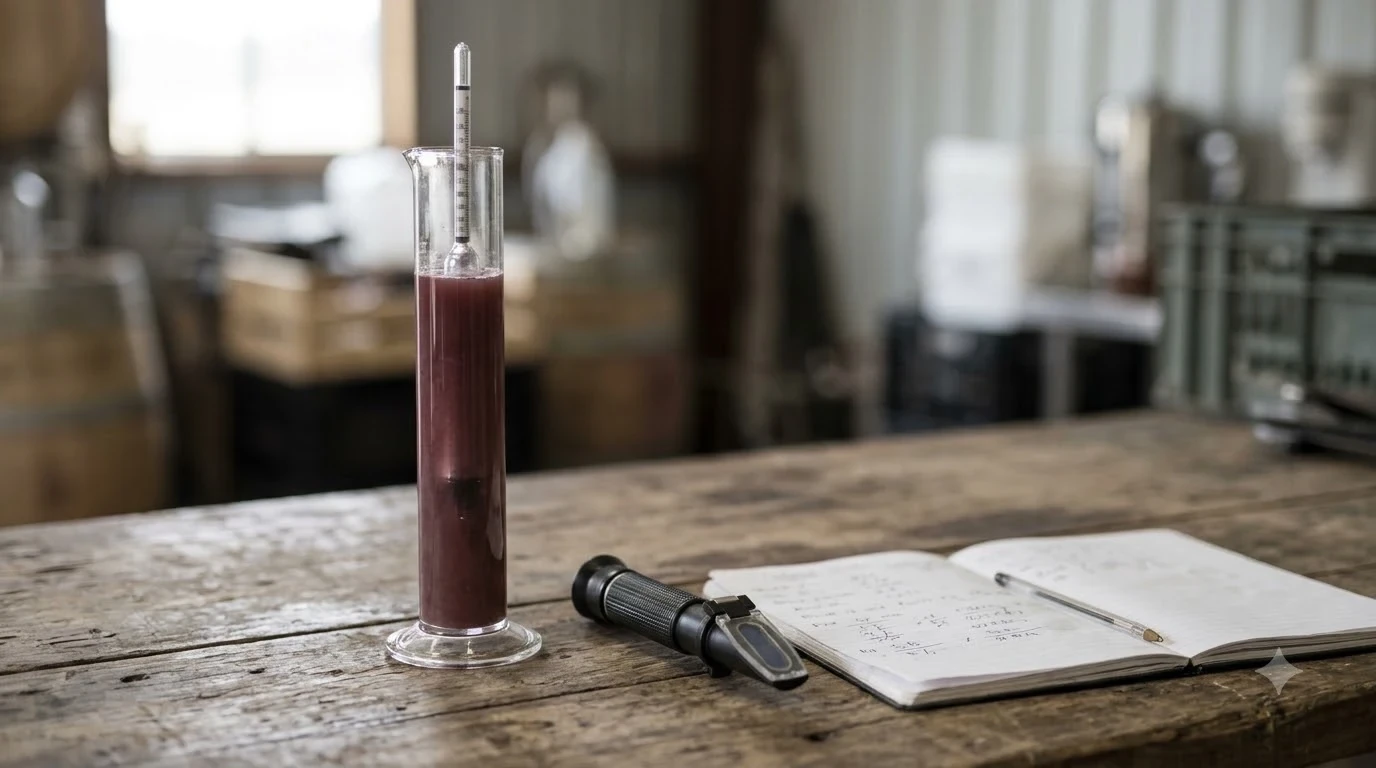
The acidity is one of the defining features of the variety. Winemakers often find that sugar levels alone do not tell them when the fruit is fully ripe, because the acid and pH profile can be unusual. That challenge means that the wine can taste fresh and tart even when the fruit seems ready. Taste the wine yourself and look for a balance of fruit and tang rather than expecting a soft, round style.
Tip: If you are new to the variety, serve a Frontenac red slightly cooler than a typical red wine. The bright acidity will feel more balanced and the fruit will stand out more clearly.
Where Frontenac Is Grown in the United States
The frontenac grape is mostly planted in the northern and northeastern parts of the country, where cold winters are a real concern for vines. Its performance in cold weather is the reason it appears across the northeastern United States and in parts of Canada. Growers in colder zones often choose it because it can survive temperatures that would damage many traditional wine varieties.
Minnesota is the variety’s home base. Among the wine grapes planted in that state, Frontenac is one of the four most commonly planted, alongside Frontenac gris, La Crescent and Marquette. Its presence there reflects both its hardiness and the state’s long tradition of cold-climate grape breeding. Vineyards in other northern states also use it when they need a reliable red or rosé.
The vine is quite vigorous and resists several common fungal problems. Growers still need to manage powdery mildew, botrytis and other pressures, so a well-ventilated site and regular canopy care matter. If you are considering planting, check the hardiness zone guidance from your local extension office and confirm which strains are available in your area.
Winemaking Styles and Food Pairings
Frontenac has been used for dry red wines, rosé and fortified wine in the style of port. Each style shows a different side of the grape. The red wines bring cherry flavor and a fresh finish, while the gris often suits drier white or dessert styles. Reviewers at university programs also describe unique and complex flavors that make the grape suitable for dessert and ice wines.
For food pairing, match the acidity first. A bright red made from this variety pairs well with grilled sausages, roast chicken, mushroom dishes and tomato-based pasta. Its cherry notes also suit pork with fruit sauces. The gris style works with fish, goat cheese, salads with citrus dressing, and lightly spiced Asian dishes, where the peach and citrus notes can lift the flavors on the plate.
Dessert styles call for a different approach. Pair a sweet Frontenac-based wine with fruit tarts, mild cheeses or simple cakes rather than very sweet chocolate. Always drink responsibly and pace your glasses, especially with fortified styles that carry more alcohol than table wine.
How to Buy and Store Frontenac Wine
Start by reading the label for the exact version and style. Frontenac red, Frontenac gris and Frontenac blanc each taste different, and a generic name can hide a wide range of sweetness and body. Look for the words dry, off-dry or dessert, since those terms tell you more than the grape name alone. Many small producers also publish tasting notes on their websites, which can help you match a bottle to your taste.
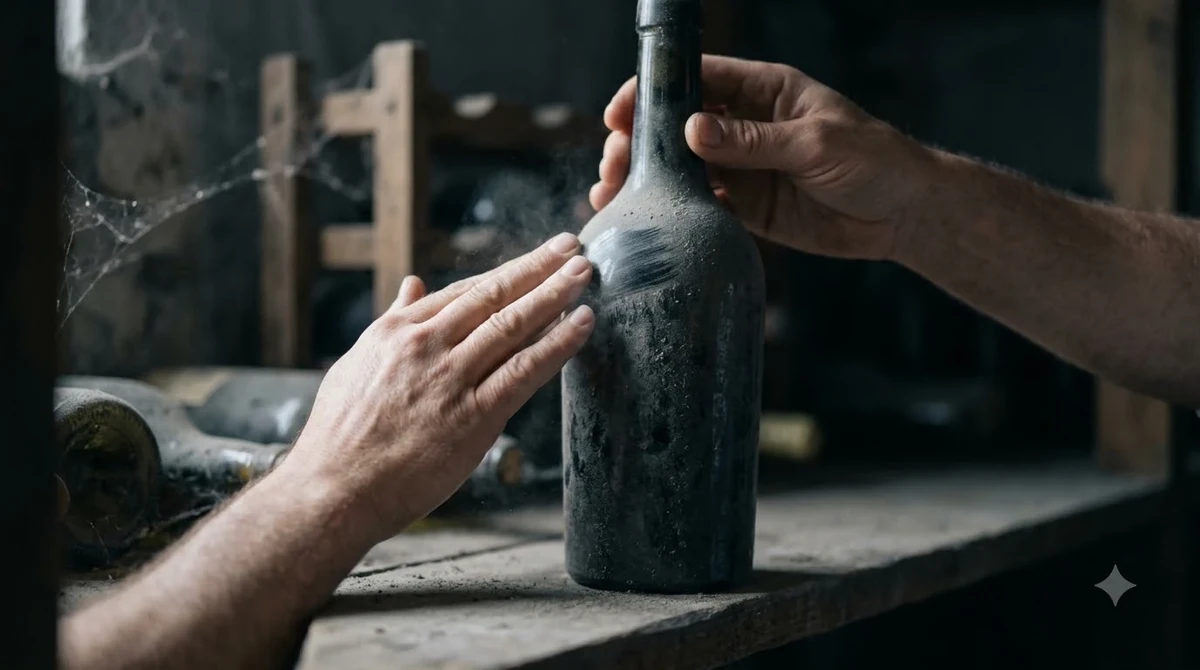
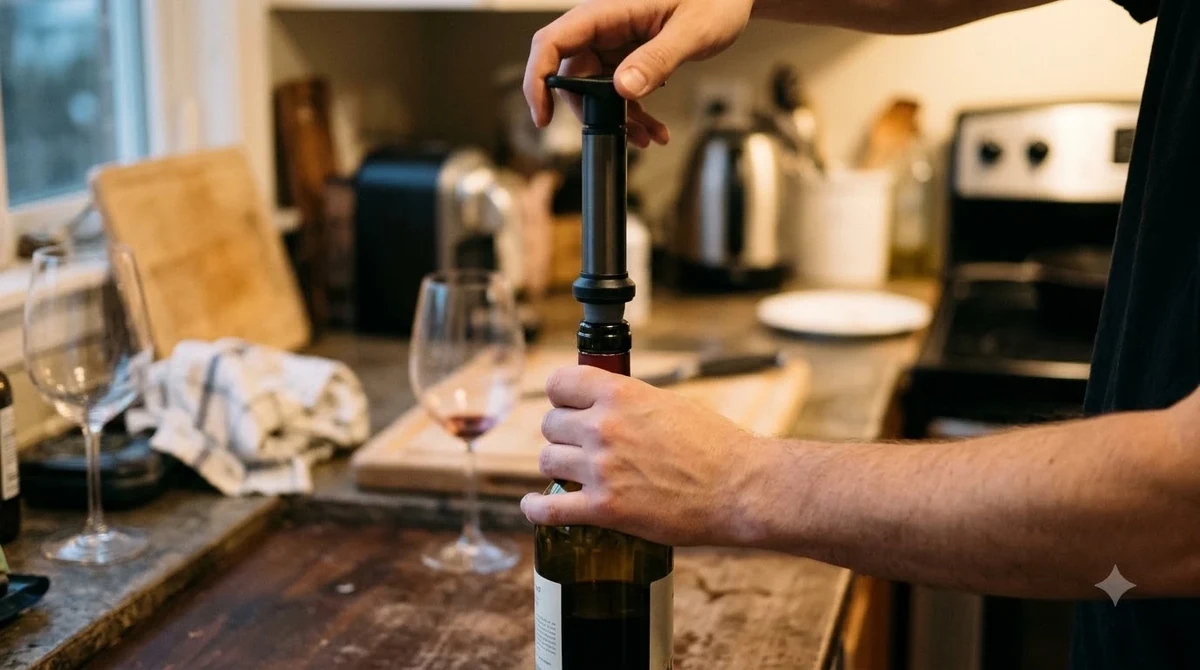
Storage follows general wine rules. Keep bottles in a cool, dark place away from heat and direct sunlight. Store them on their side if they have natural corks, and keep the room temperature steady. Light, fresh red and white styles are usually best enjoyed within a few years, while fortified wines can keep longer once opened if you recork them and refrigerate them.
When buying for a gathering, check how the wine was made. A sweet dessert style and a dry red serve very different purposes at a table. Ask a retailer or winemaker for guidance, and read the producer’s description to confirm whether the bottle fits your plans.
Frontenac vs. Other Cold-Hardy Grapes
Frontenac is one of several grapes developed for cold climates, and it often gets compared with La Crescent and Marquette from the same state. La Crescent is a white variety from the same Minnesota breeding program, and its wines are often described with citrus and apricot aromas. Frontenac red stands out because it gives growers a fruity red option in a region where red choices are limited.
Compared with warm-climate wines, the frontenac grape is more about freshness than body. A wine made from a classic Italian red such as the chianti grape tends to show more structure and tannin, while Frontenac wines are usually lighter and brighter. For a white comparison in a warmer setting, the colombard grape offers crisp acidity with a different aroma profile. The catarratto grape from Sicily is another example of a white variety grown in a very different climate.
The choice comes down to where you live and what you want in the glass. If you need a grape that survives harsh winters and gives you a fruity red or a bright white, Frontenac is a strong candidate. If you have a mild climate and want a structured, age-worthy red, you may prefer a traditional European variety. The Native Foods Nursery wine grape guide explains that both Frontenac gris and Leon Millot draw their toughness from wild North American grapes, which shows how the cold-hardy category shares a common heritage.
Frequently Asked Questions
What does a frontenac grape wine taste like?
The red version usually shows cherry and other red fruit with bright acidity. The gris version leans toward peach, apricot and citrus. Both styles tend to feel fresh and lively rather than heavy or very tannic.
Is frontenac a red or white grape?
The original Frontenac is a red grape. Frontenac gris is a white version that came from a bud mutation, and Frontenac blanc is another white variant introduced later. Always check the label to see which one you are buying.
Where is frontenac grown in the United States?
Frontenac is mostly planted across the northern and northeastern United States, with Minnesota as its home base. It is one of the most commonly planted wine grapes in that state. Growers in other cold regions also plant it for its hardiness.
How cold can frontenac vines survive?
The Wikipedia entry on the variety reports that it is cold hardy down to about minus 35 degrees Fahrenheit. Actual survival depends on site, snow cover and vine care, so check local extension guidance before planting.
The frontenac grape offers a practical answer for cold-climate vineyards and home growers who still want fruity wine. Start with the red or gris style to see which one you enjoy, then explore related cold-hardy varieties. You can browse more grape guides in Wine by Type to compare other styles.
More in Wine Types & Grapes
 Zinfandel Sugar Content: Dry Red vs. White Zinfandel GramsUpdated Nov 21, 2026
 Best Zinfandel Substitute Options for Sipping and CookingUpdated Nov 21, 2026
 Zweigelt Food Pairing: Best Dishes, Cheeses, and Serving TipsUpdated Nov 21, 2026
 Zinfandel Tannins Explained: How Structure Shapes Every BottleUpdated Nov 21, 2026
 Zinfandel Sweetness Level: Dry Red vs. Sweet White Zin ExplainedUpdated Nov 21, 2026
 Xinomavro Food Pairing: Best Dishes, Styles, and Serving TipsUpdated Nov 21, 2026