

We may earn a commission when you buy through links on this page, at no extra cost to you. Learn more.
Sicily wineries range from high-altitude volcanic estates on Mount Etna to historic fortified-wine cellars in Marsala, and most of them make wine from native grapes. The island is Italy’s largest wine region, with a large number of producers and more than 60 native grape varieties. Knowing which zone a winery sits in tells you a lot about the style you will taste.
This guide explains where the main Sicily wineries are located, which grapes they grow, and how to plan a visit or buy bottles in the United States. It also shows how the island’s volcanic soils and indigenous grapes set it apart from mainland Italy. Use it as a map before you choose which producers to research further.
What Makes Sicily a Standout Wine Region
Sicily is one of the most distinctive wine regions in Italy because of its grape varieties more than its soils alone. According to the Napa Valley Wine Academy’s Sicilian regional guide, the island is home to roughly 530 wineries and more than 60 native grape varieties. That combination gives Sicilian wine a character that is hard to copy elsewhere.
The island’s history also explains its wine culture. Vines have been cultivated there for thousands of years, and many different peoples shaped its winemaking over time. Phylloxera damaged many vineyards in the 1800s, and many estates later returned to native grapes and quality-focused work. The Sicilia DOC, the island-wide appellation, was created in 2011 to protect and promote that identity.
Major Wine Zones: Etna, Marsala, Vittoria and Beyond
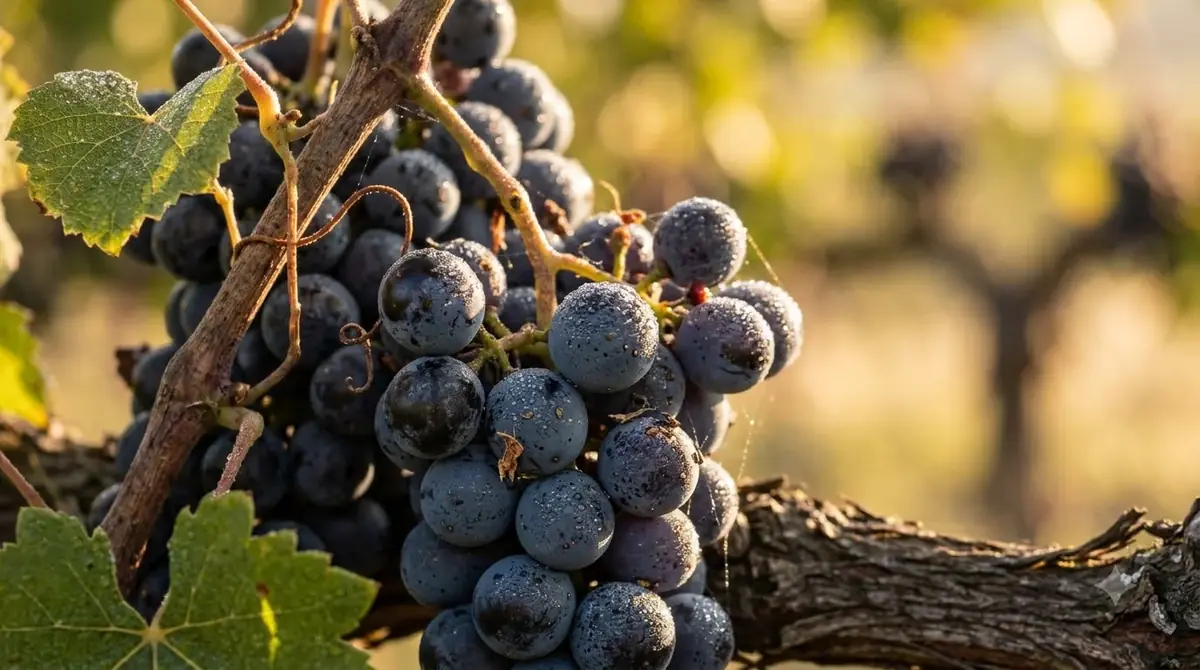
Sicily’s wine zones differ sharply in climate, altitude and soil, so the wines from each area feel very different. The east, the southeast and the west each have a signature style that reflects local conditions. Start with the zone you are most curious about, then move to neighboring areas.
| Zone | Setting | Typical wines |
|---|---|---|
| Etna | High-altitude volcanic slopes on the east side of the island | Elegant, high-acid reds from Nerello Mascalese and whites from Carricante |
| Vittoria | Warm, sunny southeast with sandy red soils over limestone | Cerasuolo di Vittoria blends and fragrant Frappato |
| Marsala | Western coast with limestone soils and sea breezes | Fortified wines in several styles, plus structured whites |
| Pantelleria | Small volcanic island south of the mainland | Intensely aromatic sweet wines from Zibibbo |
Etna is the most dramatic zone. Vineyards climb the slopes of Europe’s highest active volcano, and reviewers often describe its wines as fresh and mineral-driven. Vittoria, in the southeast, is warmer and produces the only DOCG on the island, Cerasuolo di Vittoria, which blends Nero d’Avola with Frappato.
Marsala is different because its identity comes from winemaking technique. The area is known for fortified wines aged in wood, sold in several color and sweetness levels. If you want to understand the island’s oxidative styles, Marsala is the place to start.
Top Sicilian Wineries to Know
Several Sicily wineries have shaped the island’s reputation for quality. Planeta is one of the most recognized names, with lines in Etna and Vittoria that reach a global audience. Benanti is often cited as a pioneer of Etna’s quality revival, known for age-worthy whites.
In Vittoria, COS is noted for organic and amphora-aged styles, while Occhipinti is known for elegant, terroir-driven wines. In Marsala, Cantine Florio was founded in 1833 and is described as a pioneer of classic styles. Marco De Bartoli and Curatolo Arini are also cited for their artisanal and historic approaches. On Pantelleria, Donnafugata’s Ben Ryé is often mentioned among the most acclaimed sweet wines.
Producer lists change as estates evolve, so check each winery’s current website before you plan a trip. A short list helps you narrow your choices, but it is not a ranking. Compare the estates’ own descriptions of their wines and vineyards to find the styles you like.
Indigenous Grapes Grown Across Sicily
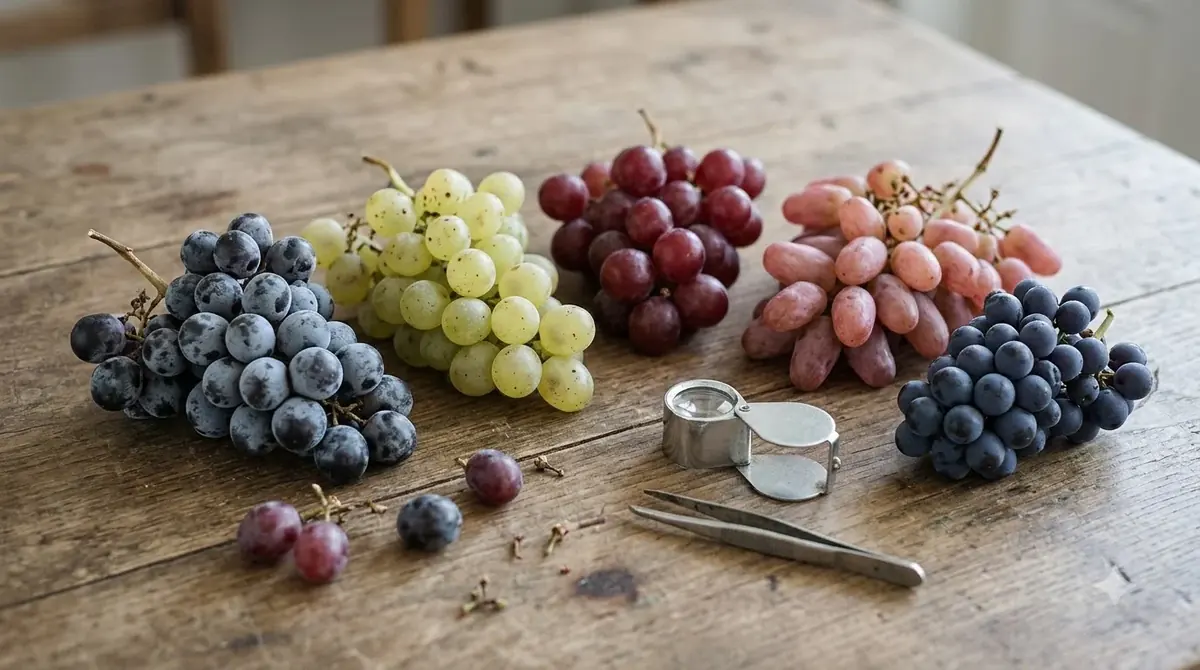
The grapes are the heart of the Sicilian story. Nero d’Avola is the island’s most planted red grape and is found across the whole region. It can make fresh, fruity wines or fuller, age-worthy bottles with soft tannins, depending on the producer.
Catarratto is the most widely planted white, and it is now used for fresh, mineral wines with floral and citrus notes. Grillo, once used mainly for Marsala, has returned as a quality white with pronounced aromatics. Carricante, the white of Etna, brings high acidity and a saline, flinty edge.
Other varieties are worth exploring. Frappato is light and fragrant, Nerello Mascalese is the main Etna red, and Zibibbo is the aromatic grape behind Pantelleria’s sweet wines. Perricone and Inzolia are gaining attention as well, and Nocera is a rare heritage variety that some estates are reviving.
Tip: When a label names a grape, you learn more about the style than the place name alone can tell you. Look for the grape on the back label before you choose.
Visiting Sicily Wineries: Tours and Tasting Tips
Visiting a Sicilian estate is a good way to see how the island’s terrain shapes its wines. Many producers offer tastings and tours, but policies, languages and booking methods vary. Contact each winery directly before you travel, and confirm opening days, since some estates are small family operations.
Plan your route by zone. Etna wineries are spread across the mountain’s slopes, while the Marsala and Vittoria areas are farther apart. Allow extra time for driving on rural roads, and arrange a designated driver or a tour service so you can taste responsibly.
- Choose one or two zones rather than the whole island.
- Check each winery’s website for tasting hours and reservation rules.
- Ask which grapes and styles the tasting will include.
- Plan food for the day, since Sicilian tastings often pair with local dishes.
- Arrange transport before you start drinking.
If you want to compare Sicily with other regions, the Wine Regions section of this site covers how climate and soil shape wine styles elsewhere. Visitors who already know California often find the Sicilian approach to native grapes very different from the varietal focus common there, as described in the Russian River Valley wineries guide.
How to Buy Sicilian Wine in the United States
Sicilian wine is widely exported, but the range you find can vary by shop and by state. Wine shops with strong Italian sections are the most likely to carry Etna, Vittoria and Marsala bottles. Ask the staff which bottles reflect the zones and grapes you want to try.
Read the label carefully. Look for the appellation, such as Etna DOC, Cerasuolo di Vittoria DOCG or Marsala DOC, and check the grape names. Marsala labels also list a color and sweetness level, which helps you choose between a dry style and a sweeter dessert style.
Prices and availability change over time, so compare options at the time of purchase. Ask your retailer about storage and recent vintages. Serve wines at the temperatures listed by the producer or the retailer, and drink responsibly.
Frequently Asked Questions
Which part of Sicily has the best known wineries?
Etna, Vittoria and Marsala are the zones most often cited for quality and distinctive styles. Each area has a different climate and soil, which gives its wines a clear identity. The right choice depends on whether you prefer elegant reds, fragrant blends or fortified wines.
What grapes are Sicily known for?
Nero d’Avola is the most planted red grape, and Catarratto is the most planted white. Carricante, Nerello Mascalese, Grillo, Frappato and Zibibbo are also widely discussed. Sicily has more than 60 native varieties, so there is plenty to explore.
Is Sicilian wine different from mainland Italian wine?
Many Sicilian wines feel different because of the island’s volcanic soils, sea breezes and heavy reliance on native grapes. The climate is Mediterranean, with hot, dry summers. These conditions often produce wines with fresh acidity in cooler zones and rich fruit in warmer ones.
Do I need to book ahead to visit a Sicilian winery?
Many estates recommend booking, especially for guided tours and food pairings. Policies differ from one winery to the next, so check each website or contact the estate directly. Plan transport in advance and avoid driving after tasting.
Sicily rewards readers who look beyond a single name and explore its zones and native grapes. Start with Etna, Vittoria or Marsala, then compare the styles you enjoy most. For broader background, return to the Yarra Valley wineries guide to compare how another region approaches its grapes.
More in Wine Regions
 Willcox Wine Trail: Discover Arizona’s High-Elevation Wine CountryUpdated Nov 20, 2026
 Yakima Valley Wine Region: Find the Best Styles to TryUpdated Nov 20, 2026
 Vosne Romanee Wine Tasting: Identify Aromas and Choose Better PairingsUpdated Nov 20, 2026
 Yakima Valley Wine Festival: Find the Best Seasonal Wine EventsUpdated Nov 20, 2026
 Wales Vineyards: Discover Cool-Climate Wines and Where to VisitUpdated Nov 20, 2026
 Yountville Wine Festival: Discover Napa Wines and Local FoodUpdated Nov 20, 2026