


We may earn a commission when you buy through links on this page, at no extra cost to you. Learn more.
The best etna wineries include Benanti, Tenuta delle Terre Nere, Cottanera, Tornatore, I Vigneri, and Palmento Costanzo, each offering a distinctive introduction to Sicily’s volcanic vineyards. The right estate depends on whether you prefer elegant Nerello Mascalese reds, mineral-driven Carricante whites, traditional winemaking, or a leisurely vineyard experience. Exploring the northern and eastern slopes gives you the opportunity to understand why wines from different parts of Mount Etna can taste remarkably different.
Mount Etna is one of Italy’s most distinctive wine destinations, with vineyards spread across an active volcano in eastern Sicily. Its combination of high-altitude growing conditions, volcanic soils, indigenous grapes, and historic wine villages makes it particularly rewarding for visitors who want more than a conventional tasting-room experience. Some estates focus on individual vineyard parcels, while others combine cellar tours, regional food, and accommodation. This guide explains which wineries deserve consideration, how to compare their experiences, and how to plan a productive wine-tasting trip.
Who Should Visit Etna’s Wineries
Etna’s wineries suit travelers who appreciate regional character, distinctive grape varieties, and the connection between geography and wine. They are especially interesting for visitors who already enjoy Pinot Noir, Nebbiolo, or high-acidity Italian whites and want to discover another expression of Mediterranean winemaking.

Wine enthusiasts interested in reds should pay particular attention to Nerello Mascalese. This indigenous Sicilian grape produces relatively pale wines with lively acidity, fine tannins, and flavors that can include red cherry, wild strawberry, dried herbs, and earthy mineral notes. Etna Rosso is generally a more restrained alternative to powerful, deeply colored Mediterranean reds. Visitors who prefer structured but elegant wines will find plenty to explore at northern Etna estates.
White-wine drinkers should concentrate on Carricante, the principal grape associated with Etna Bianco. Its citrus character, fresh acidity, and mineral impressions make it a compelling choice for people who enjoy dry whites. The eastern village of Milo is particularly important for this style, making wineries such as Barone di Villagrande and I Vigneri worthwhile considerations.
First-time wine travelers can also enjoy Etna without extensive technical knowledge. Estates such as Tornatore and Cottanera provide opportunities to learn about local varieties and the mountain’s growing conditions through guided visits and tastings. A good introductory experience should explain the difference between Etna Rosso and Etna Bianco, identify the principal grapes, and show how vineyards and cellar practices influence the finished wines.
Travelers who prioritize food should look for wineries that offer more than a short tasting flight. Palmento Costanzo, Firriato Cavanera Etnea, and Murgo are interesting candidates because their visitor experiences connect wine with local hospitality, historic architecture, or food. These estates can be particularly appealing to couples and small groups planning a relaxed day rather than a technical wine seminar.
Etna is also a good destination for travelers interested in traditional agricultural landscapes. The mountain has old vineyards, stone terraces, historic wine presses, and small vineyard districts known as contrade. If you enjoy exploring the regional identity of American wine destinations, comparisons with the best Temecula wineries can also illustrate how different climates and landscapes shape winery tourism.
Key Factors to Compare When Choosing a Winery
The best winery is not necessarily the largest or most famous estate. Compare its location, grape varieties, tasting format, and approach to hospitality before deciding where to spend your time.
| Comparison factor | What to look for | Why it matters |
|---|---|---|
| Location | North, east, or southeast slope | Determines vineyard character and travel logistics |
| Main red grape | Nerello Mascalese | Introduces the signature Etna red style |
| Main white grape | Carricante | Shows the region’s fresh, mineral white wines |
| Red appellation blend | At least 80% Nerello Mascalese | Provides a useful benchmark for Etna Rosso |
| White appellation blend | At least 60% Carricante | Provides a useful benchmark for Etna Bianco |
| Etna Bianco Superiore | At least 80% Carricante | Highlights the importance of the local white grape |
| Reservation format | Appointment or scheduled tasting | Prevents wasted travel time |
| Visit duration | Cellar tour, vineyard walk, or extended tasting | Helps match the experience to your schedule |
The grape percentages provide a practical starting point. According to WineRoads Italy’s explanation of the Etna appellations, Etna Rosso must contain at least 80% Nerello Mascalese, while Etna Bianco requires at least 60% Carricante. Etna Bianco Superiore requires at least 80% Carricante. These requirements help visitors understand the basic composition of the wines they encounter during tastings.
Location deserves equal consideration. Northern Etna is particularly attractive to red-wine enthusiasts because several well-known producers operate around Passopisciaro, Solicchiata, Castiglione di Sicilia, and Randazzo. The eastern side, including Milo and Santa Venerina, is a compelling alternative for people interested in Carricante, coastal influences, and food-focused winery visits.
Consider the actual tasting experience rather than relying exclusively on the producer’s reputation. A visit featuring three or four wines from different vineyard parcels may be more educational than a larger tasting of unrelated bottles. Ask whether the experience includes a vineyard walk, cellar explanation, food pairing, or comparison of different contrade.
Another important consideration is accessibility. Most Etna estates are not convenient for spontaneous visits on foot, and mountain roads can make short distances take longer than expected. A winery that looks close on a map may require a substantial drive from your accommodation. Visitors staying in Catania, Taormina, or Linguaglossa should build their winery choices around a realistic route.
Tip: Prioritize two wineries with contrasting vineyard locations over four estates clustered into an exhausting schedule. Comparing a northern Etna Rosso with an eastern Carricante-based white can teach you more about the mountain’s diversity than rushing through several similar tastings.
Step-by-Step Guide to Planning an Etna Winery Visit
A successful Etna wine trip begins with choosing the right side of the mountain and arranging appointments before traveling. The following steps help organize a tasting itinerary without spending most of the day driving.
- Choose your starting location. Identify whether you will be staying in Catania, Taormina, Linguaglossa, or another Sicilian town. Catania is convenient for southeastern estates such as Benanti, while Taormina and Linguaglossa provide useful starting points for exploring northeastern and northern vineyards.
- Decide which wines interest you most. Choose Nerello Mascalese and Etna Rosso if you prefer elegant reds. Select Carricante and Etna Bianco if you enjoy crisp, mineral whites. Visitors interested in both should arrange contrasting tastings rather than concentrating exclusively on one style.
- Select two or three suitable estates. Consider a combination of a larger family winery and a smaller producer. For example, Tornatore and Cottanera offer northern-slope experiences, while Benanti provides a useful southeastern comparison.
- Contact each winery directly. Ask about available dates, tasting languages, the number of wines included, visit duration, and whether vineyard access is part of the experience. Many estates operate by reservation rather than accepting walk-in visitors.
- Arrange transportation. Use a designated driver, private driver, or organized wine tour. Visitors who plan to taste at multiple wineries should avoid driving after consuming alcohol.
- Leave room for lunch and sightseeing. Mountain roads, vineyard visits, and cellar tours can take longer than anticipated. Allow enough time to enjoy regional food and explore villages such as Castiglione di Sicilia or Milo.
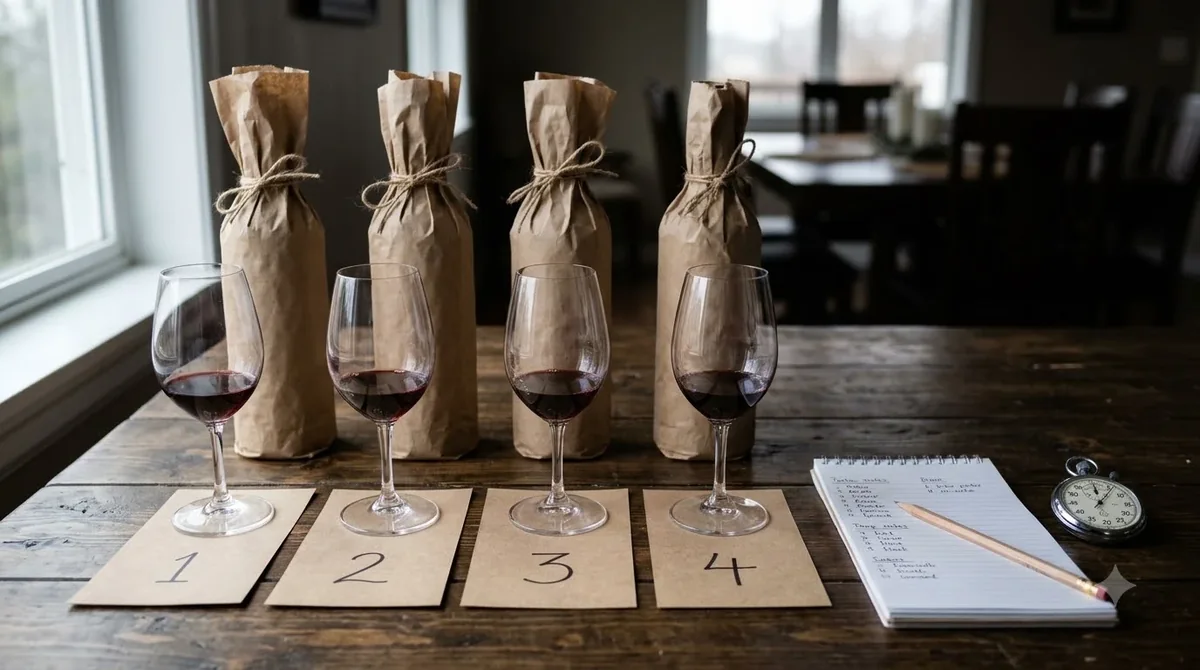
- Keep tasting notes. Record the producer, grape variety, vineyard district, vintage, and characteristics of each wine. Comparing acidity, tannin, fruit character, and texture helps identify the styles you prefer.
For a first itinerary, northern Etna offers an efficient concentration of wineries. You might arrange a morning appointment at Tornatore, enjoy lunch in the Castiglione di Sicilia area, and schedule an afternoon visit at Cottanera or another nearby producer. This route gives you an introduction to the area’s principal red grape and the influence of individual vineyard locations.
An eastern itinerary offers a different experience. Begin near Santa Venerina, continue toward Milo, and concentrate on Carricante-based wines. Barone di Villagrande and I Vigneri are useful names to investigate when building this type of trip. The scenery also provides a contrast to the darker volcanic landscapes commonly associated with the northern vineyards.
Visitors with only one day should avoid attempting to circle the entire mountain. Etna’s scale, winding roads, and changing elevation make an ambitious itinerary less enjoyable than a carefully selected pair of appointments. For additional planning inspiration, the best Paso Robles wineries guide offers another example of organizing winery visits around geographic clusters.
For further regional background, Decanter’s wine lover’s guide to Etna provides useful context on the mountain’s contrade, indigenous grapes, vineyard landscape, and visitor experiences.
Etna Winery Types and Styles Explained
Etna’s wineries vary considerably in scale, philosophy, and visitor experience. Understanding the main categories makes it easier to select producers that match your interests and preferred wines.
Traditional and heritage-focused estates
Traditional producers emphasize indigenous grapes, historic vineyards, and established agricultural practices. Benanti and I Vigneri are useful starting points for visitors interested in the relationship between Etna’s winemaking heritage and modern interpretations of the region.
Benanti operates in Viagrande on the southeastern side of the mountain. Its vineyards include centenary Nerello Mascalese and Nerello Cappuccio vines on Monte Serra, while its Pietramarina is an important example of Carricante-based Etna white wine. The estate is particularly interesting for visitors who want to understand both red and white expressions of the region.
I Vigneri, associated with Salvo Foti and his son Simone Foti, offers another perspective on traditional Etna viticulture. Its eastern-slope vineyards reach elevations of up to 1,300 meters. The estate’s emphasis on indigenous grapes and traditional practices makes it especially relevant to visitors interested in the historical character of the mountain.
Modern, vineyard-focused producers
Some Etna producers place particular emphasis on individual vineyard sites, or contrade. This approach is useful for understanding the differences between neighboring growing areas, including variations in altitude, exposure, and volcanic soils.
Tenuta delle Terre Nere is a strong name to investigate for this style. Its work with individual vineyard districts makes it particularly interesting to wine enthusiasts who want to compare expressions of Nerello Mascalese from different parts of northern Etna. The estate’s Contrada Calderara location near Randazzo provides a useful geographic reference when exploring the area’s vineyards.
Another producer worth considering is Frank Cornelissen. His approach to Etna wine is associated with minimal-intervention winemaking and distinctive old-vine vineyards. Visits are appointment-only, making advance planning particularly important.
Family estates with structured tasting experiences
Family-run wineries can be particularly suitable for first-time visitors because they often present several local varieties and explain the basic differences between the mountain’s wine styles.
Tornatore, located in Castiglione di Sicilia, offers an approachable introduction to Etna. Its vineyards include named contrade such as Pietrarizzo and Trimarchisa. Visitors can investigate cellar visits, tastings of individual vineyard wines, and experiences involving local cured meats and cheeses.
Cottanera is another worthwhile northern-slope producer. The family-owned estate works with Nerello Mascalese, Nerello Cappuccio, and Carricante. Its guided vineyard and cellar visits provide a useful opportunity to understand the relationship between local grapes and the estate’s growing conditions.
Food, accommodation, and hospitality estates
Not every winery visit needs to focus on technical wine education. Some producers make regional food, architecture, and overnight hospitality central to the experience.
Palmento Costanzo is notable for its restored historic stone wine-press building and food-oriented hospitality. Its setting makes it attractive to travelers who appreciate the connection between traditional agricultural architecture and modern wine production.
Firriato Cavanera Etnea, in Contrada Verzella, combines a restored palmento with a modern cellar and wine-resort accommodation. Its visitor options include vineyard and cellar experiences, with opportunities for food pairings. It is a particularly interesting choice for travelers who prefer to spend more time at one estate.
On the eastern side, Murgo near Santa Venerina is another name worth considering for visitors who want to combine wine and food. Barone di Villagrande near Milo is also relevant for people interested in eastern Etna’s white-wine traditions and broader hospitality experiences.
These different winery categories demonstrate why a single ranking cannot capture everything Etna offers. The most suitable producer for a dedicated wine collector may not be the best choice for a family traveling through Sicily or a couple looking for a relaxed lunch.
Common Mistakes When Choosing Etna Wineries
Etna’s geography and appointment-based visitor culture create several planning challenges. Avoiding a few common mistakes can make a substantial difference to the quality of your trip.
Choosing wineries without considering the slope: The mountain’s vineyards are not one continuous, uniform growing area. A producer in Milo offers a different geographic context from an estate in Passopisciaro. Visitors who want to understand Carricante should give the eastern side particular attention, while northern Etna is a natural starting point for Nerello Mascalese.
Assuming every winery accepts walk-ins: Many estates require advance reservations. This is particularly important for smaller producers and appointment-only experiences. Contact the winery directly and obtain confirmation before making the journey.
Trying to visit too many estates: Scheduling four or five tastings in one day can turn a pleasant wine trip into a rushed exercise. A vineyard walk, cellar explanation, tasting, and drive between villages all require time. Two substantial visits are usually a more sensible starting point.
Ignoring the white wines: Etna is famous for its red wines, but Carricante deserves equal attention. Visitors who concentrate exclusively on Nerello Mascalese miss an important part of the region’s identity. Comparing an Etna Rosso with an Etna Bianco can reveal how dramatically the mountain’s local grape varieties differ.
Confusing a volcanic flavor description with a literal ingredient: Writers often describe Etna wines as mineral, smoky, or flinty. These terms describe sensory impressions rather than meaning that ash or lava has been added to the wine. Vineyard conditions, grape variety, fermentation, and maturation all contribute to the final character.
Planning around unrealistic driving times: Mountain roads are not always as quick to travel as their map distances suggest. Narrow roads, elevation changes, and weather can affect the journey. Avoid scheduling appointments too close together, especially when traveling between the northern and eastern slopes.
Overlooking the harvest season: September and October can be especially busy periods for wineries because vineyard and cellar operations are active. Visitors should arrange appointments well in advance and remain flexible about available experiences.
Choosing only by reputation: A celebrated producer may make outstanding wines but offer a limited visitor experience. Conversely, a less internationally recognized estate might provide an excellent introduction through a vineyard walk and a thoughtful tasting. Match the visit to your interests rather than assuming prestige guarantees the most enjoyable experience.
Travelers who enjoy comparing wine destinations can also explore best Fredericksburg wineries to see how another wine region builds its visitor experience around local grapes, hospitality, and regional food.
Wine Buying, Transportation, and Storage Tips
Visiting an Etna winery is also an opportunity to discover bottles that may be difficult to find in your usual wine shop. Understanding the region’s principal styles and basic wine-storage practices helps you choose bottles that remain enjoyable after your trip.
Start by considering the differences between Etna Rosso and Etna Bianco. Nerello Mascalese produces reds with relatively high acidity, moderate color, and generally moderate tannin. These characteristics make the wines versatile at the table, particularly alongside roasted poultry, mushrooms, grilled vegetables, and dishes featuring herbs.
Carricante-based Etna Bianco is a useful choice for seafood, shellfish, grilled vegetables, and lighter Sicilian dishes. Its acidity works particularly well with foods featuring citrus, olive oil, and fresh herbs. If you enjoy Sauvignon Blanc or other high-acidity whites, Carricante provides an interesting regional alternative.
When choosing bottles, consider buying wines from contrasting contrade rather than several similar bottles. This makes it easier to understand how vineyard location affects the character of the finished wine. Ask the winery to explain the grape composition, vintage, and maturation approach of each bottle you are considering.
Transport is another important consideration. Keep purchased bottles away from direct sunlight and excessive heat during your journey. A padded wine carrier or protective shipping packaging can help prevent breakage. If you are flying internationally, review your airline’s baggage rules and the customs requirements of your destination before purchasing several bottles.
For bottles intended for longer storage, keep them in a cool, dark location with relatively stable temperatures. A storage temperature near 55 F is a useful target for wine. Cork-sealed bottles should generally be stored on their sides to maintain contact between the wine and cork.
Serving temperature also affects how Etna wines express themselves. Light-bodied reds are generally best served around 55 to 60 F, while fuller reds benefit from approximately 60 to 65 F. Full-bodied whites are typically served around 50 to 55 F, and lighter whites around 45 to 50 F.
Young, fuller-bodied reds may benefit from 30 to 60 minutes of decanting, although many Etna Rosso wines are relatively elegant and do not require extensive aeration. Taste before deciding whether additional air improves the wine. Older bottles should be handled more carefully because extended exposure to oxygen can diminish their freshness.
Once opened, still wines generally keep for approximately three to five days in the refrigerator when properly resealed. Bring red wines toward their preferred serving temperature before drinking. These straightforward practices help preserve the wines you discover on Etna and make the bottles you bring home more enjoyable.
For a broader introduction to choosing bottles, grape varieties, and buying wine with confidence, visit the wine-buying learning resource.
Frequently Asked Questions
What is the best time of year to visit Mount Etna wineries?
Spring is particularly attractive because vineyards begin their growing season and the surrounding landscape becomes greener. Autumn is interesting for visitors who want to see the harvest, although September and October can bring busier schedules and limited appointment availability.
What does contrada mean on an Etna wine label?
A contrada is a named vineyard district that identifies a particular growing area on Mount Etna. The term is broadly comparable to a cru designation in France. Some producers bottle wines from individual contrade to demonstrate differences between vineyard sites.
Can you visit Etna wineries without renting a car?
Yes, but transportation requires planning. Private drivers and organized wine excursions can provide access to wineries without requiring visitors to drive. Confirm that a tour actually includes your preferred producer rather than assuming every Etna wine excursion visits the same estates.
Are Etna wines suitable for aging?
Some Etna wines have considerable aging potential. Structured Nerello Mascalese reds from strong vineyard sites can develop additional complexity over time, while quality Carricante whites can also evolve beyond their youthful citrus character. Aging potential depends on the producer, vintage, wine structure, and storage conditions.
What food is traditionally associated with Etna wine country?
Etna’s surrounding communities are known for regional ingredients including wild mushrooms, chestnuts, hazelnuts, local cheeses, and seasonal vegetables. Seafood is also important along Sicily’s eastern coast. These ingredients offer natural pairing opportunities for both Nerello Mascalese reds and Carricante whites.
The best etna wineries offer much more than memorable bottles: they provide an opportunity to understand the relationship between volcanic geography, indigenous grapes, and Sicilian food culture. Start with two contrasting estates, arrange appointments in advance, and leave enough time to enjoy the mountain’s villages and scenery. Whether you prefer the elegant reds of northern Etna or the distinctive whites of the eastern slopes, a thoughtfully planned visit can become one of the highlights of a trip to Sicily.
More in Wine Buying Guides
 Cheap Red Blend: How to Find a Flavorful Bottle for LessUpdated Nov 20, 2026
 Pinot Grigio Gift: How to Choose a Bottle They’ll EnjoyUpdated Nov 20, 2026
 Best White Wine at Total Wine for Every MealUpdated Nov 20, 2026
 Wine Fridge Replacement Shelves: Find the Right FitUpdated Nov 20, 2026
 Best Sparkling Wine Under 20: Find Bubbles Worth BuyingUpdated Nov 20, 2026
 Best Wine For Birthday Celebrations With Perfect Party PairingsUpdated Nov 20, 2026