

We may earn a commission when you buy through links on this page, at no extra cost to you. Learn more.
Robertson wine comes from a warm, semi-arid valley in South Africa’s Western Cape, best known for Chardonnay, Chenin Blanc and sparkling Cap Classique. The valley sits between two mountain ranges and follows the Breede River, which makes irrigated vineyards possible in a dry climate. Most shoppers will find both crisp whites and well-structured sparkling wines from this region.
This guide explains where Robertson is, how its climate and soils shape the wines, and which grapes and styles to look for. It also covers food pairings and practical tips for buying and storing Robertson bottles in the United States.
What Is Robertson Wine?
Robertson wine is the produce of the Robertson wine region, a valley with a long history of grape growing. The town of Robertson is often called the valley of wine and roses, and it sits at the heart of Route 62, a wine route that the Wines of South Africa organization describes as the longest wine route in the country. The route also takes in Bonnievale, McGregor and Ashton.
Wine growing here began as a practical business. Historically, many interior regions in the Cape grew white grapes for brandy, and Robertson followed the same path. That tradition left behind established vineyards and a deep base of skilled white winemaking. Today the valley is known for more refined bottles, especially Chardonnay and traditional-method sparkling wine.
Climate and Soils That Shape Robertson Wines
The climate is the single biggest factor behind Robertson wine. The valley is semi-arid, and the region receives far less than 300 mm of rain a year, according to the Wines of South Africa terroir article. Vineyards depend on the Breede River and on careful water management to stay productive.
Days are warm and nights are cool, and cooling south-east winds from the Indian Ocean funnel into the valley. Growers often describe this temperature swing as a key advantage, because it helps grapes keep acidity while they ripen. The same source notes that one producer has moved some harvesting to nighttime to take advantage of cooler air.
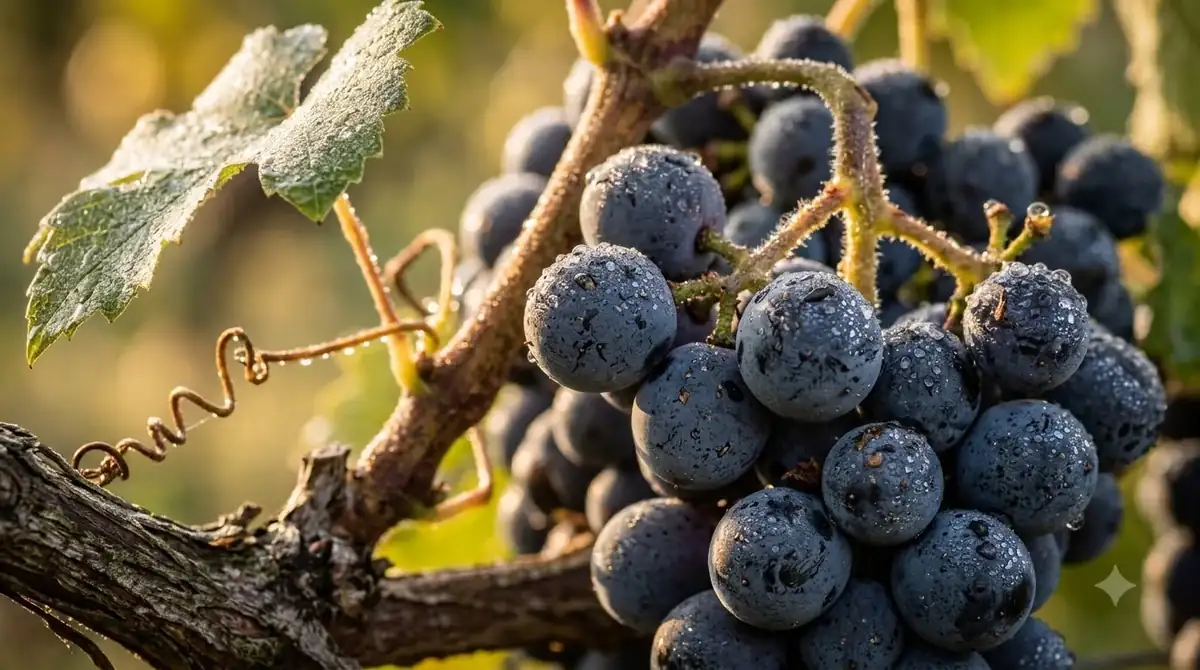
Soils are just as varied. The valley has limestone deposits, shale and red Karoo soils, and alluvial deposits near the river. Limestone is unusual for South Africa, and it is a big reason the region has become a source of Chardonnay for sparkling wine. The ocean history of the area also gives the soils a geological story that producers like to talk about.
Key Grapes and Wine Styles in Robertson
Robertson grows a mix of white and red grapes, but the whites are the backbone of the region. Colombar, Chenin Blanc and Sauvignon Blanc are among the most planted white varieties. Chardonnay is considered the most important variety, and reds such as Shiraz and Cabernet Sauvignon are gaining attention.
| Style | Main grape or method | What to expect |
|---|---|---|
| Chardonnay | Still or sparkling base | Richer body, with the limestone-driven structure the region is known for |
| Cap Classique | Chardonnay-based traditional method | Dry, fine bubbles and a bready, savory finish |
| Chenin Blanc | Single-variety white | Fresh acidity with orchard fruit and a crisp finish |
| Sauvignon Blanc | Single-variety white | Bright, aromatic and lively, often served young |
| Shiraz and Cabernet Sauvignon | Red varieties | Fuller reds that show the region’s warm days |
The best way to understand Robertson wine is to start with the whites and the sparkling styles. Check the back label or the producer’s website for the grape and style, since many bottles name the variety clearly. If you enjoy comparing regions, the Cahors wine guide shows how a very different climate produces dark, firm reds.
Notable Producers to Know
Several well-known estates make the region’s reputation. Graham Beck is widely described as a specialist in Cap Classique, and Silverthorn and Paul René are also named as active sparkling producers. Springfield Estate is known for its Sauvignon Blanc and Cabernet Sauvignon, and Bon Courage is noted for its Shiraz and Chardonnay.
According to the regional travel guide from Wines of South Africa, the valley has roughly ten active Cap Classique producers, and more than twenty producers source Chardonnay from the area for sparkling styles. That gives shoppers a wide choice, from small family estates to large sparkling houses. Check the producer name on the label and compare the grape and style before buying.
For a broader sense of how a wine region’s history shapes its bottles, the Wines of South Africa guide to Robertson activities describes the estates and tasting experiences in detail. Use it as a starting list when you want to find a specific producer.
How to Pair Robertson Wines with Food
Robertson whites pair well with food because they combine fresh acidity with a clean, dry finish. Chardonnay works with roasted chicken, creamy pasta and grilled fish. Chenin Blanc suits lighter dishes, such as salads, mild curries and roast pork with apple.
Cap Classique is a natural match for shellfish, fried snacks and soft cheeses. Its fine bubbles cut through richness, which is why it is popular for celebrations. Sauvignon Blanc goes well with goat cheese, herbs and green vegetables. Reds such as Shiraz suit grilled meats and barbecue, especially when the dish has a smoky or spiced edge.
- Chardonnay: roast chicken, mushroom risotto, grilled salmon
- Cap Classique: oysters, fried calamari, aged hard cheese
- Chenin Blanc: pork with apple, spiced salads, light curries
- Shiraz: barbecue, burgers, peppered steak
Serve whites chilled but not ice cold, so the aromas can show. Reds usually taste better slightly below room temperature. Drink responsibly, and pace your glasses with food and water.
Buying and Storing Robertson Wine in the US
Robertson bottles are sold in many American wine shops and online retailers, but availability changes by state and by season. Ask a shop staff member which vintages are in stock, and check the importer name on the back label. As of Nov 2026, you should confirm current listings directly with the seller, because selections change often.
Storage matters for delicate whites and sparkling wine. Keep bottles away from heat, direct sunlight and strong vibrations. Sparkling wine should stay sealed until you are ready to serve it, and a cool, steady spot at home works well. For specific storage advice, check the producer’s label or technical notes.
Tip: Buy one Chardonnay and one Cap Classique from the same producer. Comparing them side by side is a quick way to see how the grape and method change the taste.
Frequently Asked Questions
Where is Robertson wine made?
Robertson wine is made in the Robertson Valley in South Africa’s Western Cape province. The valley lies between the Langeberg and Riviersonderend mountain ranges and follows the Breede River. The town of Robertson is at its heart.
What grapes is Robertson known for?
Chardonnay is considered the most important grape in the region, especially for sparkling wine. Colombar, Chenin Blanc and Sauvignon Blanc are also widely planted. Shiraz and Cabernet Sauvignon are growing in reputation.
Is Robertson wine sparkling or still?
Robertson produces both. The region is known for Cap Classique, a traditional-method sparkling wine, and for still whites and reds. Check the label to confirm whether a bottle is sparkling or still.
How should I choose a Robertson wine?
Start with the grape or style you enjoy, such as Chardonnay, Chenin Blanc or sparkling. Then check the producer and read recent tasting notes from wine writers. A simple first bottle is often a crisp white or a dry sparkling wine.
Robertson wine rewards curious drinkers who want to explore beyond the usual names. Start with a Chardonnay or a Cap Classique, then compare a Chenin Blanc to see how the valley’s climate shows up in the glass. For more background on wine regions, visit the Wine Regions guide.
More in Wine Regions
 Willcox Wine Trail: Discover Arizona’s High-Elevation Wine CountryUpdated Nov 20, 2026
 Yakima Valley Wine Region: Find the Best Styles to TryUpdated Nov 20, 2026
 Vosne Romanee Wine Tasting: Identify Aromas and Choose Better PairingsUpdated Nov 20, 2026
 Yakima Valley Wine Festival: Find the Best Seasonal Wine EventsUpdated Nov 20, 2026
 Wales Vineyards: Discover Cool-Climate Wines and Where to VisitUpdated Nov 20, 2026
 Yountville Wine Festival: Discover Napa Wines and Local FoodUpdated Nov 20, 2026