

We may earn a commission when you buy through links on this page, at no extra cost to you. Learn more.
Jamesport is a family-run winery on Long Island’s North Fork, known for estate-grown wines that range from dry whites and reds to dessert styles. The winery was started by Ron Goerler Sr., who planted its first vines in 1981, and his son Ron Goerler Jr. now runs it. Its vineyards sit on the North Fork, a cool maritime wine region on the eastern tip of Long Island.
Jamesport is one of the older names on Long Island’s wine map, and it is often mentioned alongside other North Fork producers. This guide explains how the winery started, what it grows, the wines you are likely to find on its list, and what to know before you visit or buy a bottle.
Who runs Jamesport and how it started
The story begins in 1981, when Ron Goerler Sr. planted the first vines in a collaboration that started at Early Rising Farm in Cutchogue. Accounts of the winery’s early years differ slightly, but most agree that Goerler bought an old barn in 1986 and converted it into a winery and tasting room. The first wines were released around 1989.
Ron Goerler Jr. now leads the winery, and the business is described as a father-son project. That family structure is part of what visitors notice: the wines are presented as a personal project rather than a large corporate label. For a fuller profile, a Long Island wine profile of Jamesport Vineyards summarizes the founding dates and the family’s role in the North Fork.
The vineyards on the North Fork
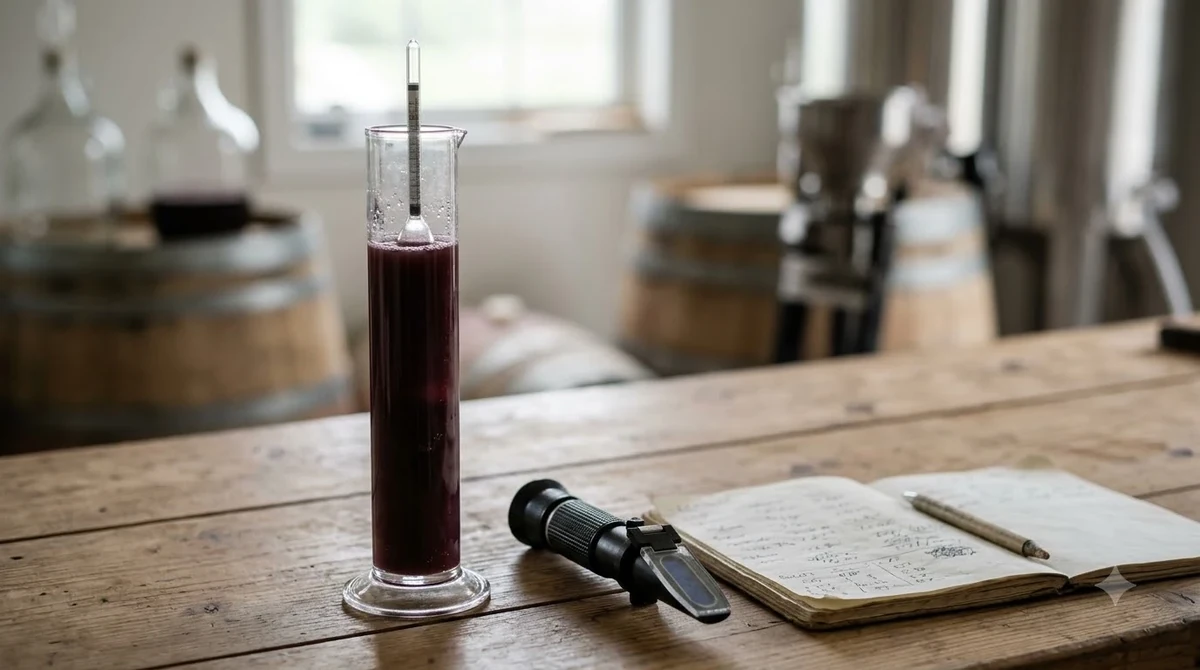
The winery works with roughly 60 acres of vineyards on the North Fork, and some of its fruit comes from Cutchogue vineyards that the family has long worked with. Growing on the North Fork is a balancing act. The peninsula is surrounded by water, which moderates temperatures and often extends the growing season, but humidity and rain at harvest can challenge growers.
Jamesport has also added Sauvignon Blanc vines planted more densely than is typical on Long Island, a sign that the winery keeps adjusting its vineyard practice. That kind of ongoing work is part of why the list has grown beyond a few core labels.
Wines you will find
Jamesport grows a wide mix of varieties, including Chardonnay, Sauvignon Blanc, Riesling, Pinot Blanc, Pinot Noir, Merlot, Cabernet Sauvignon, Cabernet Franc and Syrah. Its winemaking covers both dry table wines and sweeter styles.
The table below groups the main styles you are likely to see on a tasting list. Availability changes from year to year, so check the current list before planning a visit.
| Style | Examples on the list | What to expect |
|---|---|---|
| Dry white | Chardonnay, Sauvignon Blanc | Crisp, fresh and food friendly |
| Aromatic white | Riesling, Pinot Blanc | Bright fruit, lively acidity |
| Red | Pinot Noir, Merlot, Cabernet Franc | Medium body, savory and red fruit |
| Blend | Melange de Trois (Bordeaux style) | Structured and built for food |
| Dessert | Late Harvest Riesling, Semi Glace (ice wine) | Sweet, concentrated and rich |
The winery’s range also includes White Port “Anna” and verjus, which is unfermented grape juice used in cooking and as a tart alternative to vinegar or lemon. Those specialty bottles give visitors a reason to ask questions during a tasting.
How to visit and what to ask at the tasting room
The tasting room is the best place to understand the house style, because you can compare a dry white and a dessert wine side by side. Ask staff which bottles are made from North Fork fruit and which come from other sources, since that answers many questions about the flavors.
Plan ahead for weekends, when tasting rooms on the North Fork tend to fill quickly. Check the winery’s current hours before you go, and consider a designated driver if you plan to taste several wines, since the region’s roads and distances make a taxi or ride service a practical backup.
Tip: Ask for a dessert wine with a cheese course. Late harvest and ice wine styles often pair better with a mild cheese than with a strong red.
How to choose and serve a Jamesport bottle
If you are new to Long Island wine, start with the Chardonnay or Sauvignon Blanc. Those whites show the cool-climate character of the North Fork and pair easily with seafood, salads and light poultry. For reds, Pinot Noir and Cabernet Franc are good choices with roasted vegetables or grilled meats.
Serve the dry whites chilled and the reds at a slightly cool room temperature. Dessert wines are best served well chilled and in small pours. If you are buying a bottle to bring home, ask about the vintage, because Long Island weather can shift the style from year to year. A broader list of brand guides lives under Wine Brands.
Why the North Fork suits Long Island wine
The North Fork stretches out between Long Island Sound and the Atlantic, and the surrounding water moderates temperatures across the growing season. That maritime influence helps keep grapes fresh and acidity lively, which is why whites such as Chardonnay and Sauvignon Blanc do well here, and why many reds show savory, red-fruit character.
The trade-off is humidity. Rain and damp weather at harvest can put pressure on growers, so vineyard work and timing matter a great deal. Jamesport’s long history on the peninsula, and its work with fruit from more than one vineyard, shows how a family operation adapts to those conditions year after year.
Visitors often compare North Fork wines with bottles from other parts of the East Coast or from California. If you want a clear contrast, pour a dry North Fork Chardonnay next to a West Coast bottle. The difference in fruit and acidity usually makes the local character easy to taste. For a very different style of sweet wine, our Barefoot Wine guide covers a supermarket brand built around easy-drinking sweetness.
Pairing Jamesport wines at home
Jamesport’s dry whites suit a simple dinner built around seafood, fresh vegetables or roast chicken. A Sauvignon Blanc works well with herbs and citrus, while a Riesling can handle spicy dishes and sweeter sauces. For a relaxed evening, a light red with roasted vegetables is an easy choice.
If you enjoy a sparkling wine with brunch or a light appetizer, our guide to La Marca Prosecco offers a lighter, bubbly alternative to keep on the table next to a North Fork still wine. Many hosts like to offer one white, one red and one sweet or sparkling option so that guests can find something they enjoy.
Frequently Asked Questions
Where is Jamesport Vineyards located?
Jamesport is on Long Island’s North Fork in New York. Accounts describe its vineyards in the Cutchogue area, and the tasting room is on the North Fork as well.
Who founded Jamesport?
Ron Goerler Sr. founded the winery after planting its first vines in 1981. His son, Ron Goerler Jr., now runs the business with the family.
Does Jamesport make sweet wine?
Yes. The winery produces dessert styles, including Late Harvest Riesling and a Semi Glace ice wine, alongside its dry table wines.
What is Jamesport best known for?
It is best known as a family-run North Fork winery with a broad lineup of whites, reds and dessert wines. Visitors often come for the tasting room experience as much as for a single variety.
Jamesport rewards a visit or a bottle from the North Fork, especially if you want to see how a family-run winery works on Long Island. For a deeper look at the region’s history, read the Long Island wine profile of Jamesport, then explore other producers in our Wine Brands guides.
More in Wine Brands
 Underwood Wine Price: Compare Bottles, Cans, and Pack SizesUpdated Nov 21, 2026
 Zenato Wine Price: Compare Styles and Choose the Right BottleUpdated Nov 21, 2026
 Zuccardi Wine Price: Compare Bottles and Find the Right RangeUpdated Nov 21, 2026
 Yellow Tail Moscato Review: Taste, Sweetness and Serving TipsUpdated Nov 21, 2026
 Wolf Blass Yellow Label Review: Choose Your Best StyleUpdated Nov 21, 2026
 Wolffer Estate Rose Review: Choose the Right Bottle for Your TableUpdated Nov 21, 2026