
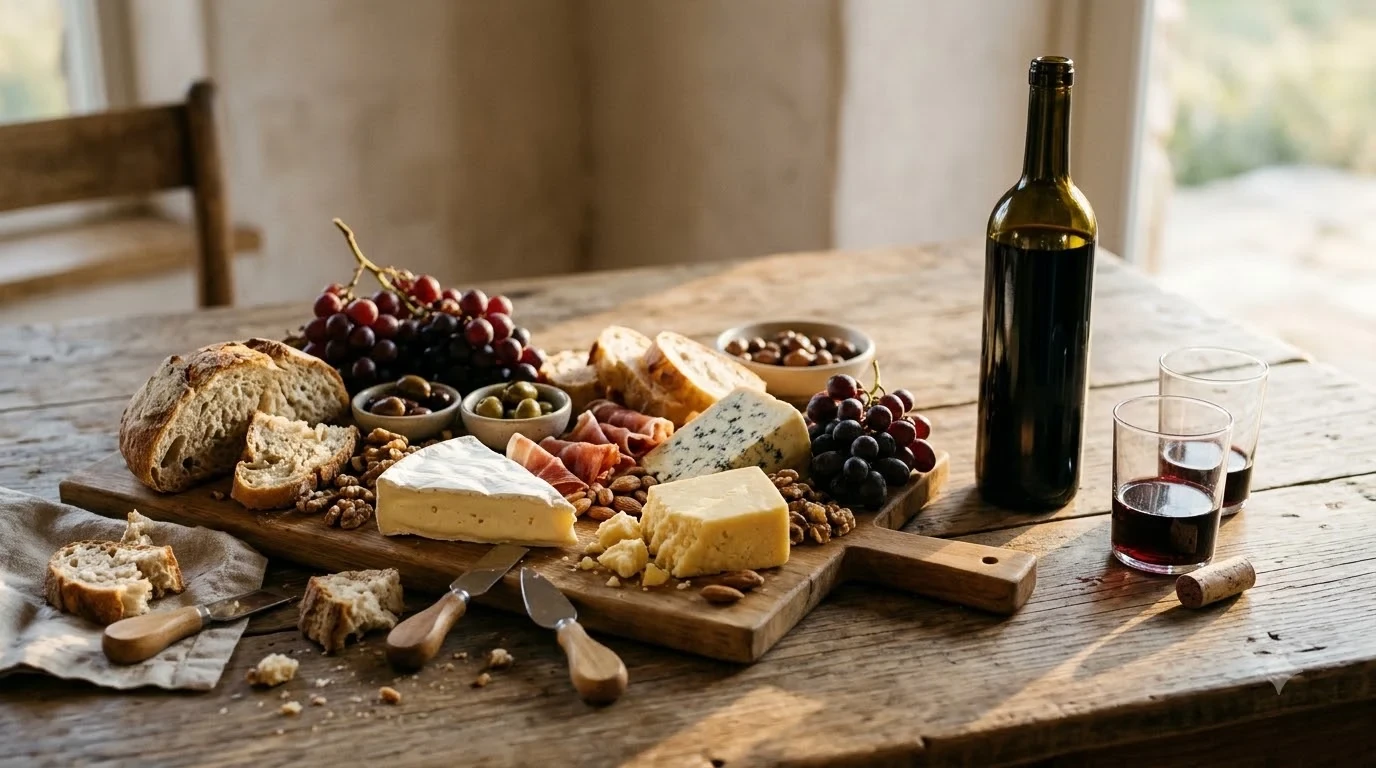

We may earn a commission when you buy through links on this page, at no extra cost to you. Learn more.
The baco noir grape is a cold-hardy red hybrid variety bred in France by crossing the white European grape Folle Blanche with an indigenous North American Vitis riparia vine. Known for producing deeply pigmented wines with bright acidity, low tannins, and flavors of blackberry, blueberry, plum, and subtle woodsmoke, it has become a signature red grape across cool-climate wine regions in the United States and Canada. Because the vine resists winter freezes and common fungal diseases, growers rely on it where traditional European grapes struggle to ripen reliably.
Though born in southwestern France at the turn of the twentieth century, this French-American hybrid found its true home across the Atlantic. Today, it anchors red wine programs from New York’s Finger Lakes to Ontario’s Niagara Peninsula, offering wine drinkers an expressive, food-friendly alternative to classic wine types like Pinot Noir and Gamay.
What Is the Baco Noir Grape?
Baco Noir—also cataloged under its breeding synonym Baco 1—is an interspecific hybrid red wine grape developed by French schoolteacher and grape breeder François Baco. Created in response to the devastating phylloxera louse epidemic that wiped out European vineyards in the late nineteenth century, the cross combines the crisp acidity of Folle Blanche (a white Vitis vinifera grape famous in Armagnac and Cognac) with the rugged winter hardiness and pest resistance of a wild North American Vitis riparia parent.
Unlike many early American native grape varieties, Baco Noir avoids the overtly musky, sweet “foxy” aromatics associated with Vitis labrusca. According to Wine Enthusiast’s guide to Baco Noir, the variety features thin skins, early ripening, and vigorous growth habits, making it dependable in short growing seasons. Despite its French pedigree, European Union appellation rules eventually restricted hybrid plantings in traditional wine regions, pushing the grape out of French commercial vineyards and into North American cellars.
In the vineyard, Baco Noir buds early in spring and ripens well ahead of late-season autumn frosts. Its natural resistance to powdery mildew, downy mildew, and root-attacking phylloxera allows growers to farm with fewer chemical interventions. However, because the vines are naturally vigorous, vineyard managers carefully prune and thin fruit clusters so high yields do not dilute the grape’s concentrated color and flavor.
Flavor Profile and Winemaking Styles
Baco Noir wines pour a dense, inky purple-ruby hue that belies their medium-light to medium body on the palate. While the visual intensity can fool first-time drinkers into expecting a heavy, tannic red, the actual structure leans closer to Pinot Noir in weight while delivering brisk, mouthwatering acidity and notably soft tannins.
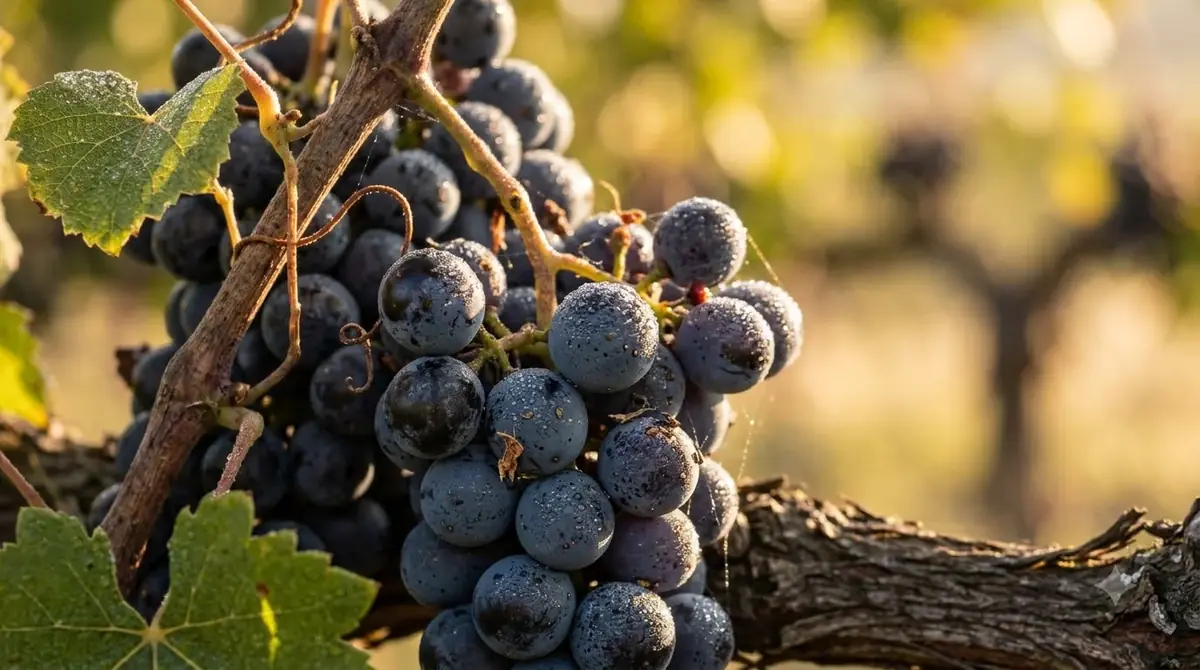
On the nose and palate, primary fruit notes center on dark berries—specifically blackberry, blueberry, boysenberry, and ripe black plum—layered over savory undertones of damp earth, charred wood, and a faint iron-like minerality. When winemakers age the wine in oak barrels, secondary aromas of vanilla, mocha, baking spice, and dark chocolate emerge, rounding out the sharp natural malic acid. Almost all dry Baco Noir undergoes malolactic fermentation to soften that crisp acidity into a smoother, more supple texture.
Winemakers craft the grape in several distinct expressions depending on regional climate and cellar philosophy:
- Unoaked and Fruity Reds: Fermented in stainless steel—and occasionally using carbonic maceration similar to Beaujolais—these bottlings highlight juicy blueberry and tart cherry fruit with vibrant freshness.
- Oak-Aged Reserve Reds: Matured in French or American oak, these fuller-feeling wines trade bright berry snap for smoky complexity, leather, toasted vanilla, and broader mid-palate weight.
- Rosé and Off-Dry Styles: Brief skin contact yields crisp, berry-driven rosés, while stopping fermentation early produces lightly sweet table reds aimed at casual sipping.
| Wine Characteristic | Typical Baco Noir Profile | Winemaking Influence |
|---|---|---|
| Body | Light-medium to medium | Oak aging and lower yields add mid-palate weight |
| Acidity | High and lively | Malolactic fermentation softens sharp green-apple notes |
| Tannins | Low to medium-low | Thin skins yield supple tannins; oak adds structure |
| Primary Flavors | Blackberry, blueberry, black plum | Cooler climates bring out tart red currant and pepper |
| Secondary Notes | Woodsmoke, earth, iron, vanilla | Barrel maturation introduces mocha, spice, and toast |
| Alcohol (ABV) | Moderate (commonly around 12% to 13%) | Warmer growing sites produce slightly higher alcohol |
Where Does Baco Noir Grow?
Today, Baco Noir thrives primarily across the cool-climate wine regions of northeastern North America, where sub-zero winter temperatures regularly damage delicate European vines. New York State—especially the Finger Lakes, Cayuga Lake, and the Hudson River Region—and Ontario’s Niagara Peninsula represent the twin epicenters of modern Baco Noir production.
According to Wine-Searcher’s varietal profile of Baco Noir, the grape is widely celebrated as a grower-friendly cool-climate red across Ontario, Nova Scotia, New York, Michigan’s Leelanau Peninsula, Ohio, and Indiana. In Ontario, old-vine Baco Noir plantings dating back decades produce some of Canada’s most acclaimed red wines, prized for their concentration and savory depth. Meanwhile, Finger Lakes producers often lean into the grape’s brisk acidity and peppery spice, bottling single-varietal reds alongside blends paired with varieties like Saperavi.
Beyond the Great Lakes and Northeast, small experimental and commercial plantings appear in unexpected corners of the wine world. Winemakers in Oregon, Colorado, and even pockets of California—such as Mendocino County—have planted Baco Noir to handle temperature extremes or bring natural acidity to warm-climate blends. Outside North America, tiny plantings persist in France’s southwestern Armagnac region, Yunnan in China, and Northern Tasmania in Australia.
How to Serve and Store Baco Noir
Serving Baco Noir at the proper temperature keeps its signature acidity refreshing rather than sharp while allowing its smoky, dark-berry aromatics to open cleanly. Because the wine has relatively low tannins and moderate alcohol, serving it too warm can make the alcohol feel disjointed and flatten its bright fruit character.
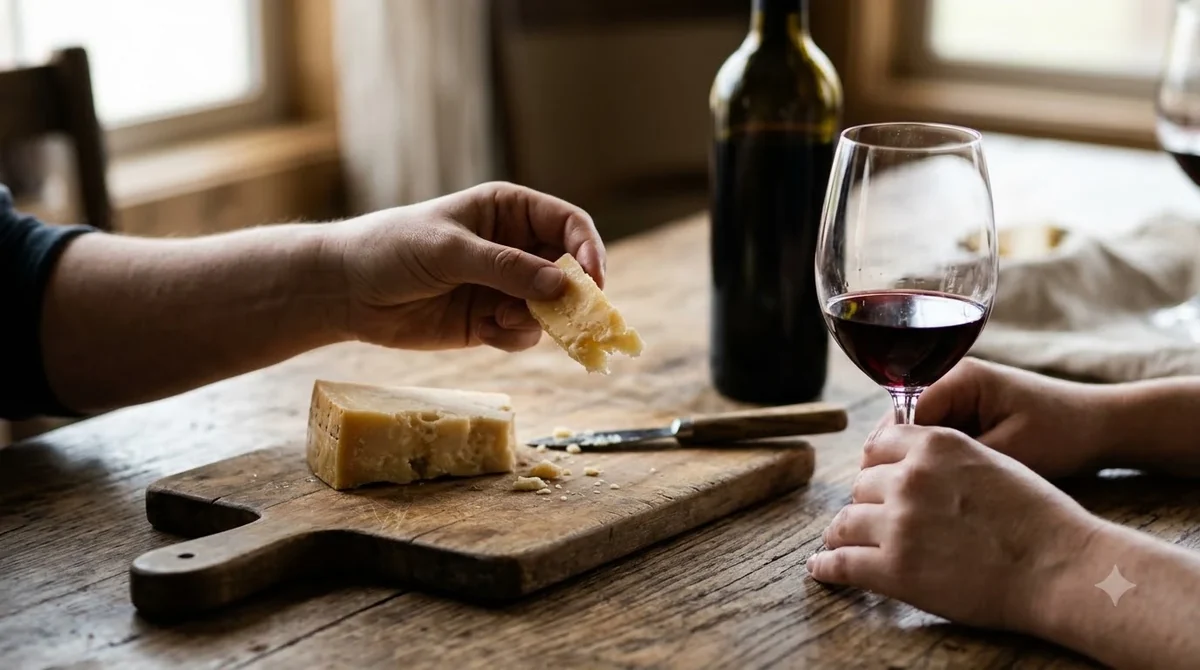
Aim for a cellar-cool serving range of 60°F to 65°F (15°C to 18°C)—roughly 15 to 20 minutes in a standard kitchen refrigerator before pouring. Lighter, unoaked bottlings drink wonderfully with an even brisker chill closer to 55°F on warm afternoons. Pour the wine into a standard medium-bowled red wine glass or a tulip-shaped Pinot Noir glass, both of which capture the delicate blueberry and earthy aromas without amplifying acidity.
Young, fruit-forward styles rarely need decanting and are ready as soon as the cork is pulled. However, structured, oak-aged reserve bottlings benefit from 20 to 30 minutes in a decanter to blow off reductive smoky notes and soften the finish. Most everyday Baco Noir is crafted to be enjoyed within three to five years of the vintage date, though top old-vine reserve bottlings from Ontario or New York can evolve gracefully for eight to ten years in a cool, dark cellar around 55°F.
Tip: If a young Baco Noir tastes overly tart right out of the bottle, chill it down to 60°F and let it sit open for 20 minutes—cooler temperatures tame bright acidity while oxygen rounds out the dark berry fruit.
Best Food Pairings for Baco Noir
Baco Noir is built for the dinner table, combining the palate-cleansing acidity of a crisp white wine with the savory, smoky depth of a hearty red. While classic Italian reds built on the chianti grape (Sangiovese) rely on firm tannins alongside acidity to cut through rich meals, Baco Noir accomplishes the same feat with gentle tannins that never clash with delicate proteins or spicy glazes.
The wine’s inherent hint of woodsmoke makes it an ideal match for anything cooked over live fire or hardwood. Grilled pork ribs, smoked brisket, charred burgers, and barbecue chicken echo the wine’s toasted, earthy undertones while its bright acidity slices through rich fat and sweet-tangy barbecue sauces. Roasted duck, pheasant, venison, and herb-crusted lamb chops also highlight the grape’s savory, iron-tinged finish.
For non-meat dishes, lean into Baco Noir’s earthy and high-acid personality. Tomato-based pasta sauces, wood-fired mushroom pizza, Lentil stews, and roasted root vegetables with rosemary harmonize effortlessly with the grape’s brisk structure. Even rich, oily fish like cedar-plank salmon or baked trout work remarkably well because the wine’s low tannin profile avoids creating a metallic aftertaste.
How to Choose a Quality Baco Noir Bottle
Shopping for Baco Noir starts with checking the bottle’s regional origin and sweetness cues on the label. Because the grape grows across vastly different climates, knowing where the fruit was harvested gives you an immediate preview of what is inside the glass.
Bottles from Ontario’s Niagara Peninsula and New York’s Finger Lakes or Hudson River Valley offer the clearest benchmark expressions, balancing ripe blackberry fruit with lively natural acidity. When reading the back label, look for clues about oak maturation and dry vinification—phrases like “reserve,” “old vines,” or notes describing barrel aging signal a drier, fuller-textured wine suited for dinner, whereas labels mentioning residual sugar or casual picnic sipping indicate a softer, off-dry style. If you typically enjoy crisp, food-friendly whites made from the catarratto grape or bright, aromatic blends featuring the colombard grape, you will likely appreciate Baco Noir’s refreshing acid backbone in a red wine.
Frequently Asked Questions
Is Baco Noir a dry or sweet wine?
Most quality Baco Noir wines are fermented completely dry, showcasing savory notes of blackberry, earth, and woodsmoke alongside crisp acidity. However, a few regional wineries produce off-dry or lightly sweet versions aimed at casual drinkers, so checking the back label for sweetness indicators or lower alcohol levels helps confirm the style before buying.
How does Baco Noir compare to Pinot Noir?
Baco Noir shares Pinot Noir’s light-to-medium body, soft tannins, and affinity for cool growing regions, making it an easy crossover wine for Pinot lovers. The biggest differences lie in color and flavor: Baco Noir pours a much darker, inky purple and leans toward wild blueberry, blackberry, and smoky earth rather than Pinot Noir’s translucent ruby hue and red cherry profile.
Why is Baco Noir called a hybrid grape?
Baco Noir is a hybrid because it was bred by crossing two distinct grape species rather than two varieties within the same European species. French breeder François Baco crossed Folle Blanche (a European Vitis vinifera grape) with an indigenous North American Vitis riparia vine to combine fine winemaking character with natural cold tolerance and pest resistance.
Can you age Baco Noir wine?
Everyday, unoaked Baco Noir is best enjoyed within three to five years of harvest while its juicy dark berry flavors are fresh and vibrant. Structured, oak-aged reserve bottlings made from mature vines can age gracefully for eight to ten years, gradually mellowing their high acidity into complex notes of dried fruit, leather, and forest floor.
Whether you are exploring cool-climate North American wine trails or simply looking for a versatile red that shines alongside weeknight barbecue and roasted dishes, the baco noir grape rewards curiosity. Its combination of deep color, brisk acidity, and approachable tannins makes it one of the most distinctive and food-friendly hybrid varieties in the glass today.
More in Wine Types & Grapes
 Zinfandel Sugar Content: Dry Red vs. White Zinfandel GramsUpdated Nov 21, 2026
 Best Zinfandel Substitute Options for Sipping and CookingUpdated Nov 21, 2026
 Zweigelt Food Pairing: Best Dishes, Cheeses, and Serving TipsUpdated Nov 21, 2026
 Zinfandel Tannins Explained: How Structure Shapes Every BottleUpdated Nov 21, 2026
 Zinfandel Sweetness Level: Dry Red vs. Sweet White Zin ExplainedUpdated Nov 21, 2026
 Xinomavro Food Pairing: Best Dishes, Styles, and Serving TipsUpdated Nov 21, 2026