

We may earn a commission when you buy through links on this page, at no extra cost to you. Learn more.
Sutter Home White Zinfandel is a light, pink, lightly sweet wine made from Zinfandel grapes, and it became one of the best-selling wines in the United States. The style came out of a winemaking accident at the Sutter Home winery in California: a fermentation stopped early and left a little natural sugar in the wine. That easy, fruity character made it a mainstream favorite, and it is still one of the most recognized names in American table wine. This guide explains how the wine was created, what it tastes like, and how to serve and pair it.
White Zinfandel has a reputation that depends on who you ask. Some people remember it as the first wine they ever enjoyed, while others see it as the wine that helped define a whole category of sweet blush wines. Sutter Home is the brand most closely linked to the style, so it helps to understand where the wine came from and how it fits into American wine drinking today.
How the Wine Was Created
White Zinfandel is not made from a different grape. It is made from Zinfandel, a red variety, but the juice is separated from the skins early in the process so the wine has only a light pink color. The style is usually traced to Bob Trinchero, the winemaker at Sutter Home, who experimented with free-run Zinfandel juice in the early 1970s. The juice that flows off the grapes before pressing is lighter and gentler, and it became the basis for a new kind of pink wine.
The sweetness came from a stuck fermentation that happened about three years into the experiment, around 1975. Yeast stopped turning sugar into alcohol before the wine was dry, and about 2 percent residual sugar remained. Trinchero kept that batch, and it became the White Zinfandel style that drinkers know today. The accident turned a dry wine into a fruity, gently sweet one that was easy to drink, and the wider story is told in detail in this VinePair feature on White Zinfandel.
The Rise of a Mainstream Favorite
Sutter Home did more than make the style; it turned White Zinfandel into a national brand. By 1986, the wine was described as America’s most popular premium domestic wine, and it helped bring many casual wine drinkers into the market. Its success also encouraged other producers to make similar pink and blush wines, which turned the sweet pink category into a large part of the American shelf.
Today the brand sells millions of cases each year, and it has added other blush and sweet styles to its lineup. The company’s wines are sold in many states, and White Zinfandel still performs well in several parts of the South. Its success shows how a simple, approachable wine can hold a place in the market for decades.
What White Zinfandel Tastes Like
The wine is usually described as a medium-sweet, light-bodied pink wine. The fruit is front and center, with strawberry, raspberry and watermelon notes that come from the Zinfandel grape. Acidity is moderate, so the wine feels round and easy rather than sharp. Alcohol is generally modest for a table wine, which adds to its easy-drinking reputation.
Sweetness is the feature that sets White Zinfandel apart. Residual sugar of around 2 percent is enough to be noticed on the palate but not enough to feel like a dessert wine. Drinkers who prefer dry wines may find it too sweet, while those who enjoy fruit-forward styles often find it relaxing and friendly.
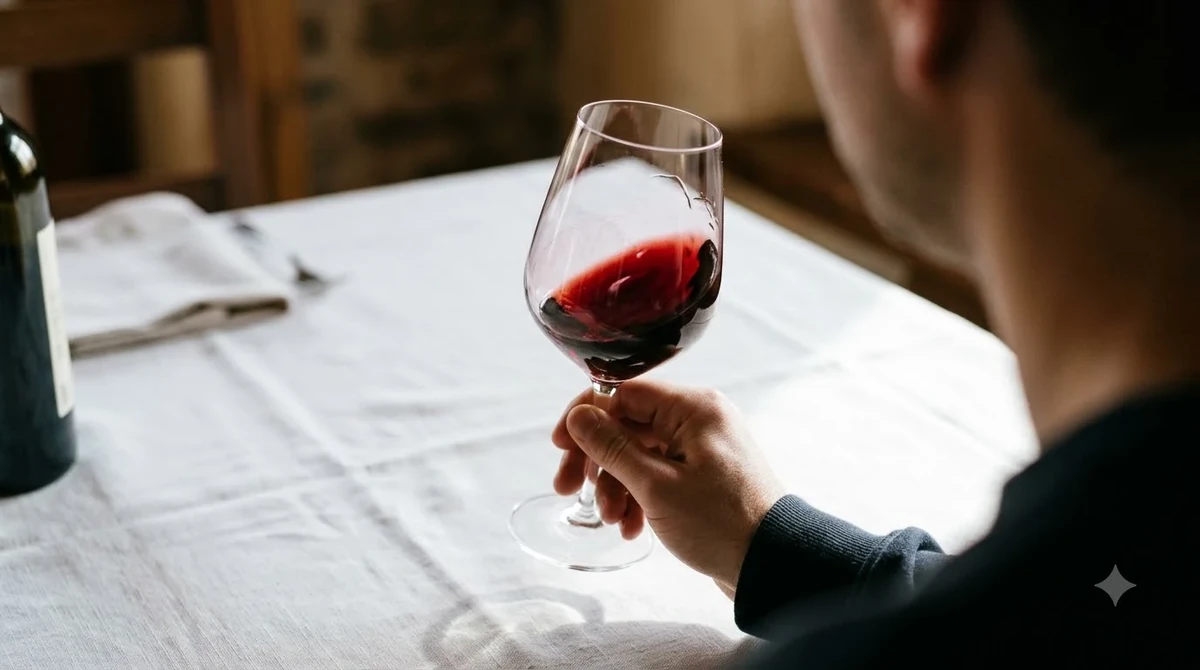
The color is another part of the appeal. The pale pink tone comes from the brief contact between the juice and the skins, so the wine looks lighter than most red wines even though its grape is red. Many people who are new to wine find that the look, the easy sweetness and the low alcohol make it a comfortable starting point before they explore drier styles.
| Feature | What to expect |
|---|---|
| Grape | Zinfandel, with the juice separated early for a pale pink color |
| Sweetness | Medium-sweet, from about 2 percent residual sugar |
| Body | Light and easy |
| Dominant flavors | Strawberry, raspberry and watermelon |
| Best known for | Easy-drinking, fruity pink wine |
| Origin of the style | A stuck fermentation at Sutter Home in the mid-1970s |
Tip: Because the style is light, White Zinfandel is often enjoyed cold on a warm day. It is a good wine to serve when you want something casual and fruity rather than complex.
How to Serve White Zinfandel
Most people serve White Zinfandel chilled, since the cold temperature keeps the fruit bright and tames the sweetness a little. Pour it into a standard wine glass or a larger glass for a relaxed setting. Ice is a common choice for casual drinking, and it works well for those who prefer a lighter, diluted serving.
The wine does not need decanting or long breathing time. Open it when you are ready to drink and keep the bottle cool between glasses. Because it is meant to be enjoyed young, it is best not to hold it for long periods.
Food Pairings for a Sweet Pink Wine
White Zinfandel pairs well with spicy and savory foods, which is a point that surprises many people. Its sweetness balances chili heat, and its fruitiness suits barbecue, Thai and Mexican dishes. Sommelier Coly Den Haan has said the wine is quite fun to pair with spicier foods, and that view is becoming more common among drinkers who want an easy match.
Lighter dishes such as salads, grilled chicken and fresh fruit also suit the wine. A dessert pairing works only when the dessert is not too sweet, because the wine’s own sugar can make heavy desserts feel cloying.
How This Wine Compares With Other Brands
Sutter Home has a wide family of wines, and it helps to know how they differ before you buy. Some drinkers who like White Zinfandel also enjoy the brand’s sweet Moscato styles, which are lighter in body and sweeter on the palate. Others prefer the red and white wines in the same range for everyday drinking. The easiest way to compare is to start with the White Zinfandel and then try a neighboring style.
If you are looking for another easy-drinking choice, the Sutter Home Moscato page explains a sweeter white option, and the Barefoot Wine guide covers other affordable styles. For a broader view of how American brands compare, see the Wine Brands section.
Frequently Asked Questions
Is White Zinfandel made from white grapes?
No. It is made from Zinfandel, a red grape, but the juice is separated from the skins early so the wine stays pale pink. The name refers to the style rather than the grape color.
How sweet is White Zinfandel?
It is generally considered medium-sweet. The wine was first made sweet by a stuck fermentation, which left about 2 percent residual sugar, and that level is what many drinkers recognize.
Who invented White Zinfandel?
The style is usually credited to Bob Trinchero, who worked at Sutter Home and experimented with free-run Zinfandel juice in the early 1970s. A stuck fermentation in the mid-1970s gave the wine the sweetness that became its signature.
Does White Zinfandel go well with spicy food?
Yes. Its sweetness can balance chili heat, so it pairs well with barbecue, Thai and Mexican dishes. It is one of the few sweet pink wines that many people enjoy with spicier meals.
White Zinfandel is a simple wine with an interesting origin, and it still has a loyal following. If you enjoy fruity, lightly sweet pink wine, it is a practical choice for casual meals, and you can compare it with other sweet styles to find what suits your taste.
More in Wine Brands
 Underwood Wine Price: Compare Bottles, Cans, and Pack SizesUpdated Nov 21, 2026
 Zenato Wine Price: Compare Styles and Choose the Right BottleUpdated Nov 21, 2026
 Zuccardi Wine Price: Compare Bottles and Find the Right RangeUpdated Nov 21, 2026
 Yellow Tail Moscato Review: Taste, Sweetness and Serving TipsUpdated Nov 21, 2026
 Wolf Blass Yellow Label Review: Choose Your Best StyleUpdated Nov 21, 2026
 Wolffer Estate Rose Review: Choose the Right Bottle for Your TableUpdated Nov 21, 2026