

We may earn a commission when you buy through links on this page, at no extra cost to you. Learn more.
The friulano grape is a white wine variety native to northeastern Italy’s Friuli-Venezia Giulia region, best known for producing dry, aromatic wines with a signature bitter almond finish. Officially registered in international grape catalogs as Sauvignonasse, it was historically bottled under the name Tocai Friulano until European Union labeling rules mandated a name change in 2007. Wines made from this grape typically show medium body, refreshing acidity, and layered notes of white peach, green pear, grapefruit, and wild herbs.
If you enjoy dry Italian whites that bridge the gap between crisp, citrus-driven bottles and richer, textural pours, Friulano deserves a permanent spot in your rotation. While shoppers often reach for familiar names like Pinot Grigio or Sauvignon Blanc, this indigenous northeastern Italian variety quietly powers some of the most food-friendly white wines in Europe.
What Is the Friulano Grape?
The friulano grape is an indigenous white-berried variety (Vitis vinifera) primarily cultivated in Friuli-Venezia Giulia, where it serves as the region’s signature white wine grape. Known ampelographically as Sauvignonasse or Sauvignon Vert, it produces dry, medium-to-full-bodied white wines with moderate acidity and a distinct savory edge.
Despite sharing part of its botanical name with Sauvignon Blanc, Friulano is a completely separate grape variety with its own genetic identity and flavor profile. While Sauvignon Blanc leans heavily into sharp citrus, gooseberry, and pungent pyrazines, Friulano offers a softer, rounder texture paired with orchard fruit and gentle herbal notes. According to Wine Folly’s comprehensive guide to Friulano, the grape is frequently mistaken for Sauvignon Blanc on paper, yet in the glass it delivers a much more balanced, textural experience with crushed gravel minerality and tarragon nuances.
For decades, producers across northeastern Italy labeled these wines as Tocai Friulano. That tradition ended after a lengthy European Union legal dispute brought by Hungary, which argued that the name sounded too similar to its famous sweet wine region, Tokaj. Following the 2007 EU ruling, Italian winemakers dropped the word “Tocai” and officially adopted “Friulano” on front labels, though you will still see “Tocai Friulano” listed in technical sheets and regional DOC regulations.
Beyond Italy, small pockets of Sauvignonasse exist in Chile—where it was historically confused with Sauvignon Blanc for generations—as well as in neighboring Slovenia, where growers call it Jakot (“Tokaj” spelled backward). Still, northeastern Italy remains its undisputed spiritual and commercial home, accounting for the vast majority of high-quality varietal bottlings exported to the United States.
Flavor Profile and Winemaking Styles
Friulano wines typically open with fragrant aromas of white blossoms, Williams pear, white peach, and grapefruit, followed by a supple mid-palate and a dry, slightly bitter almond finish. Depending on where the vines grow and how the winemaker handles fermentation, styles range from bright, stainless-steel-fermented everyday sippers to age-worthy, lees-aged hillside bottlings.
The hallmark trait that separates Friulano from almost every other Italian white is its finish. After the initial wave of stone fruit and citrus fades, the wine leaves a subtle, pleasant bitterness reminiscent of raw almonds or crushed almond skins. Winemakers and critics refer to this quality as mandorla amara, and it acts as a natural palate cleanser that makes the wine remarkably versatile at the dinner table.
Most contemporary producers ferment Friulano in temperature-controlled stainless steel tanks to preserve its delicate floral aromatics and fresh orchard fruit. By preventing malolactic fermentation and keeping oxygen exposure minimal, winemakers highlight the grape’s natural vibrancy. These unoaked expressions usually sit between 12.5% and 13.5% ABV, offering immediate charm within one to three years of the vintage date.
In top hillside appellations, however, ambitious estates often age Friulano on its fine lees (spent yeast cells) for six to twelve months, either in neutral large oak casks (botti), concrete eggs, or seasoned barriques. Extended lees contact builds a creamy, mouth-coating weight that parallels unoaked Chardonnay without masking the grape’s herbal and mineral core. A smaller subset of artisanal producers also vinifies Friulano with extended skin contact, creating amber-hued macerated wines with pronounced tannins, dried apricot notes, and tea-like grip.
Where the Friulano Grape Grows
Friulano thrives in Friuli-Venezia Giulia, a compact wine region in the far northeastern corner of Italy bordered by Austria to the north, Slovenia to the east, and the Adriatic Sea to the south. Here, cool Alpine air meets warm maritime breezes, creating dramatic day-to-night temperature swings that lock in aromatic complexity while allowing grapes to ripen fully.
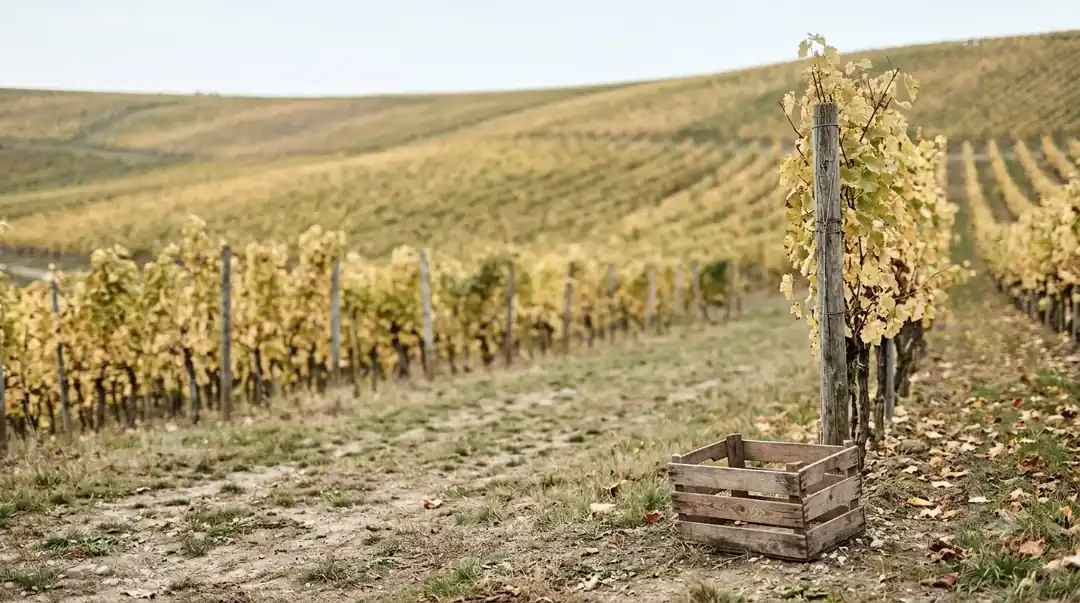
Within Friuli-Venezia Giulia, soil composition plays a decisive role in how Friulano tastes. The region splits into two primary geographical zones: the flat alluvial plains in the center and south, and the steep terraced foothills along the eastern Slovenian border. On the plains—most notably within the expansive Friuli Grave DOC—gravelly, stony soils reflect sunlight and produce crisp, straightforward, early-drinking Friulano at accessible everyday price points.
The most prized examples come from two neighboring hillside denominations: Collio DOC and Friuli Colli Orientali DOC. Both zones are defined by a unique Eocene-era soil locally called ponca (known as opoka across the Slovenian border), composed of crumbly, layered marl and sandstone. Because ponca drains rapidly and holds very few nutrients, grapevines must drive their roots deep underground, resulting in lower yields and wines with heightened salinity, firmer structure, and longer aging potential.
| Appellation (DOC) | Terrain & Soil Type | Typical Friulano Style | Aging Window |
|---|---|---|---|
| Collio DOC | Steep border hills; crumbly marl and sandstone (ponca) | Full-bodied, savory, saline minerality, pronounced almond finish | 3–7 years |
| Friuli Colli Orientali DOC | Northern foothills; ponca with clay veins | Aromatic, floral, balanced stone fruit with crisp herbal lift | 3–7 years |
| Friuli Isonzo DOC | River valley alluvial gravel and limestone-rich clay | Round, plush orchard fruit, generous mid-palate weight | 2–5 years |
| Friuli Grave DOC | Flat, stony alluvial plains | Light, zesty citrus and green apple, crisp and refreshing | 1–3 years |
If you are browsing Wine by Type to compare aromatic Italian whites, paying attention to these DOC names on the label is the fastest way to predict what is inside the bottle. While other regional stars like the catarratto grape in Sicily rely on Mediterranean sunshine and sea breezes for body, Friulano draws its tension from Alpine-Adriatic airflow and mineral-rich hillside marl.
How to Serve and Store Friulano
Serve Friulano chilled to between 50°F and 52°F (10°C–12°C) in a standard medium-sized white wine glass to showcase both its floral nose and creamy texture. Serving it straight from a standard kitchen refrigerator at 38°F will mute its delicate white flower and stone fruit aromatics while exaggerating its bitter almond finish.
To hit the sweet spot at home, chill the bottle in your refrigerator for two to three hours, then pull it out onto the counter about 15 to 20 minutes before pouring. For richer, lees-aged single-vineyard bottles from Collio or Colli Orientali, a slightly warmer temperature around 54°F allows the wine’s beeswax, honeydew, and crushed-stone nuances to open up fully in the glass.
Most entry-level and stainless-steel Friulano wines are crafted for immediate enjoyment within three to five years of harvest, when their primary citrus and green pear flavors are brightest. However, top hillside selections from respected estates routinely evolve for seven to ten years in a cool, dark cellar, trading fresh floral notes for toasted hazelnut, dried apricot, and savory flint.
Tip: If you open a structured Collio Friulano that feels tight or closed on the first pour, give it 20 minutes of air in a decanter or larger universal wine stem—oxygen softens the almond grip and brings out its lush white peach fruit.
Food Pairing Ideas for Friulano
Friulano is an exceptional table wine whose combination of medium weight, moderate acidity, and savory almond bitterness pairs effortlessly with cured meats, spring vegetables, and creamy dishes. In its native Friuli, the classic local match is Prosciutto di San Daniele, where the wine’s orchard fruit and clean finish cut right through the sweet, salty richness of air-dried ham.
What truly sets Friulano apart for home cooks is its rare ability to handle notoriously difficult green vegetables. Asparagus, artichokes, green beans, Brussels sprouts, and fresh herb salads often make high-acid whites taste metallic or overly sharp, yet Friulano’s herbal tarragon undertones and gentle bitterness harmonize smoothly with bitter greens and grassy flavors.
Seafood and poultry also shine alongside a chilled glass. Roasted halibut or cod with lemon and herbs, seared sea scallops, crab cakes, and herb-roasted chicken all match the wine’s supple body without overwhelming it. Even comfort foods like baked macaroni and cheese, mushroom risotto, or creamy pasta sauces benefit from Friulano’s palate-cleansing finish, much like how crisp southern whites made from the colombard grape refresh the palate between rich bites.
How to Choose a Quality Bottle
When shopping for Friulano, look for bottles labeled under the Collio DOC or Friuli Colli Orientali DOC appellations from recent vintages to get the purest expression of the grape. As noted in Wine Enthusiast’s Friulano varietal ratings and buying guide, the strongest bottlings balance ripe yellow stone fruit and grapefruit with crisp minerality and an integrated, harmonious finish.
Check the back label for clues about winemaking style before you buy. Terms like affinamento sui lieviti (lees aging) or mentions of large oak casks indicate a fuller, creamier style built for richer main courses, whereas descriptions emphasizing stainless steel (acciaio) point toward a brighter, apéritif-friendly pour. Alcohol levels around 13% to 13.5% ABV typically signal ripe, concentrated hillside fruit without heavy warmth.
If you want reliable benchmark producers to look for on American retail shelves, seek out historic Friulian estates such as Mario Schiopetto, Livio Felluga, Venica & Venica, Lis Neris, Marco Felluga, and Vie di Romans. Even if you usually gravitate toward structured Italian reds made from the chianti grape, keeping a bottle or two of estate-bottled Friulano on hand guarantees a versatile white that pleases both casual drinkers and seasoned wine lovers.
Frequently Asked Questions
Is Friulano the same grape as Sauvignon Blanc?
No, Friulano is a distinct grape variety known botanically as Sauvignonasse or Sauvignon Vert. While it shares part of its name with Sauvignon Blanc and was historically confused with it in Chile, Friulano has lower pungent acidity, a rounder mid-palate, and a signature bitter almond finish.
Why did Tocai Friulano change its name to Friulano?
Italian producers dropped the word “Tocai” in 2007 following a European Union legal ruling in favor of Hungary. Hungary successfully argued that the name infringed upon its protected Tokaj wine region, prompting northeastern Italy to rename the grape and wine simply Friulano.
Does Friulano taste sweet or dry?
Friulano is almost always vinified as a completely dry white wine. Although its ripe aromas of white peach, pear, and honeydew melon can suggest sweetness on the nose, the palate finishes crisp, savory, and dry with virtually no residual sugar.
How long can you age a bottle of Friulano?
Most stainless-steel Friulano wines from the plains are best enjoyed within 1 to 3 years of the vintage date while their fruit is fresh. Top hillside bottlings from Collio or Friuli Colli Orientali—especially those aged on their lees—can develop beautifully in the cellar for 5 to 8 years.
Whether you pair it with prosciutto and spring vegetables or pour it solo as an evening apéritif, the friulano grape offers a distinctive combination of orchard fruit, herbal lift, and savory almond structure. Exploring bottles from Friuli’s hillside appellations is one of the most rewarding ways to expand your Italian white wine repertoire beyond everyday Pinot Grigio.
More in Wine Types & Grapes
 Zinfandel Sugar Content: Dry Red vs. White Zinfandel GramsUpdated Nov 21, 2026
 Best Zinfandel Substitute Options for Sipping and CookingUpdated Nov 21, 2026
 Zweigelt Food Pairing: Best Dishes, Cheeses, and Serving TipsUpdated Nov 21, 2026
 Zinfandel Tannins Explained: How Structure Shapes Every BottleUpdated Nov 21, 2026
 Zinfandel Sweetness Level: Dry Red vs. Sweet White Zin ExplainedUpdated Nov 21, 2026
 Xinomavro Food Pairing: Best Dishes, Styles, and Serving TipsUpdated Nov 21, 2026