

We may earn a commission when you buy through links on this page, at no extra cost to you. Learn more.
When comparing beaujolais vs cabernet sauvignon, you are looking at opposite ends of the dry red wine spectrum. Beaujolais is a light-bodied, high-acid French red made from the Gamay grape with low tannins, bright red berry notes, and an ABV typically between 10 and 13 percent. Cabernet Sauvignon is a full-bodied red known for dark fruits like blackcurrant, firm tannins, oak influence, and a higher ABV of 13.5 to 15.5 percent.
Choosing between these two classic reds comes down to weight, texture, and what is on your dinner table. While one is meant to be served slightly chilled alongside casual weeknight dishes, the other demands a larger glass, warmer temperatures, and rich, savory proteins.
What Is Beaujolais vs Cabernet Sauvignon?
Beaujolais is a French wine appellation named after its growing region in eastern France, whereas Cabernet Sauvignon is an international grape variety grown around the world. Understanding this distinction between place-based labeling and varietal labeling is the first step in telling them apart on a wine shop shelf.
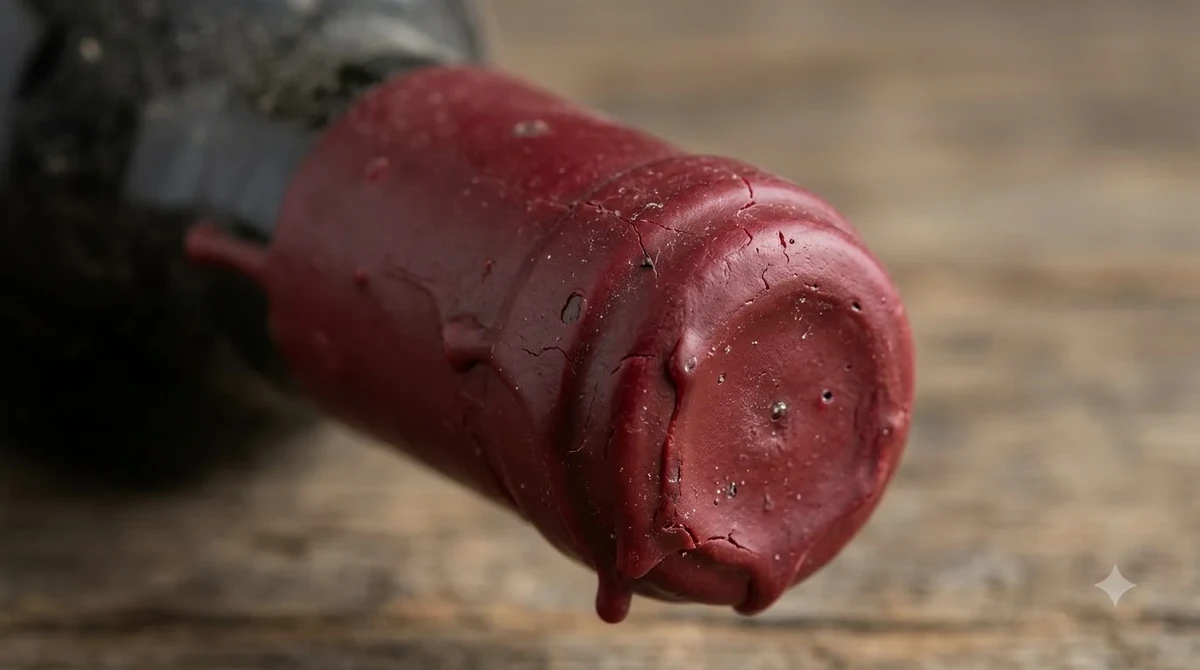
In France, wines are traditionally named after the region where the grapes grow rather than the grape itself. Beaujolais sits just south of Burgundy and produces dry red wines almost exclusively from the thin-skinned Gamay grape, which DNA analysis shows is a natural cross between Pinot Noir and Gouais Blanc. Because Gamay has thin skins and low anthocyanin levels, the resulting wine is translucent ruby in color with very gentle astringency.
Cabernet Sauvignon, by contrast, is a thick-skinned black grape that originated in Bordeaux during the 1600s as a spontaneous crossing of Cabernet Franc and Sauvignon Blanc. Today, it is one of the most widely planted wine grapes on earth, and outside of Europe, bottles are labeled directly with the grape name. Those thick grape skins pack the wine with deep purple pigment, grippy tannins, and the structural backbone required to age for decades.
Side-by-Side Comparison: Beaujolais vs Cabernet Sauvignon
Looking at the core technical traits of both wines highlights why they behave so differently in the glass. From alcohol strength to aging potential, nearly every measurable attribute separates them.
| Attribute | Beaujolais (Gamay) | Cabernet Sauvignon |
|---|---|---|
| Primary Grape | Gamay (Gamay Noir) | Cabernet Sauvignon |
| Body | Light to medium-light | Full-bodied |
| Tannins | Low | Medium-plus to high |
| Acidity | High | Medium-plus |
| Typical ABV | 10% – 13% | 13.5% – 15.5% |
| Primary Fruit Notes | Raspberry, tart cherry, cranberry | Blackcurrant, black cherry, blackberry |
| Secondary & Oak Notes | Violet, potting soil, banana, bubblegum | Black pepper, tobacco, cedar, vanilla |
| Serving Temperature | 54°F – 60°F (12°C – 15°C) | 60°F – 68°F (15°C – 20°C) |
| Aging Potential | Drink young (1–3 years); 5–10+ years for Crus | 5–15+ years (often decades for top bottles) |
Notice how the alcohol and tannin levels move in opposite directions. Beaujolais relies on brisk acidity rather than tannin to keep the palate refreshed, making it feel crisp and effortless. Cabernet Sauvignon uses a combination of higher alcohol, oak aging, and firm tannins to create a dense, coating mouthfeel that lingers long after each sip.
Flavor and Styles
Beaujolais delivers vibrant red fruit and floral aromas with little to no oak, while Cabernet Sauvignon leans into dark berries, savory herbs, and toasted wood flavors. Winemaking techniques play just as large a role in shaping these flavor profiles as the grapes themselves.
Many Beaujolais producers use a fermentation technique called carbonic or semi-carbonic maceration, where whole, uncrushed grape clusters are sealed in a tank under carbon dioxide. Fermentation begins inside each intact berry before the skins burst, extracting bright fruit juice without harsh seed tannins. According to Wine Folly’s guide to Beaujolais, this process produces signature aromas of raspberry, tart cherry, cranberry, and violet alongside distinct fermentation notes of banana, bubblegum, and baker’s yeast.
Beaujolais is also divided into three main quality tiers that shift its style. Beaujolais Nouveau is released on the third Thursday of November just six to eight weeks after harvest for immediate, fruity drinking. Beaujolais-Villages comes from 38 superior communes with slightly more concentration, while the ten Cru Beaujolais villages—such as Morgon and Moulin-à-Vent—offer deeper earth, mushroom, and mineral complexity that can rival fine red Burgundy.
Cabernet Sauvignon undergoes traditional crushed-berry fermentation followed by 9 to 18 months of aging in French, American, or Hungarian oak barrels. As noted in Wine Folly’s Cabernet Sauvignon overview, the grape is defined by black cherry, blackcurrant, and blackberry notes layered with black pepper, bell pepper, licorice, tobacco, and vanilla from oak. If you enjoy those savory, structured notes, exploring cabernet sauvignon vs carmenere reveals how closely related Bordeaux varieties express similar herbal spice.
Where It Grows
Beaujolais is tied to a specific historic corridor in eastern France, whereas Cabernet Sauvignon thrives in warm, sun-drenched wine regions across both hemispheres. Climate directly controls how ripe the sugars get and how sharp the acidity stays.
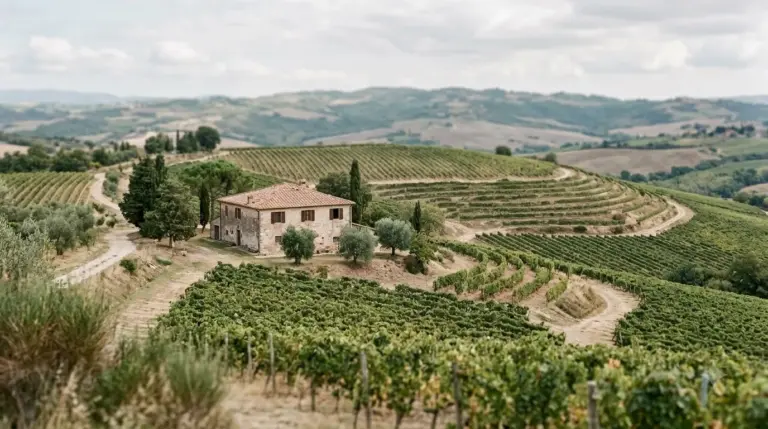
The Beaujolais region stretches across rolling hills just south of Mâcon and north of Lyon, where continental weather brings warm summers and cool autumns. In the northern hills, ancient granite and schist soils stress the Gamay vines and yield structured Cru wines, while flatter clay-limestone soils in the south produce lighter, everyday bottles. Outside France, Gamay has found smaller pockets of success in the Loire Valley, Oregon’s Willamette Valley, California, and Canada’s Niagara Peninsula.
Cabernet Sauvignon requires a longer, warmer growing season to fully ripen its thick skins without tasting overly green or vegetal. Its spiritual home is the Left Bank of Bordeaux, where gravel soils retain heat and produce restrained, age-worthy blends. In New World regions like California’s Napa Valley, Washington’s Columbia Valley, Chile’s Maipo Valley, and Australia’s Coonawarra, abundant sunshine pushes alcohol levels higher and amplifies plush dark fruit flavors.
How to Serve
Beaujolais tastes best with a noticeable chill around 54°F to 60°F (12°C to 15°C), while Cabernet Sauvignon should be served slightly cooler than room temperature at 60°F to 68°F (15°C to 20°C). Serving either bottle at the wrong temperature can flatten its best qualities.
Because Beaujolais is low in tannin and high in acidity, warmth makes it taste flat and overly alcoholic. Placing a bottle of Beaujolais Nouveau or Beaujolais-Villages in the refrigerator for 20 to 30 minutes before pouring sharpens its cranberry and raspberry snap. A standard tulip-shaped red wine glass or a Burgundy bowl works well to capture its floral bouquet, and decanting is rarely necessary except for structured, older Cru bottles.
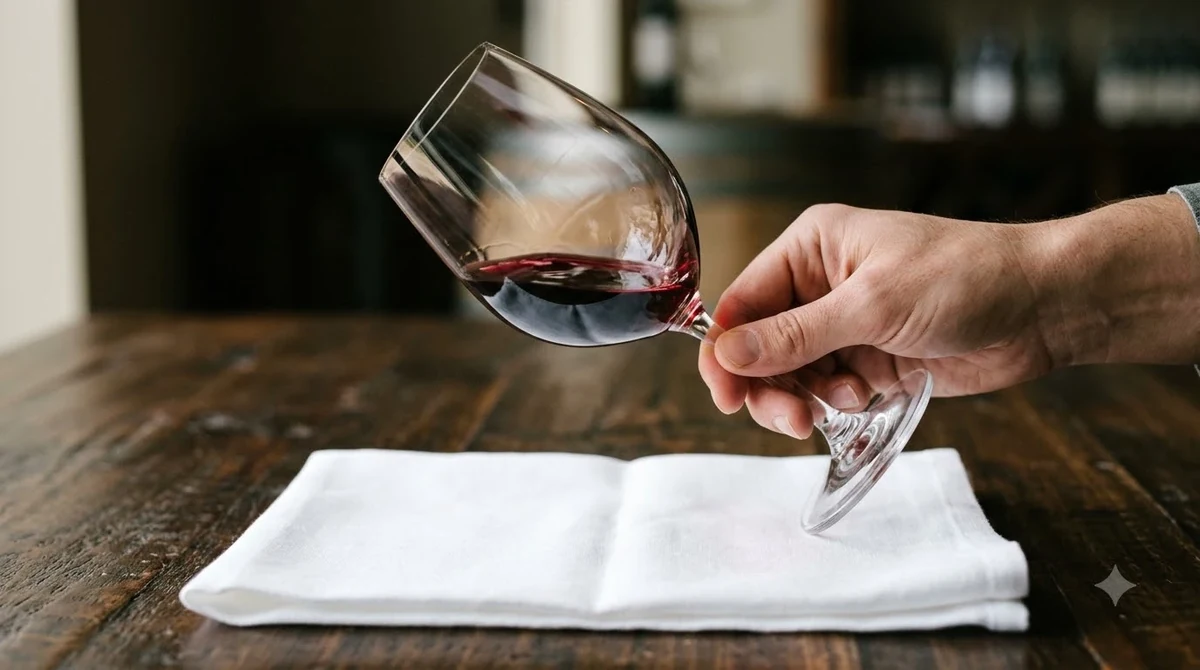
Cabernet Sauvignon needs warmer temperatures so its firm tannins soften and its complex cedar and dark fruit aromatics open up. However, modern American room temperatures around 72°F are still too warm and will make a 15 percent ABV Cabernet feel hot on the palate. Pour Cabernet Sauvignon into an oversized Bordeaux glass with a wide bowl, and give young bottles 30 to 60 minutes in a decanter to aerate before drinking.
Tip: If you are storing both wines at home, pull the Beaujolais from a cool cellar and put it in the fridge 20 minutes before dinner, while letting the Cabernet Sauvignon sit on the counter for 20 minutes to warm up slightly.
Food Pairing
Beaujolais pairs effortlessly with lighter meats, poultry, and tangy cheeses due to its brisk acidity, while Cabernet Sauvignon requires high-fat, savory dishes to tame its grippy tannins. Matching the weight of the wine to the weight of the dish prevents one from overpowering the other.
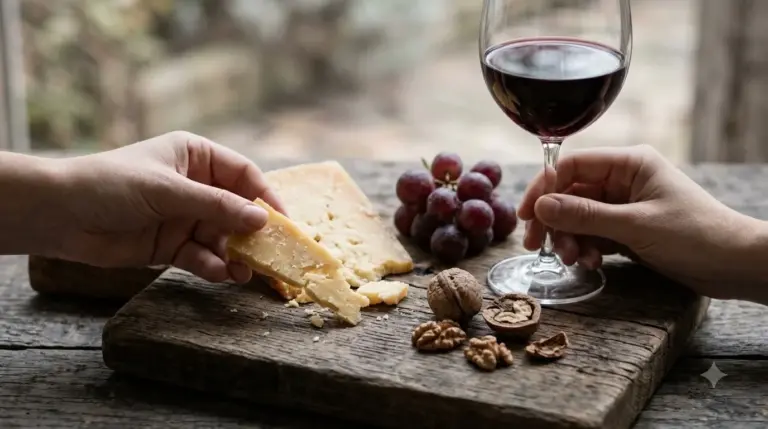
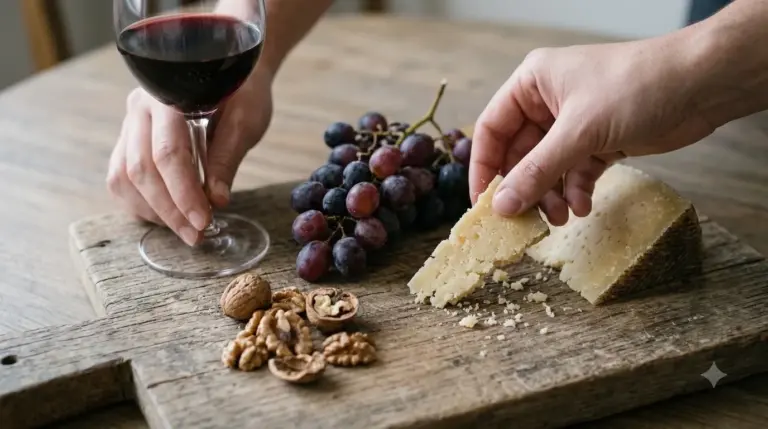
In French bistros, Beaujolais is the go-to red for charcuterie boards, cured ham, roast chicken, and herb-crusted pork tenderloin. Its high acidity slices cleanly through creamy goat cheese and Brie, and its low tannin level means it will not turn bitter alongside flaky salmon or seared tuna. That versatility makes it one of the easiest red wines to put on a Thanksgiving table with turkey and cranberry sauce.
Cabernet Sauvignon needs protein and fat—specifically marbling, butter, or rich sauces—to bind with its tannins on your palate. Grilled ribeye steak, braised short ribs, lamb chops, and aged Gruyère or sharp cheddar cheeses soften the astringency and allow the blackberry and cassis fruit to shine. If you are planning an Italian dinner, comparing cabernet sauvignon vs chianti or reading up on barolo vs cabernet sauvignon can help you decide whether to stick with Cabernet or switch to an Italian red for tomato-based and truffle dishes.
How to Choose a Bottle
Selecting between Beaujolais and Cabernet Sauvignon depends on your occasion, menu, and preference for crisp refreshment versus full-bodied intensity. Knowing what to look for on the label ensures you bring home the exact style you want.
Reach for Beaujolais when you want an approachable, food-friendly red for warm weather, casual weeknight meals, or mixed company where guests have different wine preferences. Look for “Beaujolais-Villages” on the label for reliable everyday fruit, or seek out one of the ten Cru names—like Fleurie for floral elegance or Morgon for earthy depth—when you want something more serious without heavy oak.
Choose Cabernet Sauvignon when you are serving red meat, sitting down for a slow evening sipper, or looking for a bottle to cellar for several years. Check the region on the label to dial in your preferred style: Bordeaux and Washington State deliver more savory, earthy structure, while Napa Valley and Australia offer riper, plush dark fruit with generous vanilla and spice notes. For more head-to-head style breakdowns, browse our Wine vs Wine archive.
Frequently Asked Questions
Is Beaujolais sweeter than Cabernet Sauvignon?
No, both Beaujolais and Cabernet Sauvignon are fermented completely dry with virtually no residual sugar. Beaujolais often seems sweeter on the palate because carbonic maceration emphasizes candied red berry and banana aromas alongside low tannins, creating a juicy impression rather than actual sugar sweetness.
Which wine has more alcohol, Beaujolais or Cabernet Sauvignon?
Cabernet Sauvignon has significantly higher alcohol, typically ranging from 13.5 percent to 15.5 percent ABV due to warm growing climates and ripe sugar levels. Beaujolais is grown in a cooler continental climate and generally sits between 10 percent and 13 percent ABV, making it noticeably lighter on the palate.
Can you age Beaujolais like Cabernet Sauvignon?
Standard Beaujolais and Beaujolais Nouveau are meant to be drunk fresh within one to three years of harvest, whereas quality Cabernet Sauvignon routinely ages for 10 to 20 years or more. However, structured Cru Beaujolais bottles from villages like Morgon and Moulin-à-Vent have enough acidity and concentration to age gracefully for 5 to 10 years.
If I like Pinot Noir, should I buy Beaujolais or Cabernet Sauvignon?
Pinot Noir fans will feel much more at home with Beaujolais than Cabernet Sauvignon. Gamay and Pinot Noir are genetic relatives that share a light-to-medium body, translucent ruby color, bright red fruit flavors, lively acidity, and gentle tannins.
Ultimately, Beaujolais and Cabernet Sauvignon are two complementary pillars of any well-rounded wine rack rather than direct competitors. Keep Beaujolais on hand for chilled, effortless sipping with poultry, salmon, and casual meals, and save Cabernet Sauvignon for hearty steaks, cool evenings, and long conversations.
More in Wine vs Wine
 Bordeaux vs Sauvignon Blanc: Key Differences in Taste, Blends, and PairingsUpdated Nov 21, 2026
 Bordeaux vs Shiraz: How to Choose Between Two Bold Red ClassicsUpdated Nov 21, 2026
 Bordeaux vs Rioja: Key Differences in Grapes, Oak, and AgingUpdated Nov 21, 2026
 Barolo vs Sangiovese: How Italy’s Iconic Red Wines CompareUpdated Nov 21, 2026
 Barolo vs Montepulciano: Key Differences in Taste, Aging, and PairingUpdated Nov 21, 2026
 Barolo vs Primitivo: Key Differences in Taste, Region, and PairingUpdated Nov 21, 2026