

We may earn a commission when you buy through links on this page, at no extra cost to you. Learn more.
The average calories in moscato land right around 102 to 123 calories per standard 5-ounce glass, depending on the specific style and alcohol level. While many wine drinkers assume a sweet white wine carries far more energy than a dry red or white, moscato’s naturally low alcohol by volume keeps its total count remarkably modest. A full 750-milliliter bottle typically holds between 510 and 635 calories, with a larger share coming from unfermented grape sugar rather than ethanol.
Understanding how wine calories work clears up one of the biggest misconceptions at the dinner table. Because moscato tastes lush, fruity, and distinctly sweet, it is easy to picture it as a heavy indulgence, yet a standard pour often matches or undercuts a glass of dry Chardonnay. Knowing how alcohol, residual sugar, and serving sizes interact helps you read any bottle label and estimate what is actually in your glass.
Calories in Moscato by Glass and Bottle Size
Serving size is the single biggest variable you control once a bottle is opened, and a standard US wine pour is 5 fluid ounces, which yields roughly five glasses from a standard 750-milliliter bottle. Most everyday moscato wines deliver around 120 to 123 calories per 5-ounce pour, whereas lighter Italian styles such as Moscato d’Asti sit closer to 102 calories for the exact same volume.
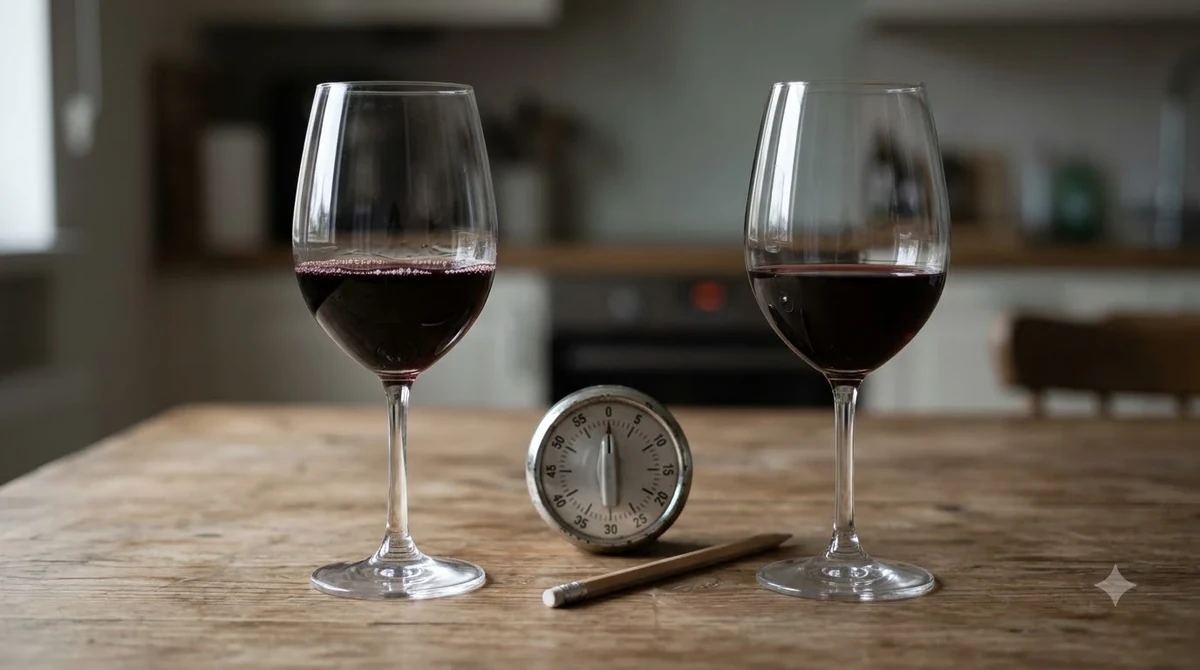
Home pours and oversized restaurant stemware frequently stretch a single serving to 6 or 8 fluid ounces without anyone noticing. Moving from a measured 5-ounce pour to a generous 8-ounce glass pushes a standard 123-calorie moscato closer to 197 calories, nearly doubling the intake from a single refill. Paying attention to the widest point of a standard white wine glass gives you a reliable visual benchmark for stopping right at the 5-ounce mark.
Looking at the whole bottle puts the numbers into broader perspective for a shared meal or weekend gathering. A 750-milliliter bottle of traditional low-alcohol Moscato d’Asti totals roughly 510 to 550 calories from top to bottom, while a standard 750-milliliter bottle of still or lightly sparkling American moscato reaches about 615 to 635 calories. If a bottle is labeled as a sweeter pink or red moscato blend, the total bottle count climbs slightly higher into the 675 to 715 calorie range.
| Serving Size | Moscato d’Asti (5.5% ABV) | Standard Moscato (7% to 10% ABV) | Pink or Red Moscato |
|---|---|---|---|
| 1 fl oz (tasting pour) | 20 calories | 25 calories | 27 calories |
| 5 fl oz (standard glass) | 102 calories | 123 calories | 135 to 138 calories |
| 6 fl oz (generous pour) | 122 calories | 148 calories | 162 to 166 calories |
| 8 fl oz (large glass) | 163 calories | 197 calories | 216 to 221 calories |
| 750 ml bottle (25.4 fl oz) | 510 calories | 625 calories | 675 to 690 calories |
Why Sweet Moscato Often Has Fewer Calories Than Dry Wine
The secret behind moscato’s relatively light calorie count lies in basic fermentation math: pure alcohol contains roughly 7 calories per gram, while residual grape sugar contains only 4 calories per gram. Because alcohol is nearly twice as calorie-dense as sugar by weight, a wine’s alcohol by volume (ABV) drives its total calorie load far more than its sweetness level.
During fermentation, yeast consumes natural grape sugars and converts them into ethanol and carbon dioxide. Winemakers craft classic moscato by chilling the tanks early to halt fermentation before all the sugar turns into alcohol. As Wine Folly notes in its Moscato d’Asti guide, authentic Italian Moscato d’Asti typically finishes around 5.5 percent ABV, which is less than half the alcohol strength of a standard 12 to 14 percent table wine.
That trade-off between ethanol and unfermented sugar explains why a sweet glass of moscato does not automatically outpace a bone-dry red. A 5-ounce pour of dry Cabernet Sauvignon at 14 percent ABV carries virtually zero sugar yet packs roughly 122 calories from alcohol alone. If you compare calories in cabernet sauvignon side by side with moscato, the total energy per glass is practically identical, even though the flavor profiles sit at opposite ends of the spectrum.
Comparing Different Styles of Moscato
Not every bottle labeled moscato follows the same winemaking blueprint, and small shifts in alcohol strength or added fruit infusions change the nutrition profile from one label to the next. Checking the front and back labels for the exact ABV percentage and regional designation tells you which calorie bracket a bottle falls into before you pull the cork.
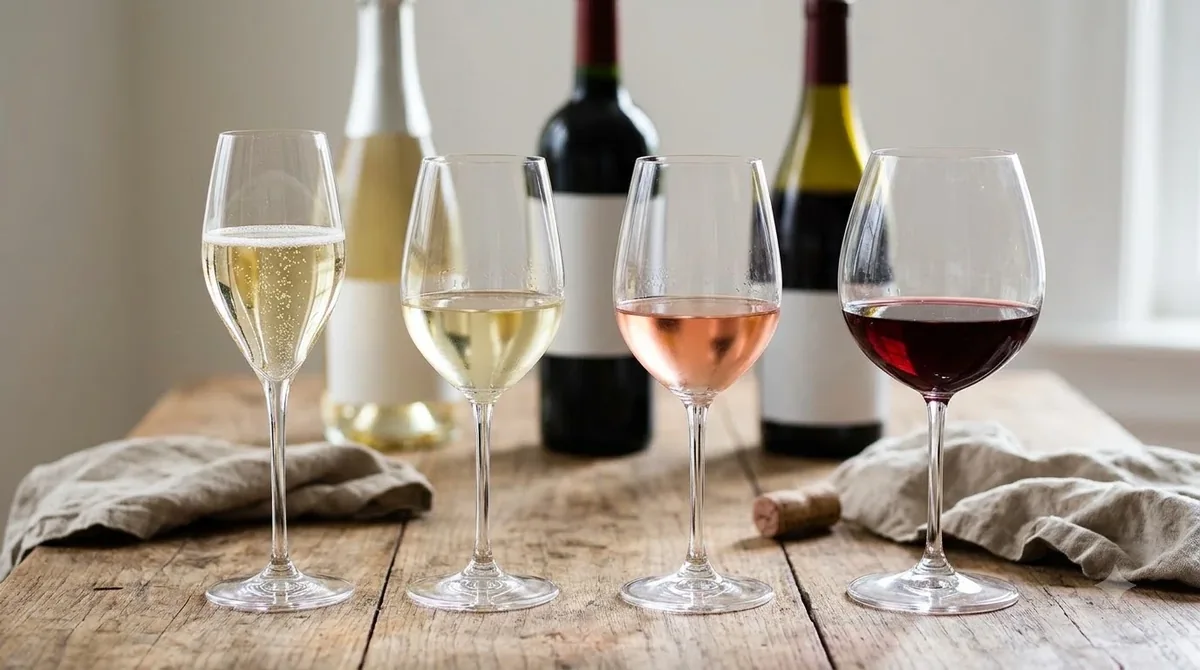
Classic Italian Moscato d’Asti DOCG is a lightly sparkling, or frizzante, white wine made from the Muscat Blanc à Petits Grains grape in Piedmont. Governed by strict regional rules that cap alcohol between 4.5 and 6.5 percent ABV, it delivers bright peach, orange blossom, and apricot notes alongside an average of 102 calories and roughly 13.5 grams of carbohydrates per 5-ounce glass. Its fully sparkling cousin, Asti Spumante, carries higher carbonation and slightly higher alcohol, placing a 5-ounce serving closer to 110 to 125 calories.
Still American and Australian moscatos are typically fermented a bit further, landing between 7 and 11 percent ABV with slightly less residual sugar than Italian frizzante styles. According to USDA nutrition data for Muscat table wine, a standard 5-ounce pour contains about 123 calories and 7.8 grams of carbohydrates. Pink moscato, which gets its blush hue from a splash of Merlot or Zinfandel, and red moscato, often crafted from Black Muscat, usually add extra sweetness and alcohol that push a 5-ounce serving to 135 or 143 calories.
Late-harvest and fortified dessert styles sit in a separate category altogether and deserve extra attention when portioning. Late-harvest moscato is made from grapes left on the vine until they dehydrate and concentrate their natural sugars, resulting in higher alcohol and syrupy richness that can bring a standard 5-ounce pour above 170 calories. For those reasons, sommeliers traditionally serve late-harvest Muscat in smaller 2- to 3-ounce dessert glasses.
How Moscato Compares to Other Popular Wines
Placing moscato alongside everyday red, white, and sparkling wines highlights how closely most table wines cluster around the 120-calorie mark. As Wine Enthusiast explains in its guide to wine calories, a standard five-ounce pour of most dry wines hovers around 120 calories, give or take, depending on residual sugar and alcohol levels.
Dry white wines such as Pinot Grigio, Sauvignon Blanc, and Chablis usually fall between 105 and 120 calories per 5-ounce glass because they ferment completely dry while keeping moderate alcohol levels around 12 to 12.5 percent ABV. Full-bodied California Chardonnay, which often reaches 14 percent ABV, climbs to roughly 118 to 123 calories per glass—right in line with standard still moscato.
Light-bodied red wines show a similar pattern when compared against sweet white bottles. Reviewing the calories in pinot noir reveals that a 5-ounce pour averages 113 to 120 calories, meaning a glass of Moscato d’Asti actually contains fewer calories than most Oregon or California Pinot Noirs. Even mixed wine drinks behave differently; checking the calories in sangria shows how added fruit juices, liqueurs, and sweeteners push punch-style wine drinks closer to 150 to 200 calories per glass, well above a straight pour of moscato.
Tip: Check the ABV number printed on the bottom corner of the front label—bottles listing 5 to 6 percent ABV will almost always stay near 100 calories per 5-ounce glass, while bottles at 9 to 11 percent ABV sit closer to 125 to 140 calories.
Sugar, Carbs, and Serving Strategies for Moscato
While moscato’s total calorie count rivals dry table wines, the source of those calories differs dramatically. In a dry Chardonnay or Pinot Noir, roughly 90 percent of the calories come from alcohol and only about 10 percent come from trace carbohydrates. In a standard moscato, unfermented grape sugars account for roughly 25 to 35 percent of the total calories, delivering anywhere from 7.8 to 13.5 grams of carbohydrates per 5-ounce pour.
Because moscato contains zero fat and only trace amounts of protein—around 0.1 to 0.5 grams per glass—every calorie comes strictly from ethanol and residual sugar. Anyone tracking daily carbohydrates rather than overall calories will notice that a single glass of sweet moscato carries two to four times the carb count of a dry white wine. Keeping an eye on both numbers makes it much easier to fit moscato into different dining routines across the broader spectrum of Wine by Type.
Simple serving habits let you enjoy moscato’s signature floral aroma and stone-fruit sweetness without accidentally doubling your pour. Serving the bottle well chilled at 40 to 45 degrees Fahrenheit keeps the natural acidity crisp and refreshing, which naturally slows down sipping compared to warm sweet wine. Using a smaller white wine glass or topping a 3-ounce pour of moscato with plain chilled club soda creates a bright, aromatic spritzer that cuts both calories and sugar by nearly half while preserving every bit of peach and orange-blossom character.
Frequently Asked Questions
How many calories are in a 5 oz glass of moscato?
A standard 5-ounce glass of moscato contains between 102 and 123 calories on average. Traditional Italian Moscato d’Asti sits at the lower end around 102 calories due to its 5.5 percent ABV, while standard still moscato averages 123 calories according to USDA Muscat wine data.
Does moscato have more calories than dry white wine?
No, moscato generally has the same or slightly fewer calories than dry white wine. Although moscato contains more sugar, its lower alcohol content offsets the difference because alcohol carries 7 calories per gram compared to 4 calories per gram for sugar.
How many calories are in a whole bottle of moscato?
A standard 750-milliliter bottle of moscato holds roughly 510 to 635 calories, depending on the style and alcohol level. Low-alcohol Moscato d’Asti totals around 510 calories per bottle, whereas sweeter pink or red moscato blends can reach 675 to 715 calories.
How many carbs and grams of sugar are in moscato?
A 5-ounce glass of standard moscato contains about 7.8 grams of carbohydrates, while sweeter styles like Moscato d’Asti average around 13.5 grams of carbohydrates per 5-ounce pour. Virtually all of those carbohydrates come from unfermented grape sugars left behind when fermentation is halted early.
Moscato proves that a sweet, aromatic wine does not have to carry a heavy calorie load. By choosing low-ABV styles like Moscato d’Asti and sticking to a measured 5-ounce pour, you can enjoy its bright peach and floral notes at around 102 to 123 calories a glass. Checking the alcohol percentage on the bottle remains the quickest way to know exactly what to expect before you pour.
More in Wine Types & Grapes
 Zinfandel Sugar Content: Dry Red vs. White Zinfandel GramsUpdated Nov 21, 2026
 Best Zinfandel Substitute Options for Sipping and CookingUpdated Nov 21, 2026
 Zweigelt Food Pairing: Best Dishes, Cheeses, and Serving TipsUpdated Nov 21, 2026
 Zinfandel Tannins Explained: How Structure Shapes Every BottleUpdated Nov 21, 2026
 Zinfandel Sweetness Level: Dry Red vs. Sweet White Zin ExplainedUpdated Nov 21, 2026
 Xinomavro Food Pairing: Best Dishes, Styles, and Serving TipsUpdated Nov 21, 2026