

We may earn a commission when you buy through links on this page, at no extra cost to you. Learn more.
The best zweigelt food pairing options center on dishes with moderate richness, savory herbs, and light smokiness, including roast chicken, grilled sausages, pork schnitzel, and aged semi-hard cheeses. Because this Austrian red balances bright sour cherry and raspberry fruit with lively acidity and soft tannins, it refreshes the palate without overpowering delicate proteins. Serving young, unoaked bottles slightly chilled expands its range to backyard barbecue fare, tomato-based pastas, and mushroom-driven vegetarian plates.
As Austria’s most widely planted red grape, Zweigelt offers the everyday versatility that many home cooks look for in Pinot Noir or Beaujolais, yet it remains far less familiar on American dinner tables. Understanding how its two distinct styles—crisp, stainless-steel bottlings and fuller, oak-aged reserves—interact with fat, salt, and spice turns a single bottle into a reliable partner for weeknight meals and holiday roasts alike.
What Zweigelt Is and How It Tastes
Created in Austria in 1922 as a crossing of St. Laurent and Blaufränkisch, Zweigelt combines the silky red-berry aromatics of the former with the peppery spice and brisk acidity of the latter. The resulting wines are medium-bodied, deeply colored, and defined by pure fruit rather than heavy astringency.
In the glass, primary aromas typically lean toward tart red cherry, wild raspberry, and cranberry, layered with subtle notes of black pepper, licorice, and occasionally bitter dark chocolate on the finish. Reviewers at Wine Folly describe Zweigelt as a bright, tart, and fruity red that excels at the picnic table because its zippy acidity cuts through rich foods cleanly. Unlike Cabernet Sauvignon or Syrah, standard bottlings rarely feel heavy or mouth-drying.
That structural balance explains why it shares culinary territory with blaufrankisch food pairing strategies while offering a softer, more fruit-forward entry point. Where Blaufränkisch leans darker, firmer, and more mineral-driven, Zweigelt stays approachable right upon release. Winemakers in regions like Burgenland produce it in two main expressions, and knowing which style sits in your glass is the first step toward matching it with dinner.
Matching Zweigelt Styles to the Menu
Not every bottle of Zweigelt behaves the same way at the table; unoaked, youthful releases demand lighter fare than structured, barrel-aged reserves. Separating the grape into its two core winemaking styles makes menu planning straightforward.
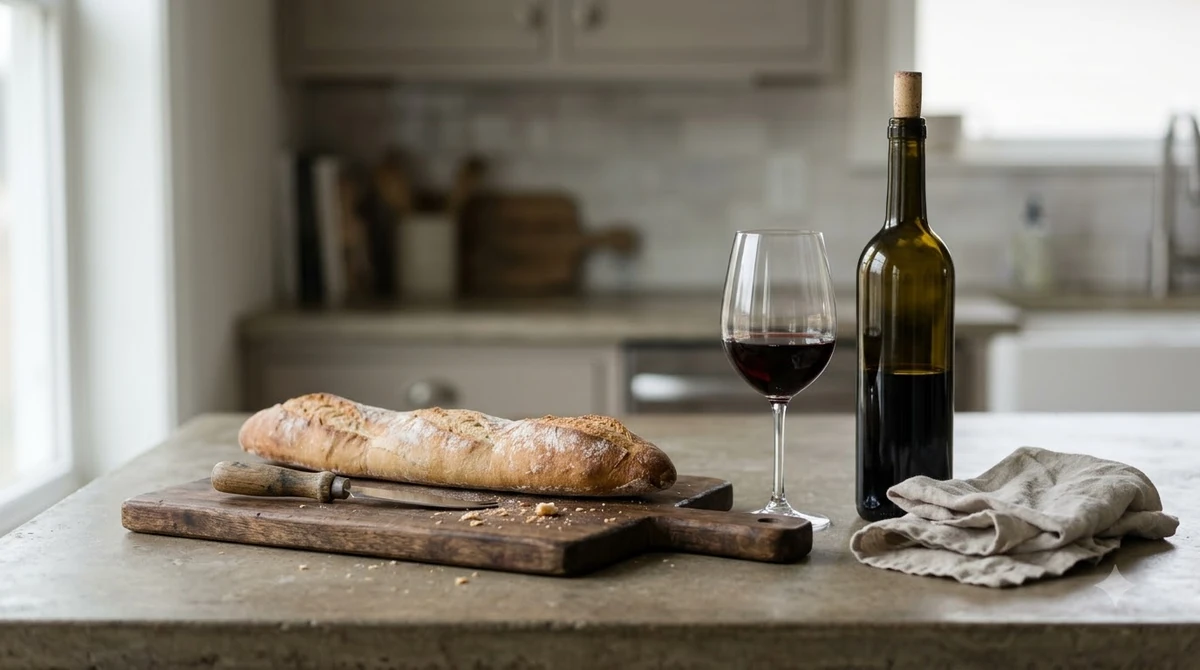
Classic, unoaked Zweigelt—often fermented and aged in stainless steel or large neutral wooden casks—emphasizes crunchy red fruit, brisk acidity, and minimal tannin. Under Austria’s Neusiedlersee DAC regulations, dry classic bottlings must reach a minimum of 12 percent alcohol by volume, keeping them nimble and refreshing. These bottles thrive alongside lighter meats, cured charcuterie, and warm-weather dishes where a heavy red would taste clumsy.
Reserve bottlings, by contrast, spend time in smaller oak barriques and require a minimum of 13 percent alcohol by volume in the Neusiedlersee DAC. Oak aging rounds out the tart cherry edges, deepens the color, and adds layers of baking spice, toasted vanilla, and firmer tannin. These fuller-bodied wines step up comfortably to braised game, roasted beef, and dishes finished with rich pan reductions that would overwhelm a lighter red.
Best Meat and Poultry Pairings
Poultry and pork sit at the heart of classic Zweigelt pairings because their moderate fat content matches the wine’s medium body without masking its red-berry aromatics. Traditional Austrian kitchens lean on this synergy every day, pairing local bottles with breaded cutlets, sausages, and slow-roasted meats.
Roast chicken, turkey, and duck breast are natural partners, especially when seasoned with thyme, rosemary, or black pepper. The wine’s natural acidity cuts cleanly through crisp poultry skin and dark-meat richness, while its tart cherry notes act much like a cranberry compote on the plate. According to the Austrian Wine Marketing Board, lightly chilled young Zweigelt also pairs effortlessly with roast goose, bratwurst, and pork skewers.
For American weeknight cooking, that translates directly to pan-seared pork chops, baby back ribs with a tangy rather than overly sugary glaze, and grilled gourmet sausages. When grilling burgers or marinated flank steak, reach for an oak-aged Reserve bottling so the wine’s extra grip and spice can stand up to the char and beef fat.
Vegetarian, Pasta, and Cheese Pairings
Zweigelt’s lively acidity and earthy undertones make it an equally strong companion for meatless mains, tomato sauces, and artisan cheese boards. Because its tannins stay gentle, the wine avoids the metallic clash that firmer reds often trigger with acidic vegetables.
Sautéed wild mushrooms, roasted root vegetables, and lentil stews echo the subtle forest-floor and pepper notes present in cooler-climate bottlings. Tomato-driven dishes—such as Margherita pizza, baked pasta with marinara, or roasted tomato soup paired with a grilled cheese sandwich—benefit from the wine’s matching brightness, which keeps the dish tasting fresh rather than flat. In similar fashion to carignan food pairing approaches, Zweigelt bridges herbal Mediterranean flavors and rustic comfort food with ease.
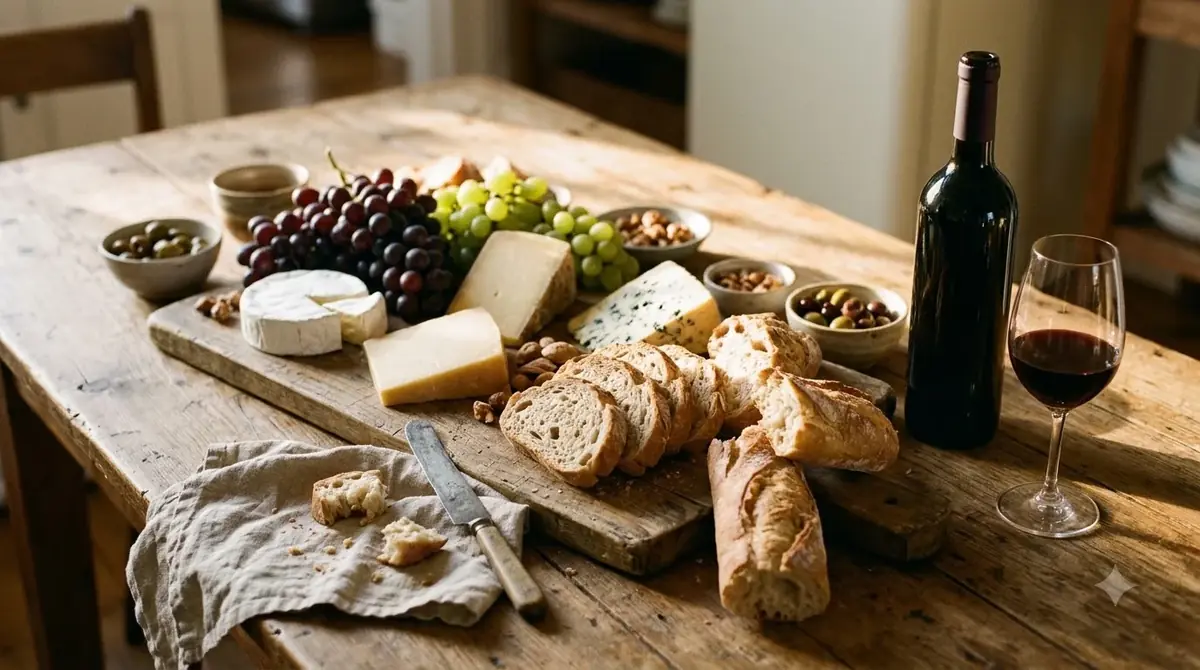
On a cheese board, young, unoaked Zweigelt shines alongside semi-soft and bloomy-rind selections like Brie, Camembert, Havarti, and young Gouda, where its crisp fruit cleanses the creamy palate. Wine Enthusiast notes that young, fruity, unoaked Zweigelt also works surprisingly well with pungent blue cheeses like Stilton, as the wine’s juicy berry core balances the sharp, salty veins of mold.
Quick Zweigelt Food Pairing Reference
Use the table below to match the specific style of Zweigelt you have on hand with complementary proteins, vegetarian dishes, and cheeses.
| Zweigelt Style | Key Flavor Traits | Ideal Food Pairings | Why It Works |
|---|---|---|---|
| Classic / Unoaked (12%–12.5% ABV) | Tart red cherry, raspberry, white pepper, crisp acidity, soft tannins | Roast chicken, pork schnitzel, grilled bratwurst, Margherita pizza, Brie, Camembert | High acidity cuts through fried or creamy textures while bright fruit refreshes the palate |
| Lightly Chilled Young Bottling | Crunchy cranberry, sour cherry, lively finish | Barbecue chicken, macaroni salad, charcuterie boards, roasted salmon, mushroom flatbread | Chilling tightens the fruit profile and makes the wine feel crisp alongside picnic and outdoor fare |
| Oak-Aged Reserve (13%+ ABV) | Dark cherry, blackberry, licorice, baking spice, firmer tannins | Duck breast, grilled burgers, braised beef, venison, aged Gouda, Stilton | Barrel spice and fuller structure stand up to richer proteins, dark pan sauces, and salty aged cheeses |
When exploring different Wine by Type options for a multi-course meal, keeping one classic bottling and one Reserve on the counter lets you transition smoothly from appetizers through the main course.
Serving Temperature and Glassware Tips
Serving Zweigelt slightly cooler than standard room temperature is the single easiest way to preserve its vibrant fruit and keep its acidity feeling crisp at the table. Overly warm red wine loses focus, causing alcohol and bitterness to overshadow its delicate berry aromatics.
Aim for a serving window between 55 and 60 degrees Fahrenheit, which corresponds to roughly 12 to 15 degrees Celsius. Placing a bottle in the refrigerator for 20 to 30 minutes before dinner brings it right into this sweet spot, making it especially refreshing alongside salty charcuterie or grilled meats. For fuller-bodied Reserve wines aged in barrique, letting the bottle warm slightly toward the upper end of that range allows the oak spice and dark chocolate notes to open up.
Pour the wine into a medium-sized red wine glass with a moderately wide bowl—often labeled an aroma collector or Pinot Noir glass—to capture its floral and cherry aromatics. Giving younger, tighter bottles about 30 minutes of air in a decanter can also soften any initial tartness on the finish before the first course arrives.
Tip: If you are hosting an outdoor cookout or holiday buffet with mixed dishes, put an unoaked bottle of Zweigelt in an ice bucket for 15 minutes before serving; the gentle chill turns it into a crowd-pleasing bridge between white-wine poultry dishes and red-wine meats.
Foods and Flavors to Avoid
While Zweigelt handles a remarkably wide range of everyday ingredients, a few extreme flavor profiles can throw its delicate balance off track. Knowing what to keep off the menu prevents unpleasant bitterness or clashes on the palate.
Very fiery chili heat—such as habanero wings, vindaloo curries, or dishes loaded with raw cayenne—amplifies the perception of alcohol and dryness in dry red wines. When your menu leans heavily into capsaicin heat or sweet-and-sour glazes, switching to an aromatic white like grenache blanc food pairing selections or an off-dry Riesling will protect your palate far better than a dry Austrian red.
Similarly, delicate white fish like poached cod or sole can taste metallic next to Zweigelt’s red-berry tannins, even when the wine is served chilled. Reserve your bottle for meatier, richer fish such as cedar-plank salmon or grilled tuna, and avoid pairing dry Zweigelt with desserts sweeter than the wine itself, which will make the finish taste thin and sour.
Frequently Asked Questions
Should Zweigelt be served chilled with food?
Yes, serving Zweigelt slightly chilled between 55 and 60 degrees Fahrenheit brings out its bright cherry and raspberry fruit while keeping the acidity crisp. A quick 20 to 30 minutes in the refrigerator before dinner makes unoaked bottles especially refreshing alongside poultry, sausages, and picnic dishes.
Is Zweigelt similar to Pinot Noir for food pairing?
Zweigelt shares Pinot Noir’s medium body, soft tannins, and affinity for roast poultry, mushrooms, and salmon, making it an easy substitute at the table. However, Zweigelt typically delivers juicier sour-cherry fruit and a distinct snap of black pepper from its Blaufränkisch parentage, giving it extra versatility with grilled meats and barbecue.
What cheese pairs best with Zweigelt?
Young, unoaked Zweigelt pairs best with creamy, bloomy-rind cheeses like Brie and Camembert or semi-soft styles such as Havarti and young Gouda. If you are pouring a richer, oak-aged Reserve bottling, try aged Gouda, sharp cheddar, or crumbly blue cheeses like Stilton to match the wine’s deeper fruit and spice.
Can you pair Zweigelt with spicy food?
Zweigelt handles mild black pepper, paprika, and savory herb rubs very well, which is why it shines with sausages and dry-rubbed barbecue chicken. However, intense chili heat will accentuate the wine’s dryness and alcohol, so save it for mildly spiced dishes rather than fiery curries or hot wings.
Whether you pull a chilled, unoaked bottle from the fridge for Tuesday night roast chicken or uncork an oak-aged Reserve for weekend duck breast, Zweigelt rewards simple, flavorful cooking. Keep the serving temperature cool, match the weight of the bottle to the richness of your sauce, and let its bright Austrian acidity tie the meal together.
More in Wine Types & Grapes
 Zinfandel Sugar Content: Dry Red vs. White Zinfandel GramsUpdated Nov 21, 2026
 Best Zinfandel Substitute Options for Sipping and CookingUpdated Nov 21, 2026
 Zinfandel Tannins Explained: How Structure Shapes Every BottleUpdated Nov 21, 2026
 Zinfandel Sweetness Level: Dry Red vs. Sweet White Zin ExplainedUpdated Nov 21, 2026
 Xinomavro Food Pairing: Best Dishes, Styles, and Serving TipsUpdated Nov 21, 2026
 Zinfandel Cocktail Recipes and Mixing Guide for Every SeasonUpdated Nov 21, 2026