

We may earn a commission when you buy through links on this page, at no extra cost to you. Learn more.
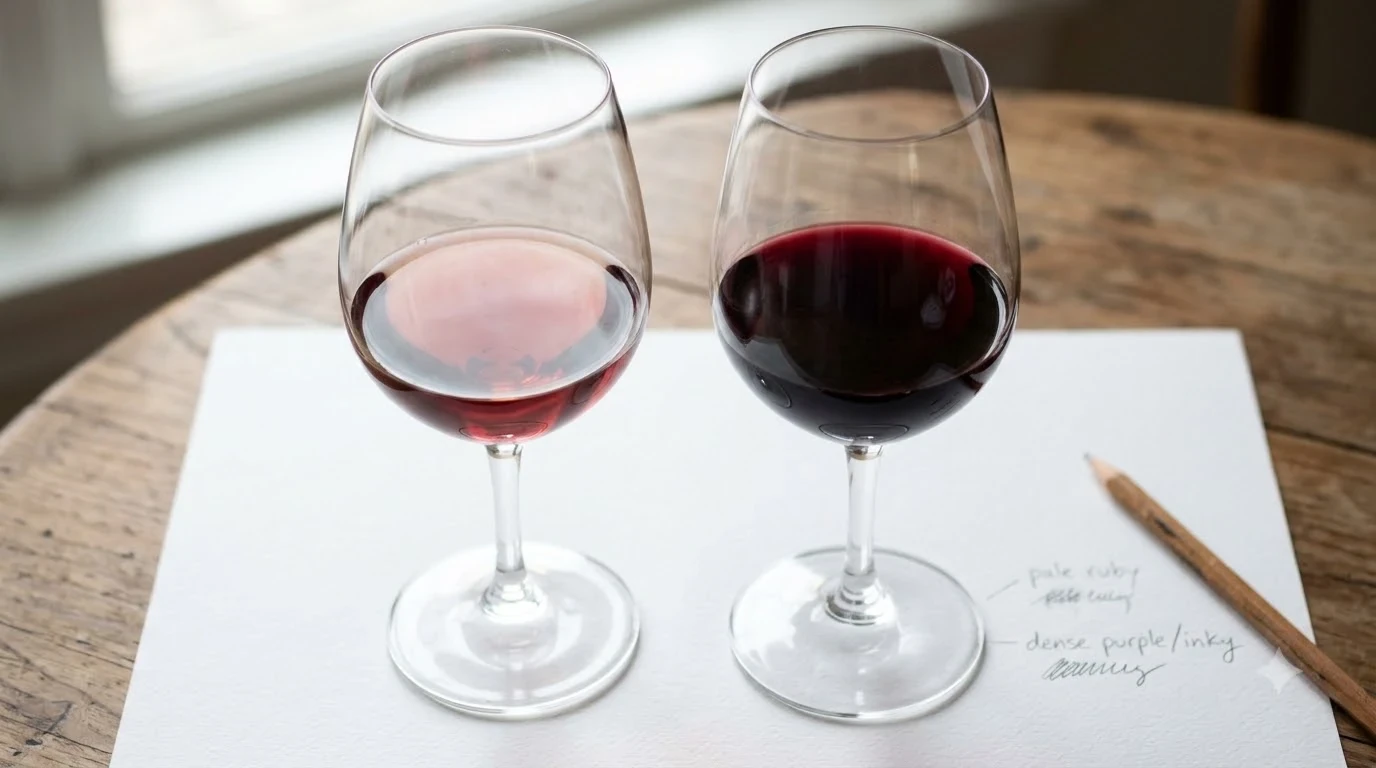
The best xinomavro food pairing options rely on rich proteins, savory herbs, and slow-cooked fats to balance the grape’s brisk acidity and firm tannins. Native to northern Greece, this pale ruby red wine brings distinct notes of dried tomato, Kalamata olive, and tart red berries that naturally complement roasted lamb, braised beef stews, wild mushroom risotto, and aged hard cheeses. Because xinomavro shares the structural backbone of Italian Nebbiolo, it thrives alongside hearty, umami-driven dishes while clashing with delicate raw seafood or overly sweet sauces.
Pronounced ksi-NO-mah-vroh, Greece’s premier northern red grape translates literally to “acid black,” an immediate clue to what happens when you pour a glass. Reviewers at Wine Folly note that the variety pours a surprisingly translucent ruby yet delivers high acidity, gripping tannins, and an extraordinary capacity to age for 10 years or more. Understanding how that structural tension interacts with salt, fat, and umami turns a complex bottle into an effortless dinner companion across Greek classics and everyday comfort foods alike.
What It Is and Why It Loves Food
Xinomavro is the signature indigenous red wine grape of northern Greece, prized by sommeliers for combining the pale color and perfume of Pinot Noir with the muscular tannic grip of Nebbiolo. That dual personality makes it one of the most food-dependent reds in the Mediterranean.
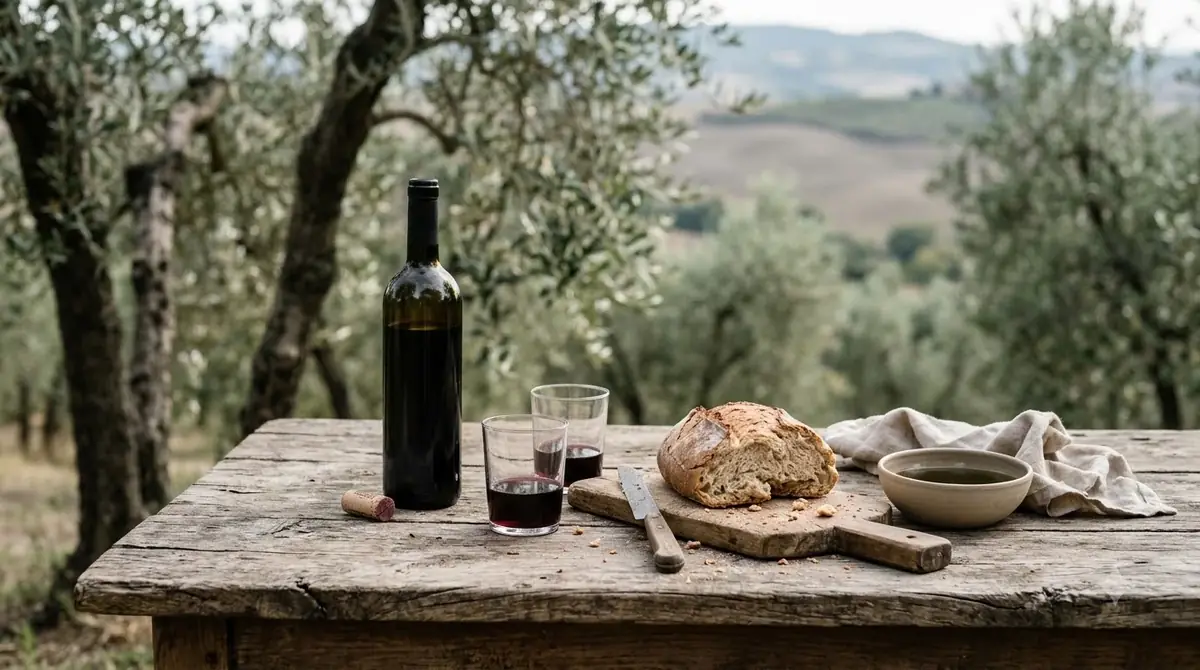
When tasted entirely on its own in its youth, xinomavro can feel austere, linear, and sharply acidic. The grape’s naturally high malic and tartaric acid levels make the mouth water instantly, while thick skins contribute mouth-coating tannins that demand something substantial on the plate. Once paired with marbled meat, olive oil, or melted cheese, those harsh edges soften, revealing layers of raspberry, plum sauce, anise, allspice, and dried rose petals.
What sets xinomavro apart from almost every other major red variety is its unmistakable savory signature. Alongside tart red fruit, the grape naturally produces aromatic compounds reminiscent of sun-dried tomato, tomato leaf, black olive, and wild Mediterranean herbs like oregano and thyme. Instead of competing with savory cooking ingredients, the wine mirrors them, creating a natural bridge between the glass and the plate at the dinner table.
If you enjoy pairing high-acid, earthy European reds with hearty meals, you will recognize the same culinary logic behind blaufrankisch food pairing. Both grapes rely on lively freshness rather than heavy residual sugar or jammy fruit to cut through rich, slow-cooked dishes.
Flavor Profile and Wine Styles
Xinomavro spans several distinct styles depending on vineyard elevation, oak aging, and whether winemakers blend it with softer local grapes. Traditional dry reds range from medium-bodied, fragrant expressions to dense, barrel-aged bottles, alongside crisp rosés and traditional-method sparkling wines.
A classic 100 percent varietal dry red typically carries an alcohol level between 13.5% and 15% ABV, yet rarely tastes heavy or hot thanks to its piercing acidity. Young bottles burst with sour cherry, wild strawberry, cranberry, and fresh tomato leaf, backed by firm, chalky tannins. After five to ten years in the cellar—or extended aging in oak or traditional walnut barrels—the fruit shifts toward dried fig, stewed plum, leather, tobacco, and forest floor, while the tannins mellow into a silky, savory finish.
Not every bottle demands a decade of patience. Winemakers increasingly craft early-drinking styles from younger vines that emphasize bright red berries and floral notes with gentler extraction. In cooler pockets of northern Greece, producers also vinify xinomavro as a pale, bone-dry still rosé or a traditional-method sparkling rosé bursting with tart pomegranate and blood orange flavors. Exploring Wine by Type shows just how rare it is for a single black-skinned grape to succeed across still red, rosé, and sparkling formats.
Tip: If you are new to xinomavro and find traditional bottles too tannic, look for labels marked “Young Vines” or blends from Goumenissa, which soften the grape’s angular grip for earlier enjoyment.
Where It Grows and Regional Expressions
Nearly all commercial xinomavro grows in northern Greece, primarily across the mountainous regions of Macedonia and neighboring Thessaly. High elevations, cool night breezes, and poor limestone or clay soils slow down ripening, allowing the late-harvesting grape to reach full phenolic maturity while retaining its signature freshness.
According to Wine Enthusiast, hillside vineyards and careful canopy management are essential because xinomavro is sensitive to disease pressure and needs a long growing season. Different Protected Designation of Origin (PDO) zones in northern Greece highlight very different facets of the grape:
- Naoussa PDO: The historic heartland of xinomavro on the eastern slopes of Mount Vermio. Wines here must be 100 percent xinomavro and are celebrated for deep structure, dried tomato and olive aromatics, and decades-long aging potential.
- Amyndeo PDO: Located on a cooler, high-altitude plateau near lakes, this is the only Greek appellation permitted to produce dry rosé and sparkling wines alongside reds from 100 percent xinomavro. Expect brighter red berry fruit and lighter body.
- Goumenissa PDO: Situated north of Thessaloniki, Goumenissa blends at least 80 percent xinomavro with up to 20 percent Negoska, a local grape that adds deeper color, softer tannins, and riper plum fruit.
- Rapsani PDO: Perched on the lower slopes of Mount Olympus in Thessaly, Rapsani blends xinomavro with Krassato and Stavroto, yielding earthy, spiced reds with mineral drive and approachable warmth.
Best Food Pairings by Dish Category
To build a successful xinomavro food pairing, match the wine’s high acid and firm tannins with dishes rich in fat, protein, umami, or tomato-based acidity. The table below outlines top pairings across classic Greek dishes and everyday international cooking.
| Dish Category | Specific Dish Examples | Best Xinomavro Style | Why the Pairing Works |
|---|---|---|---|
| Slow-Cooked Lamb & Beef | Braised lamb shanks, beef stifado, osso buco, pot roast | Aged Naoussa PDO or Reserve red | Rich animal fats and collagen coat the wine’s gripping tannins, making the palate feel smooth while acidity cuts heaviness. |
| Tomato & Baked Pasta Dishes | Moussaka, pastitsio, baked ziti, pasta puttanesca, ragù | Classic dry Naoussa or Rapsani PDO | High wine acidity prevents tomato sauces from tasting metallic, while savory olive and tomato notes echo the dish. |
| Grilled & Roasted Meats | Lamb souvlaki, pork chops with oregano, dry-aged ribeye, duck breast | Goumenissa PDO blend or youthful Naoussa | Charred meat proteins bind with polyphenols in the wine, amplifying sweet red fruit and baking spice flavors. |
| Earth & Umami Vegetarian | Wild mushroom risotto, grilled portobellos, truffle pasta, stuffed eggplant | Mature xinomavro (5+ years old) | Aged xinomavro develops forest-floor, leather, and dried-fig notes that harmonize with earthy fungi and roasted vegetables. |
| Aged & Salty Cheeses | Graviera, kefalotyri, aged feta, Parmigiano-Reggiano, aged cheddar | Any dry red or sparkling rosé | Salt and crystalline proteins tame astringency and bring out underlying strawberry and cherry sweetness. |
| Light Seafood & Mezze | Grilled octopus, fried calamari, spanakopita, dolmades | Amyndeo still or sparkling rosé | Crisp berry acidity refreshes the palate between bites of fried snacks and herb-filled pastries without overpowering seafood. |
Greek cuisine provides the most natural blueprint because local dishes evolved alongside the grape over centuries. Slow-braised beef stifado—simmered with pearl onions, cinnamon, bay leaf, and red wine—mirrors xinomavro’s natural allspice and clove undertones. Similarly, a layered moussaka baked with spiced lamb, roasted eggplant, tomato, and creamy béchamel hits every structural requirement: fat to tame the tannins, tomato acidity to match the wine’s brightness, and warm herbs to bridge the aromatics.
Beyond Greek taverna classics, xinomavro shines with Italian and French comfort food. Think porcini mushroom risotto, duck confit, cassoulet, or a charred burger topped with caramelized onions and sharp cheddar. Much like carignan food pairing, rustic roasted vegetables drizzled with good olive oil and dried oregano turn into an effortless weeknight match when poured next to a young, vibrant bottle.
Foods to Avoid with Xinomavro
Because xinomavro has intense tannins and sharp acidity, certain ingredients clash aggressively with its structure and leave a bitter or metallic aftertaste. Knowing what to keep off the menu is just as helpful as choosing the right main course.
Skip delicate raw fish such as sushi, sashimi, or unadorned oysters. The wine’s astringent tannins bind with compounds in raw seafood, creating an unpleasant fishy, metallic sensation on the finish. Similarly, light green salads dressed only in sharp citrus vinaigrette can make the wine feel thin and overly sour, unless balanced with salty feta, olives, or grilled meats.
Avoid sugary glazes, sweet barbecue sauces, and desserts. Residual sugar in food strips away perceived fruitiness in dry, high-acid red wines, leaving xinomavro tasting harsh, bitter, and excessively tart. Fiery chili heat—such as habanero salsa or ultra-spicy curries—also amplifies alcohol warmth and makes firm tannins feel scratchy. If you are serving spicy grilled chicken or light seafood, reach for a crisp white instead; our guide to grenache blanc food pairing covers richer whites built for tricky dishes.
How to Serve and Decant Xinomavro
Proper serving temperature and aeration dramatically improve xinomavro’s texture, softening youthful tannins while opening up its complex floral and savory bouquet. Treating it like a warm, plush Cabernet Sauvignon will mute its perfume and accentuate alcohol.
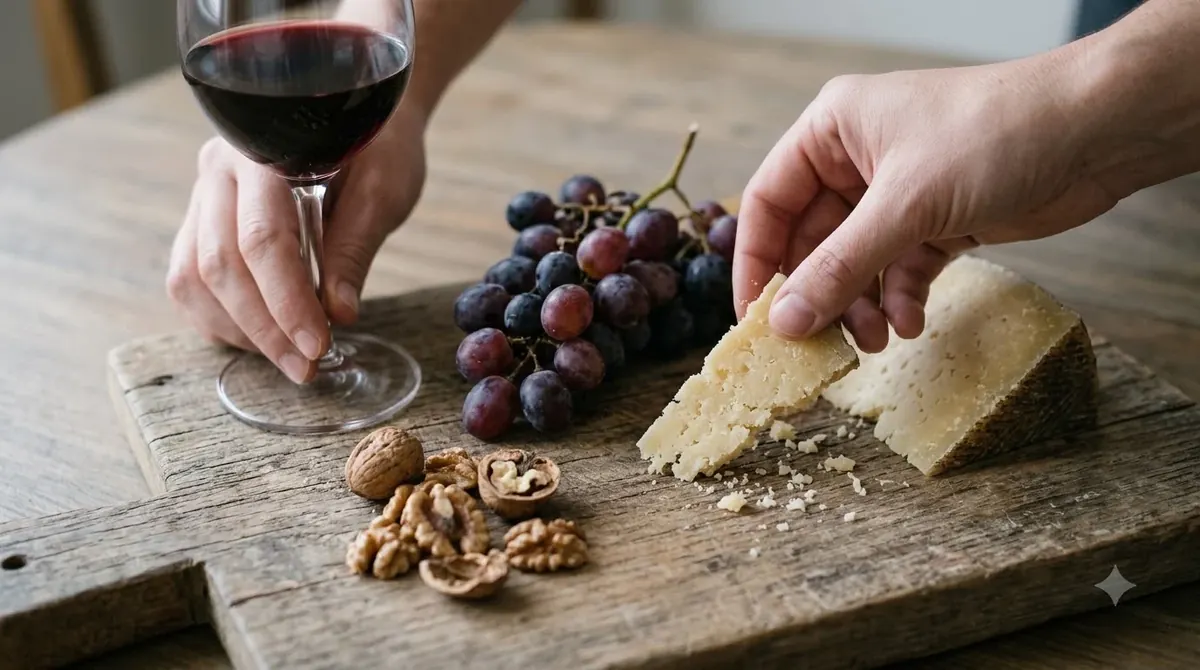
Serve red xinomavro slightly cool at 55°F to 60°F (12°C to 15°C), roughly 20 to 30 minutes in the refrigerator before pouring. Serving it in this range keeps the high acidity crisp and focuses the rose petal, sour cherry, and spice aromas. Still and sparkling xinomavro rosés perform best colder, around 45°F to 50°F (7°C to 10°C), straight from the fridge.
Give young red bottles at least one hour in a wide-bottomed decanter before dinner. Oxygen exposure helps polymerize aggressive tannins and blows off any initial reductive, earthy funk, letting the red berry fruit shine through. Pour the wine into oversized, wide-bowled Burgundy or Nebbiolo glasses so the delicate floral and herbal aromatics can collect above the rim. For mature bottles aged 10 years or longer, stand the bottle upright a day ahead to let sediment settle, then decant gently for 30 minutes purely to remove sediment without over-oxidizing fragile aged flavors.
Frequently Asked Questions
Does xinomavro taste like Nebbiolo or Pinot Noir?
Xinomavro shares traits with both grapes despite having no genetic relationship to either. Visually and aromatically, its translucent ruby color and floral, red-berry perfume resemble Pinot Noir, while its firm tannins, high acidity, and decade-plus aging potential closely mirror Italian Nebbiolo. Its signature twist is an unmistakable savory streak of sun-dried tomato and black olive.
Can you pair xinomavro with vegetarian food?
Yes, xinomavro is a standout red wine for hearty, umami-rich vegetarian dishes. Wild mushroom risotto, roasted eggplant parmesan, lentil stews, and grilled portobello mushrooms all provide the earthy depth and savory texture needed to balance the wine’s acidity and tannins. Simply include plenty of olive oil, aged cheese, or nuts to soften the wine’s grip.
How long should you decant xinomavro before dinner?
Decant young red xinomavro for about one hour before serving to soften its firm tannins and release its red fruit and spice aromas. If you are opening an older reserve bottle that has aged for 10 years or more, decant it gently for just 20 to 30 minutes to separate sediment without tiring out the mature bouquet.
Is xinomavro good with spicy food?
No, intense chili heat clashes with xinomavro’s high tannins and brisk acidity, making the wine taste bitter and overly alcoholic. Warm aromatic spices like cinnamon, clove, allspice, and black pepper work wonderfully in braised dishes, but fiery hot peppers are best paired with off-dry whites or low-tannin reds.
Whether you are slow-roasting a leg of lamb with garlic and oregano or simmering a weeknight tomato ragù, xinomavro rewards thoughtful cooking with unmatched savory complexity. Keep a bottle slightly chilled, give young vintages an hour of air, and let rich, umami-packed flavors do the rest of the work at the table.
More in Wine Types & Grapes
 Zinfandel Sugar Content: Dry Red vs. White Zinfandel GramsUpdated Nov 21, 2026
 Best Zinfandel Substitute Options for Sipping and CookingUpdated Nov 21, 2026
 Zweigelt Food Pairing: Best Dishes, Cheeses, and Serving TipsUpdated Nov 21, 2026
 Zinfandel Tannins Explained: How Structure Shapes Every BottleUpdated Nov 21, 2026
 Zinfandel Sweetness Level: Dry Red vs. Sweet White Zin ExplainedUpdated Nov 21, 2026
 Zinfandel Cocktail Recipes and Mixing Guide for Every SeasonUpdated Nov 21, 2026