

We may earn a commission when you buy through links on this page, at no extra cost to you. Learn more.
Zinfandel acidity typically sits in the medium-to-high range, providing a bright, mouth-watering backbone that balances the grape’s rich dark fruit and elevated alcohol. Unlike lower-acid warm-climate reds that can feel heavy on the palate, Zinfandel naturally retains crisp tartaric and malic acids even as sugars climb. Winemakers often measure finished bottles around a pH of 3.6 to 3.8 with titratable acidity near 6.0 to 6.5 grams per liter, though exact levels shift depending on vineyard elevation and harvest timing.
Because Zinfandel is famous for jammy blackberry flavors and alcohol levels that routinely reach 14% to 16% ABV, many drinkers assume the grape lacks freshness. In reality, that brisk, natural tang is the secret ingredient that keeps a glass of Zin lively, food-friendly, and structured rather than syrupy.
What Zinfandel Acidity Actually Is
Zinfandel acidity is the natural tartness stored inside the grape’s pulp that gives the finished wine lift, energy, and a clean finish. In wine chemistry, this freshness is evaluated both by pH—which measures acid strength—and by titratable acidity, which reflects the total volume of organic acids present in the liquid.
According to Wine Folly’s comprehensive guide to Zinfandel, the grape is notorious in the vineyard for uneven ripening. A single cluster can hold underripe green berries, fully ripe purple fruit, and shriveled, raisined berries at the exact same time. While those raisined berries flood the fermentation tank with concentrated sugars that drive up alcohol, the less-ripe berries in the same bunch contribute bright, sharp natural acidity.
This built-in tug-of-war defines how Zinfandel tastes in the glass. Producers such as Ridge Vineyards regularly report finished Zinfandels with a pH around 3.76 and titratable acidity near 6.3 grams per liter, numbers that provide plenty of tension alongside generous fruit. Without that natural snap, Zinfandel’s signature flavors of blackberry preserves, sweet tobacco, and baking spice would quickly overwhelm the palate.
How Acidity Shapes Zinfandel Flavor and Styles
The amount of preserved acidity in a bottle dictates whether a Zinfandel tastes bright and peppery or plush, velvety, and jam-driven. Higher acid levels accentuate red-fruit notes like cranberry, tart raspberry, and pomegranate, whereas lower acid levels push cooked dark fruits and lush texture to the forefront.
When a winemaker harvests early or sources fruit from cooler sites, the resulting red Zinfandel carries a snappy, almost spicy sensation on the mid-palate. Reviewers at Wine Folly note that high acidity in Zinfandel is frequently perceived by tasters as a lively, peppery zing that cuts right through the wine’s full body. If you want to explore how those tart red berries interact with clove and cracked black pepper, our guide to zinfandel tasting notes breaks down the full aromatic spectrum.
Acidity also drives two completely different expressions of the same variety: semi-sweet rosé and late-harvest dessert styles. White Zinfandel—famously created by accident at Sutter Home in the 1970s when a batch of bled juice stopped fermenting dry—relies on brisk natural acidity to keep its residual sugar crisp and refreshing rather than cloying. That bright citrus-and-strawberry snap is also what makes chilled bottles so popular for warm-weather white zinfandel sangria.
At the opposite end of the spectrum sit fortified and late-harvest styles, including Italy’s Primitivo di Manduria Dolce Naturale. Here, grapes are left on the vine to raisinate and concentrate sugar, yet the variety’s underlying acid structure prevents the dense, fig-and-chocolate palate from feeling flat.
Where Zinfandel Grows and How Climate Alters Acidity
Geography and nighttime temperatures play the biggest role in determining how much natural acidity Zinfandel keeps before harvest. Warm, sunny afternoons build ripe berry flavors, while cool coastal fog or high mountain elevations slow down acid respiration overnight.
| Region | Climate & Terroir | Typical Acidity | Dominant Flavor Profile |
|---|---|---|---|
| Russian River Valley, CA | Cool coastal fog, sandy-loam soils | High | Bright red raspberry, cranberry, cracked black pepper |
| Sierra Foothills & Amador, CA | High elevation, warm days, cool nights | Medium-High to High | Tart raspberry, wild berry, granite minerality, jammy fruit |
| Napa Valley (Hillsides), CA | Volcanic soils, cooler mountain air | Medium-High | Blackberry, black pepper, smoky tobacco, firm tannin |
| Dry Creek Valley, CA | Warm days with evening coastal cooling | Medium to Medium-High | Brambleberry, mocha, five-spice powder |
| Lodi, CA | Warm Central Valley sun, Delta breezes, sandy soils | Medium | Dark cherry, baking spice, cocoa, plush texture |
| Puglia, Italy (Primitivo) | Warm Mediterranean sun, limestone and clay | Medium | Fig jam, dried citrus, stewed plum, earthy spice |
In California’s Sonoma County, the Russian River Valley benefits from heavy Pacific fog that blankets the vines each morning and evening. That cool air stretches out the growing season, locking in vibrant acidity and yielding medium-bodied wines bursting with red raspberry and white pepper. Just inland, Dry Creek Valley sees warmer afternoon temperatures tempered by evening breezes, producing richer wines where acidity balances bold bramble fruit.
Elevation works much the same magic in Napa Valley’s Howell Mountain and Chiles Valley AVAs, as well as in the Sierra Foothills. High-altitude vineyards endure dramatic day-to-night temperature swings, preserving crisp malic and tartaric acids even in sunny vintages. Meanwhile, in Lodi, cooling breezes off the Sacramento-San Joaquin River Delta moderate the Central Valley heat, allowing ancient, own-rooted vines in sandy soils to ripen evenly while holding onto enough freshness to support their plush, velvety tannins.
Across the Atlantic in southern Italy, Zinfandel is known as Primitivo—a name traced to the 18th century because the vine ripens early—and shares identical DNA with Croatia’s ancient Tribidrag (Crljenak Kaštelanski). According to Wine Enthusiast’s varietal profile of Zinfandel, Puglia’s Gioia del Colle appellation sits at higher inland elevations and produces noticeably brighter, more lifted Primitivo than the warmer coastal flats of Manduria.
How to Serve Zinfandel to Highlight Its Acidity
Serving Zinfandel slightly cooler than room temperature sharpens its natural acidity and keeps its high alcohol from tasting hot or heavy. Both Wine Folly and Wine Enthusiast recommend serving red Zinfandel between 60°F and 68°F (15°C to 20°C).
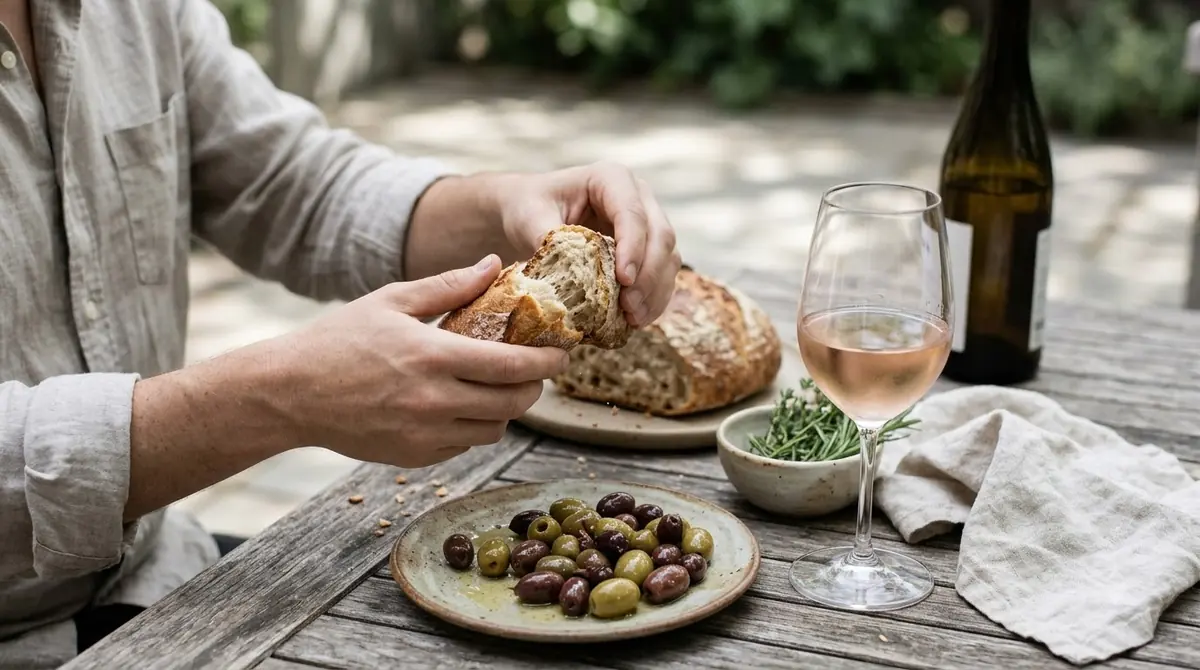
In a standard 72°F American living room, a full-bodied Zinfandel poured straight from the rack can quickly lose its crisp edge, making the alcohol feel prominent and muting the bright berry fruit. Placing the bottle in the refrigerator for about 20 to 30 minutes before opening brings it right down to the 60°F to 64°F sweet spot. At that temperature, the wine’s acid backbone snaps into focus, highlighting tart cherry and spice notes while keeping the finish clean.
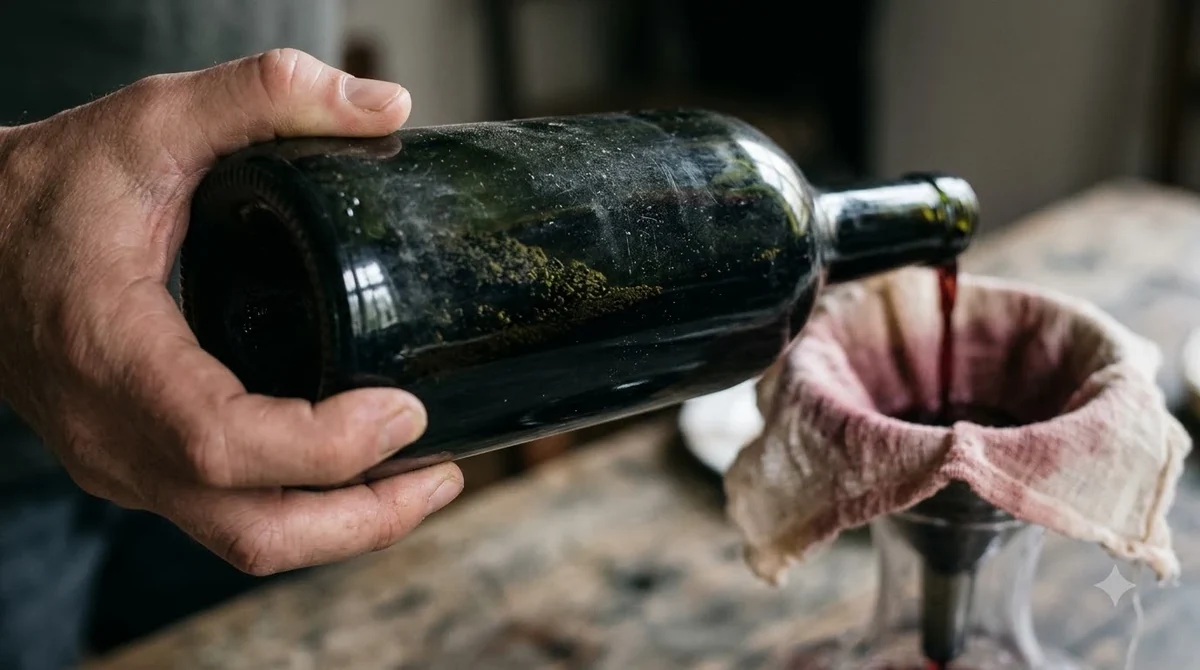
Decanting for roughly 30 minutes also helps young, structured Zinfandels open up. Oxygen softens the wine’s medium-to-firm tannins and lets volatile aromatic compounds blow off, allowing the interplay between juicy acidity and savory black pepper to shine. For rosé White Zinfandel, chill the bottle thoroughly to around 45°F to 50°F so its crisp sweetness stays refreshing from the first sip to the last.
Tip: If a Zinfandel label lists an ABV of 15.5% or higher, chill the bottle for a full 30 minutes before pouring so the cool temperature keeps the wine’s natural acidity bright and prevents alcohol warmth from dominating the finish.
Food Pairing with Zinfandel’s Acid Backbone
Zinfandel’s combination of brisk acidity, generous fruit, and moderate tannins makes it one of the most versatile red wines at the dinner table, especially alongside rich, smoky, or spiced dishes. In food and wine pairing, acid acts like a squeeze of lemon—cutting through fat, cleansing the palate between bites, and preventing heavy meals from feeling weighed down.
Barbecue is the classic partner for red Zinfandel for good reason. Slow-smoked pork ribs, pulled pork, and charred beef brisket pack plenty of rendered fat and sweet-savory glaze. Zinfandel’s lively acidity slices straight through that richness, while its ripe berry fruit echoes tangy tomato- or molasses-based sauces without clashing.
Spiced and herb-driven dishes also thrive next to higher-acid Zinfandels from cooler appellations. Cool-climate bottles from Russian River Valley or mountain vineyards bring a natural black-pepper and clove profile that pairs effortlessly with Indian curries such as palak paneer, Moroccan spiced lamb, or wood-fired pizza topped with fennel sausage. Aged, salty cheeses like sharp cheddar, smoked gouda, and grilled halloumi trigger salivation that matches the wine’s bright finish, whereas delicate raw seafood or light green salads will be overwhelmed by the wine’s weight and alcohol.
How to Choose a Zinfandel by Acidity Level
You can predict a Zinfandel’s acidity and overall style before pulling the cork by checking three key clues on the front and back labels: alcohol by volume, appellation, and blending grapes.
First, look at the ABV percentage printed near the bottom of the label. Because wine yeast converts grape sugar into alcohol, bottles between 13.5% and 14.5% ABV were typically harvested earlier with higher natural acidity and fresher red-fruit flavors. Bottles climbing to 15.5% or 16.5% ABV come from riper, later-picked fruit and deliver a plush, full-bodied, lower-acid feel.
Second, use the growing region as a compass for freshness. Seek out cool-climate or high-elevation appellations—such as Russian River Valley, Mendocino, Howell Mountain, or El Dorado County—when you crave brisk, mouth-watering acidity. Choose Lodi or Amador County when you prefer softer edges, sweeter oak spice, and lush dark fruit. If you want to explore how Zinfandel stacks up against other major red and rosé categories across acidity and body, browse our Wine by Type overview.
Third, check the back label for field-blend partners. Many classic California producers co-ferment Zinfandel with small percentages of Petite Sirah, Carignan, or Alicante Bouschet—a tradition that adds deep color, firmer tannin grip, and extra natural acidity to keep the blend balanced for five to ten years in the cellar.
Frequently Asked Questions
Is Zinfandel considered a high-acid wine?
Zinfandel generally has medium-to-high natural acidity, placing it higher on the freshness scale than Merlot or Grenache though slightly below ultra-crisp reds like Barbera or Pinot Noir. That lively acid structure is essential because it balances the grape’s rich berry fruit and naturally high alcohol levels.
Why does Zinfandel taste sweet if it has good acidity?
Most red Zinfandel is fermented completely dry with virtually zero residual sugar. The impression of sweetness comes from intensely ripe, jammy fruit flavors, sweet vanilla or clove notes from oak aging, and elevated alcohol that coats the palate while natural acidity keeps the finish fresh.
Does White Zinfandel have more acidity than red Zinfandel?
White Zinfandel is typically harvested earlier than red Zinfandel to preserve crisp, tart acidity that balances its off-dry residual sugar. Because it is fermented cool in stainless steel without extended skin contact, the finished pink wine feels noticeably zippier and lighter on the palate.
Does Primitivo have the same acidity as California Zinfandel?
Primitivo and Zinfandel are genetically identical, so both naturally retain good acidity, though climate shapes the final balance. Primitivo grown in Puglia’s warm coastal plains often tastes slightly softer and lower in acid than cool-climate California Zinfandel, while higher-elevation Gioia del Colle Primitivo offers bright, lifted freshness.
Understanding Zinfandel acidity makes it easy to pick the exact style you want, whether that is a brisk, peppery bottle from Sonoma’s foggy hills or a plush, sun-drenched red from Lodi. Next time you reach for a bottle—and if you ever second-guess how to pronounce zinfandel or its Italian cousin Primitivo—check the ABV and region on the label to dial in the exact level of freshness your dinner calls for.
More in Wine Types & Grapes
 Zinfandel Sugar Content: Dry Red vs. White Zinfandel GramsUpdated Nov 21, 2026
 Best Zinfandel Substitute Options for Sipping and CookingUpdated Nov 21, 2026
 Zweigelt Food Pairing: Best Dishes, Cheeses, and Serving TipsUpdated Nov 21, 2026
 Zinfandel Tannins Explained: How Structure Shapes Every BottleUpdated Nov 21, 2026
 Zinfandel Sweetness Level: Dry Red vs. Sweet White Zin ExplainedUpdated Nov 21, 2026
 Xinomavro Food Pairing: Best Dishes, Styles, and Serving TipsUpdated Nov 21, 2026