


We may earn a commission when you buy through links on this page, at no extra cost to you. Learn more.
Pine Ridge wine comes from Pine Ridge Vineyards in Napa Valley, a winery founded in 1978 when Gary Andrus planted Cabernet Sauvignon on a rugged hillside in what is now the Stags Leap District. The estate now works across five Napa appellations, and its range is built around Cabernet and sub-appellation bottlings that show how the valley’s different sites express themselves. This guide covers the winery’s history, where its vineyards sit and how to choose a bottle.
Napa Valley is one of the most visited wine regions in the United States, and its wineries range from small family estates to large brands. Pine Ridge sits in the middle of that spectrum as a focused, site-driven producer. If you are comparing it with mass-market bottles, the overview of wine brands helps explain how larger houses differ from estate wineries.
Who founded Pine Ridge and why it matters
Pine Ridge Vineyards was founded in 1978 by Gary Andrus. According to the winery’s own history page, he was struck by the unspoiled landscape of the valley and chose to plant Cabernet Sauvignon there. The original site was described as a rugged stretch of land that is now part of the Stags Leap District, and that choice of place is still central to how the winery describes itself.
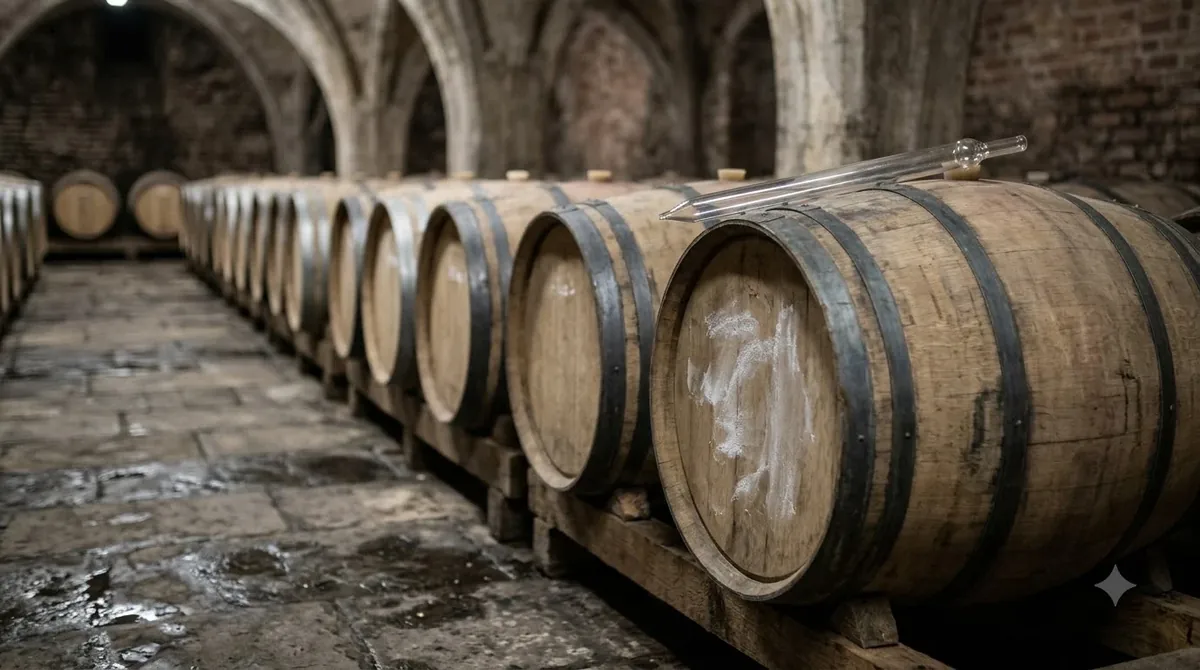
The Stags Leap District became famous for Cabernet after the 1973 Stag’s Leap Wine Cellars bottling won the 1976 Judgment of Paris tasting. Pine Ridge’s early decision to plant there placed it in a district with a strong reputation for structured, age-worthy reds. That context helps explain why the winery focuses so heavily on Cabernet.
The winery’s current team includes Josh Widaman, who joined as estate winemaker in 2021 after more than two decades in Napa Valley, and Ryan Decker, the viticulture director, whose family has farmed for five generations. The estate also holds a Napa Green certification, which reflects its attention to sustainable farming.
Where the vineyards are
Pine Ridge does not rely on a single patch of ground. The winery oversees estate vineyards in five appellations: Stags Leap District, Howell Mountain, Oakville, Rutherford and Carneros. Each area has its own climate, soil and elevation, which means the same grape can taste noticeably different from one site to the next.
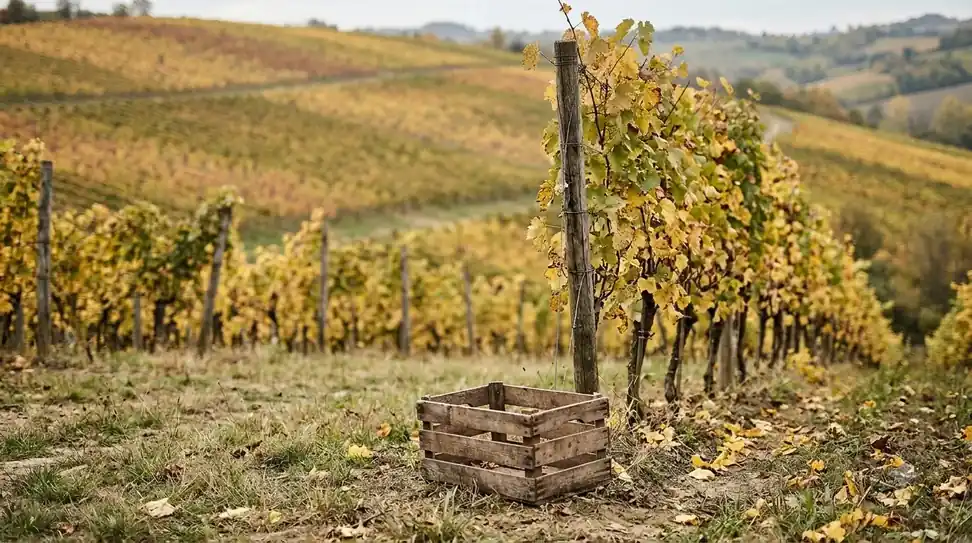
Stags Leap District is the historic heart of the estate, and its wines are often described as balanced and elegant. Howell Mountain sits higher, where the vines get more sun and the soils are thinner, and its wines tend to show more concentration. Oakville and Rutherford sit on the valley floor, while Carneros, closer to San Pablo Bay, is cooler and suited to lighter styles. Reading these differences helps buyers understand why a sub-appellation label can change the character of a bottle.
| Appellation | General character |
|---|---|
| Stags Leap District | Balanced, elegant Cabernet with a historic reputation |
| Howell Mountain | Higher elevation, thinner soils, often more concentrated |
| Oakville | Warm valley-floor site, structured and generous |
| Rutherford | Classic Napa profile with ripe fruit and firm tannins |
| Carneros | Cooler, southern edge of the valley, lighter styles |
Tip: If you are new to Napa, start with a sub-appellation bottling. It shows the place more clearly than a blend that mixes several sites together.
Wine styles and what to expect
The winery’s core identity is Cabernet Sauvignon. The estate describes its best wines as worthy of the Napa Valley name, and its varietal bottlings are designed to show the character of each sub-appellation. Beyond Cabernet, the company also works with terroir-focused blends that combine fruit from several sites to build a balanced house profile.
Expect Napa Cabernet to be full-bodied, with dark fruit, ripe tannins and a generous texture. Oak plays a role in the structure and spice, but a well-made Napa Cabernet should still taste like fruit first. Older bottles soften and develop savory, earthy notes, so the style rewards patience for those who like to cellar a bottle.
Pine Ridge’s site menu also lists white wines, including a Chenin Blanc and Viognier blend, which show the winery’s range beyond red. Readers who want to explore the estate further can start with the Cabernet and then branch out to the lighter bottlings.
How to serve Pine Ridge wine
Napa Cabernet is best served slightly below room temperature, which keeps the fruit lively and the tannins from feeling harsh. For a younger bottle, decanting for an hour or so softens the structure and opens the aromas. Older bottles should be decanted more gently, since they can drop sediment and lose freshness quickly once opened.
Use a large red-wine glass so the aromas gather near the rim. Serve with grilled steak, roasted lamb, aged cheeses or mushroom dishes, which match the wine’s weight and savory depth. Lighter Carneros bottlings suit roast chicken or salmon.
How to choose a bottle
Start with the appellation on the label. A sub-appellation name tells you the site, while a broader Napa Valley label usually means the wine blends fruit from several places. Next, look at the vintage. Napa vintages vary with the weather, so checking reviews from established publications helps you decide whether a year suits your taste.
Think about how you plan to drink it. A bottle meant for near-term drinking can be opened within a few years, while structured bottlings from the Stags Leap District or Howell Mountain reward more time in the cellar. Buying from a shop that keeps bottles cool and out of direct light will protect the wine until you open it.
If you are building a broader red collection, a bottle of ridge wine offers another take on a classic red style, and comparing the two can help you tell which structure you prefer.
Reading the label and the vintage
Napa Cabernet as a category is defined by a few recurring traits: ripe blackcurrant and plum fruit, firm tannins and a long finish. Pine Ridge works within that framework, but its emphasis on sub-appellation bottlings means buyers can see how the same grape changes across different soils and elevations. Tasting two Pine Ridge Cabernets from different sites back to back teaches more about the valley than any single rating, because the differences in texture and aroma show up clearly side by side.
Oak is a large part of the Napa Cabernet story. New French and American oak adds vanilla, cedar and toast, and the amount used is a choice each winemaker makes. A balanced wine uses oak to support the fruit rather than cover it. When you read a back label, look for the oak treatment and the vineyard site, since these details tell you more about the style than the marketing copy around them.
Vintage variation is also important. Napa has warm years that produce rich, dense Cabernet and cooler years that yield lighter, more elegant wines. Neither is better in every case. A cooler year may suit a bottle you plan to drink sooner, while a warm, concentrated year can reward a longer stay in the cellar. Checking a vintage chart before you buy helps set expectations for what is in the glass.
For a dinner, plan the Cabernet as the centerpiece. Start with a lighter white or sparkling wine as an aperitif, then pour the Cabernet with the main course. A simple dish of mushrooms, a seared steak or a roast with rosemary will let the wine show its structure without competing with the food.
Frequently Asked Questions
Who founded Pine Ridge Vineyards?
Gary Andrus founded Pine Ridge Vineyards in 1978. He planted Cabernet Sauvignon on a hillside in what is now the Stags Leap District of Napa Valley.
What wine is Pine Ridge best known for?
Pine Ridge is best known for Napa Valley Cabernet Sauvignon. Its sub-appellation bottlings from Stags Leap District, Howell Mountain, Oakville, Rutherford and Carneros show how the same grape changes across sites.
Does Pine Ridge make white wine?
Yes. The winery’s range includes white wines, including a Chenin Blanc and Viognier blend, alongside its Cabernet-focused reds.
How long should Pine Ridge Cabernet age?
It depends on the bottling and vintage. Many Napa Cabernets are ready to drink after a few years, while structured sub-appellation wines can gain complexity over a longer period in a cool, dark cellar.
Pine Ridge wine offers a clear window into Napa Valley, built on a founder’s decision to plant Cabernet in a district with a strong reputation. The mix of appellations gives buyers a way to taste how the valley’s sites differ. For a wider look at producers and styles, the wine brands guide is a good next step.
More in Wine Brands
 Underwood Wine Price: Compare Bottles, Cans, and Pack SizesUpdated Nov 21, 2026
 Zenato Wine Price: Compare Styles and Choose the Right BottleUpdated Nov 21, 2026
 Zuccardi Wine Price: Compare Bottles and Find the Right RangeUpdated Nov 21, 2026
 Yellow Tail Moscato Review: Taste, Sweetness and Serving TipsUpdated Nov 21, 2026
 Wolf Blass Yellow Label Review: Choose Your Best StyleUpdated Nov 21, 2026
 Wolffer Estate Rose Review: Choose the Right Bottle for Your TableUpdated Nov 21, 2026