

We may earn a commission when you buy through links on this page, at no extra cost to you. Learn more.
If you are wondering where is primitivo from, the grape traces its genetic roots to the Dalmatian coast of Croatia—where it is known as Tribidrag and Crljenak Kaštelanski—before finding its iconic Italian home in the southern region of Puglia. Across the Atlantic, the exact same grape variety is famous in California under the name Zinfandel. Today, Puglia’s sun-drenched heel of Italy produces the vast majority of the world’s Primitivo-labeled wines, prized for dark berry fruit, warm baking spices, and full-bodied richness.
Understanding the story behind Primitivo solves one of the wine world’s most intriguing identity puzzles. Whether a bottle label reads Tribidrag in Croatia, Primitivo in southern Italy, or Zinfandel in California, you are pouring wine made from the exact same black-skinned grape, shaped in radically different ways by local soil, climate, and cellar traditions.
What It Is and How It Got Its Name
Primitivo is an ancient, thin-skinned black grape variety celebrated for producing deeply colored, fruit-forward, and often high-alcohol red wines. Despite having three distinct regional identities around the globe, DNA profiling in the 1990s and early 2000s confirmed that Italian Primitivo, American Zinfandel, and Croatian Tribidrag are genetically identical clones of a single ancestral vine.
The grape’s original homeland lies along Croatia’s Adriatic coast, where historical records mention Tribidrag as early as the fifteenth century. Over centuries of maritime trade across the Adriatic Sea, cuttings traveled to southern Italy, landing in the limestone hills of Puglia. In the late eighteenth century, a local priest and botanist named Francesco Filippo Indellicati in the town of Gioia del Colle noticed one particular vine in his vineyard ripened weeks earlier than surrounding varieties. He propagated this early-ripening selection and named it Primitivo, derived from the Latin word primativus or the Italian primo, meaning “first” or “early.”
Decades later in the early 1800s, European nursery collections carried the same Croatian-Italian vine to the East Coast of the United States, where horticulturists labeled it Zinfandel before it migrated west during the California Gold Rush. While California adopted Zinfandel as a signature heritage grape, southern Italian growers embraced Primitivo as a cornerstone of Puglian viticulture, adapting traditional bush-vine training methods to manage its vigorous growth and uneven ripening.
Flavor Profile and Winemaking Styles
Primitivo is famous for plush, concentrated dark and red fruit flavors balanced by warming spice and earthy undertones. Because the grape possesses very thin skins and naturally high sugar levels at harvest, wines made from Primitivo typically exhibit deep garnet-to-ruby hues, moderate tannins, and generous alcohol levels that frequently reach 14% to 16% ABV.
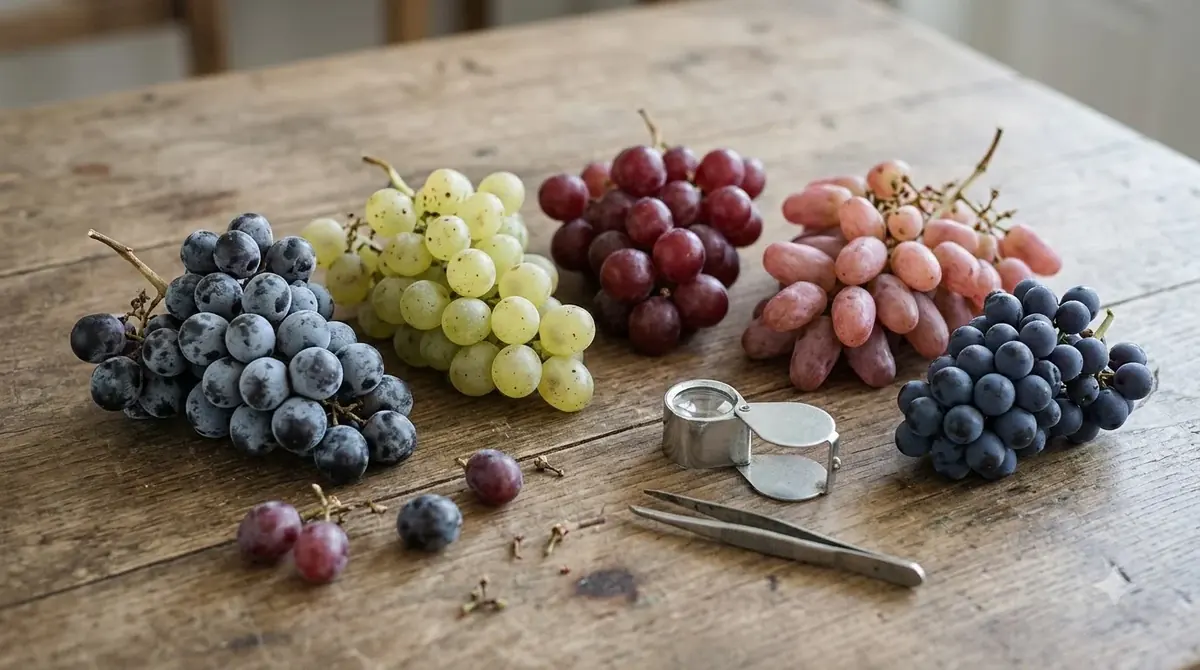
According to Wine Folly’s comprehensive guide to Zinfandel and Primitivo, classic Italian examples deliver layers of blackberry, roasted plum, dried strawberry, cinnamon, and sweet pipe tobacco, often accompanied by a savory, leather-like edge that sets them apart from sweeter, jammy California Zinfandels. Reviewers at Wine Enthusiast also note prominent notes of red raspberry, cherry, and cracked black pepper across well-made Puglian bottlings.
While dry, full-bodied red table wine accounts for the overwhelming majority of Primitivo production, winemakers in Puglia craft several distinct styles from the grape. Warm coastal zones produce rich, velvety reds aged in oak barrels, whereas higher-elevation inland vineyards yield fresher, brighter expressions with livelier natural acidity. Additionally, Puglia is home to Primitivo di Manduria Dolce Naturale, a traditional sweet late-harvest wine made from grapes left to partially dry and concentrate on the vine, as well as crisp, copper-pink dry rosato wines pressed early off the skins.
Where Primitivo Grows Best
Although the grape grows on multiple continents, Puglia—the long, narrow peninsula forming the heel of Italy’s boot—is the undisputed heartland of Primitivo. Warm Mediterranean sunshine, arid summers, and cooling breezes from both the Adriatic and Ionian seas create ideal conditions for ripening thin-skinned grapes without losing aromatic freshness.
Within Puglia, geography divides Primitivo into two premier Denominazione di Origine Controllata (DOC) zones alongside a broad regional designation, each imparting a recognizable signature to the finished wine. Beyond Italy, small but historically significant plantings persist in coastal Croatia under the name Tribidrag or Crljenak Kaštelanski, while California cultivates tens of thousands of acres as Zinfandel—alongside a handful of producers in Lodi, Paso Robles, and Australia’s McLaren Vale who intentionally bottle the grape under the Primitivo name to signify a more restrained, European-inspired style.
| Region / Appellation | Country | Climate & Terroir | Signature Wine Style |
|---|---|---|---|
| Primitivo di Manduria DOC | Italy (Southern Puglia) | Hot, low-lying coastal plains with red iron-rich clay and limestone soils | Full-bodied, opulent, high alcohol (14%+ ABV for Riserva), fig, blackberry, clove |
| Gioia del Colle DOC | Italy (Central Puglia) | Higher-elevation limestone plateaus (up to 1,300 feet) with cooler nights | Medium-to-full-bodied, brighter acidity, fresh red cherry, floral and herbal lift |
| Salento IGT | Italy (Salento Peninsula) | Sun-baked Mediterranean peninsula moderated by sea breezes | Approachable, fruit-forward, supple tannins, ripe plum and sweet spice |
| Dalmatia (Kaštela & Pelješac) | Croatia | Steep coastal limestone slopes with intense Adriatic sunlight | Concentrated, structured, wild herbs, dark berries, labeled as Tribidrag |
| California (Lodi & Sierra Foothills) | United States | Warm Mediterranean valleys and granitic foothills with diurnal shifts | Bold, jammy bramble fruit, vanilla, black pepper, labeled as Zinfandel or Primitivo |
In Primitivo di Manduria, vineyards sit close to the Ionian Sea on iron-rich terra rossa soils over limestone. The intense heat pushes sugar accumulation, yielding opulent, velvety reds where Riserva bottlings must reach at least 14% ABV and undergo extended aging. By contrast, Gioia del Colle sits further north in the Murgia hills between Bari and Taranto; its rocky limestone soils and brisk nighttime temperatures preserve crisp acidity, producing structured reds with floral aromatics and red-berry precision. Just like understanding where Merlot is from or exploring where Syrah is from, comparing Puglia’s sub-regions demonstrates how elevation and coastal proximity reshape a single grape variety.
How to Serve Primitivo
Serving Primitivo at the proper temperature keeps its generous alcohol balanced and highlights its nuanced spice and red-fruit aromatics. Because high-alcohol reds can taste hot or overly jammy when served too warm, a slight chill makes a noticeable difference in the glass.
Aim to serve dry Primitivo at 60°F to 68°F (16°C to 20°C), leaning toward the lower end of that range—around 60°F to 62°F—for younger, fruit-forward Salento IGT or Gioia del Colle bottlings. Placing a room-temperature bottle in the refrigerator for 20 to 30 minutes before pulling the cork brings it right into the sweet spot. Standard large-bowled red wine glasses work well, giving the wine plenty of surface area to breathe and soften any youthful oak spice.
Decanting is particularly helpful for concentrated Primitivo di Manduria Riserva wines. Giving a young, full-bodied bottle 30 to 45 minutes in a decanter allows tight tannins and dark-fruit aromas to open up while integrating the wine’s warmth. Most everyday Primitivo bottles are crafted for immediate enjoyment within three to five years of vintage, though structured single-vineyard and Riserva bottlings from limestone hillsides can age gracefully for seven to ten years.
Tip: If a bottle of Primitivo di Manduria feels slightly heavy or warm on the palate, chill it for 15 minutes in an ice bucket or fridge—dropping the temperature by just a few degrees sharpens the acidity and brings fresh raspberry and black pepper notes forward.
Food Pairing Ideas
Primitivo’s combination of ripe dark fruit, supple tannins, and peppery spice makes it one of the most food-friendly red wines for rich, savory, and smoky dishes. Its natural hint of sweetness on the mid-palate stands up effortlessly to charred meats, caramelized vegetables, and slow-cooked sauces without clashing.
In its native Puglia, locals pair Primitivo with traditional hearty fare such as orecchiette pasta tossed in slow-simmered pork and beef ragù, grilled lamb chops seasoned with rosemary, and aged sheep’s milk cheeses like Pecorino Pugliese. On an American table, the wine shines alongside backyard barbecue—think smoked brisket, baby back ribs with tangy-sweet glaze, grilled Italian sausages, or bacon cheeseburgers—where the wine’s berry fruit mirrors smoky caramelization while its acidity cuts through rich fat.
Vegetarian dishes with deep umami and roasted flavors also make natural partners. Charred eggplant parmesan, mushroom risotto, lentil stews, and roasted root vegetables seasoned with thyme or za’atar complement Primitivo’s earthy tobacco and clove undertones. For those exploring sweet styles across different wine types, a chilled glass of Primitivo di Manduria Dolce Naturale pairs wonderfully with dark chocolate tarts, roasted figs, and blue cheeses, offering an unfortified Italian alternative to the classic fortified styles discussed in our guide on where Port is from.
How to Choose a Bottle of Primitivo
Reading the regional designation and aging terms on an Italian wine label makes it straightforward to match a bottle of Primitivo to your exact taste preferences. Because Puglia spans diverse microclimates, the appellation name tells you immediately whether a wine will lean plush and powerful or bright and savory.
Look for Primitivo di Manduria DOC when you want a rich, full-bodied red loaded with blackberry jam, dried fig, cocoa, and warm baking spices—ideal for cold-weather meals or fans of bold California Zinfandel. Seek out Gioia del Colle DOC if you prefer a more elegant, medium-to-full-bodied red with higher natural acidity, firmer structure, and vibrant red cherry and herbal notes. For an easy-drinking weeknight bottle, Salento IGT or Puglia IGT labels deliver juicy plum and berry fruit with softer tannins and approachable freshness.
Finally, pay attention to back-label details such as Alberello (traditional freestanding bush vines, often older vines that yield concentrated, complex fruit) and Riserva (indicating longer aging and higher minimum alcohol). Checking the listed ABV on the label also provides a reliable clue: bottles between 13% and 14% ABV generally offer a fresher, food-friendly profile, while bottles at 14.5% ABV and above promise dense, mouth-coating intensity.
Frequently Asked Questions
Is Primitivo the exact same grape as Zinfandel?
Yes, DNA testing confirmed in the 1990s that Italian Primitivo and California Zinfandel are genetically identical clones of the same grape variety. Both originate from an ancient Croatian grape known as Tribidrag or Crljenak Kaštelanski, though regional climates and winemaking traditions give each country’s wines distinct flavor nuances.
Why is the grape called Primitivo in Italy?
The name Primitivo comes from the Latin word primativus, meaning “first to ripen.” In the late 1700s, a priest in Gioia del Colle, Puglia, noticed that this particular vine matured and was ready for harvest weeks earlier than other local red varieties, inspiring the name still used across Italy today.
Is Primitivo wine sweet or dry?
The vast majority of Primitivo wines—including standard Primitivo di Manduria, Gioia del Colle, and Salento bottlings—are fermented completely dry, though their ripe berry fruit and higher alcohol can create a subtle impression of richness. However, Puglia also produces an officially designated sweet late-harvest version labeled Primitivo di Manduria Dolce Naturale.
What is the difference between Primitivo di Manduria and Gioia del Colle?
Primitivo di Manduria comes from warmer, lower-lying coastal plains in southern Puglia and tends to be fuller-bodied, higher in alcohol, and packed with dark fig, blackberry, and sweet spice flavors. Gioia del Colle comes from higher-elevation limestone hills further north, resulting in wines with brighter acidity, lighter body, and fresher red cherry and herbal notes.
From its ancient beginnings on Croatia’s Dalmatian coast to the sun-drenched bush-vine vineyards of southern Italy, Primitivo offers a remarkable window into how geography shapes wine. Whether you reach for a velvety bottle from Manduria or a brisk, limestone-driven bottling from Gioia del Colle, exploring Puglia’s signature red rewards any wine lover looking for bold fruit, warm spice, and deep viticultural heritage.
More in Wine Types & Grapes
 Zinfandel Sugar Content: Dry Red vs. White Zinfandel GramsUpdated Nov 21, 2026
 Best Zinfandel Substitute Options for Sipping and CookingUpdated Nov 21, 2026
 Zweigelt Food Pairing: Best Dishes, Cheeses, and Serving TipsUpdated Nov 21, 2026
 Zinfandel Tannins Explained: How Structure Shapes Every BottleUpdated Nov 21, 2026
 Zinfandel Sweetness Level: Dry Red vs. Sweet White Zin ExplainedUpdated Nov 21, 2026
 Xinomavro Food Pairing: Best Dishes, Styles, and Serving TipsUpdated Nov 21, 2026