

We may earn a commission when you buy through links on this page, at no extra cost to you. Learn more.
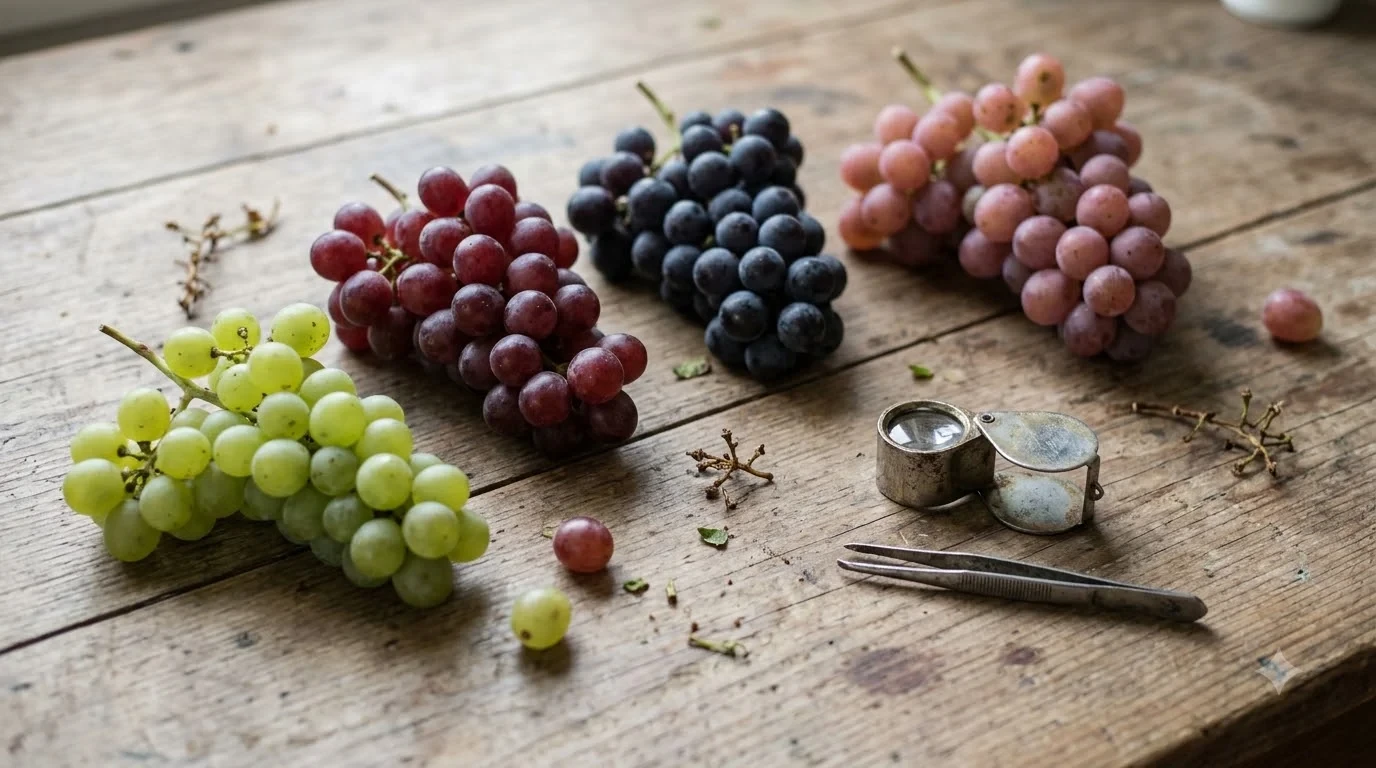
If you are wondering where is norton from, this native American red wine grape originated in Richmond, Virginia, in the early 1820s, where physician Dr. Daniel Norborne Norton cultivated it from an experimental vineyard crossing. Today, Norton is most famously grown in Missouri—where it serves as the official state grape—as well as across Virginia, Arkansas, and other parts of the Mid-Atlantic and Midwest. Botanically classified primarily as Vitis aestivalis, it is one of the oldest and most commercially successful native wine varieties in the United States.
While European grapes like Cabernet Sauvignon and Pinot Noir struggled against North American pests and humidity for centuries, Norton thrived right in its backyard. Learning about its origins explains why this deeply pigmented grape produces structured, age-worthy red wines that stand apart from sweeter native varieties like Concord.
What Is Norton?
Norton is a dark-skinned, native North American red wine grape belonging primarily to the Vitis aestivalis species, bred to withstand humid summers, freezing winters, and native vineyard diseases.
Unlike European Vitis vinifera vines, which require grafting onto resistant rootstocks to survive the root-eating louse phylloxera, Norton grows happily on its own roots. According to Wine Enthusiast, Dr. Daniel Norton first cultivated the variety in Richmond, Virginia, during the early 1800s. Although its exact parentage remains a subject of historical and genetic debate—with nuclear and chloroplast DNA pointing to complex ancestry involving Vitis aestivalis, Vitis vinifera, and Vitis labrusca—ampelographers and winemakers celebrate it as a distinctly American cultivar.
You will frequently see Norton sold under the name Cynthiana, particularly in Arkansas and parts of Missouri. Modern DNA testing indicates that Norton and Cynthiana are genetically the same cultivar, though regional growers sometimes note subtle differences in ripening times. In the 19th century, it was also widely marketed as Norton’s Virginia Seedling, reflecting its Richmond roots before it migrated westward to become the backbone of Midwestern winemaking.
Because Norton lacks the signature “foxy” muskiness associated with Vitis labrusca grapes such as Concord, 19th-century vintners quickly recognized its potential for serious table wine. At the 1873 Vienna World’s Fair, a Norton produced by Missouri’s Stone Hill Winery won the medal for Best Red of All Nations, proving that an American-born grape could compete on an international stage.
Flavor Profile and Styles
Norton produces dry, full-bodied, deeply purple red wines defined by concentrated dark fruit, lively natural acidity, and firm, grippy tannins.
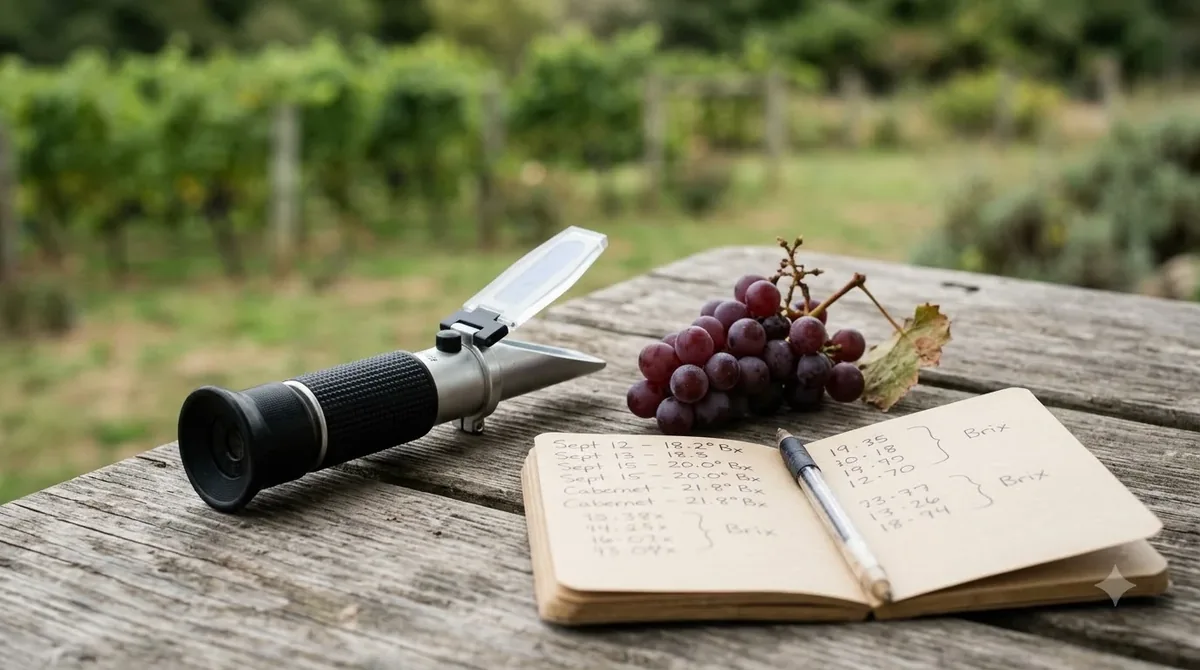
In the glass, Norton pours an opaque, inky violet-purple because its small, thick-skinned berries contain high levels of anthocyanin pigments. On the nose and palate, the wine typically opens with ripe blackberry, black cherry, and dark plum, layered with savory notes of black pepper, earth, leather, and baking spice. When aged in French or American oak barrels for 12 to 24 months, those dark fruit flavors pick up secondary nuances of vanilla, dark chocolate, roasted coffee, and cedar.
Structurally, Norton behaves much like classic Old World reds, similar to how you might explore where Syrah is from when looking for bold, peppery, full-bodied bottles. The grape naturally retains high acidity—often around 6 to 7 grams per liter—alongside substantial tannins, while alcohol levels generally land between 12 and 14.5 percent ABV depending on the warmth of the vintage. That bright acidity keeps the wine feeling fresh and energetic on the palate despite its dark color and dense extraction.
While the overwhelming majority of Norton is vinified as a dry table wine, winemakers also experiment with alternative styles. Because the grape holds onto its acid so tenaciously, some wineries craft sweet, fortified dessert bottlings inspired by where Port is from, where residual sugar balances out the grape’s natural tang and firm grip.
| Characteristic | Typical Profile |
|---|---|
| Species / Origin | Primarily Vitis aestivalis; bred in Richmond, Virginia (1820s) |
| Primary Flavors | Blackberry, black cherry, dark plum, black pepper, earth, cocoa |
| Body & Acidity | Medium-to-full body with high, refreshing acidity |
| Tannins | Firm and structured when young; velvety after aging |
| Typical ABV | 12% to 14.5% |
| Serving Temperature | 60°F to 65°F (cellar temperature) |
Where It Grows Today
Although Norton began in Virginia, its modern heartland stretches across Missouri and the Mid-Atlantic, thriving in continental climates with long, warm summers.
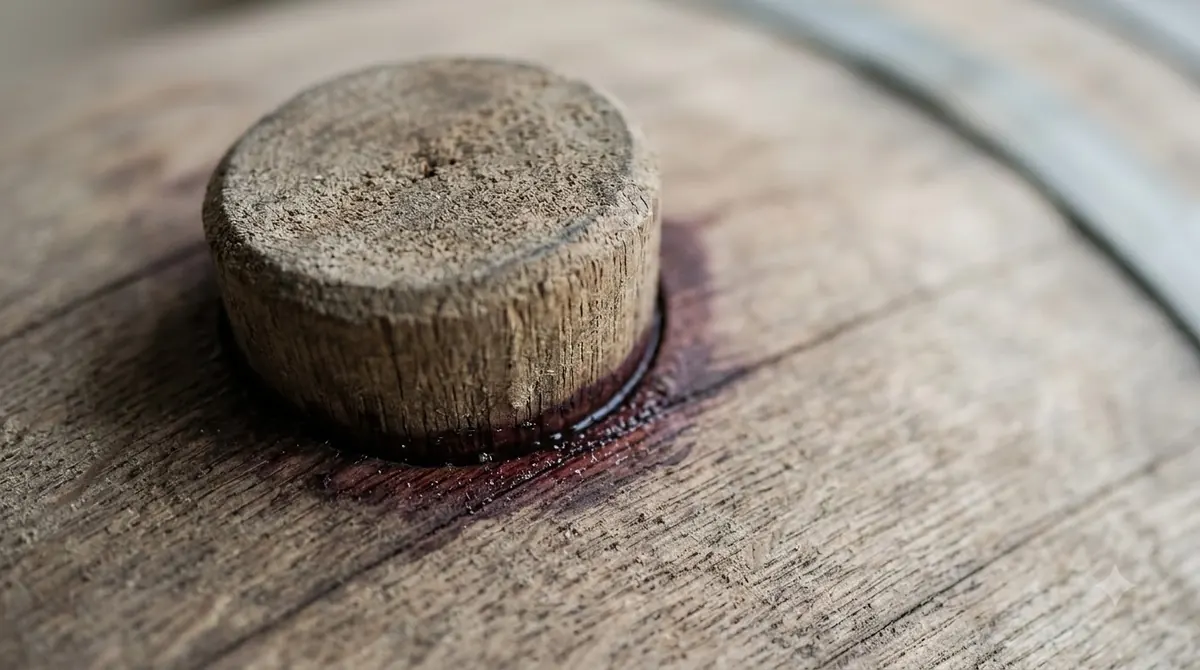
Missouri claims the largest concentration of Norton vineyards in the world, making up roughly 17.7 percent of the state’s total grape acreage, and named Norton its official state grape in 2003. Before Prohibition wiped out most commercial vineyards in 1920, Missouri was the second-largest wine-producing state in the nation, anchored by German immigrant communities in towns like Hermann and Augusta. A small half-acre block planted in the 1860s at the Rauch Vineyard near Hermann survived Prohibition and allowed Stone Hill Winery to revive the varietal in the 1960s.
In Virginia, Norton has experienced a steady renaissance in its birthplace. Wineries across Northern Virginia and the Monticello AVA cultivate the grape on hillsides where humidity and summer thunderstorms often challenge European varieties. Chrysalis Vineyards in Middleburg, Virginia, maintains one of the largest single plantings of Norton in the world, dedicating nearly 70 acres to preserving Dr. Norton’s local legacy.
Beyond Missouri and Virginia, Norton grows reliably in Arkansas, Kansas, Texas, North Carolina, Ohio, and Illinois. The vine is remarkably cold-hardy, capable of surviving winter temperatures down to minus 20 degrees Fahrenheit, yet it requires a long growing season because the berries ripen late in October or November.
How to Serve and Age Norton
Norton shows its best side when served slightly below room temperature at 60°F to 65°F and given plenty of air before pouring.
According to the Missouri Wine and Grape Board, serving Norton around cellar temperature keeps its lively acidity crisp and prevents higher-alcohol vintages from tasting overly warm. If your bottle has been sitting in a warm kitchen at 72°F, placing it in the refrigerator for 20 to 25 minutes before opening brings it right into the ideal window.
Because young Norton packs dense pigment and assertive tannins, decanting for 30 to 60 minutes makes a noticeable difference. Exposure to oxygen softens the wine’s grippy edges and allows initial earthy or closed aromas to open into lush black fruit, dark chocolate, and sweet spice. Pouring it into a large-bowled Bordeaux glass also gives those complex aromatics room to collect.
Unlike many American hybrid reds meant for early drinking, well-made Norton rewards patience in the cellar. Its combination of high natural acidity and phenolic structure allows top bottles from Missouri and Virginia to age gracefully for 10 to 20 years, gradually shedding their youthful bite in favor of velvety texture and savory leather complexity.
Tip: Decant young Norton wines for at least 30 to 45 minutes before serving to mellow out their firm tannins and bring forward the dark cherry and cocoa notes.
Food Pairing with Norton
Norton’s bold dark fruit and brisk acidity make it an ideal match for smoky, charred, and savory dishes that would overwhelm softer red wines.
Regional barbecue is the classic pairing for a reason. Hickory-smoked brisket, dry-rubbed pork ribs, and charred burgers match the wine’s peppery, smoky undertones, while Norton’s sharp acidity slices right through rich fat and tangy tomato-based sauces. If you normally reach for softer reds—such as those covered in our guide on where Merlot is from—for weeknight roasts, Norton brings extra structural grip for heavier meats like venison, lamb shanks, and grilled ribeye.
Vegetarian dishes with deep umami also stand up well to Norton’s intensity. Grilled portobello mushrooms, wild mushroom risotto, lentil stews, and eggplant parmesan echo the wine’s earthy character without clashing with its tannins.
For a cheese board, skip delicate fresh cheeses and opt for firm, aged, or pungent varieties. Aged sharp cheddar, Gouda, Manchego, and blue cheeses like Stilton balance Norton’s tart berry core. You can also pair a dry or off-dry Norton alongside 70 percent dark chocolate, where the wine’s natural cocoa notes harmonize with the bitterness of the cacao.
How to Choose a Bottle of Norton
Shopping for Norton comes down to checking regional origin, oak aging details, and vintage style on the label to match your palate.
Start by comparing the two premier growing regions. Bottlings from Missouri—especially around the Hermann and Augusta AVAs—tend to emphasize bright acidity, structured tannins, and aging potential. Virginia bottlings, grown in a slightly warmer, humid climate, often showcase riper, rounder dark fruit and a plush mid-palate.
Look closely at the back label for clues about winemaking. Producers who age Norton in French or American oak barrels for a year or more typically craft richer, smoother wines with integrated vanilla and spice. If you see the name Cynthiana on a bottle from Arkansas or southern Missouri, you are getting the exact same grape variety. To see how Norton compares with other bold reds across Wine by Type, look for bottles labeled “Estate” or “Reserve,” which usually come from lower-yielding hillside vines with deeper concentration.
Frequently Asked Questions
Is Norton wine sweet or dry?
Norton is almost always made as a full-bodied, dry red wine. Unlike Concord or Catawba, which are frequently bottled with noticeable residual sugar, Norton possesses the natural tannin and acid structure needed for serious dry table wines, though a few wineries do make fortified dessert versions.
Are Norton and Cynthiana the same grape?
Yes, modern DNA profiling has confirmed that Norton and Cynthiana are genetically the same grape cultivar. The name Cynthiana became popular in Arkansas and parts of Missouri during the 19th century, and wineries in those regions still use both names interchangeably on bottle labels.
Why is Norton the official state grape of Missouri if it came from Virginia?
Although Dr. Daniel Norton bred the grape in Richmond, Virginia, in the 1820s, German immigrants planted it extensively along the Missouri River Valley in the mid-1800s. Norton made Missouri one of America’s top wine-producing states before Prohibition and anchored the state’s modern wine revival, leading Missouri to name it the official state grape in 2003.
Does Norton wine taste like European red wine?
Norton bridges the gap between American native grapes and classic European reds. It lacks the sweet, grapey aroma of Concord and instead delivers dark berry fruit, black pepper, earth, and firm tannins reminiscent of Syrah or Petite Sirah, paired with noticeably brisker natural acidity.
Tracing where Norton is from takes you straight through the heart of American winemaking history, from an experimental Richmond garden to the limestone bluffs of Missouri. Whether you open a young, vibrant bottle for backyard barbecue or cellar a reserve vintage for a decade, Norton offers a deeply American take on full-bodied red wine.
More in Wine Types & Grapes
 Zinfandel Sugar Content: Dry Red vs. White Zinfandel GramsUpdated Nov 21, 2026
 Best Zinfandel Substitute Options for Sipping and CookingUpdated Nov 21, 2026
 Zweigelt Food Pairing: Best Dishes, Cheeses, and Serving TipsUpdated Nov 21, 2026
 Zinfandel Tannins Explained: How Structure Shapes Every BottleUpdated Nov 21, 2026
 Zinfandel Sweetness Level: Dry Red vs. Sweet White Zin ExplainedUpdated Nov 21, 2026
 Xinomavro Food Pairing: Best Dishes, Styles, and Serving TipsUpdated Nov 21, 2026