

We may earn a commission when you buy through links on this page, at no extra cost to you. Learn more.
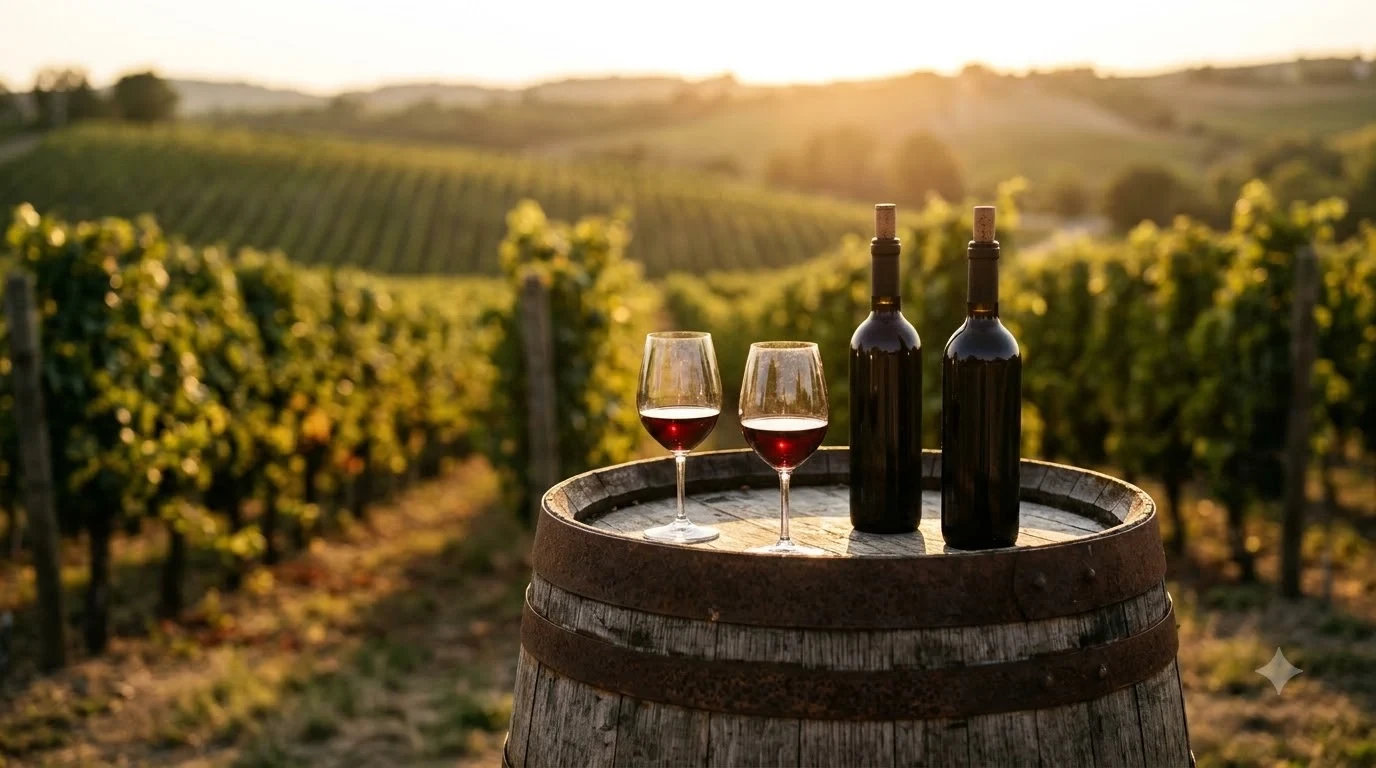
Middleburg vineyards are located in and around the town of Middleburg in Loudoun County, Virginia, a small community in the region known as Hunt Country that has grown a number of local wineries. The area sits in the Virginia wine landscape, where growers work with the state’s humid summers and varied soils to produce red and white wines. Visitors can tour several estates near town, taste local wines, and combine a winery visit with the area’s historic inns, rolling farmland and horse country.
This guide is for travelers, wine drinkers and anyone who has seen Middleburg on a list of Virginia wineries and wants to know more. It explains where the town is, what makes the setting distinctive, what kinds of wine the area is known for in general terms, and how to plan a visit.
Where Middleburg Is and Why It Matters
Middleburg is a town in Loudoun County, in northern Virginia. It is the southernmost town along the county’s border with Fauquier County and sits roughly midway between Alexandria and Winchester. The town is served by U.S. Route 50, which follows the old Ashby Gap trading route. Its elevation is about 486 feet.
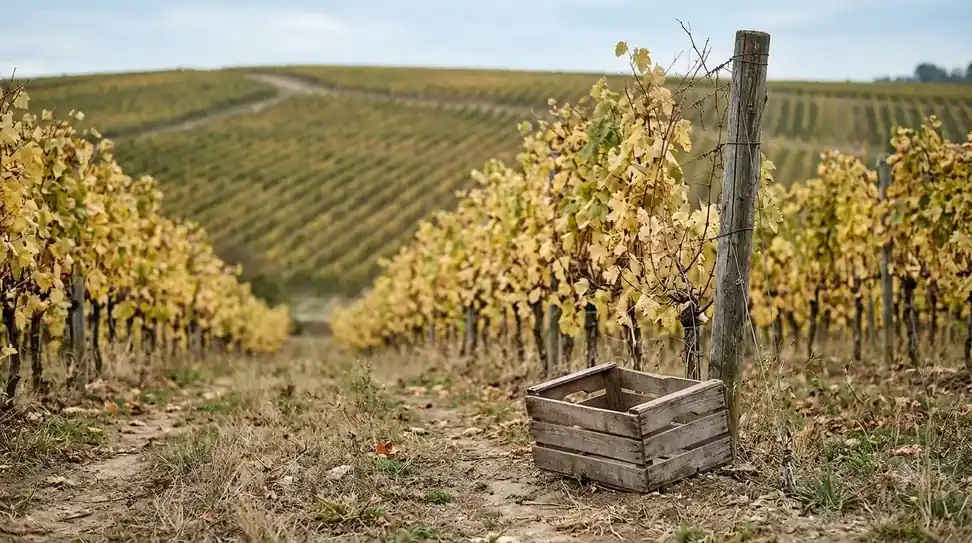
The town’s identity is closely tied to its countryside. Middleburg has long been known as a center of foxhunting and steeplechase racing, and it is often described as the nation’s horse and hunt capital. Large estates, open fields and historic buildings surround the town, and that landscape is the setting for many of the area’s vineyards and cellars.
The Hunt Country Setting
Middleburg’s historic core dates to the late eighteenth century, when Revolutionary War officer Leven Powell established the town in 1787. The Red Fox Inn, originally opened in 1728 as Chinn’s Ordinary, is billed as the oldest continually operated inn in the United States. The nineteenth-century town center is listed on the National Register of Historic Places, so the streets have a well-preserved look that suits a slow visit.
For wine visitors, the setting matters because it combines countryside and convenience. Vineyards are spread across rolling farmland rather than packed into a single valley, and many estates are a short drive from the town’s shops and restaurants. That makes it possible to plan a day that mixes tastings with walking, dining and sightseeing.
Wine Styles You Are Likely to Find
Virginia’s wine industry has grown steadily over the past few decades, and the state’s wineries make a wide range of styles. In general terms, growers in the Virginia Piedmont and the Loudoun area work with warm, humid summers, so many wineries favor grapes that handle heat and moisture well and wines with bright acidity.
Red wines are often built around Bordeaux varieties such as Cabernet Franc, Merlot and Petit Verdot, which are commonly blended. White wines frequently include Chardonnay and Viognier, a fragrant white grape that suits the region’s warm days. Visitors will also find Norton, an American hybrid grape that Wine Folly describes as a dark, fruit-forward red with black currant, black cherry and savory notes, although its importance varies from winery to winery.
| Wine type | Typical character | What to look for |
|---|---|---|
| Cabernet Franc and Merlot blends | Ripe red fruit with structured tannins | Blends labeled with the vineyard or year |
| Viognier | Floral, peach-scented white with a rich texture | Single-variety bottlings from local estates |
| Chardonnay | Ranges from fresh, unoaked wines to rounder oaked styles | Producer notes on oak and aging |
| Norton | Dark, fruit-forward red with savory notes | Single-variety bottlings from specific sites |
Because the area is a mix of small and mid-sized estates, the wines can vary considerably in style. A visit gives you a chance to compare how different producers handle the same grape and how the local conditions show up in the glass.
Visiting the Wineries Around Middleburg
Many of the wineries near Middleburg are open for tastings, and several are within a short drive of the town center. One example is Boxwood Winery, which lists its address on Burrland Lane in Middleburg, Virginia. According to the winery’s website, it welcomes visitors Wednesday through Sunday, typically from 11 AM to 6 PM, and is closed on some holidays, so checking hours before you go is essential.
Plan visits around the posted hours, and call ahead if you want a guided tour or a seat at a particular tasting. Some estates require reservations, especially on weekends and during the busy autumn season. Ask about the wines they recommend and whether bottles are available to take home.
Tip: Keep the route compact. Two or three wineries in one afternoon is usually enough to compare styles without rushing, and it leaves time for a meal in town.
How to Plan a Day in Middleburg
Start the day with a walk through the historic town center, where the Red Fox Inn and the nineteenth-century buildings give a sense of the area’s past. Then drive out to the vineyards in the late morning, when the tasting rooms are settled and the roads are quiet. Break for lunch in town or at a winery with a dining option.
Dress for the countryside. Weather in the Virginia summer can be humid, so bring water and a light layer for the evening. Many estates have grass, gravel or uneven paths near their vines, so comfortable shoes are a good idea. If you plan to drink, arrange a driver or a tour so you can taste without worrying about the road between estates.
Consider staying overnight if you want a slower pace. The town’s inns and bed-and-breakfasts make it easy to visit wineries over two days, and an evening in town gives you a chance to try local bottles with dinner.
How to Choose and Serve Local Wine
Read the back label or the producer’s website before you buy. Good notes usually describe the grapes, the vineyard site, the year and the winemaking approach, which helps you choose a style you like. If a red is very young, decanting for about thirty minutes can help it open up. Serve reds at a cool room temperature and whites chilled but not cold, so their aromas stay clear.
Virginia wines pair well with local food. Viognier and Chardonnay match roast chicken, creamy seafood and vegetable dishes, while Bordeaux-style reds suit grilled meats and hearty stews. Norton’s dark fruit and savory notes make it a good partner for roasted or smoked dishes.
Frequently Asked Questions
Where are the Middleburg vineyards?
The vineyards are in and around the town of Middleburg in Loudoun County, Virginia. The town sits in the Hunt Country region, about midway between Alexandria and Winchester.
Do I need to book a tasting in Middleburg?
It depends on the winery. Many accept visitors during posted hours, but reservations are recommended for tours and for weekend visits. Check each winery’s website or call ahead before you travel.
What grapes are grown near Middleburg?
Common varieties in the Virginia region include Cabernet Franc, Merlot, Petit Verdot, Chardonnay and Viognier. Norton is also grown in parts of the state and is made into a dark red wine by some producers.
Can I combine a winery visit with other sightseeing?
Yes. The town’s historic center, its inns and its horse-country landscape make it easy to pair tastings with walks, meals and a visit to the historic buildings in town.
Middleburg offers a relaxed way to combine wine and countryside in Virginia. For a broader look at regional wine styles, see our guide to Wine Regions. If you are comparing vineyard areas across the United States, our guide to Arizona vineyards shows how a different climate changes the wines.
More in Wine Regions
 Willcox Wine Trail: Discover Arizona’s High-Elevation Wine CountryUpdated Nov 20, 2026
 Yakima Valley Wine Region: Find the Best Styles to TryUpdated Nov 20, 2026
 Vosne Romanee Wine Tasting: Identify Aromas and Choose Better PairingsUpdated Nov 20, 2026
 Yakima Valley Wine Festival: Find the Best Seasonal Wine EventsUpdated Nov 20, 2026
 Wales Vineyards: Discover Cool-Climate Wines and Where to VisitUpdated Nov 20, 2026
 Yountville Wine Festival: Discover Napa Wines and Local FoodUpdated Nov 20, 2026