

We may earn a commission when you buy through links on this page, at no extra cost to you. Learn more.
If you are wondering where is grillo from, this white wine grape is native to Sicily, Italy, thriving primarily in the warm coastal vineyards around Marsala and Trapani. Originally bred in the late nineteenth century as a cross between Catarratto and Zibibbo (Muscat of Alexandria), Grillo first gained fame as a backbone grape for fortified Marsala wine. Today, Sicilian winemakers vinify it primarily as a crisp, dry, medium-bodied table wine prized for bright citrus fruit, Mediterranean herbal notes, and a distinct sea-breeze salinity.
For decades, wine drinkers outside Italy only encountered Grillo inside sweet or amber-hued bottles of Marsala, often relegated to kitchen pantries rather than dinner tables. Over the past few decades, a quiet revolution in southern Italian winemaking has transformed this heat-tolerant local variety into one of Sicily’s most compelling dry white wines, offering serious structure and coastal freshness alongside everyday drinkability.
What Is Grillo
Grillo (pronounced GREE-lo) is a white-skinned Italian wine grape indigenous to the Mediterranean island of Sicily, known locally in Sicilian dialect as Riddu. Unlike ancient cultivars that arrived with Greek colonists thousands of years ago, Grillo is a relatively modern Sicilian creation developed in the 1870s by agronomist Baron Antonio Mendola in Favara, in the southern province of Agrigento, by crossing Catarratto Bianco with Zibibbo.
From its two parent grapes, Grillo inherited a remarkably balanced set of traits suited to southern Mediterranean viticulture. Catarratto contributed sturdy structure and natural acidity, while Zibibbo—the Sicilian name for Muscat of Alexandria—passed down subtle floral aromatics and high natural sugar accumulation. According to Wine Folly’s guide to Grillo, the grape’s ability to retain vibrant acidity even when grown at low elevations in a hot, arid climate is what makes it stand out among southern Italian whites.
Historically, those high sugar levels and natural resistance to oxidation made Grillo the prized engine of Marsala, Sicily’s historic fortified wine. When international demand for Marsala slumped during the 1950s and 1960s, many growers uprooted low-yielding Grillo vines in favor of higher-producing varieties. Since the 1990s and early 2000s, quality-focused estates have replanted the grape and shifted their attention toward dry, unfortified bottlings under the Sicilia DOC appellation.
Flavor and Styles
Dry Grillo typically pours a bright straw yellow and delivers a crisp, medium-bodied palate marked by pithy citrus, orchard fruit, wild herbs, and a signature salty edge. Most modern examples emphasize freshness and aromatics, though winemaking choices create distinct stylistic expressions.
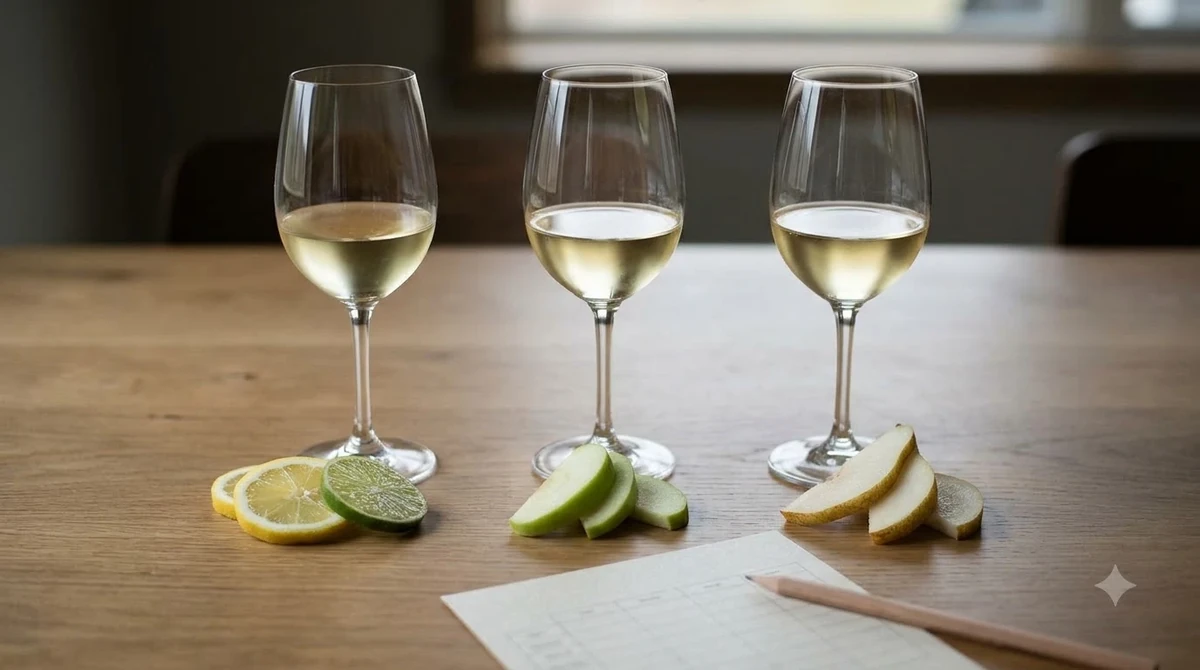
On the nose, a classic dry Grillo opens with lemon zest, pink grapefruit, green apple, and white peach, layered over subtle floral hints of orange blossom and jasmine inherited from its Muscat lineage. Underneath the fruit sits a savory dimension of Mediterranean herbs—such as thyme, sage, and wild fennel—paired with flinty minerality and a saline, sea-spray finish. Reviewers at Wine Enthusiast frequently highlight this savory, coastal personality as the trait that distinguishes Grillo from simpler, fruit-only white wines.
In the cellar, producers shape Grillo along two main stylistic paths depending on fermentation vessel and aging time. The most common style is fermented and aged in stainless steel tanks using low-oxygen (reductive) techniques to lock in zesty acidity, bright citrus aromatics, and a taut, refreshing finish. A second, fuller-bodied style involves aging the wine on its spent yeast cells (lees) in concrete tanks or neutral barrels, yielding a rounder, slightly creamy mouthfeel with notes of marzipan, baked pear, and honey.
Beyond dry table wines, Grillo remains an essential component in Marsala DOC, particularly in top-tier Marsala Vergine and Superiore bottlings where oxidation adds notes of roasted almonds, dried apricot, and warm spice. A small number of experimental Sicilian producers also craft skin-contact (orange) wines and sparkling wines from the grape, taking advantage of its thick skins and resilient natural acidity.
| Grillo Style | Primary Aging Vessel | Key Aromas & Flavors | Body & Texture |
|---|---|---|---|
| Crisp Coastal Dry (Sicilia DOC) | Stainless steel | Lemon zest, grapefruit, green apple, thyme, sea salt | Light-to-medium body, zippy acidity, clean finish |
| Lees-Aged / Reserve Dry | Concrete tanks or neutral oak | White peach, toasted almond, dried herbs, wet stone | Medium-to-full body, creamy mid-palate, layered finish |
| Fortified Marsala | Oak casks (solera or oxidative aging) | Dried apricot, walnut, caramel, orange peel, spice | Full-bodied, rich, nutty, dry to sweet |
Where It Grows
While Grillo is planted across much of Sicily today, its spiritual home and highest concentration of vineyards lie along the sun-drenched western coast of the island, particularly in the province of Trapani around the historic port town of Marsala.
Western Sicily offers a combination of intense Mediterranean sunlight, cooling afternoon sea breezes from the Tyrrhenian Sea and Strait of Sicily, and well-draining sandy or calcareous clay soils. Vineyards situated close to the shoreline—including parcels near the Stagnone Lagoon and the island of Mozia—absorb maritime air that translates into pronounced saline notes in the finished wine. Inland and further east, vineyards in hilly zones around Palermo, Agrigento, and southeastern Vittoria grow Grillo at higher elevations, where cooler nighttime temperatures preserve delicate floral aromatics and crisp acidity.
Outside Sicily, Grillo remains rare. Small plantings exist in mainland southern Italy, and the grape appears in Liguria under the synonym Rossese Bianco, though it plays a minor role there. Because Grillo maintains natural acidity and balanced alcohol levels despite extreme heat and drought, viticulturists in warm New World regions—including a handful of experimental plantings in California’s Sonoma County—have begun testing its potential as a climate-resilient white variety.
How to Serve
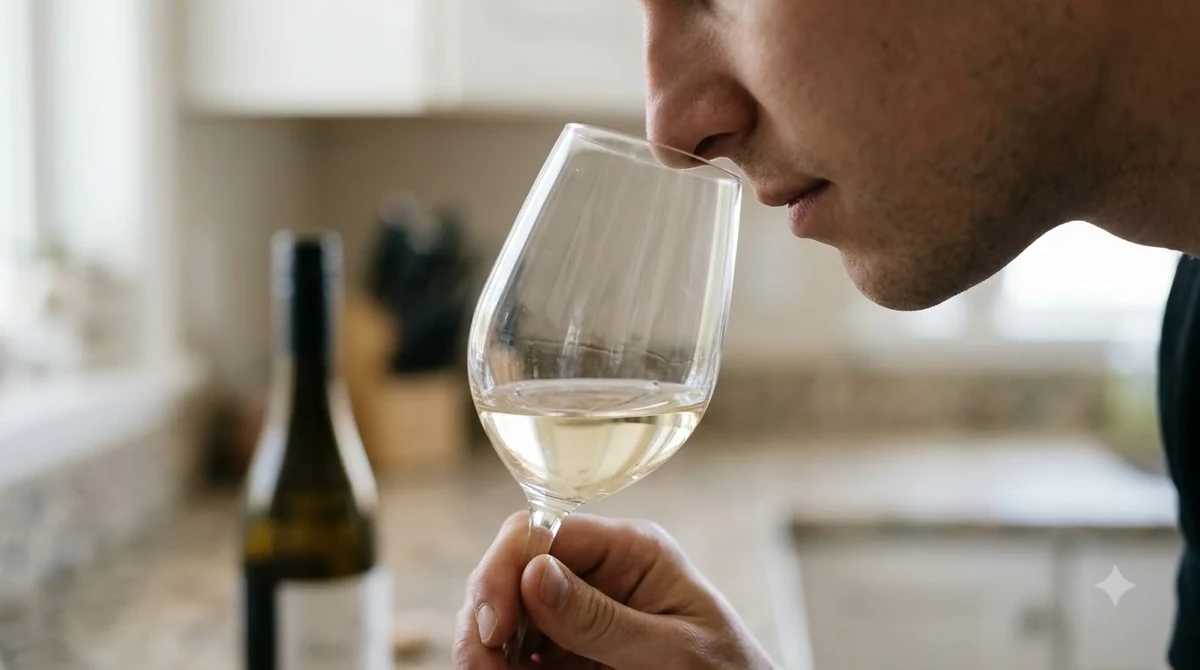
Serving Grillo at the proper temperature keeps its bright citrus acidity lively without muting its subtle herbal and floral aromatics. A standard white wine glass with a medium tulip-shaped bowl works best to concentrate its coastal bouquet.
Chill a crisp, stainless-steel Grillo to between 45 and 50°F (7 to 10°C)—roughly two hours in a standard refrigerator, or 20 minutes in an ice-and-water bath. Serving it straight from an ice bucket near freezing temperatures will flatten the white peach, jasmine, and thyme notes, leaving only sharp acidity. If you are pouring a richer, lees-aged or lightly oaked Grillo, let the bottle warm slightly toward 50 to 54°F (10 to 12°C) so its nutty, textural complexity can open up in the glass.
Most dry Grillo bottlings are meant to be enjoyed young, within one to three years of the vintage date, while their citrus and sea-breeze energy is at its peak. However, structured single-vineyard and lees-aged examples from top Sicilian estates can develop attractive honeyed, flinty, and toasted-almond complexity over four to six years in a cool cellar. Unlike fuller red varieties covered in our guide to wine by type, young dry Grillo does not require decanting before pouring.
Tip: If your bottle of Grillo feels overly sharp or closed right out of the refrigerator, let it sit in the glass for ten minutes; as it warms slightly, the floral Muscat heritage and savory almond finish come into focus.
Food Pairing
Grillo’s combination of brisk acidity, medium weight, and natural salinity makes it an effortless partner for coastal seafood, Mediterranean vegetables, and herb-driven dishes. Think of it as a slightly fuller, more savory alternative to Pinot Grigio or coastal Sauvignon Blanc.
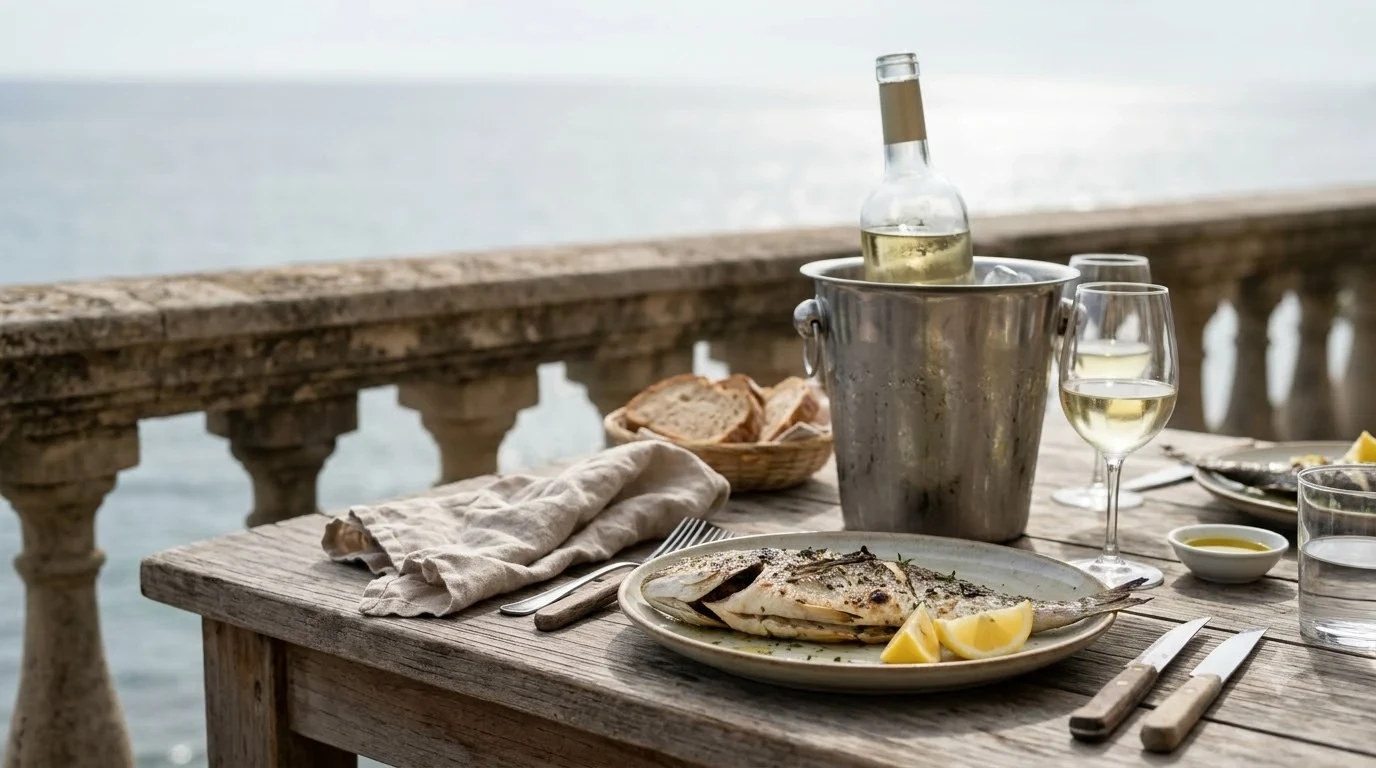
In its Sicilian homeland, Grillo is the traditional companion to raw and cooked seafood, from tuna crudo and grilled swordfish to spaghetti alle vongole (pasta with clams) and fried calamari. The wine’s salty, citrus-driven profile acts much like a squeeze of fresh lemon over grilled shellfish, cutting through olive oil and rich butter sauces without overwhelming delicate fish.
Beyond seafood, Grillo pairs smoothly with vegetarian pasta dishes, roasted vegetables, and soft cheeses. Classic Sicilian preparations like pasta con le sarde (with sardines, wild fennel, and pine nuts), caponata, or eggplant parmigiana play directly into the grape’s herbal and savory undertones. For casual gatherings, serve a chilled bottle alongside fresh ricotta, young pecorino, briny green olives, or white pizza topped with garlic and fresh herbs.
How to Choose a Bottle
Shopping for Grillo is straightforward once you know how to read Sicilian appellations and producer cues on the label. Look first for bottles carrying the Sicilia DOC designation, which requires strict quality standards and guarantees authentic Sicilian origin, or Terre Siciliane IGT for expressive single-vineyard and artisanal bottlings.
Check the back label or importer notes for clues about winemaking style. If you prefer a zippy, ultra-refreshing aperitif white, choose a recent vintage fermented in stainless steel with alcohol between 12 and 13 percent ABV. If you want more weight and complexity for dinner, look for mentions of sur lie (lees) aging, concrete tank fermentation, or old-vine coastal parcels, which often sit closer to 13 or 13.5 percent ABV. Remember that while Grillo makes great dry table wine, bottles labeled simply “Marsala” are fortified wines—delicious for sipping or cooking, but a very different experience from dry Sicilia DOC Grillo.
Exploring regional white grapes like Grillo is also a great way to understand how Mediterranean islands shape wine character compared to mainland classics—just as exploring where Merlot is from or where Syrah is from reveals how climate shifts a grape’s personality from crisp and savory to lush and ripe.
Frequently Asked Questions
Is Grillo a sweet wine or a dry wine?
Modern varietal Grillo labeled under Sicilia DOC is almost always a crisp, dry white wine with no noticeable residual sugar. While Grillo is also used to make sweet fortified Marsala, unfortified table wines made from the grape are fermented completely dry and prized for their bright citrus acidity and salty finish.
What does Grillo wine taste like compared to Pinot Grigio or Sauvignon Blanc?
Grillo sits comfortably between Pinot Grigio and Sauvignon Blanc in style, offering more body and savory herbal depth than standard Pinot Grigio without the sharp grassy intensity of New Zealand Sauvignon Blanc. Expect flavors of lemon zest, white peach, and green apple accented by wild thyme, almond, and a distinct sea-breeze salinity.
Is Grillo the same thing as Marsala wine?
No, Grillo is a white wine grape variety, whereas Marsala is a fortified wine made in western Sicily around the city of Marsala. Grillo is one of the primary grapes traditionally blended into Marsala alongside Catarratto and Inzolia, though today it is widely bottled on its own as an unfortified dry white wine.
How do you pronounce Grillo?
In Italian, Grillo is pronounced “GREE-lo,” with the double-L sounding like a soft English “L” rather than a Spanish “Y” sound. The name literally translates to “cricket” in Italian, a common nickname in Sicily for the grape’s lively, energetic character in the vineyard.
Rooted in Sicily’s sun-baked western coast, Grillo has successfully stepped out from behind fortified Marsala to claim its place among Italy’s most versatile dry white wines. Whether poured chilled alongside fresh seafood or savored on a warm evening for its salty, citrus-laced finish, a bottle of Sicilian Grillo delivers an unmistakable taste of the Mediterranean.
More in Wine Types & Grapes
 Zinfandel Sugar Content: Dry Red vs. White Zinfandel GramsUpdated Nov 21, 2026
 Best Zinfandel Substitute Options for Sipping and CookingUpdated Nov 21, 2026
 Zweigelt Food Pairing: Best Dishes, Cheeses, and Serving TipsUpdated Nov 21, 2026
 Zinfandel Tannins Explained: How Structure Shapes Every BottleUpdated Nov 21, 2026
 Zinfandel Sweetness Level: Dry Red vs. Sweet White Zin ExplainedUpdated Nov 21, 2026
 Xinomavro Food Pairing: Best Dishes, Styles, and Serving TipsUpdated Nov 21, 2026