

We may earn a commission when you buy through links on this page, at no extra cost to you. Learn more.
If you are wondering what is xinomavro, it is northern Greece’s premier indigenous red wine grape, prized for producing high-acid, firmly tannic, age-worthy wines with savory notes of tomato, olive, and red fruit. Often compared to Italy’s Nebbiolo for its pale ruby hue and gripping structure, the grape’s name translates from Greek as “acid black.” While best known for structured dry red wines from regions like Naoussa and Amyndeon, winemakers also craft it into crisp rosés and traditional-method sparkling wines.
Walking down a wine shop aisle, you might pass right by a Greek label simply because the alphabet or grape names feel unfamiliar. Yet sommeliers and collectors consistently treat Xinomavro as one of Europe’s great cellar-worthy red varieties, offering the structural complexity of Barolo or Burgundy without the steep collector markup. Understanding how this late-ripening grape behaves in the vineyard and the glass opens up an entire category of food-friendly bottles.
What Is Xinomavro?
Xinomavro is a dark-skinned, late-ripening red grape native to the Macedonia region of northern Greece, where it serves as the backbone of the country’s most celebrated red appellations. Its name combines the Greek words for “acid” (xino) and “black” (mavro), an apt description of its dark berries and naturally tart, mouthwatering acidity.
Despite its dark skin color, Xinomavro typically yields wines that look surprisingly translucent in the glass—ranging from bright ruby in youth to brick-orange as the wine matures. That pale appearance often surprises first-time drinkers who expect a light, easygoing red, only to meet a firm wall of grippy tannins and lively acidity on the first sip. Wine writers frequently compare this visual and structural paradox to Nebbiolo, the noble grape behind Italy’s Barolo and Barbaresco.
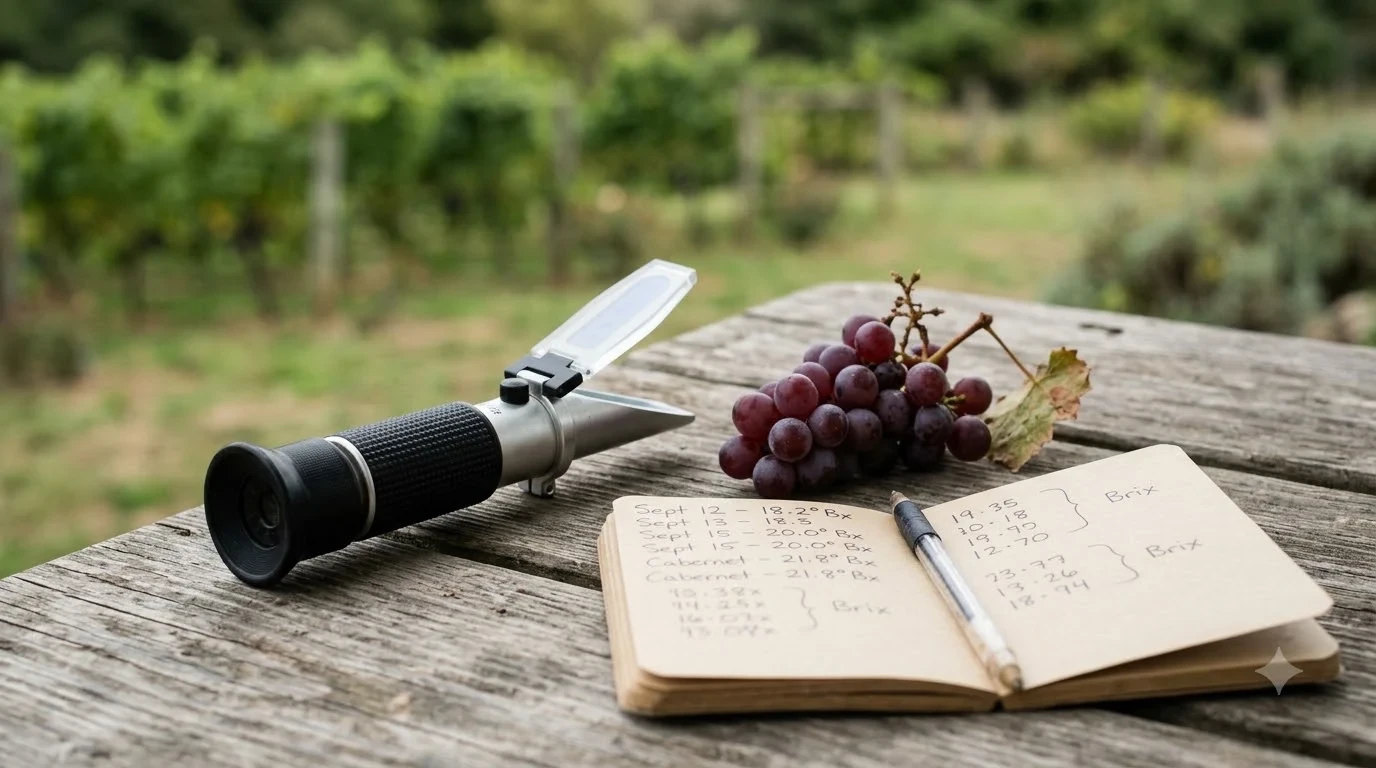
In the vineyard, Xinomavro is notoriously finicky and sensitive to disease, requiring low yields and careful site selection to reach full phenolic ripeness. According to Wine Enthusiast, hillside vineyards at higher elevations with poor soils help extend the growing season so the tannins soften without losing natural freshness. Modern Greek viticulture owes much of its Xinomavro revival to pioneers like Yiannis Boutaris, who began replanting Naoussa vineyards in 1968 and championed single-varietal bottlings.
If the spelling trips you up at a restaurant table, checking a quick guide on how to pronounce xinomavro will have you ordering like a regular—it sounds like ksee-NOH-mah-vroh. Once you get past the name, the grape belongs squarely alongside classic structured reds in any broader exploration of Wine by Type.
Flavor Profile and Wine Styles
Dry red Xinomavro delivers a distinctive balance of bright red berries and unmistakable Mediterranean savory notes, backed by medium-to-full body, high acidity, and assertive tannins. Depending on winemaking choices and vineyard elevation, it can range from juicy and approachable to austere and built for decades of aging.
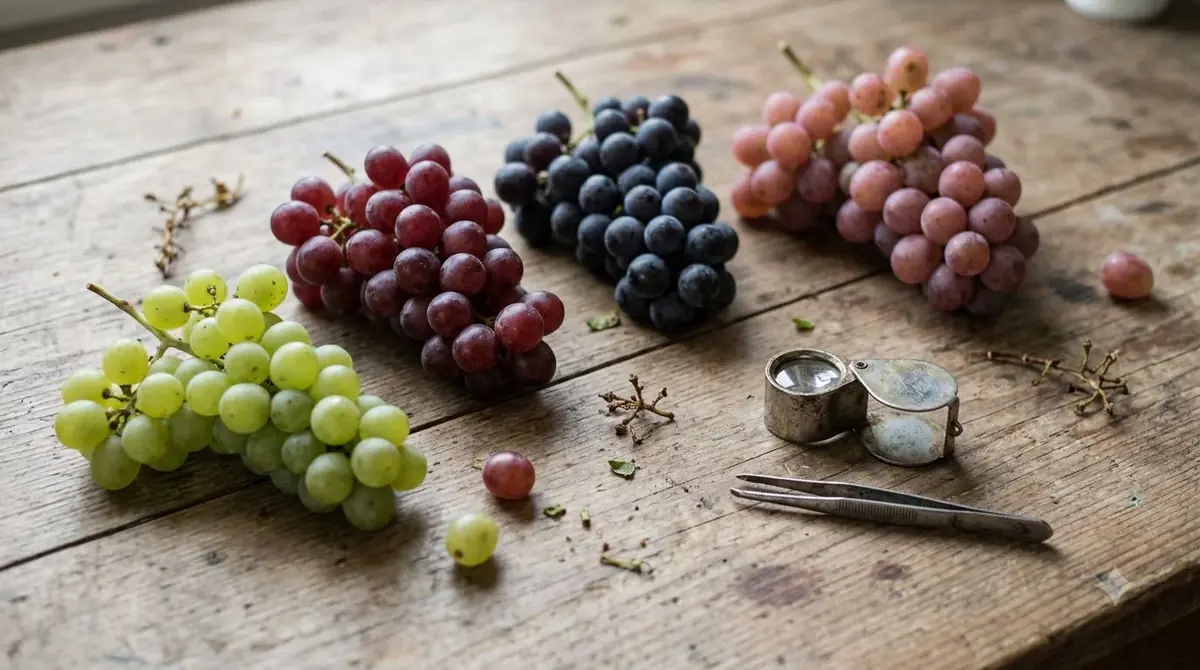
In its youth, a classic red Xinomavro opens with tart red fruit—think sour cherry, raspberry, cranberry, and wild strawberry—layered over floral hints of dried rose petal. What truly sets the grape apart in blind tastings, however, is its savory core: roasted tomato, tomato leaf, black or green olive, oregano, and baking spices like allspice and anise. Reviewers at Decanter note that with bottle age, those primary fruit and tomato notes gradually evolve into tertiary layers of sun-dried tomato, leather, tobacco, forest floor, and truffle.
While traditionalists age Xinomavro in large oak casks to tame its tannins, a wave of contemporary producers now crafts fresher, earlier-drinking expressions using concrete or stainless steel. These modern bottlings emphasize crunchy red fruit and bright herbal lift, making them enjoyable within three to five years of the vintage rather than requiring a decade in a cellar.
Beyond dry still reds, Xinomavro’s naturally high acidity makes it remarkably versatile across other styles. Winemakers in cooler northern zones press the grape gently for crisp, structured rosés as well as traditional-method sparkling wines—both white (blanc de noirs) and sparkling rosé—that show redcurrant, biscuit, and stony mineral character.
| Style | Typical Profile | Body & Structure | Aging Potential |
|---|---|---|---|
| Traditional Dry Red (Oak-Aged) | Sour cherry, sun-dried tomato, olive, leather, tobacco, baking spice | Medium-full body, high acidity, firm gripping tannins | 10 to 20+ years |
| Modern Dry Red (Unoaked / Light Oak) | Cranberry, raspberry, fresh tomato leaf, rose petal, herbs | Medium body, vibrant acidity, finer-grained tannins | 3 to 5 years |
| Still Rosé | Wild strawberry, redcurrant, blood orange, savory herb finish | Light-to-medium body, crisp acidity, subtle phenolic grip | 1 to 3 years |
| Traditional-Method Sparkling | Redcurrant, apricot, white flowers, brioche, wet stone | Light body, brisk acidity, fine persistent mousse | 2 to 5 years |
Where Xinomavro Grows
Xinomavro is grown almost exclusively in northern and central Greece, where four Protected Designation of Origin (PDO) appellations define its benchmark expressions. Each region’s altitude, soil, and blending rules shape whether the wine leans austere, plush, or mineral-driven.
Naoussa (PDO): Located on the southeastern foothills of Mount Vermio in Greek Macedonia, Naoussa is Xinomavro’s historic heartland and was established as an appellation in 1971. Regulations require wines labeled PDO Naoussa to be made from 100 percent Xinomavro. Limestone-rich soils and sloping hillside vineyards produce the most structured, age-worthy, and savory expressions of the grape.
Amyndeon / Amyntaio (PDO): Situated further northwest on a cool, high-elevation plateau surrounded by lakes, Amyndeon is the coldest red wine appellation in Greece. Also restricted to 100 percent Xinomavro, it yields lighter-colored, higher-acid reds with pronounced floral and red-berry elegance, and it is the only Greek PDO officially permitted to produce sparkling rosé from the grape.
Goumenissa (PDO) and Rapsani (PDO): In Goumenissa, situated in the foothills of Mount Paiko, winemakers blend Xinomavro with at least 20 percent Negoska, a local grape that adds deeper color, softer tannins, and rounder plum fruit. Further south on the lower slopes of Mount Olympus, PDO Rapsani blends roughly equal parts of Xinomavro, Krassato, and Stavroto, creating earthy, mountain-grown reds with mineral tension and sweet spice.
How to Serve Xinomavro
Serving Xinomavro at slightly cool cellar temperatures with plenty of aeration softens its firm tannins and brings forward its complex floral and savory aromatics. Treat a bottle much like you would a fine Barolo or Pinot Noir rather than a heavy, warm-climate red.
Aim to serve red Xinomavro between 55°F and 60°F (12°C to 15°C), which translates to roughly 20 to 30 minutes in the refrigerator before pouring. Serving the wine too warm accentuates its 13.5 to 15 percent alcohol and makes the tannins feel coarse, whereas a slight chill keeps the bright cherry and tomato-leaf acidity snappy. Still rosés and sparkling Xinomavro taste best well chilled around 45°F to 50°F.
Glassware and decanting make a noticeable difference, especially with younger bottles from Naoussa or Amyndeon. Pour the wine into a wide-bowled Burgundy glass so the delicate rose petal, spice, and earthy notes can collect near the rim. Young, tannic reds benefit from at least one hour in a decanter before dinner, while older vintages aged ten years or more should be decanted gently right before serving to separate sediment without stripping away fragile truffle and dried-fruit aromas.
Tip: If you open a bottle of young Xinomavro and find the tannins too astringent on night one, recork it and leave it on the counter overnight—many bottles taste noticeably rounder and more expressive on day two.
Best Food Pairings for Xinomavro
Xinomavro is built for the dinner table, where its mouthwatering acidity cuts through rich fats and its firm tannins bind cleanly to dietary proteins. Because the grape carries natural notes of tomato, olive, and wild herbs, it mirrors Mediterranean ingredients rather than clashing with them.
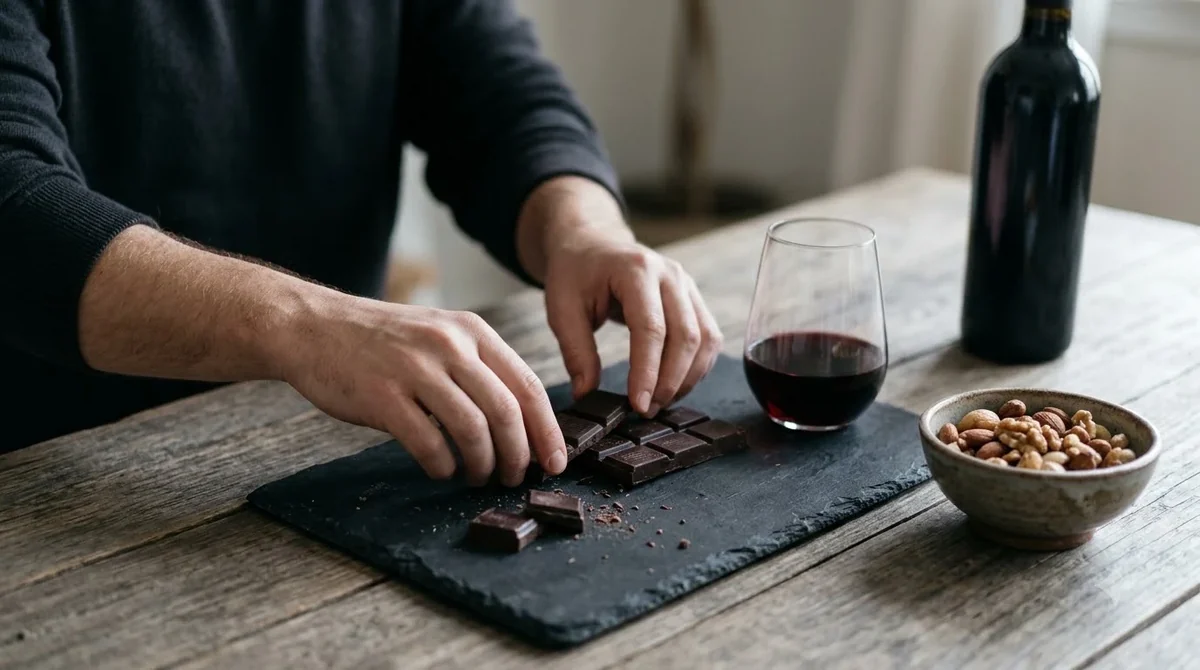
Slow-cooked meats and tomato-based braises are the gold standard. Traditional Greek dishes like lamb kleftiko, beef stifado, moussaka, and slow-roasted goat thrive alongside Xinomavro’s savory backbone. Outside Greek cuisine, the wine excels with Italian ragù, wood-fired pizza, tomato-braised short ribs, and duck confit, where the wine’s acidity refreshes the palate after every rich bite.
For meatless meals, lean into umami-dense ingredients and aged cheeses. Wild mushroom risotto, roasted portobello steaks, lentil stews, and truffle pasta echo the earthy, forest-floor nuances of mature bottles. Hard, salty cheeses such as aged Graviera, Kefalotyri, Parmigiano-Reggiano, or aged Manchego tame the wine’s astringency effortlessly. For even more specific menu ideas across different styles, explore our dedicated guide to xinomavro food pairing.
How to Choose a Bottle of Xinomavro
Picking the right bottle comes down to deciding whether you want an approachable, fruit-driven wine for tonight or a structured, savory red meant for slow braises and cellar aging. Reading the appellation and oak cues on the back label will point you straight to the style you prefer.
If you normally gravitate toward Pinot Noir, Gamay, or lighter Sangiovese, look for bottles labeled as “young vines” (Jeunes Vignes), unoaked reds, or bottlings from cool-climate Amyndeon. These tend to sit closer to 12 to 13.5 percent ABV, highlight crunchy cranberry and sour cherry fruit, and require minimal decanting. Sparkling rosé from Amyndeon is another reliable entry point if you want to experience the grape’s bright acidity without heavy tannins.
If you love Nebbiolo, Barolo, or structured old-world reds, seek out traditional oak-aged bottlings from PDO Naoussa or mountain blends from PDO Rapsani. Check the vintage date as well: because serious Naoussa producers typically hold wines back before release, finding a bottle with five to ten years of bottle age already under its belt lets you experience Xinomavro’s signature truffle, leather, and sun-dried tomato complexity right away.
Frequently Asked Questions
Is Xinomavro similar to Pinot Noir or Nebbiolo?
Xinomavro shares traits with both grapes, though it is structurally closest to Nebbiolo. Like Nebbiolo, it combines a pale ruby color with high acidity, grippy tannins, rose-petal aromatics, and decades of aging potential, while lighter, unoaked expressions from cool sites can remind drinkers of earthy Pinot Noir.
Is Xinomavro a dry or sweet wine?
The vast majority of Xinomavro is fermented completely dry, showcasing tart red fruit, savory herbs, and firm structure with zero residual sweetness. You will occasionally encounter off-dry sparkling rosés or rare late-harvest dessert bottlings, but standard table wines labeled Naoussa, Amyndeon, Goumenissa, or Rapsani are reliably dry.
Why does Xinomavro smell like tomatoes and olives?
Aromatic compounds naturally present in Xinomavro skins produce savory notes of fresh tomato leaf, roasted tomato, and black or green olive alongside red berries. Rather than being a winemaking flaw, these Mediterranean characteristics are a signature marker of grape typicity that sommeliers rely on to identify Xinomavro in blind tastings.
How long can you age a bottle of Xinomavro?
A well-made traditional red Xinomavro from Naoussa can easily age for 10 to 20 years or more in a cool, dark cellar. Over time, its assertive youthful tannins soften into a silky texture while bright cherry fruit transforms into complex layers of sun-dried tomato, leather, tobacco, and truffle. Modern unoaked styles are best enjoyed within three to five years of the vintage.
Whether you start with a chilled sparkling rosé from Amyndeon or decant an aged Naoussa red alongside a slow-cooked Sunday roast, Xinomavro rewards drinkers who appreciate character over sheer weight. Now that you know what is Xinomavro and how to read its regional cues, picking up a bottle is one of the easiest ways to bring authentic northern Greek winemaking to your table.
More in Wine Types & Grapes
 Zinfandel Sugar Content: Dry Red vs. White Zinfandel GramsUpdated Nov 21, 2026
 Best Zinfandel Substitute Options for Sipping and CookingUpdated Nov 21, 2026
 Zweigelt Food Pairing: Best Dishes, Cheeses, and Serving TipsUpdated Nov 21, 2026
 Zinfandel Tannins Explained: How Structure Shapes Every BottleUpdated Nov 21, 2026
 Zinfandel Sweetness Level: Dry Red vs. Sweet White Zin ExplainedUpdated Nov 21, 2026
 Xinomavro Food Pairing: Best Dishes, Styles, and Serving TipsUpdated Nov 21, 2026