

We may earn a commission when you buy through links on this page, at no extra cost to you. Learn more.
If you are wondering what is teroldego, it is a deeply pigmented native red wine grape from northeastern Italy’s Trentino region that produces juicy, medium-to-full-bodied dry wines with bright acidity and moderate tannins. Grown primarily in the alpine valley floor known as the Piana Rotaliana, the grape is genetically related to Lagrein, Marzemino, and Syrah. Despite its inky purple color, Teroldego often surprises drinkers with vibrant dark berry fruit, mountain herb notes, and a refreshing, food-friendly finish.
Pronounced teh-ROL-deh-go, this ancient variety has been cultivated in the foothills of the Italian Dolomites since at least the fifteenth century. While many wine lovers focus on better-known northern Italian reds from Piedmont or Veneto, Teroldego offers an intriguing middle ground between plush dark fruit and crisp alpine freshness. Exploring how this grape grows, tastes, and behaves at the table reveals why sommeliers and adventurous wine drinkers keep returning to bottles from Trentino and beyond.
What Is Teroldego?
Teroldego is an indigenous black-skinned grape variety from the Trentino-Alto Adige region of northeastern Italy, prized for crafting intensely colored red wines that balance dark fruit concentration with lively acidity. It earned Trentino’s very first Denominazione di Origine Controllata (DOC) designation in 1971 as Teroldego Rotaliano.
Ampelographers and DNA researchers have uncovered fascinating clues about Teroldego’s family tree over the past few decades. Genetic profiling shows that Teroldego shares a parent-offspring relationship with Lagrein and Marzemino, two fellow northeastern Italian varieties, and is also closely related to Syrah and Pinot Noir. In the twentieth century, Italian researcher Rebo Rigotti even crossed Teroldego with Merlot to create a grape named Rebo, further cementing its foundational role in Trentino viticulture.
The name itself likely stems from local geography or historic land classifications. Wine historians point to early fifteenth-century records referencing “Alle Teroldege,” an area in northern Italy where the grape was documented and sold, while others link the name to traditional dial-shaped pergola trellises or the local dialect word for gold, “oro,” reflecting the high esteem in which growers held the wine. For centuries, Trentino locals referred to it affectionately as the “prince” or “king” of Trentino wines.
In the vineyard, Teroldego is a naturally vigorous vine with thick-skinned, dark berries that ripen between mid-September and early October. Left unchecked, the vines can produce overly high yields that dilute flavor, so quality-focused growers carefully prune and thin clusters to concentrate sugars, aromatics, and phenolic ripeness. Historically trained on overhead pergola trentina canopies to protect fruit from sunburn and rot, many modern estates now also utilize vertical shoot positioning to maximize airflow and ripeness.
Flavor Profile and Winemaking Styles
In the glass, Teroldego displays an opaque, ruby-purple hue, yet its flavor profile delivers juicy blackberry, black cherry, and plum notes lifted by crisp acidity and gentle-to-moderate tannins. Reviewers at Wine Folly describe it as a bold-but-juicy red marked by blackberries, sweet anise, orange peel, and sweet tobacco smoke.
That contrast between visual intensity and palate freshness makes Teroldego uniquely versatile. On the nose, young bottlings burst with crushed wild berries, Morello cherry, violet petals, and subtle mountain herbs, often accented by hints of white pepper, cocoa, or crushed stone. Across the palate, the wine feels supple and energetic rather than heavy or jammy, carried by mouthwatering natural acidity that cleanses the finish and invites another sip. Unlike some thick-skinned grapes that turn harshly astringent, Teroldego typically maintains smooth, grainy tannins with a pleasant, slightly savory almond-skin bite on the close.
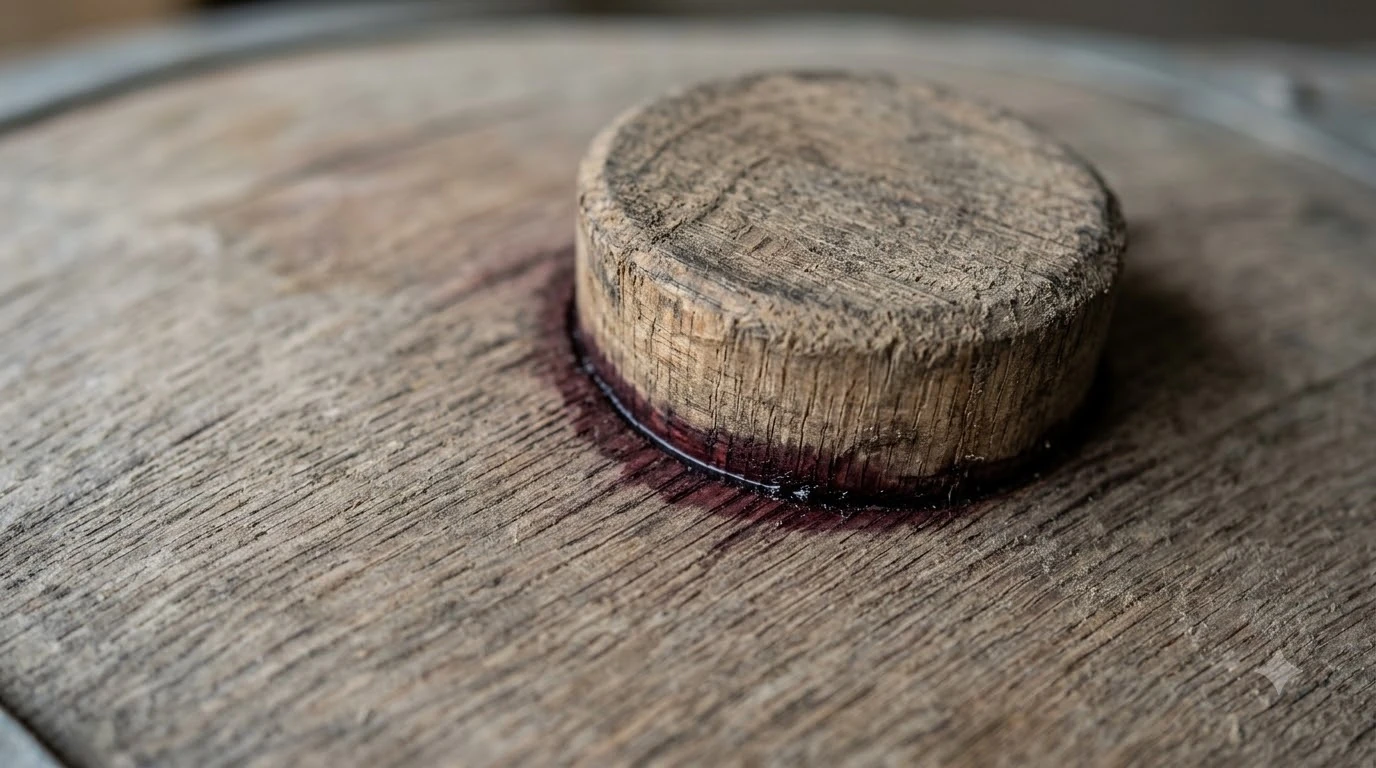
Winemakers shape Teroldego into several distinct styles depending on fermentation vessels, maceration length, and aging choices. Fresh, everyday expressions are fermented in stainless steel or neutral concrete with shorter skin contact, emphasizing bright red and black fruit, floral lift, and immediate drinkability. At the other end of the spectrum, Riserva bottlings and single-vineyard selections undergo longer macerations and spend time aging in French or Slavonian oak barrels, developing deeper layers of dark chocolate, leather, forest floor, and sweet spice that can evolve gracefully for a decade or more.
Beyond classic dry reds, growers also craft lighter, chillable interpretations and vibrant rosés, locally known as Kretzer. As VinePair notes, Teroldego can be a wine of contradictions—inky and brooding on the vine yet light and delicate on the palate—inspiring experimental low-intervention bottlings fermented with whole clusters or brief skin contact for effortless warm-weather drinking.
Where Teroldego Grows
Teroldego’s spiritual and commercial heartland is the Piana Rotaliana, a compact alluvial plain in Trentino framed by towering limestone Dolomite cliffs. Outside northern Italy, small but passionate pockets of growers cultivate the grape in California, New York’s Finger Lakes, and southern Australia.
Within Trentino, the Teroldego Rotaliano DOC covers roughly one hundred hectares across the municipalities of Mezzolombardo, Mezzocorona, and the Grumo hamlet of San Michele all’Adige. Here, the Adige and Noce rivers deposited stony, gravelly, well-drained soils over millennia, while sheer rock walls shield the valley floor from frigid northern winds and radiate stored daytime warmth back onto the vines at night. Cooling breezes descending from the Val di Non keep humidity low and preserve the bright natural acidity that defines the grape.
Outside the strict boundaries of the Rotaliano plain, Teroldego also appears across broader Trentino DOC and Vigneti delle Dolomiti IGT bottlings, sometimes grown on higher-elevation hillside slopes that yield taut, mineral-driven wines. While it dominates red wine production in its home valley, it remains a specialist variety compared to ubiquitous international grapes—an appealing discovery for drinkers exploring different wine by type beyond mainstream shelves.
Over the past two decades, a handful of New World winemakers have embraced Teroldego for its ability to retain vibrant acidity in sunny climates. In California, producers in Clarksburg, Lodi, and Paso Robles bottle rich, dark-fruited versions—often reaching higher alcohol levels around 14.5 percent ABV compared to Trentino’s typical 12.5 to 13.5 percent—while cool-climate growers in New York’s Finger Lakes and Australia’s Margaret River and Adelaide Hills craft aromatic, energetic expressions.
| Style / Origin | Typical ABV | Dominant Flavor Notes | Tannin & Body | Aging Window |
|---|---|---|---|---|
| Trentino Stainless / Classic DOC | 12.5% – 13.5% | Blackberry, Morello cherry, violet, mountain herbs, almond | Medium body, moderate grainy tannins, high acidity | Drink within 1–4 years |
| Trentino Riserva / Oak-Aged | 13.0% – 14.0% | Roasted plum, black currant, dark chocolate, leather, tobacco, spice | Medium-full to full body, structured tannins, bright acidity | 5–12+ years |
| Chillable / Rosé (Kretzer) | 12.0% – 13.0% | Tart raspberry, red currant, crushed stone, wildflowers | Light-to-medium body, low tannins, crisp acidity | Drink within 1–2 years |
| California (Paso Robles / Clarksburg) | 14.0% – 14.5% | Ripe blackberry, plum compote, sweet anise, mocha, bramble | Full body, broad structured tannins, lively acidity | 3–8 years |
How to Serve Teroldego
Serve standard dry Teroldego slightly below room temperature at 60 to 65 degrees Fahrenheit (16 to 18 degrees Celsius) in a medium-sized tulip-shaped red wine glass. Lighter, stainless-steel or experimental chillable styles benefit from a slightly cooler pour around 55 to 60 degrees Fahrenheit.
Temperature control makes a noticeable difference with this variety. Because Teroldego relies on brisk alpine acidity and aromatic lift rather than heavy oak sweetness, serving it too warm above 68 degrees Fahrenheit can mute its floral perfume and make the alcohol feel sharp. Placing a bottle in the refrigerator for 20 to 30 minutes before opening brings it right into the ideal range, allowing the fresh berry, violet, and herbal notes to shine alongside its silky texture.
Decanting depends largely on the age and structure of the bottle in front of you. Young, unoaked or lightly aged Teroldego Rotaliano needs little more than a quick swirl in the glass, though 30 minutes of air helps blow off any initial reduction from reductive fermentation. Oak-aged Riserva bottlings and denser New World examples, on the other hand, open up considerably after 45 to 60 minutes in a decanter, softening their youthful grip and revealing deeper cocoa and spice nuances.
Tip: If your bottle comes from a biodynamic or minimal-intervention Trentino producer, give it 30 minutes of air after opening—young alpine reds often show a faint smoky or stony aroma right out of the bottle that quickly transforms into bright wild berries and violets.
Food Pairing with Teroldego
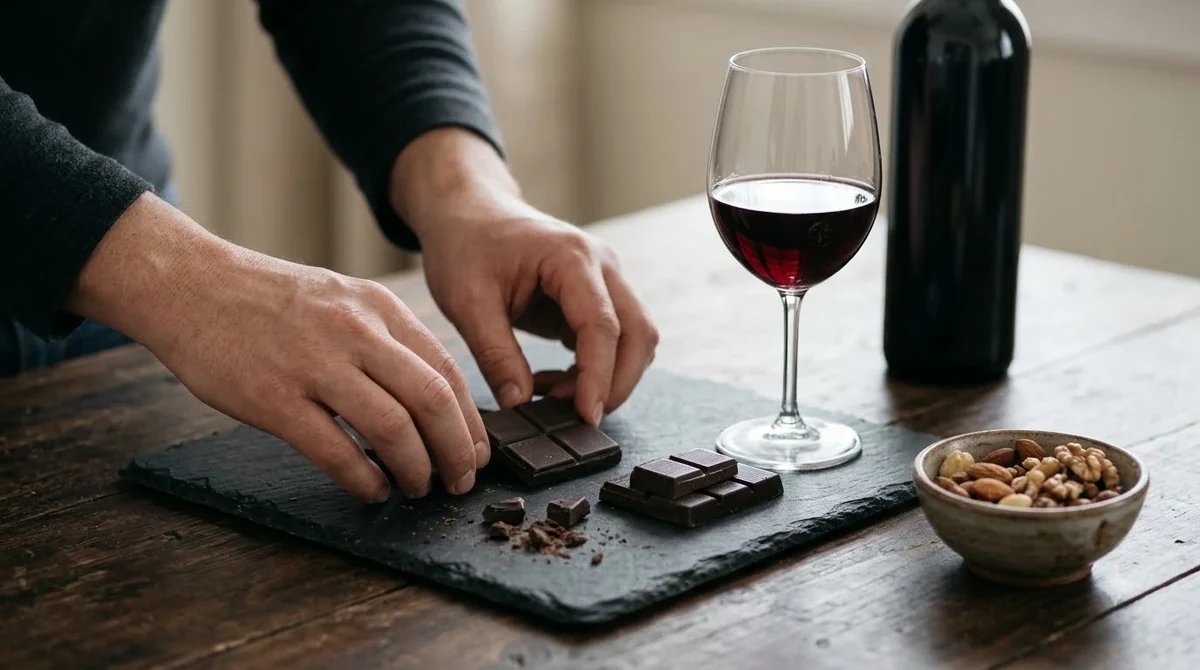
Teroldego’s combination of juicy dark fruit, brisk acidity, and moderate tannins makes it an effortless table partner for roasted meats, aged mountain cheeses, cured charcuterie, and hearty pasta dishes. Its natural brightness cuts cleanly through rich fats without overwhelming delicate herbs or earthy flavors.
In its native Trentino, locals routinely pour Teroldego alongside regional staples such as speck, smoked mountain ham, creamy polenta topped with sautéed porcini mushrooms and sausage, or rich game ragùs. The wine’s savory herbal undertone echoes rosemary, thyme, and juniper, while its brisk acidity refreshes the palate between bites of buttery cheese like Trentingrana or aged Asiago. For a deeper look at specific dishes and sauce matches, explore our complete guide to teroldego food pairing.
Beyond traditional Italian fare, Teroldego adapts smoothly to everyday weeknight cooking and backyard grilling. Try it with herb-crusted pork tenderloin, grilled lamb chops, seared duck breast, or smoky barbecue ribs, where the wine’s blackberry and sweet spice notes complement charred, caramelized exteriors. Vegetarian dishes built around roasted eggplant, wild mushroom risotto, or lentil stews also pair beautifully with medium-bodied bottlings, making it a go-to red when guests at the table are ordering a mix of meats and plant-based plates. If your menu leans toward seafood or lighter summer salads instead, crisp white varieties like the airen grape or zesty arinto wine will offer a better structural match than even a lightly chilled Teroldego.
How to Choose a Bottle of Teroldego
When shopping for Teroldego, check the front label for the regional appellation—such as Teroldego Rotaliano DOC or Vigneti delle Dolomiti IGT—alongside cues like “Riserva” or alcohol percentage to gauge whether the wine leans fresh and lively or rich and oak-aged.
Start by deciding which expression matches your occasion. Bottles labeled simply Teroldego Rotaliano DOC from established Trentino producers—such as Foradori, Mezzacorona, Cantina Rotaliana, or Monfort—generally highlight pure varietal fruit, vibrant acidity, and approachable tannins suited for immediate enjoyment. If you prefer deeper concentration, toasted spice, and cellar potential, look for the term Riserva, which requires extended aging under Italian DOC rules and signals a fuller, more structured wine.
Inspecting the back label and alcohol by volume provides additional clues before you pull the cork. Italian bottlings sitting around 12.5 to 13 percent ABV typically deliver a lighter, snappier, food-driven profile, whereas bottles labeled under Vigneti delle Dolomiti IGT from artisan estates often showcase single-vineyard character or amphora and concrete aging. If you encounter an American or Australian Teroldego around 14 to 14.5 percent ABV, expect riper blackberry jam notes, plush texture, and bolder oak influence tailored to hearty grilled meats.
Frequently Asked Questions
Is Teroldego a sweet or dry red wine?
Teroldego is fermented fully dry, meaning virtually all grape sugars are converted into alcohol during winemaking. Its generous blackberry, plum, and black cherry aromas can give a ripe, juicy impression on the palate, but the wine contains no noticeable residual sweetness and finishes crisp and savory.
What familiar wine does Teroldego taste most like?
Drinkers often compare Teroldego to a cross between Syrah and Pinot Noir, or a lighter, more aromatic style of Malbec or Zinfandel. It combines the deep purple color and dark berry-and-pepper character of Syrah with the bright acidity and lifted floral aromatics typical of cool-climate Pinot Noir.
Can you chill Teroldego before serving?
Yes, Teroldego responds remarkably well to a light chill. Serving classic bottlings at 60 to 65 degrees Fahrenheit—and lighter, unoaked styles around 55 to 60 degrees Fahrenheit—keeps its natural alpine acidity crisp and prevents its dark fruit from feeling heavy.
How long can you age a bottle of Teroldego?
Everyday stainless-steel Teroldego Rotaliano is crafted for early drinking and shows best within one to four years of the vintage date. However, oak-aged Riserva bottlings and top single-vineyard wines from Trentino have the acidity and tannin structure to age gracefully for eight to twelve years or longer.
Whether you discover it in a classic Trentino Rotaliano bottling or a bold California interpretation, Teroldego rewards curious wine drinkers with vibrant dark fruit, alpine freshness, and remarkable versatility at the dinner table. Keep a bottle slightly chilled for your next roasted meat, mushroom pasta, or charcuterie spread to experience one of northern Italy’s most distinctive native reds firsthand.
More in Wine Types & Grapes
 Zinfandel Sugar Content: Dry Red vs. White Zinfandel GramsUpdated Nov 21, 2026
 Best Zinfandel Substitute Options for Sipping and CookingUpdated Nov 21, 2026
 Zweigelt Food Pairing: Best Dishes, Cheeses, and Serving TipsUpdated Nov 21, 2026
 Zinfandel Tannins Explained: How Structure Shapes Every BottleUpdated Nov 21, 2026
 Zinfandel Sweetness Level: Dry Red vs. Sweet White Zin ExplainedUpdated Nov 21, 2026
 Xinomavro Food Pairing: Best Dishes, Styles, and Serving TipsUpdated Nov 21, 2026