

We may earn a commission when you buy through links on this page, at no extra cost to you. Learn more.
Organic champagne is Champagne made from grapes grown without synthetic pesticides, herbicides or synthetic fertilizers, and it carries an official certification such as the French AB logo. The label tells you how the grapes were farmed, but it says less about the cellar work. Knowing what each logo covers helps you pick a bottle that matches what you want.
This guide explains what organic certification means for Champagne producers, how the main labels differ, and how to read a bottle so you know what you are paying for. It also covers which producers are often mentioned in organic circles and how to serve and store your bottle once you get it home.
What Makes a Champagne Organic
An organic Champagne starts in the vineyard. The grapes must be farmed without the synthetic chemicals that conventional growers use to control pests, disease and weeds. Organic growers rely on methods such as cover crops, careful canopy management and natural preparations instead.
Champagne has a damp, northern climate, which means disease pressure is high and growers have historically relied on frequent treatments. For that reason, many people were surprised when a small group of growers began farming organically in earnest. Today, several recognized houses and independent growers produce organic cuvées, and the category keeps expanding.
The grapes are only part of the story. Organic rules for wine also limit the additives and sulfites that producers can use in the cellar. These limits are not identical across every label, so the logo on the bottle matters more than the word organic alone.
How Organic Champagne Is Certified
Organic certification in France is handled through official labels. The most common is the French Agriculture Biologique logo, often shown as AB, which sits alongside the European leaf symbol. The Champagne region’s official site explains that this label guarantees only the grape production is organic, not the cellar work, which is still not regulated in that area.
Some producers go further with the Nature and Progrès label. According to the official official Champagne FAQ page, that label requires compliance with its own winemaking specifications, and organic AB certification is a prerequisite. This means a bottle with both logos has been checked at two levels.
Organic winemaking rules also apply in the cellar, though they are looser than the vineyard rules. A broad range of techniques is allowed, provided they are eco-responsible. Sulfite limits exist, and they are generally lower than conventional practice. Look for a certifying body on the label or back label if you want to confirm the details.
| Label | What it generally covers | Who it applies to |
|---|---|---|
| AB (with European leaf) | Organic grape farming in the vineyard | Most organic Champagne |
| Nature and Progrès | Stricter winemaking rules, built on AB certification | Producers who want tighter cellar standards |
| Demeter or Biodyvin | Biodynamic vineyard and cellar approach | Producers following biodynamic principles |
| Viticulture Durable en Champagne | Environmental performance, including biodiversity, carbon and water | Growers in the region’s voluntary sustainability program |
Tip: A sustainability badge is not the same as an organic certification. Check for AB or a named organic body before assuming a bottle is organic.
Organic vs. Biodynamic vs. Natural Champagne
These three terms overlap, but they are not interchangeable. Organic describes farming and certification rules. Biodynamic goes further, adding specific preparations and a view of the estate as a living system. Natural wine is the loosest term, and in France there is no single official label for it.
Biodynamic Champagne is certified by Demeter or Biodyvin. Those labels require the vineyard to follow biodynamic principles, which include natural inputs and attention to the lunar calendar. A biodynamic bottle is always organic in its farming, but an organic bottle is not always biodynamic.
Natural Champagne usually means minimal intervention, with few additives and little filtration. There is no universal certification behind the word, so the label alone may not tell you much. If a bottle says natural, check the producer’s own description or a recognized certification before you rely on it.
For most buyers, the practical question is simpler. Do you want a certified farming standard, a stricter biodynamic approach, or a low-intervention style? Each answer points to a different logo to look for.
How to Read Organic Champagne Labels and Avoid Overpaying
Start with the front label. Look for the AB logo, the European leaf or a named organic body. Then check the back label for the mandatory information that every Champagne must carry, including the sugar level and the producer’s name.
- Confirm the organic logo or certifying body on the front or back label.
- Check the dosage term, such as Brut Nature or Extra Brut, to understand sweetness.
- Look for the producer name, since grower-producers often show their own estate details.
- Check whether the bottle is non-vintage or vintage, which tells you whether it blends several harvests.
- Read the alcohol content and the warning about drinking, which is required on every bottle.
The dosage term is one of the most useful clues. The official Champagne site lists the sugar categories, and a Brut Nature or Pas Dosé bottle contains less than 3 grams of sugar per litre. Many organic producers use low dosage, so you may find a drier style than you expect. If you prefer a softer profile, the guide to low sugar champagne explains how to compare sweetness levels.
Paying more does not guarantee that a bottle is organic, and an organic label does not guarantee quality. The organic claim is a farming choice, while price depends on the producer, age, rarity and demand. Compare the label rules first, then decide how much a particular style is worth to you.
Producers to Look For
Several names come up often in discussions of organic Champagne. Fleury is described as one of the earliest biodynamic houses, with its work dating to 1989 in the Aube. Léclapart, Leclerc Briant, Larmandier-Bernier, De Sousa and Françoise Bedel are also frequently cited for organic or biodynamic work.
Each producer offers a different style. Some focus on Chardonnay from the Côte des Blancs, while others work with Pinot Noir or Meunier. If you already enjoy organic red wines, the guide to organic pinot noir can help you compare structure and fruit across styles.
Major houses are also moving toward organic farming, though more slowly. Check each producer’s own website and current certification before buying, since producer lineups and certifications can change from year to year.
Serving and Storing Organic Champagne
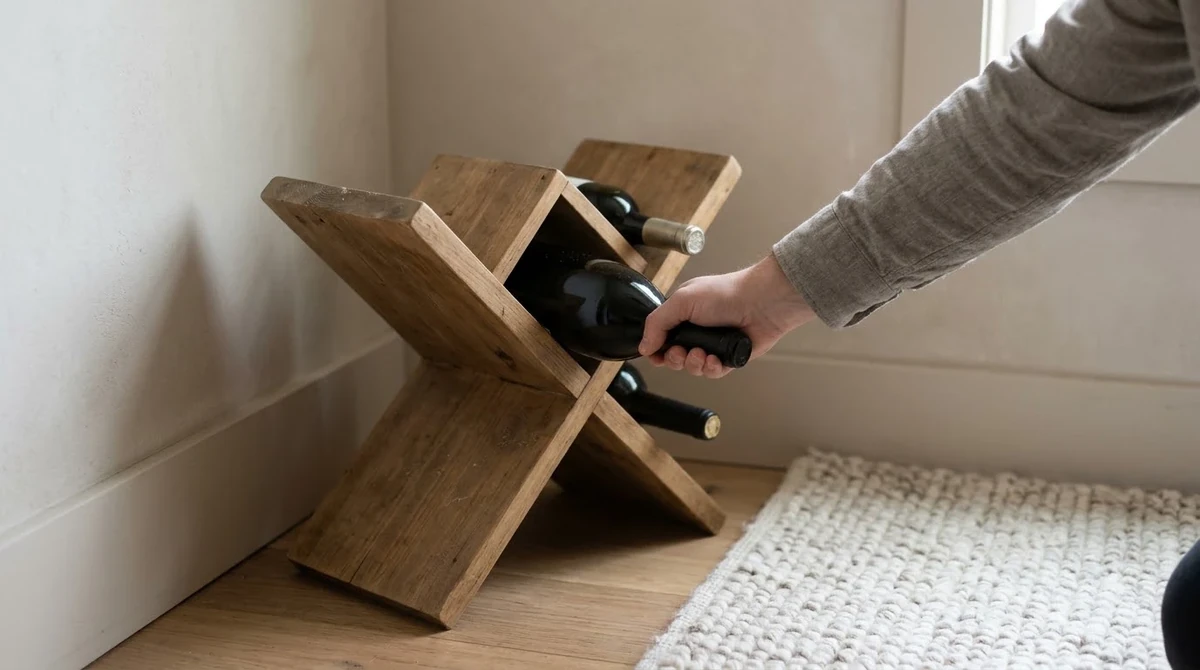
Organic Champagnes are often low in dosage and sulfur, which can make them more sensitive to heat and light. Store bottles in a dark place with a steady temperature, ideally around 10 to 12 °C, and keep them on their sides if they have corks. Avoid kitchens, cars and sunny shelves.
For serving, the official producer guidance points to a slightly less chilled temperature than many people expect, around 9 to 10 °C. A white wine glass lets the aromas open up. Opening the bottle about fifteen minutes before pouring can also help the wine show its character.
If you want to pair your bottle with food, lighter starters, seafood and soft cheeses suit most organic styles. For a sparkling alternative with a similar farming approach, see the guide to organic prosecco. Always serve responsibly, and remember that Champagne contains around 12 percent alcohol.
Frequently Asked Questions
Is all Champagne organic?
No. Most Champagne is not certified organic, and only a portion of the region’s vineyards carries an organic logo. Check the label for AB, the European leaf or another named organic certification before assuming a bottle is organic.
What is the difference between AB and Demeter on Champagne?
AB is the French organic farming label and covers organic grape production. Demeter is a biodynamic certification, which sets stricter rules for the vineyard and includes biodynamic practices. A Demeter bottle is also organic in its farming.
Does organic Champagne taste different?
Organic certification describes farming and cellar rules, not a specific flavor. Many people describe organic and low-dosage Champagnes as purer and more focused, but taste depends on the grapes, terroir and producer. Try a few styles to see what you prefer.
How should I choose an organic Champagne for a gift?
Start with the recipient’s taste. A drier, low-dosage bottle suits people who enjoy crisp wines, while a richer blanc de blancs may appeal to those who like creamy styles. Check the label for a recognized organic logo if that matters to them.
Organic champagne rewards a little label reading. Focus on the logo, the dosage and the producer, and you will know what you are buying before you open the bottle. For more background on comparing bottles, visit the Wine Buying Guides section and drink responsibly.
More in Wine Buying Guides
 Riesling Gift: Choose a Bottle They’ll LoveUpdated Nov 21, 2026
 Sweet Red Wine Gift: Choose a Bottle They’ll LoveUpdated Nov 21, 2026
 Malbec Gift: How to Choose a Memorable Bottle for Any OccasionUpdated Nov 21, 2026
 Sherry Gift Ideas That Match Every Wine LoverUpdated Nov 21, 2026
 Moscato Gift: How to Choose a Sweet Wine They’ll LoveUpdated Nov 21, 2026
 Merlot Gift: How to Choose a Bottle They’ll AppreciateUpdated Nov 21, 2026