


We may earn a commission when you buy through links on this page, at no extra cost to you. Learn more.
Niepoort wine comes from the Portuguese house Niepoort, which is known for Port and for dry table wines made in the Douro and several other Portuguese regions. The family business started as a Port shipper, and it later added unfortified wines under the same name. Its range now runs from structured reds to crisp whites, so the label alone does not tell you the style.
This guide explains what the Niepoort name covers, how the family and its estates developed, the main Port styles to know, and the dry wines worth trying. It also offers practical steps for buying and storing bottles. Read it before you choose a bottle, especially if you are comparing Port with table wine.
What Is Niepoort Wine?
Niepoort wine is a family of Portuguese wines produced by one estate group, and it includes both fortified Port and unfortified table wines. The producer’s own website says the company once sold only Port. In 1990 it began producing unfortified Douro DOC wines, and that shift defines the brand today.
Because the house works across several regions, a Niepoort bottle can be very different from the next one. Some wines are bold and built for aging, while others are light, fresh and meant for everyday meals. Knowing the region and the style on the label helps you predict what is in the glass.
The name also covers projects outside the Douro. The producer’s material lists work in Vinho Verde, Bairrada, Dão, the Mosel in Germany and Alentejo. Each area has its own grapes and climate, so it helps to read the region before you read the tasting notes.
History of the Niepoort Family and Winery
The family story starts in Port trade, and the modern direction came from one member who wanted to change it. According to a retrospective on the winemaker by Wine Anorak, Dirk Niepoort was born in 1964 into a family that owned a small Port shipping business. He returned to the family firm in 1987 and set out to do something different.
His first move was buying vineyards. Wine Anorak reports that he bought the Quinta de Nápoles in 1987 and the Quinta do Carril in 1988, then used fruit from these properties to try making table wine. The first experiment, Robustus, was made from the 1990 harvest and was never widely released. Dirk later said the wine was too extracted for his taste, but he still considers it an important early step.
The first commercial table wine came later. Wine Anorak notes that Redoma was the first commercially released Niepoort table wine, beginning with the 1991 vintage. The producer’s website adds that Dirk joined his father Rolf in 1987, and that the quinta he bought first has records dating to 1756. For the full company story, read the Niepoortland page on the producer’s site, which describes how the estate grew across regions.
Douro Valley Vineyards and Port Styles
The Douro is the home base for most Niepoort wines, and the vineyard sources matter for the style. The producer says it owns 62 hectares of organic vineyards in the Douro, split between Quinta de Nápoles and Quinta do Carril. Carril’s older vines supply several named wines, including Batuta and Redoma.
Port is made at Vale de Mendiz in the Pinhão Valley. The producer says Niepoort bought this former museum in 2003 and converted it into a winemaking facility. Port is crafted there in ancient round granite lagar tanks, and the same site makes Charme, which the producer describes as the only unfortified wine from that winery.
Port comes in several styles, and two are common enough to know. Vintage Port comes from a single declared year and is usually bottled young, so it often needs decanting and time. Colheita is a tawny style from a single harvest that ages in wood before bottling. The sources here do not list individual Niepoort Port releases, so check the label for the style, the year and the bottling date.
| Style | What it generally means | What to check on the label |
|---|---|---|
| Vintage Port | Made from a declared harvest and typically bottled young | The harvest year and whether it needs decanting |
| Colheita | Tawny from one harvest, aged in wood before bottling | The harvest year and the bottling date |
| Dry table red | Unfortified wine from the Douro or other regions | The region, grape blend and vintage |
Niepoort Dry Table Wines
Beyond Port, the house is known for named dry wines that reflect different vineyards. The producer describes Charme as having a nod to the elegance of Burgundy. Batuta is a higher-end wine that Wine Anorak says Dirk sees as his take on Bordeaux. Both are red wines that reward patience, so check the vintage and give them time before you open them.
Outside the Douro, the Dão projects are a good example of the range. The producer says Niepoort acquired Quinta da Lomba in 2012 to save old vines, and its first Dão label was Rótulo, a crisp and light wine. In Vinho Verde, the first releases in 2016 included Wana Bi, Teppo Peixe and OLO. The producer notes that Teppo Peixe was made to pair with Japanese cuisine.
The Bairrada project centers on the Baga grape, and the Mosel project focuses on Riesling through the Fio Wines partnership. The producer says Fio Wines won Discovery of the Year from Gault and Millau in 2020. The Alentejo projects, made with several partners, show a lighter and more playful side of the house. Look at the region first, then the grape and the producer’s notes.
How to Buy and Store Niepoort Wine
Buying well starts with matching the bottle to the style you want. Decide whether you want Port or a dry table wine, then narrow by region and vintage. Reviewers have described some Redoma vintages as long-lived, so a younger bottle may need time in your cellar.
- Read the label first and note the region, the style and the vintage.
- Decide whether you want a fortified Port or an unfortified table wine.
- Check reviewer notes from named critics for the specific vintage you are considering.
- Keep bottles in a cool, dark place with steady temperature and low vibration.
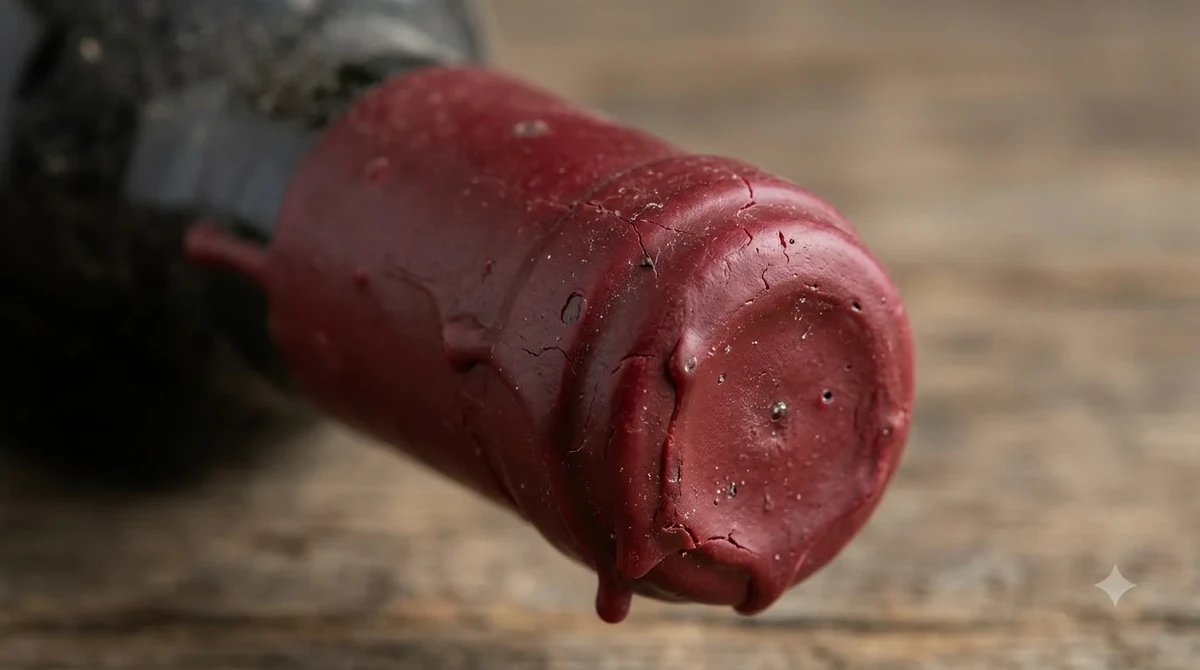
- Store bottles on their side if they have natural corks, and check the corks over time.
- Open Vintage Port with a decanter if the label or the producer advises it.
Storage matters most for aged wines. Avoid heat, direct sunlight and sudden temperature swings, since these can age a bottle too fast. If you are unsure how long a bottle will hold, check the producer’s guidance or the label, and treat any older bottle with care before serving.
For broader context on how brands build their lineups, see the wine brands guide. It shows how producers structure their ranges, which can help you compare a house like Niepoort with others.
Food Pairings and Where to Find Niepoort in the US
Pairings depend on the style you choose. Structured reds tend to match savory dishes and grilled meats, while crisp whites suit lighter seafood and salads. Port is usually served after a meal or with cheese, since its sweetness and weight balance rich flavors.
The producer’s note on Teppo Peixe is a useful reminder that Niepoort designs some wines around specific cuisines. Ask yourself what you plan to serve, then choose the region that fits. A light, fresh wine from the Vinho Verde or Dão projects often suits a simple meal better than a heavy red.
Finding bottles in the United States takes some legwork. The sources used for this guide do not list American retailers or importers. Check the producer’s website for distribution details, then ask a specialist wine shop whether it carries Niepoort. Responsible drinking matters with any wine, so pace your glasses and plan ahead.
Frequently Asked Questions
What is Niepoort known for?
Niepoort is a Portuguese producer known for Port and for dry table wines from the Douro. According to the producer, it began making unfortified Douro DOC wines in 1990. Its range also includes wines from Vinho Verde, Bairrada, Dão, the Mosel and Alentejo.
Is Niepoort wine always Port?
No. The house makes both fortified Port and unfortified dry wines. Check the label to see whether the bottle is a Port style or a table wine, since the names and serving methods differ.
Where are Niepoort vineyards located?
The main estates are in the Douro Valley, where the producer owns organic vineyards. Other projects are in Dão, Bairrada, Vinho Verde, the Mosel and Alentejo. Each region gives the wines a different character.
How should I store a Niepoort bottle?
Keep bottles in a cool, dark place with steady temperature, away from heat and direct sun. For bottles with natural corks, store them on their side. Check the label or producer guidance for any specific advice on aging.
Niepoort wine rewards readers who look past the name and check the region, style and vintage. Start with a clear idea of whether you want Port or a dry table wine, then compare a few options. For more brand profiles, you can also read about ariel wine as another example of how brands present their range.
More in Wine Brands
 Underwood Wine Price: Compare Bottles, Cans, and Pack SizesUpdated Nov 21, 2026
 Zenato Wine Price: Compare Styles and Choose the Right BottleUpdated Nov 21, 2026
 Zuccardi Wine Price: Compare Bottles and Find the Right RangeUpdated Nov 21, 2026
 Yellow Tail Moscato Review: Taste, Sweetness and Serving TipsUpdated Nov 21, 2026
 Wolf Blass Yellow Label Review: Choose Your Best StyleUpdated Nov 21, 2026
 Wolffer Estate Rose Review: Choose the Right Bottle for Your TableUpdated Nov 21, 2026