

We may earn a commission when you buy through links on this page, at no extra cost to you. Learn more.
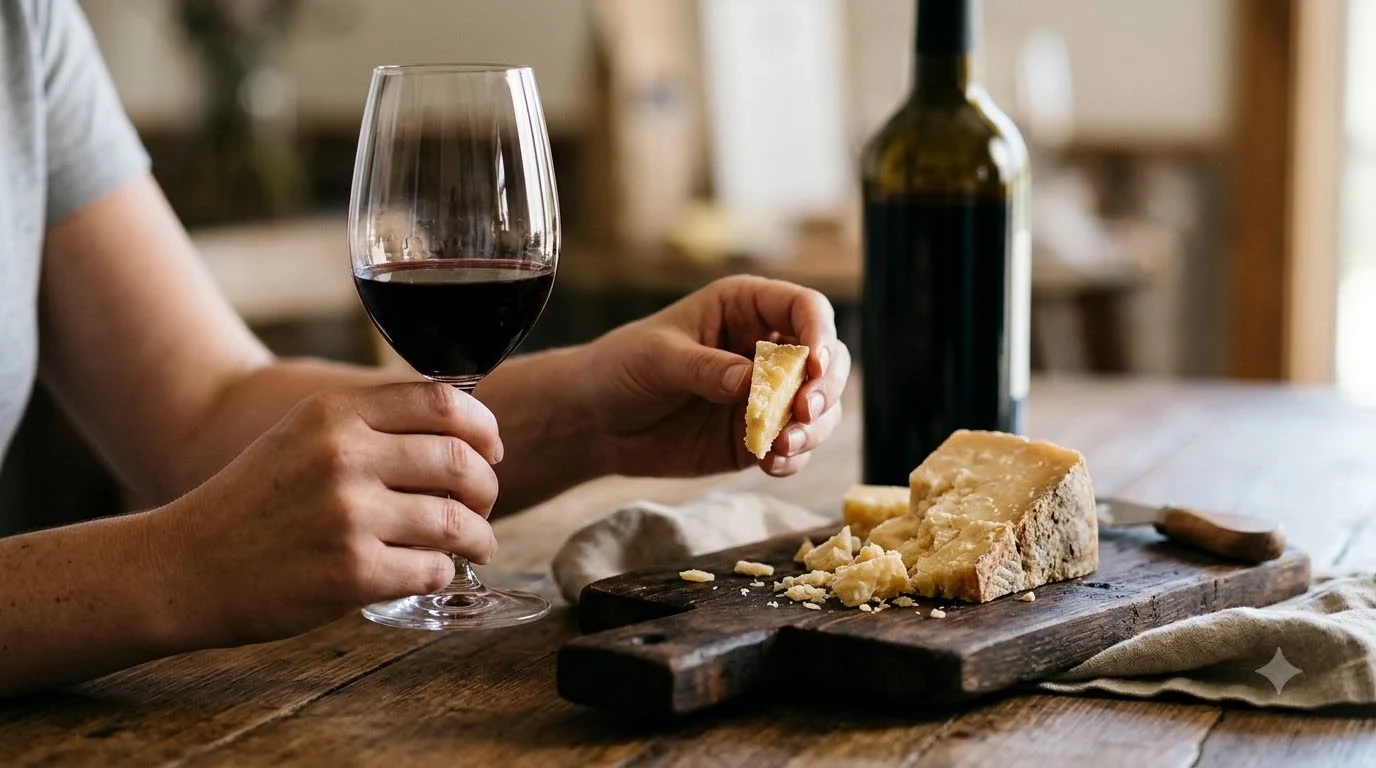
Mark West Pinot Noir is an affordable, fruit-forward California Pinot Noir built for everyday drinking rather than cellaring. It is made by Purple Wine Co. from grapes sourced across several coastal regions, so the flavor changes a little from one vintage to the next. Most people who buy it want a soft, easy red with cherry-like fruit and modest oak, and that is what the label delivers.
Mark West is one of the most widely sold Pinot Noir brands in the United States, and it often shows up next to better-known names on store shelves. Shoppers searching for “Mark West Pinot Noir” usually want to know three things: what the wine tastes like, where the grapes come from, and how to serve it. This guide answers each of those questions with details from the brand’s own statements and from published wine references.
What Mark West Pinot Noir Is
Mark West is a value-priced line owned by Constellation Brands, which acquired the brand in 2012. The wine is produced by Purple Wine Co., a company founded by Derek Benham, who previously co-founded Blackstone Winery with his brother Courtney. The current version of the Mark West Pinot Noir debuted in 2001, and the producer’s stated goal is simple: “Get affordable Pinot into as many hands as we can.”
The brand has grown into a family of bottlings rather than a single wine. Basic California and Monterey County blends make up the core range, and the producer has also released Appellation Series wines from places such as the Russian River Valley, Santa Lucia Highlands, Carneros and Willamette Valley. The current winemaker is Jason Becker, who took over the role in 2015.
Where the Grapes Come From
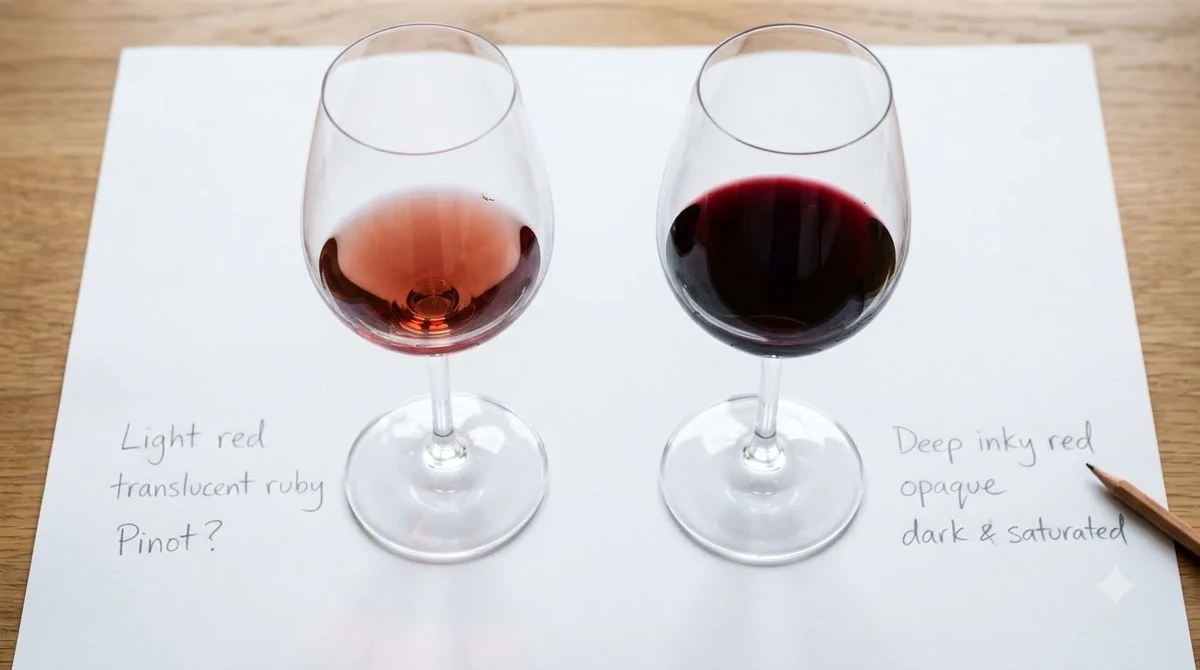
Mark West does not rely on one estate vineyard. The blend changes by vintage, which is common for mass-market Pinot Noir because it lets the producer keep the flavor consistent when a single region has a weak harvest. Published breakdowns of past releases show how much the mix can shift. One earlier vintage was about 51 percent Central Coast fruit, 27 percent North Coast fruit and 22 percent from other areas. A 2006 release leaned even more toward the Central Coast, with a smaller share from Sonoma and Mendocino.
Some releases have also included small amounts of other red and white grapes. According to a producer profile of the blend, a few percent of Chardonnay was added for extra oak character, and a larger share of Syrah was used for structure and color. The producer also keeps alcohol below 14 percent in the standard bottling, which helps the wine stay light and food-friendly. For more detail on the brand’s sourcing history, see the Prince of Pinot profile of Mark West.
What Mark West Pinot Noir Tastes Like
Pinot Noir in general is known for ripe red fruit, a light to medium body and soft tannins, and Mark West follows that template. Reviewers describe the house style as easy-drinking, fruit-forward and modestly oaked. The wine is designed to be approachable on the first sip, with no harsh edges and no heavy tannin that asks for food.
Pinot Noir from cooler growing areas tends to show red cherry and raspberry, with earthy notes of forest floor and tea leaves, as described in the Wine Folly Pinot Noir guide. Mark West sits closer to the fruit end of that spectrum. The table below sums up what most drinkers will notice.
| Trait | What to expect |
|---|---|
| Fruit | Ripe red fruit, with cherry as the most common note |
| Oak | Light, from oak staves rather than heavy new barrels |
| Body | Light to medium |
| Tannin | Soft and low |
| Alcohol | Kept under 14 percent in the standard bottling |
How to Serve Mark West Pinot Noir
Serve it slightly cool, around 55 to 60 degrees Fahrenheit, which is the range the Wine Folly guide recommends for Pinot Noir. Serving it too warm can make the alcohol feel more prominent and hide the fruit. A few minutes in the refrigerator before pouring usually gets it into the right range, especially on a warm evening.

Pour a small amount first and let the wine warm in the glass for a minute. The aromas open up as the temperature rises, and you will notice more of the red fruit and spice. Once the bottle is open, keep it corked or sealed in the refrigerator. A Pinot Noir of this style usually holds its fruit for a day or two, though it will slowly lose freshness after that.
An aroma-collector glass with a medium bowl helps concentrate the fruit. Decanting is rarely necessary for a bottle at this price point, because the wine is already built to be open and friendly. If you do want to aerate it, pour it into a carafe for 15 to 20 minutes just before dinner. It will taste slightly more open, though the difference is small.
Food Pairings That Work Well
Pinot Noir is one of the most flexible red wines at the table, and the same qualities that make it easy to drink also make it a good match for many dishes. Its moderate acidity cuts through rich food, and its light tannins do not clash with fish or poultry. Salmon is a classic partner, and roast chicken, turkey and pork tenderloin all work well with the fruit.
Earthy foods are another good match. Mushroom risotto, roasted vegetables with herbs, and grilled portobello sandwiches bring out the fruit and soften the oak. For a casual meal, a Pinot like this one is an easy choice with pizza, burgers and pasta with tomato sauce. If you want a more detailed look at how the style compares with other mainstream bottles, the guide to Meiomi Pinot Noir covers a similar fruit-forward profile.
How to Choose the Right Bottle in the Line
The label is the fastest way to tell which Mark West bottling you are buying. California blends are the most widely distributed and tend to be the softest. Monterey County bottlings can feel richer and fuller in body. Appellation Series wines name a specific growing area, and those usually give a clearer sense of place than a broad California blend.
Because the wine is meant to be drunk young, there is little reason to hold it for many years. Most bottles in this style are best within a few years of the vintage, when the fruit is still bright and the oak is still in the background. Older bottles can still be pleasant, but they tend to lose the lively cherry character that makes the wine appealing in the first place.
If you want a bottle that will sit comfortably beside a range of foods and guests, the standard California blend is the safest choice. If you prefer a more structured red, look for a county-level bottling and check the vintage on the back label, since younger wines will show brighter fruit while older ones begin to soften.
Frequently Asked Questions
Is Mark West Pinot Noir a good wine for beginners?
Yes. It is soft, fruit-forward and easy to drink without food, which makes it a good first Pinot Noir. Beginners who like sweeter reds may find it a gentle step into drier styles.
Is Mark West Pinot Noir dry?
Yes. Pinot Noir is a dry red wine, and Mark West follows that style. Its fruit can read as ripe and generous, but the wine does not have residual sugar in the way some sweeter reds do.
What food goes best with Mark West Pinot Noir?
Salmon, roast chicken, mushroom dishes and tomato-based pasta are all reliable choices. The wine is light enough for seafood and fruity enough to handle roasted vegetables and herbs.
Does Mark West Pinot Noir come from the Russian River Valley?
Not always. The standard California blends draw on fruit from several regions, while some bottlings name a specific appellation such as the Russian River Valley. Check the label for the appellation on the bottle you are buying.
Mark West Pinot Noir is a practical choice for everyday dinners, casual gatherings and anyone who wants a Pinot Noir that is easy to pour. To compare it with other mainstream brands, browse the wine brands guide for more context on how large producers approach style and sourcing.
More in Wine Brands
 Underwood Wine Price: Compare Bottles, Cans, and Pack SizesUpdated Nov 21, 2026
 Zenato Wine Price: Compare Styles and Choose the Right BottleUpdated Nov 21, 2026
 Zuccardi Wine Price: Compare Bottles and Find the Right RangeUpdated Nov 21, 2026
 Yellow Tail Moscato Review: Taste, Sweetness and Serving TipsUpdated Nov 21, 2026
 Wolf Blass Yellow Label Review: Choose Your Best StyleUpdated Nov 21, 2026
 Wolffer Estate Rose Review: Choose the Right Bottle for Your TableUpdated Nov 21, 2026