

We may earn a commission when you buy through links on this page, at no extra cost to you. Learn more.
Is pinot grigio gluten free? Pinot grigio is made from grapes, the same fruit base as other white wines, so it contains no wheat, barley or rye and is considered naturally gluten free. The step to check is what happens during clarification and whether any additive or grain-based processing aid was used. Most labels do not say, so the producer’s technical sheet is the best place to confirm the answer for a particular bottle.
Pinot grigio is one of the most popular white wines on American shelves, and it is a common choice for dinners and casual gatherings. People who avoid gluten often wonder whether a light, crisp wine like this one needs any special check. The answer is mostly reassuring, but a careful look at processing and labeling helps you feel confident about a specific bottle. This guide walks through what the wine is made from, where gluten could enter the process, and how to check a label before you pour.
What Pinot Grigio Is Made From
Wine Folly’s pinot grigio guide explains that the name is the Italian version of Pinot Gris. Italian pinot grigio is usually described as the lightest and freshest style, with bright acidity and a bitter almond note. Alto Adige versions tend to be fuller, and the Friuli region is known for textured wines and the copper-colored ramato style.
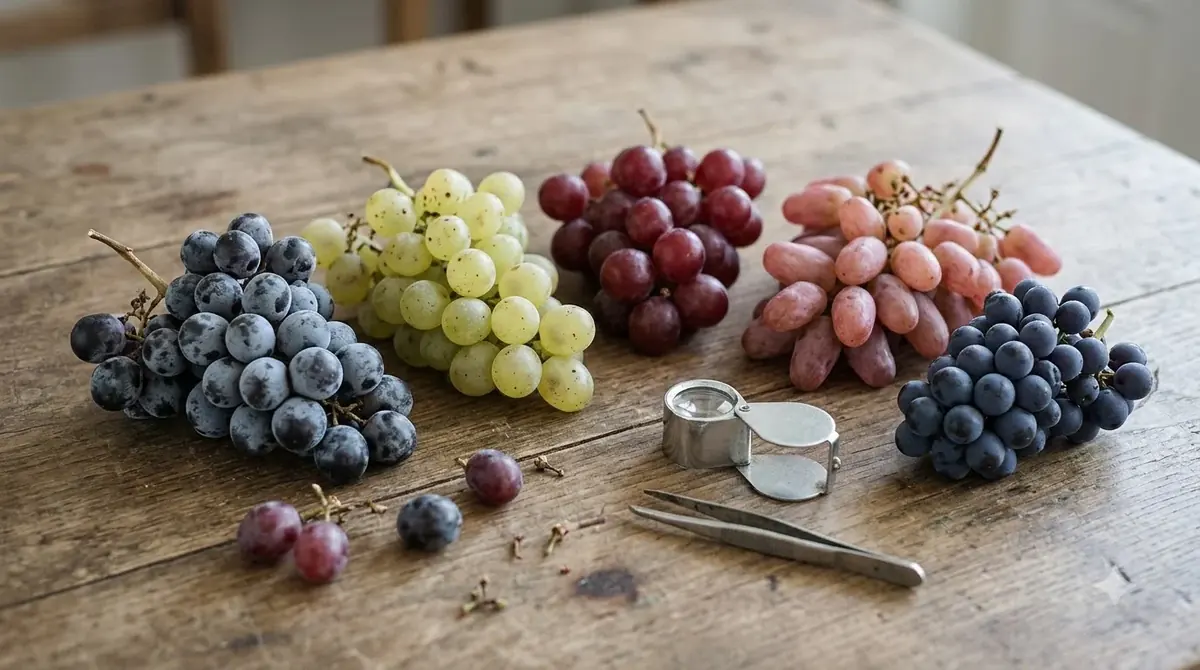
The grapes are the base of the wine, and grapes do not contain wheat, barley or rye. That makes pinot grigio naturally gluten free in its basic form, in the same way that other grape wines are. The rest of the answer depends on what happens between the vineyard and the bottle.
Where Gluten Could Enter the Process
Gluten becomes a concern only when a grain-based ingredient is added at some point. In winemaking, the most common additions are processing aids, such as fining agents used to clear the wine. Those agents are typically minerals, clays or animal-derived proteins rather than cereals, but each producer chooses its own products.
Some styles raise different questions. Ramato pinot grigio is made with a short period of skin contact, which gives the wine its copper color, and the process uses only grapes. Barrel aging in chestnut or oak is also wood-based, so it does not bring grain into the wine. Flavored pinot grigio products and ready-to-drink wine cocktails are a separate category and deserve a full ingredient check.
| Type of pinot grigio | Typical gluten concern | What to check |
|---|---|---|
| Standard dry Italian | Low, grape-based | Producer’s processing notes |
| Alto Adige or fuller style | Low, oak or wood aging only | Fining and filtration details |
| Ramato (copper-colored) | Low, skin contact only | Producer’s winemaking notes |
| Flavored or wine cocktail | Higher, depends on added ingredients | Full ingredient list |
Tip: Chestnut and oak barrels are made from wood, so aging in them does not add gluten. The clarifying step is the one to ask about.
What the Celiac Guidance Says
The celiac.org overview of celiac disease defines gluten as a protein found in wheat, rye and barley. When people with celiac disease eat gluten, their immune response damages the small intestine. The page lists bread and beer among the foods that contain these grains, and it notes that even small amounts, such as crumbs from a toaster, can trigger intestinal damage.
The page does not discuss wine specifically, so it does not settle the question for a given bottle. A plain grape wine is a different case from a product that adds grain-based ingredients, and the producer’s details are the most direct way to tell them apart.
How to Check a Specific Bottle
Begin with the label. It will show the grape, the vintage, the region and the alcohol, but it rarely mentions gluten or processing aids. Next, look at the producer’s website or technical sheet, which sometimes lists the clarifying agents and filtration method. If that information is not available, send a short email asking whether any grain-based ingredients or processing aids are used in the wine.
For products with an ingredient list, such as flavored pinot grigio or canned wine, read the full list rather than relying on the wine name. Added flavors, sweeteners and coloring agents are more likely to appear on those labels, and they are the places where a hidden grain ingredient would show up.

Pairing Pinot Grigio at a Gluten-Free Meal
Pinot grigio pairs well with light dishes such as grilled fish, seafood salads, fresh vegetables and soft cheeses. Those foods are easy to prepare without gluten, so the wine fits naturally into a gluten-free dinner. Breaded seafood, cream sauces made with flour and some pastas are where gluten tends to appear, so the dish needs the same check as the wine.
If you are comparing similar white wines, our guide on is chardonnay gluten free follows the same logic for a fuller, often oaked style. The is rose gluten free article covers a pink wine where the skin contact question comes up in a different way.
For a broader view of how white wines group by family and style, the wine by type hub is a useful reference.
Pinot Grigio, Pinot Gris and Sweetness
Pinot grigio and pinot gris are the same grape, and the name usually signals style rather than a different production method. Italian pinot grigio is usually dry, while pinot gris from other regions can be dry or sweet, especially when the grapes are late harvested or affected by noble rot. Sweetness does not change the gluten answer, but a sweeter bottle may contain more residual sugar and sometimes different processing choices, so the producer’s information is still worth reading.
Sweeter pinot gris from Alsace, sold as late harvest or noble rot wines, is made in smaller quantities, which makes the producer’s details especially useful to read. Reading the style word, the producer and the technical sheet together gives the clearest answer.
Common Mistakes When Checking Pinot Grigio
The most common mistake is treating the grape as the whole answer. The grape is the starting point, and the processing and any additions decide the final result. A second mistake is assuming that a wine labeled natural or traditional is automatically free of processing aids. Those words describe style or intent and do not say whether a specific clarifying agent was used.
A third mistake is skipping the check for flavored or ready-to-drink products. A plain bottle of pinot grigio and a flavored spritzer are very different products, and the spritzer may carry ingredients that are not on the wine label. Checking the exact product in your hand is the simplest way to avoid that surprise.
Frequently Asked Questions
Is pinot grigio gluten free in general?
Pinot grigio is made from grapes, which contain no wheat, barley or rye, so it is considered naturally gluten free in its basic form. The answer for a specific bottle depends on any grain-based processing aid or additive used during winemaking.
Is Italian pinot grigio different from pinot gris?
They are the same grape. Pinot grigio is the Italian name and usually signals a dry, light style, while pinot gris from other regions can be dry or sweet. The gluten answer does not change with the name.
Are oak or chestnut barrels a gluten concern?
No. Barrels are made from wood, not grain, so aging in oak or chestnut does not add gluten. The clarifying and filtration steps are the ones worth checking.
Are flavored pinot grigio products safe?
They need a closer look. Flavored and ready-to-drink versions can contain added ingredients that are not part of a plain wine, so the full ingredient list is the most reliable check.
Pinot grigio starts as a grape-based wine, which makes it a dependable choice for many gluten-free tables. Read the label, check the producer’s processing details, and look at the full ingredient list for any flavored product. For more on the wine family, visit the wine by type hub.
More in Wine Types & Grapes
 Zinfandel Sugar Content: Dry Red vs. White Zinfandel GramsUpdated Nov 21, 2026
 Best Zinfandel Substitute Options for Sipping and CookingUpdated Nov 21, 2026
 Zweigelt Food Pairing: Best Dishes, Cheeses, and Serving TipsUpdated Nov 21, 2026
 Zinfandel Tannins Explained: How Structure Shapes Every BottleUpdated Nov 21, 2026
 Zinfandel Sweetness Level: Dry Red vs. Sweet White Zin ExplainedUpdated Nov 21, 2026
 Xinomavro Food Pairing: Best Dishes, Styles, and Serving TipsUpdated Nov 21, 2026