

We may earn a commission when you buy through links on this page, at no extra cost to you. Learn more.
How long does chardonnay last unopened depends mostly on the style and the vintage, but Wine Folly gives a cellaring window of 5 to 10 years for chardonnay, and most bottles are meant to be drunk young. A basic, everyday chardonnay bought off a shelf is usually at its best soon after release, while top-tier Chablis and white Burgundy can keep much longer. Store the bottle in a cool, dark place with a steady temperature until you open it.
Chardonnay is one of the most widely planted white grapes, so the question of how long an unopened bottle keeps comes up often. The answer is less simple than it looks, because the grape makes everything from crisp, unoaked wines to rich, buttery styles. This guide explains what affects shelf life, how the main styles compare, and how to store an unopened bottle so it tastes its best when you open it.
What Affects How Long Chardonnay Keeps
Three factors matter most when you ask how long an unopened chardonnay will last: the style of the wine, the acidity, and the vintage. Acidity is the most important of the three. Wines with higher acidity hold up better in the bottle, while softer, richer wines tend to fade sooner. Oak treatment also plays a role, because oak adds flavor compounds that can develop with time but may lose freshness if the wine sits too long.
Producer choices count as well. Some producers make chardonnay for early drinking, and others design their wines to age. The back label or the producer’s website often says whether a wine is meant for the next season or for longer keeping. That note is more reliable than general rules, because the same grape can be bottled in very different ways.
How Long Different Chardonnay Styles Keep
Chardonnay covers a wide range of styles, and the right window depends on which one you have. The table below sums up the general pattern from the reference material used for this guide. It is a guide to tendencies rather than a promise for any single bottle.
| Style | Typical character | Keeping guidance |
|---|---|---|
| Everyday unoaked or lightly oaked | Fresh, crisp, green apple and citrus notes | Usually best soon after release |
| Oaked California-style | Buttery, vanilla, and caramel notes from oak | Usually drink young to moderately young |
| Cool-climate Chardonnay | Lean, with noticeable acidity and green plum or pear | Can gain from a few years of bottle age if the acidity is high |
| Chablis and white Burgundy | Lean and mineral, often unoaked or lightly oaked | Among the longest-living Chardonnays |
| Sparkling Chardonnay | Bubbly, often lean and crisp | Check the vintage and producer note |
Wine Folly lists a cellaring window of 5 to 10 years for chardonnay as a grape, and it notes that some of the finest examples of all styles can improve with age. The Wine Folly Chardonnay profile is the source for that window. In practice, the range applies to the better bottles from producers who design their wines for aging, not to every chardonnay in a supermarket aisle. The encyclopedia entry on Chardonnay makes the same point, noting that most Chardonnays are meant to be drunk young.
Storing an Unopened Chardonnay
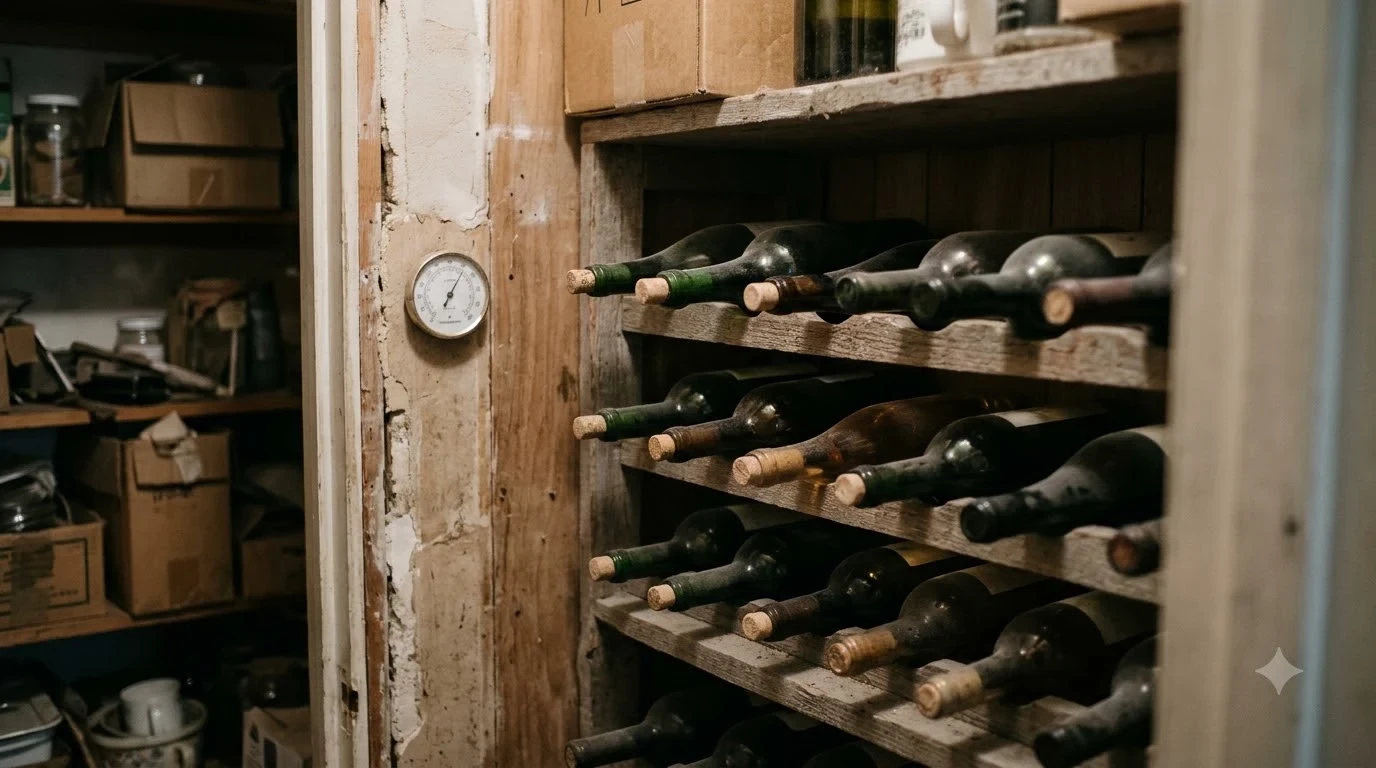
Storage matters as much as the style of the wine. Keep unopened bottles in a cool, dark place where the temperature stays steady. Heat and light are the main threats, because they speed up changes in the wine and can dull the fruit. A closet, a basement shelf, or a dedicated wine fridge all work well if they stay at a consistent temperature.
Lay bottles on their side if they have corks, so the cork stays moist and does not dry out and let air in. Screw-cap bottles can be stored upright without that concern. Avoid storing bottles near appliances, windows, or anywhere the temperature swings from day to night.
Signs an Unopened Chardonnay Has Gone Off
Even a well-stored bottle can decline over time, so it helps to know what to look for before you open it. A cork that is pushed up or leaking may mean that air got into the bottle. A dark or brownish color, when the wine should be pale gold or straw, can point to oxidation. Once opened, a wine past its best may smell flat, sharp, or like wet cardboard.
These signs are not always obvious until you pour, so the simplest test is to open the bottle and taste a small amount. If the wine tastes dull or off, it is usually best to finish the bottle in a cooking recipe or pour it out.
Tip: Check the vintage date before you buy. For everyday chardonnay, a recent bottle is almost always the better choice than an older one.
How to Decide When to Open a Chardonnay
Start with the label and the producer’s guidance, then consider the style. A fresh, unoaked bottle is usually ready to drink on purchase and tends to show its best character within a short period. An oaked bottle may open up with a little time in the glass, but it does not need years in the cellar unless the producer says so. Premium Chablis and white Burgundy are the main exceptions, because their acidity and structure give them room to develop.
If you are unsure, drinking a bottle sooner is the safer choice for most chardonnays. Keeping a bottle for a long time only makes sense when you know the wine is built for it, and you have stored it well.
Chardonnay Compared With Other Whites
Chardonnay is more age-worthy than many white wines, but it is not in the same league as some other styles. Riesling from cooler regions can often keep longer because of its high acidity, while lighter, fruit-forward whites are usually best soon after release. The comparison is useful because it shows that the grape does not follow one rule. A good bottle of chardonnay may age well, while a simple one should be opened sooner.
For a related look at fortified wines that keep for a much longer time once sealed, see how long does port last unopened. For sparkling wines, which follow different rules, see how long does sparkling wine last unopened.
Frequently Asked Questions
How long does an unopened chardonnay last?
It depends on the style. Wine Folly gives a cellaring window of 5 to 10 years for chardonnay as a grape, but most bottles are made to drink young. Check the vintage and the producer’s note for the best timing.
Does chardonnay get better with age?
Some do. Chardonnays with high acidity can benefit from a few years of bottle age, and top Chablis and white Burgundy are among the longest-living examples. Many everyday chardonnays are best soon after release.
Where should I store an unopened chardonnay?
Store it in a cool, dark place with a steady temperature. Lay corked bottles on their side so the cork stays moist. Avoid heat, light, and spots that get hot and cold from day to night.
How can I tell if an unopened chardonnay has spoiled?
Look for a pushed-up or leaking cork and a dark, brownish color when the wine should be pale. After opening, a wine past its best may smell flat or sharp or like wet cardboard. When in doubt, taste a small amount before serving.
The short answer to how long an unopened chardonnay lasts is that it depends on the bottle. Most everyday chardonnays are best within a short time of release, while premium examples from cool regions and top Burgundy can keep much longer. Store bottles well, read the producer’s note, and open them when they are at their best. For more on related wine types, browse the Wine by Type guides.
More in Wine Types & Grapes
 Zinfandel Sugar Content: Dry Red vs. White Zinfandel GramsUpdated Nov 21, 2026
 Best Zinfandel Substitute Options for Sipping and CookingUpdated Nov 21, 2026
 Zweigelt Food Pairing: Best Dishes, Cheeses, and Serving TipsUpdated Nov 21, 2026
 Zinfandel Tannins Explained: How Structure Shapes Every BottleUpdated Nov 21, 2026
 Zinfandel Sweetness Level: Dry Red vs. Sweet White Zin ExplainedUpdated Nov 21, 2026
 Xinomavro Food Pairing: Best Dishes, Styles, and Serving TipsUpdated Nov 21, 2026