
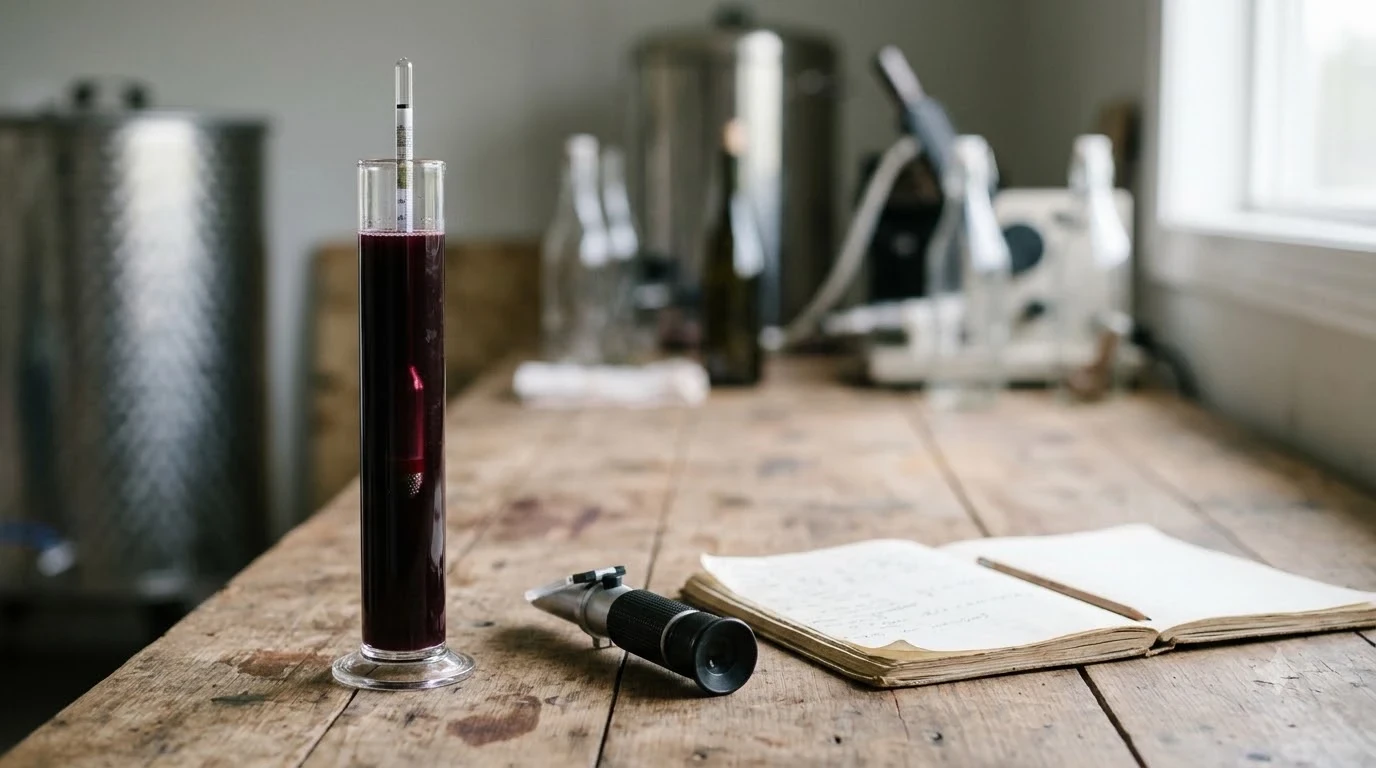

We may earn a commission when you buy through links on this page, at no extra cost to you. Learn more.
Montsant wine comes from a Spanish DOP in Catalonia’s Tarragona province that almost completely surrounds the famous Priorat DOQ, and it is mostly powerful red wine built on Garnacha and Cariñena. The area has about 1,844 hectares of vines and around 55 wineries, and roughly 94 percent of its production is red. Vineyards sit between 200 and 700 metres on chalky clay, granitic sand and slate, which gives the wines a richer and more structured style than many lighter Spanish reds.
If you have tasted Priorat and wondered what sits next to it, Montsant is the answer. This guide explains where the DOP lies, which grapes it grows, what styles to expect and how to choose a bottle that suits your meal or your budget.
Montsant Wine at a Glance
Montsant is a Spanish Denominación de Origen Protegida for wine in the province of Tarragona, in Catalonia. It was previously the Falset subzone of the Tarragona DO and became a separate DO in 2002. Its territory covers the part of the Priorat comarca outside the Priorat DOQ, along with part of the neighbouring Ribera d’Ebre comarca, so the two appellations share a landscape and often a winemaking culture.
The DOP has grown quickly since it separated. Its figures for 2016 and 2017 show about 55 wineries, compared with 28 official cellars in 2002, and production of roughly 45,549 hectolitres. Most of that wine is red, which makes Montsant one of the more red-focused appellations in the region.
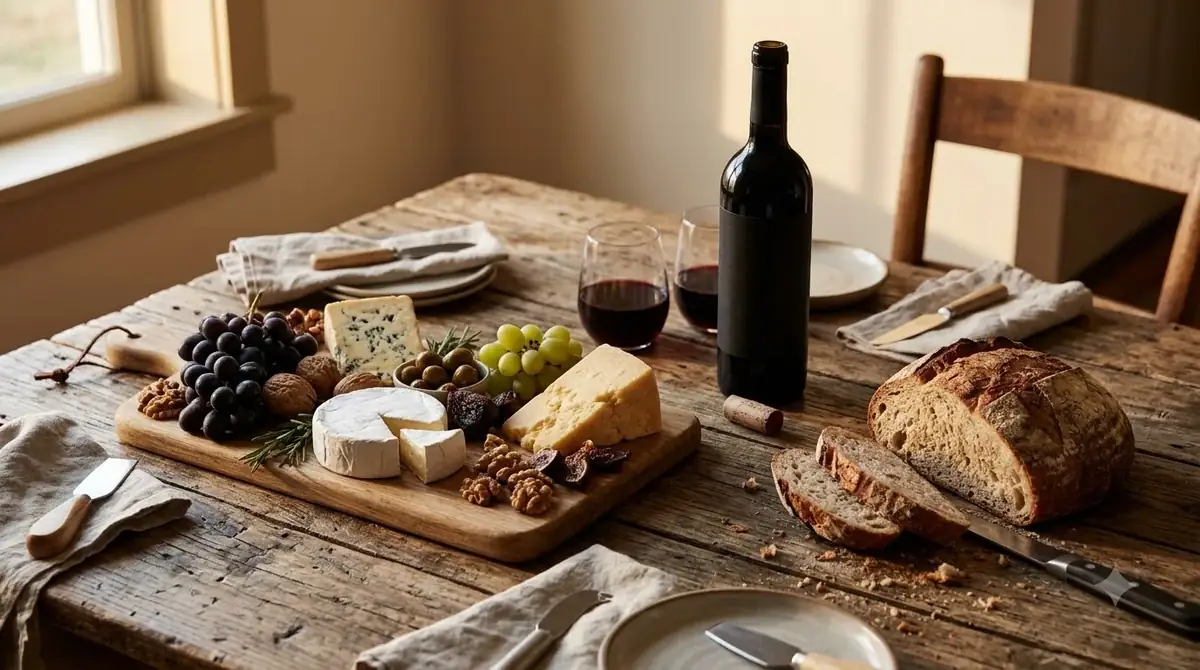
Quick Comparison of Montsant’s Main Styles
The table below sets out the styles you are most likely to meet on a shelf or a restaurant list. Use it as a starting point, then check the label for the grape blend and the producer’s stated style.
| Style | Colour | Main grapes | Typical character | Good with |
|---|---|---|---|---|
| Powerful red | Red | Garnatxa Negra, Carinyena, Syrah | Full body, ripe fruit, firm structure | Grilled lamb, rich stews |
| Old-vine red | Red | Old Garnatxa and Carinyena | Concentrated, similar in style to Priorat | Roast meats, aged cheeses |
| Rosé | Pink | Garnatxa-based blends | Fresh and fruity | Tapas, grilled vegetables |
| White | White | Garnatxa Blanca, Macabeu, Chardonnay, Xarel·lo | Aromatic or fresh, depending on blend | Seafood, soft cheeses |
Grapes Behind Montsant’s Reds
Garnatxa Negra, known in English as Grenache, is the grape that most people associate with Montsant. It thrives in the warm, dry hillside sites, and old vines produce concentrated fruit with a generous body. Carinyena, or Carignan, is the other key red, and it adds structure and dark colour. Ull de llebre, the local name for Tempranillo, along with Syrah, Merlot and Cabernet Sauvignon, appears in many blends.
The red grapes give Montsant its reputation. When an old-vine Garnacha and Cariñena blend is made with care, the wine can resemble the much better-known Priorat in its power and depth. Younger or simpler bottles are often lighter and more approachable, which makes them easy to enjoy with a relaxed meal.
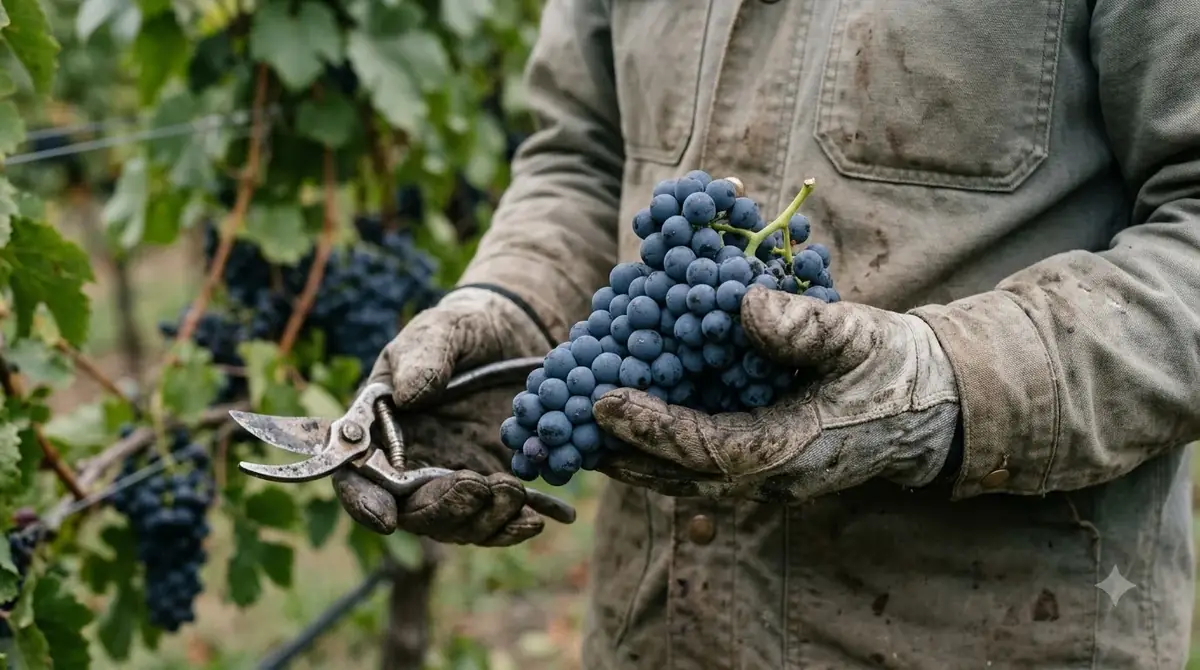
Whites, Rosés and Other Styles
White production is smaller, but it covers a wide range. The region grows Garnatxa Blanca, Macabeu, which is also known as Viura, Chardonnay, Moscatell d’Alexandria and Xarel·lo. These varieties allow producers to make crisp whites, fuller barrel-aged styles or aromatic wines, depending on the blend and the winemaking.
Beyond still reds and whites, Montsant also makes rosé and sweet red wines. The region is known for solera-aged wines, called vi ranci, which are slowly blended over years. It is also the only region in Catalonia noted for kosher wine production, a detail that adds an unusual dimension to the local industry.
If you want a lighter introduction, a rosé or a younger white is a sensible first pick. Those styles show the region’s fruit without the heavier structure of the old-vine reds, and they often suit warm weather and simple food.
Terroir, Altitude and Climate
Montsant’s vineyards sit between about 200 and 700 metres above sea level, and the soils are a mix of chalky clay, granitic sand and slate. That combination drains well and forces vines to work for water, which concentrates the fruit. Higher sites can keep acidity better because they stay cooler at night.
The climate is Mediterranean with continental influences, marked by dry summers and rainfall that falls mostly in autumn. Annual rainfall is often quoted at about 650 millimetres, though the infobox on the Wikipedia entry gives a lower range of 400 to 600 millimetres, so the figure varies between sources. Hail and frost are occasional risks, and growers plan around them.
The number of official cellars has grown a great deal since the DOP was created, so the range of styles on the market has widened. When you compare bottles, the producer’s own notes on the vineyard site and the vine age often tell you more about the style than the regional name alone.
For a more detailed description of the DOP’s history and vineyard data, the Montsant DO entry on Wikipedia is a useful starting point, though it does not list individual producers beyond a cooperative.
How to Choose a Montsant Bottle
Start with the style you want. For a bold red to share with grilled meats, look for a powerful blend with Garnatxa and Cariñena. For a lighter red to drink with a casual dinner, pick a younger wine or a blend with more Syrah or Tempranillo. For something brighter, try a rosé or a fresh white.
Check the label for the DO name, the vintage and the grape list. A Montsant label confirms that the wine comes from the appellation, while the grape list tells you how the producer built the blend. If you are comparing Montsant with Priorat, look at the price of the bottle and the stated age, since the two areas can overlap in style.
Tip: If you enjoy Priorat but want something lighter on the wallet, a Montsant red from old vines is often a good place to look, because it shares the same grape families and a similar landscape.
Serve the reds at a cool room temperature and let them open for a few minutes before you pour. Pair the powerful reds with rich meats or stews, and pair the rosé or white with tapas, seafood and fresh vegetables. A simple plate of grilled food usually shows the wine’s balance well.
Frequently Asked Questions
Where is Montsant located?
Montsant is in the province of Tarragona in Catalonia, Spain. It almost completely surrounds the Priorat DOQ and covers part of the neighbouring Ribera d’Ebre comarca.
What is the main grape in Montsant red wine?
Garnatxa Negra, known in English as Grenache, is the main red grape. It is usually blended with Carinyena, or Carignan, and sometimes with Syrah, Merlot or Tempranillo.
How is Montsant different from Priorat?
Montsant is a separate DOP that surrounds the Priorat DOQ. Its wines can resemble Priorat in style, particularly old-vine reds, but the two appellations have different rules and cover different territory.
Does Montsant make only red wine?
No. Red wine dominates production, but the DOP also makes white, rosé and sweet red wines, along with solera-aged vi ranci styles.
Montsant wine offers rich reds, lighter rosés and a surprising range of styles from a compact area, and a single afternoon of tasting across the styles above is enough to see how the grapes and soils shape the glass. For more context on how regions compare, read our wine regions guide or the Gavi wine tasting article to see how another Mediterranean-style region presents its wines.
More in Wine Regions
 Willcox Wine Trail: Discover Arizona’s High-Elevation Wine CountryUpdated Nov 20, 2026
 Yakima Valley Wine Region: Find the Best Styles to TryUpdated Nov 20, 2026
 Vosne Romanee Wine Tasting: Identify Aromas and Choose Better PairingsUpdated Nov 20, 2026
 Yakima Valley Wine Festival: Find the Best Seasonal Wine EventsUpdated Nov 20, 2026
 Wales Vineyards: Discover Cool-Climate Wines and Where to VisitUpdated Nov 20, 2026
 Yountville Wine Festival: Discover Napa Wines and Local FoodUpdated Nov 20, 2026