

We may earn a commission when you buy through links on this page, at no extra cost to you. Learn more.
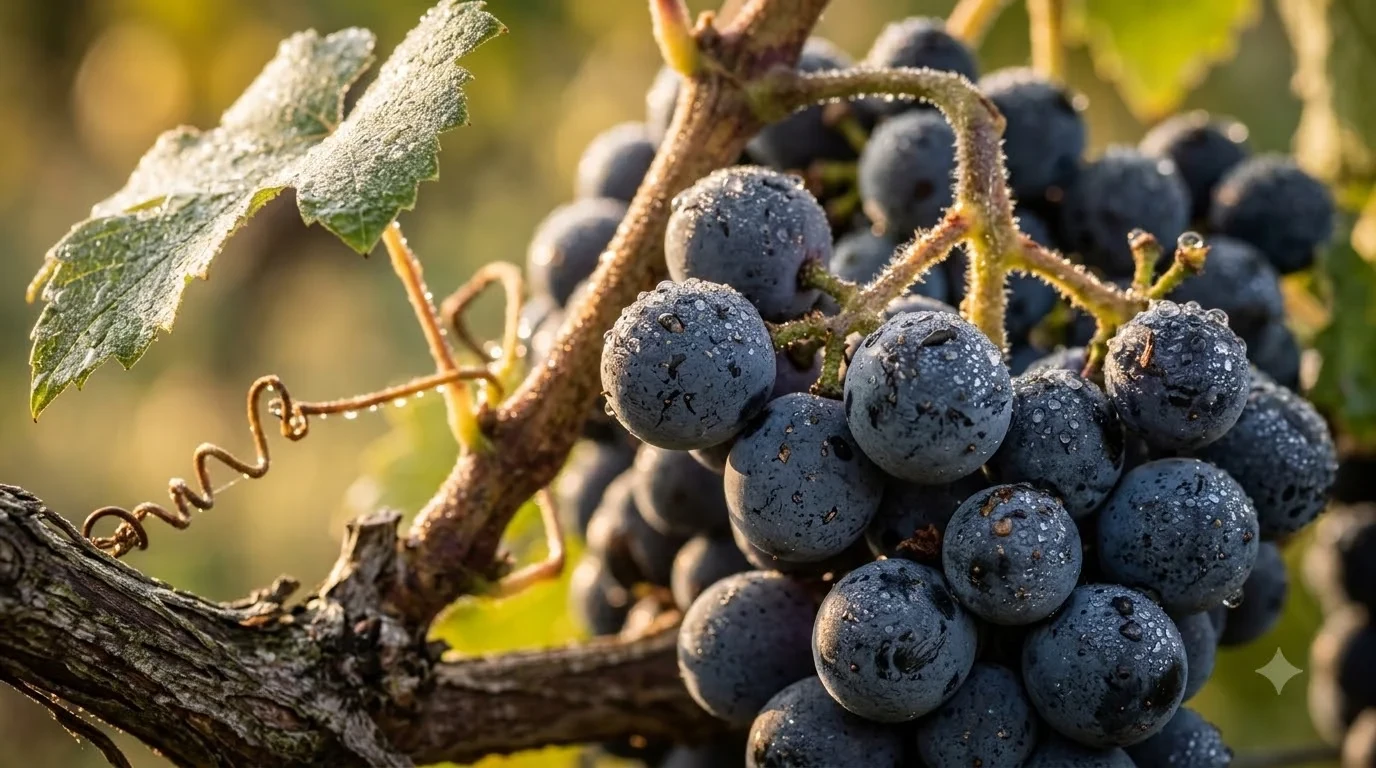
Serbia wine comes from a long winemaking tradition built on native grapes such as Prokupac, Tamjanika and Smederevka, grown across Vojvodina, central Serbia and the south and east of the country. The country has nearly 70,000 hectares of vineyards, and most output is white, with white making up about 64% of production in the source material. Serbian wine is still less known abroad, so it can offer good value and a chance to try grapes you rarely see elsewhere.
This guide covers the history of Serbian wine, the main wine regions, the native and international grapes you will see on labels, and practical tips for choosing and serving a bottle. It is written for buyers who want to explore a new wine country without a lot of background knowledge.
A Long History With a Recent Revival
Winemaking in the area dates back to prehistory, and viticulture grew under the Romans. The Nemanjić dynasty, which ruled in the 12th to 14th centuries, encouraged the practice, and monasteries and church estates kept vine growing alive through later centuries. Wine has been part of daily life and celebrations for a very long time, which is why many local traditions still center on family tables and regional fairs.
The modern industry went through a difficult period. Under socialism, output stressed quantity over quality, with large agricultural combines producing wine in bulk. Production and exports fell sharply in the 1980s and 1990s, during the breakup of Yugoslavia and the economic collapse that followed. Since the 2000s, small and medium family-run wineries have pushed toward quality, and older traditions such as Bermet from Sremski Karlovci have been revived.
The scale of the change is clear in the numbers. In the 1970s, the former Yugoslavia produced more than 6 million hectolitres a year at its peak. In the 2000s, Serbian per-capita consumption was around 16 litres a year, and only about 5% of domestic production was exported in the 2004 to 2007 period, mostly in bulk to neighboring countries. The shift toward bottled, quality wine is one reason foreign buyers are starting to take notice.
The Main Wine Regions of Serbia
Serbia’s vineyards fall into three broad areas. Vojvodina, in the north, is the flat plain region and includes the Srem area on the slopes of Fruška Gora, the Banat area around Vršac, and the Subotica–Horgoš area near the border. The 2013 classification also lists Bačka and Potisje within Vojvodina. The cooler, hilly slopes of Fruška Gora and the Vršac hills give the whites clear acidity and freshness.
Central Serbia includes Šumadija, the largest wine region by area, and the Belgrade region around the capital. Oplenac is a recognized subregion within Šumadija. Southern and eastern Serbia contains the Timok Valley, including the Negotin Valley and Knjaževac, as well as the Nišava–South Morava area, which covers Niš, Toplica, Aleksinac, Leskovac and Vranje. Each area has its own soils and climate, so the same grape can show different character across the country.
| Region | Where it is | What to look for |
|---|---|---|
| Vojvodina (Srem, Banat, Subotica–Horgoš) | North, flat plain and nearby hills | Fresh whites and aromatic styles |
| Šumadija and Belgrade | Central Serbia | Broad mix of red and white, including Oplenac |
| Timok Valley (Negotin, Knjaževac) | East | Reds with structure from the local valley |
| Nišava–South Morava | South | Warm-climate reds and whites from several subregions |
Because the country is compact, many visitors plan a trip around one or two areas, such as Šumadija near Belgrade or the Vojvodina wine roads. Check local producer websites before you go, since opening hours and tasting policies differ from one estate to the next.
Native Grapes and International Varieties
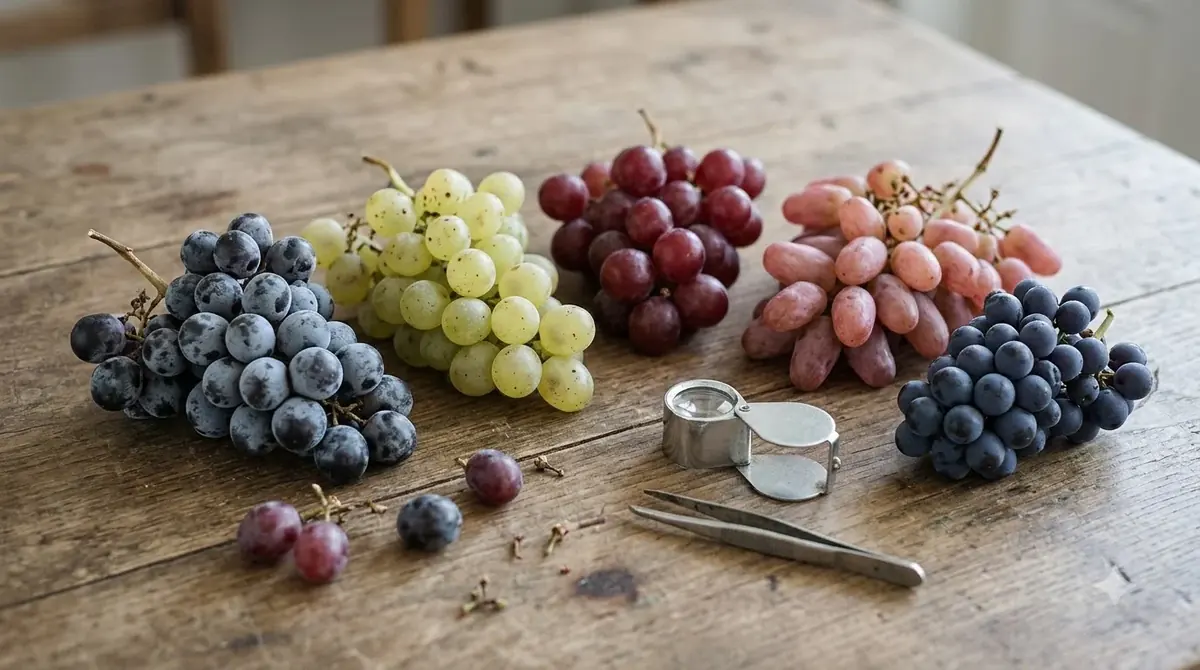
The most interesting part of Serbian wine is its native grapes. Among the reds, Prokupac has been grown since the Middle Ages and is a good introduction to local style, with bright fruit and moderate tannins. Vranac and Tamjanika Crna (also known as Krajinska) add depth and color to the reds, while Začinak is another indigenous variety found in older vineyards.
The white grapes are just as distinctive. Smederevka is a light, fresh white that suits casual drinking and summer meals. Tamjanika is a Muscat variety that the source material describes as known in Serbia for more than 500 years, and it brings floral, grapey aromas to the glass. Kreaca, known locally as Banatski Rizling, and Krstač are other traditional whites. Dinka is a further native variety found in some producers’ ranges.
International grapes are common too. Merlot and Cabernet Sauvignon are the main international reds, while Welschriesling (locally Grašac), Chardonnay, Sauvignon blanc and Riesling appear on the white side. Many wineries blend native and international grapes, so a label may show a mix of both.
Tip: If you want to try something new, look for a Prokupac or Smederevka on the label. Both are local grapes that are harder to find outside Serbia, and they often show the country’s character more clearly than a familiar international variety.
Styles and How to Taste Serbian Wine
Serbian whites are usually fresh and fruit-forward, with bright acidity that makes them easy to pair with food. Some native whites show floral or herbal notes, and the aromatic varieties can feel more perfumed than a dry Chardonnay. The source material notes that high-quality and quality wines make up around 35% of production, so the stylistic range includes both everyday drinking wine and more carefully made bottles.
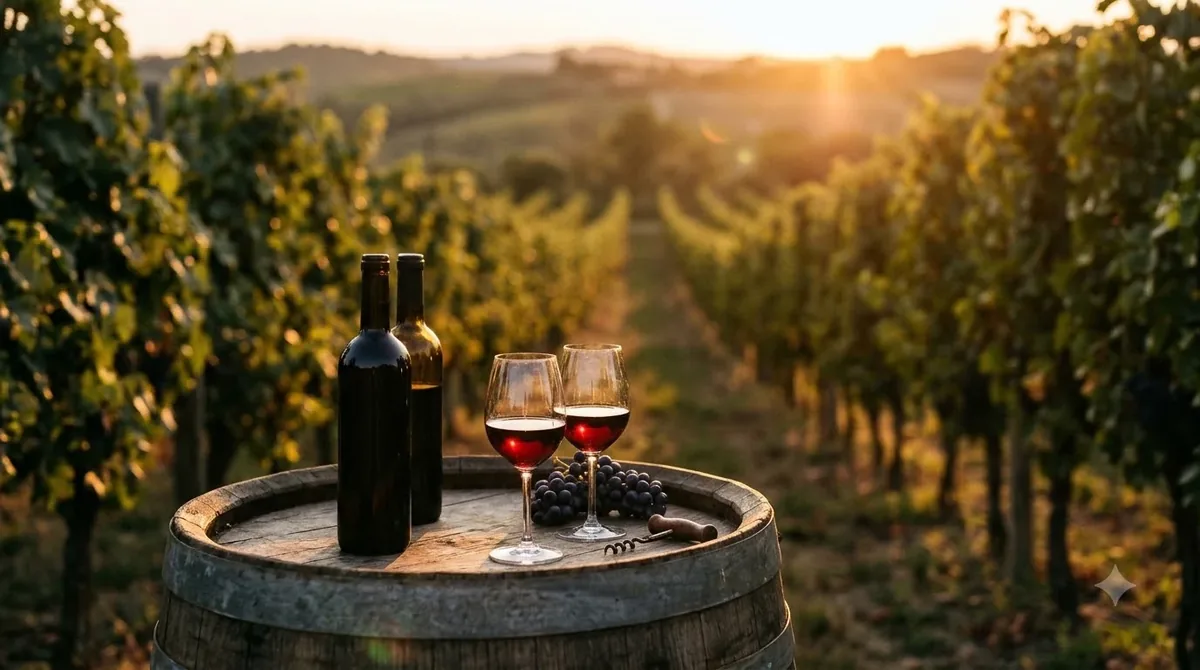
Red wines from Serbia range from light and juicy to fuller and firmer. Prokupac often shows red fruit and a savory edge, while blends with Merlot or Cabernet Sauvignon can be richer and more structured. Serve reds slightly cool, around 60 to 65°F (15 to 18°C), so the fruit stays fresh and the tannins feel smooth. Whites are best served chilled, but not ice cold, so the aromas can come through.
How to Choose a Serbian Wine
Start with the grape. If you like crisp, aromatic whites, try a Tamjanika or Smederevka from a family-run producer. If you prefer red wines with some structure, a Prokupac or a Merlot-based blend is a good choice. If you are unsure, ask the shop or restaurant for a local wine that suits the food you are serving, since staff often know which regional bottles are most popular.
Next, check the label for the region and producer. A named district such as Vršac or Negotin usually tells you more about the wine than a generic term, and a clear producer name often signals a more careful approach in the cellar. Keep in mind that availability is limited outside Serbia, so the best bottles may be easier to find through specialist importers than in large supermarkets.
Finally, buy a small mix of styles. A white, a light red and one blend give you a sense of the country’s range. Serbian wine rewards curiosity, and the grapes are different enough from typical international labels that a few bottles can change how you think about Balkan wine.
Frequently Asked Questions
What is the best-known grape from Serbia?
Prokupac is one of the best-known native red grapes, with a history in the country that goes back to the Middle Ages. Tamjanika, a Muscat variety, is also widely recognized as a traditional white.
Is Serbian wine mostly red or white?
White wine is the larger share of production. The source material gives about 64% white and 36% red.
Where are the main wine regions in Serbia?
The main areas are Vojvodina in the north, Šumadija and the Belgrade region in the centre, and the Timok Valley and Nišava–South Morava area in the south and east.
How should I serve a Serbian red?
Serve lighter reds slightly cool, around 60 to 65°F (15 to 18°C), so the fruit stays fresh and the tannins feel balanced.
Serbian wine is a good next step for anyone who has explored the familiar European regions. Start with a native white or a Prokupac red, then compare it with a Merlot blend to see how the grapes differ. For more regional guides, visit the Wine Regions section, or read about the gavi wine tasting style of Italian whites for another point of comparison. The background on Serbian production and grapes is also covered on Wikipedia’s Serbian wine entry.
More in Wine Regions
 Willcox Wine Trail: Discover Arizona’s High-Elevation Wine CountryUpdated Nov 20, 2026
 Yakima Valley Wine Region: Find the Best Styles to TryUpdated Nov 20, 2026
 Vosne Romanee Wine Tasting: Identify Aromas and Choose Better PairingsUpdated Nov 20, 2026
 Yakima Valley Wine Festival: Find the Best Seasonal Wine EventsUpdated Nov 20, 2026
 Wales Vineyards: Discover Cool-Climate Wines and Where to VisitUpdated Nov 20, 2026
 Yountville Wine Festival: Discover Napa Wines and Local FoodUpdated Nov 20, 2026