

We may earn a commission when you buy through links on this page, at no extra cost to you. Learn more.
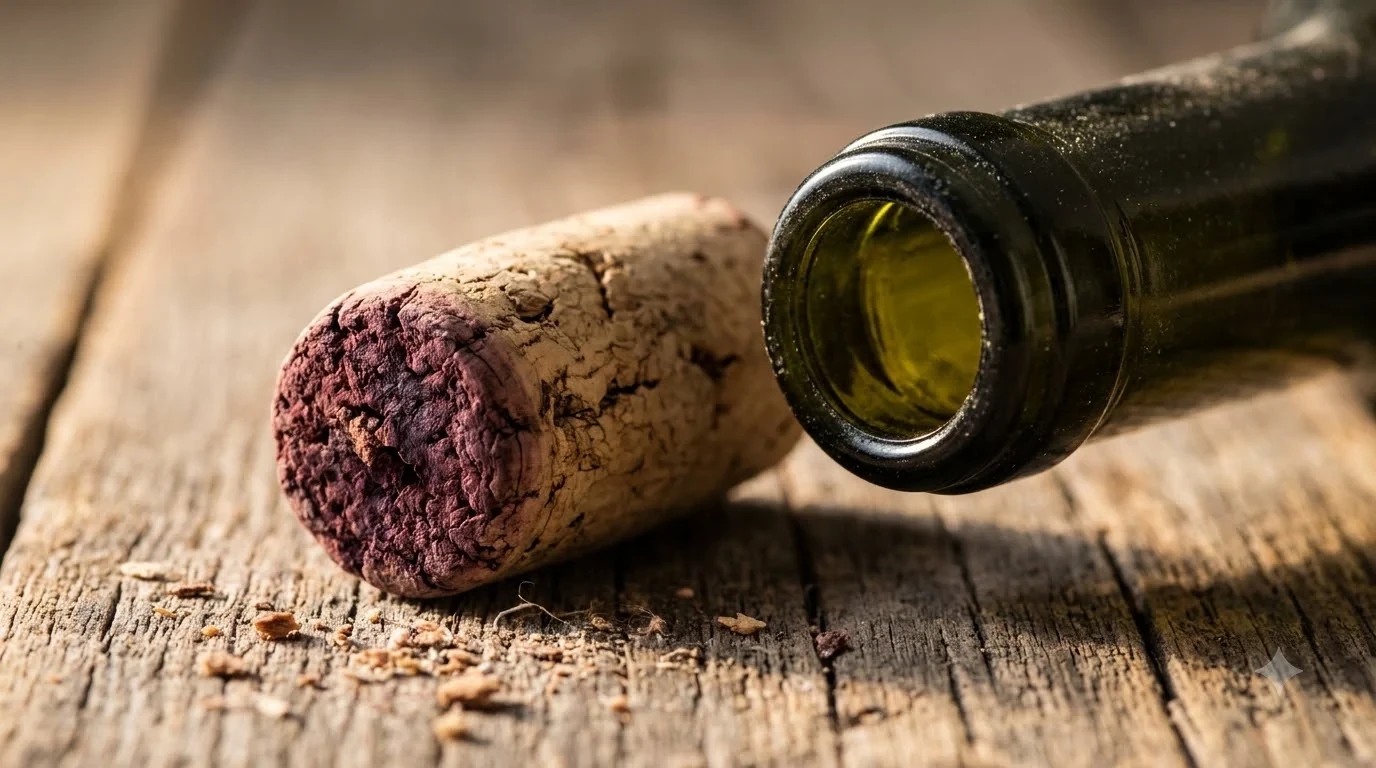
How to open a wine bottle with a key means pushing the cork down into the bottle with the rounded end of the key, a method that works in an emergency but can be messy. A proper corkscrew, or a twin-prong cork puller, is the better tool, and the key approach is best kept as a backup. The technique relies on the cork giving way gently, so it suits a cork that is sound and a bottle with a little room to spare.
Every household ends up with a bottle and no corkscrew at some point. A key is often the closest thing within reach, and many people have seen the method demonstrated, but the results vary. This guide explains how the key approach works, what can go wrong, and how to avoid spilling wine or leaving bits of cork in the glass.
Why a Key Can Push a Cork In
A cork is compressed inside the neck of the bottle, and it is held in place by friction and the shape of the glass. Pushing it inward breaks that grip and moves the stopper into the bottle, where it floats or sinks depending on its density. The method does not pull the cork out, so it is a different approach from the screw, lever, or prong tools most drinkers own.
The Wikipedia article on the corkscrew describes the twin-prong cork puller and other designs that remove a cork in one piece. Those tools are designed for the job, and the article notes that certain designs can extract a stopper in poor condition without damaging it. A key has no such design, which is why the results depend more on the cork and on how carefully the push is made.
Step by Step: Pushing the Cork In With a Key
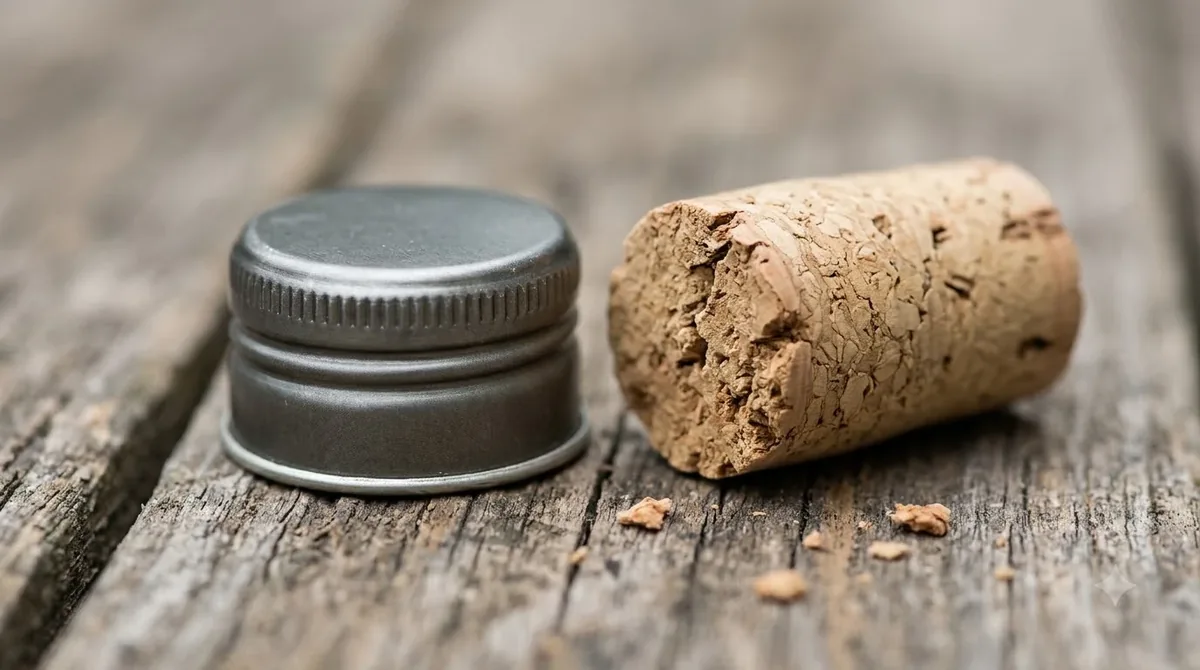
Start with a bottle that is at room temperature and stable, because a bottle that has been moved or shaken is more likely to spill. Choose a key with a smooth, rounded end, and clean it so no grit transfers into the wine. Hold the bottle firmly on a flat surface, with a towel underneath to catch any drips.
Press the rounded end of the key against the center of the cork, and push slowly and evenly. Avoid jabbing, because a sudden push can crack the cork and send small pieces into the wine. Work steadily until the cork drops below the lip of the neck. Once the stopper is inside, tilt the bottle slowly and pour the wine out through a fine strainer, a clean cloth, or a piece of coffee filter held over a jug or glass.
Take the time to pour gently. The first rush of wine can push floating bits of cork toward the neck, so tipping the bottle at a shallow angle helps keep the stopper behind the strainer. Stop pouring if pieces of cork begin to block the flow.
Key Method Risks and Limits
This approach works best with a fresh, firm cork. An old or dry cork is more likely to crumble, which means small fragments can end up in the wine and be hard to filter out completely. A cork that breaks partway through can also leave a stub that is awkward to push, and the bottle may need to be pushed harder than is comfortable.
Spills are the other common problem. Pushing a cork in displaces wine, and the liquid can rise quickly toward the neck if the bottle is nearly full. Serving wine from a large jug or a decanter after pouring through a strainer reduces waste and makes it easier to catch any stray pieces. If the wine is particularly valuable, a proper corkscrew is the safer choice.
| Approach | Best for | Main drawback |
|---|---|---|
| Key pushed into the bottle | Emergencies with no tools | Possible cork fragments and spills |
| Twin-prong cork puller | Older or fragile corks | Requires slipping the prongs down beside the cork |
| Lever or waiter’s corkscrew | Everyday use | Needs some practice to keep the cork intact |
| Standard screw corkscrew | Most bottles | Can tear a weak cork if inserted crooked |
Other Ways to Get a Bottle Open Without a Corkscrew
Besides a key, some drinkers use a simple screw placed into the cork, pulled with pliers or a claw hammer. That method works with a well-seated cork, but it demands care so the screw does not pull the stopper apart. Each option has trade-offs, and the right choice depends on the cork’s condition and the tools at hand.
For anyone who keeps a few wine tools at home, the investment in a good lever or a twin-prong puller is modest and saves frustration. It also protects the cork, which matters if you plan to reseal a bottle for another evening. A little planning goes a long way.
If the cork is already partway out, a gentle twist with a pair of pliers around the top of the stopper can sometimes finish the job. Work slowly, pull straight up, and stop if the cork starts to split, because a torn stopper leaves more fragments behind for the strainer to catch.
Safety and Storage After Opening
Whatever method you use, work on a stable surface and keep fingers clear of the neck, since glass can break under uneven pressure. Store opened wine sealed and cool. The Wikipedia article on wine preservation notes that heat speeds the changes that dull a wine once it is exposed to air, so a bottle opened with a key should be recorked and kept in a steady, moderate place if it will not be finished the same day.
For related questions about keeping wine after the first pour, see whether boxed wine needs refrigeration, which covers how air exposure shapes storage for a different format.
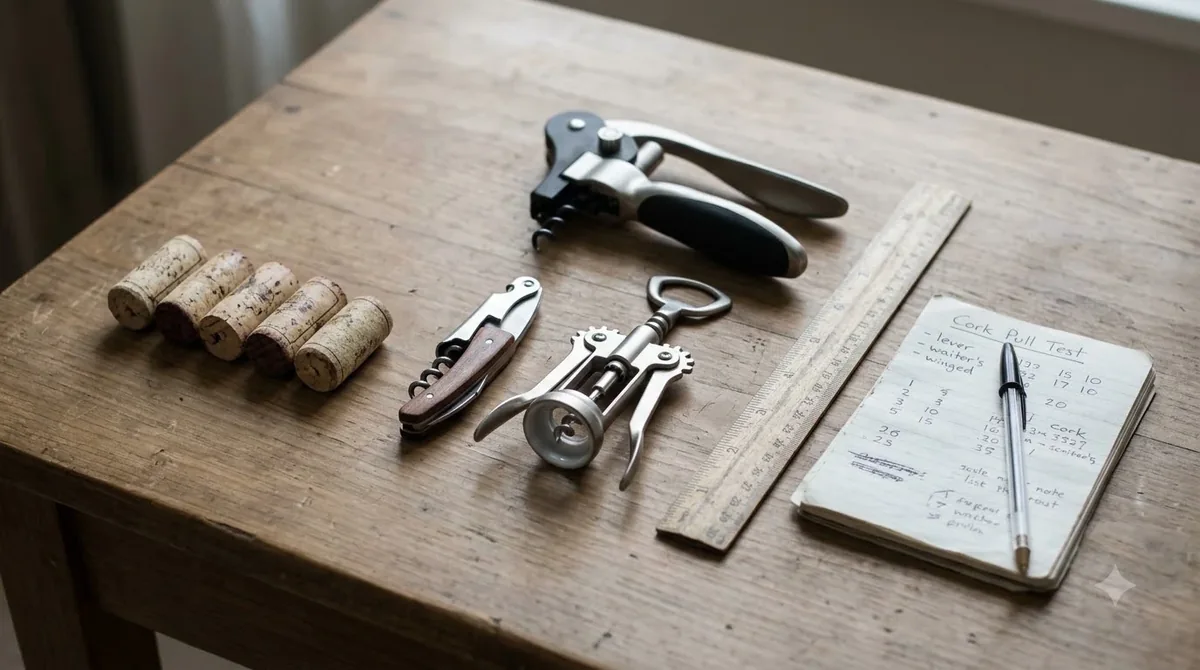
Tip: Keep a spare corkscrew in a drawer or in the car. A cheap lever-style tool costs less than one spilled bottle and removes the need for improvised methods.
Frequently Asked Questions
Can you really open a wine bottle with a key?
Yes, a key can push the cork down into the bottle, which lets you pour the wine. The method is less tidy than using a proper corkscrew, and it works best with a cork that is firm and intact.
How do I keep cork pieces out of the glass?
Pour through a fine strainer, a clean cloth, or a coffee filter held over a jug or glass. Tilt the bottle at a shallow angle so the stopper stays behind the filter as the wine comes out.
What if the cork crumbles while I am pushing it?
Stop and check whether the remaining pieces can be pushed in or pulled out with a tool. Strain the wine carefully, and if the fragments are numerous, consider using a proper corkscrew or a cork puller for the rest of the bottle.
Is it better to use a key or a corkscrew?
A corkscrew is better in almost every case because it removes the cork cleanly. A key is a fallback for emergencies, and it is most reliable when the cork is in good condition and the bottle is kept steady throughout.
Opening a bottle with a key is a useful emergency skill, but it is not the most reliable method. Keep the cork firm, push slowly, and strain the wine as you pour. For a related technique that uses a different tool, read the guide on opening a wine bottle with a knife, and for general wine basics, the wine Q&A section covers everyday questions.
More in Wine Basics
 Which Rose Is Best for Your Taste, Budget, and Food PairingsUpdated Nov 21, 2026
 Is Cheap Wine Bad? How to Find Bottles Worth DrinkingUpdated Nov 21, 2026
 What To Write On A Wine Gift Tag: Thoughtful Messages For Every OccasionUpdated Nov 21, 2026
 Which Wine Is Best For Weight Loss? Compare Lower-Calorie ChoicesUpdated Nov 21, 2026
 What Is The Best Wine For Mimosas? Choose Bubbly That Balances Orange JuiceUpdated Nov 20, 2026
 Which Prosecco Is Best for Your Taste and OccasionUpdated Nov 20, 2026