

We may earn a commission when you buy through links on this page, at no extra cost to you. Learn more.
Provence wine tasting centers on rosé, which makes up more than half of the region’s wine output, along with red wines from Bandol and Coteaux d’Aix and whites from Cassis. A good tasting in Provence usually moves from a light rosé to a structured red, so you can compare how the same southern grapes change with soil, sun and winemaking. Plan a visit around a few appellations rather than trying to cover the whole region in one day.
This guide explains what you will usually taste in Provence, how the main appellations differ, how to plan a visit and how to get the most from each tasting. It also covers what to ask at a winery and a few habits that make a tasting more useful.
What You Will Taste in Provence
Provence is best known for rosé. According to the Wikipedia entry on Provençal wine, rosé accounts for more than half of the region’s production, while red makes up about a third and white only a small share. That mix shapes most tasting menus, so expect a rosé flight at almost every estate, with reds and whites offered as the tasting moves on.
The style is pale and dry. Many rosés from the region are made with a short skin contact, which gives them color and a fresh, savory character rather than the sweetness some visitors expect. Tasting a few side by side is a good way to notice how much the color and body can vary from one estate to the next.
The Main Appellations to Know
Provence has several appellations, and each one has its own profile. Côtes de Provence is the largest, covering more than 85 communes, and it produces nearly three-quarters of the region’s wine. Rosé is the main style there, followed by smaller shares of red and white. This is the appellation most visitors meet first, and many estates in the Var and Bouches-du-Rhône offer tastings built around it.
Coteaux d’Aix-en-Provence is the second-largest appellation, with more than 50 communes. Its production leans toward red, with a substantial share of rosé and a smaller amount of white. Les Baux-de-Provence sits inside the Aix area and is known for red wines, with the source noting that red makes up around 80% of its output. Bandol is nearly 70% red, and its reds and rosés typically require Mourvèdre to make up at least half of the blend. Cassis is the main white wine appellation, with white making up more than 75% of its production, and its vineyards run close to the Mediterranean coast.
| Appellation | Main style | What to look for in a tasting |
|---|---|---|
| Côtes de Provence | Mostly rosé, some red and white | Pale, dry rosé flights and value-focused reds |
| Coteaux d’Aix-en-Provence | Mostly red, plus rosé | Structured reds and savory rosés |
| Les Baux-de-Provence | Mostly red | Rich reds from a smaller, organically farmed area |
| Bandol | Mostly red, some rosé | Mourvèdre-led reds that can age well |
| Cassis | Mostly white | Crisp whites with coastal character |
Mourvèdre is the principal variety across the region, and Grenache and Cinsaut appear in many rosés. Carignan has a long history in Provence, although its use has declined as producers focus on quality. A tasting that moves through these grapes gives you a clear picture of the region’s range.
How to Plan a Provence Wine Tasting Day
A tasting day works best with a route of two or three estates. Distances between villages can be longer than they look on a map, and roads in the hills take time. Choose estates that are close together, and leave room for lunch between tastings. Booking ahead is wise in peak months, because many family-run estates limit the number of visitors on a given day.
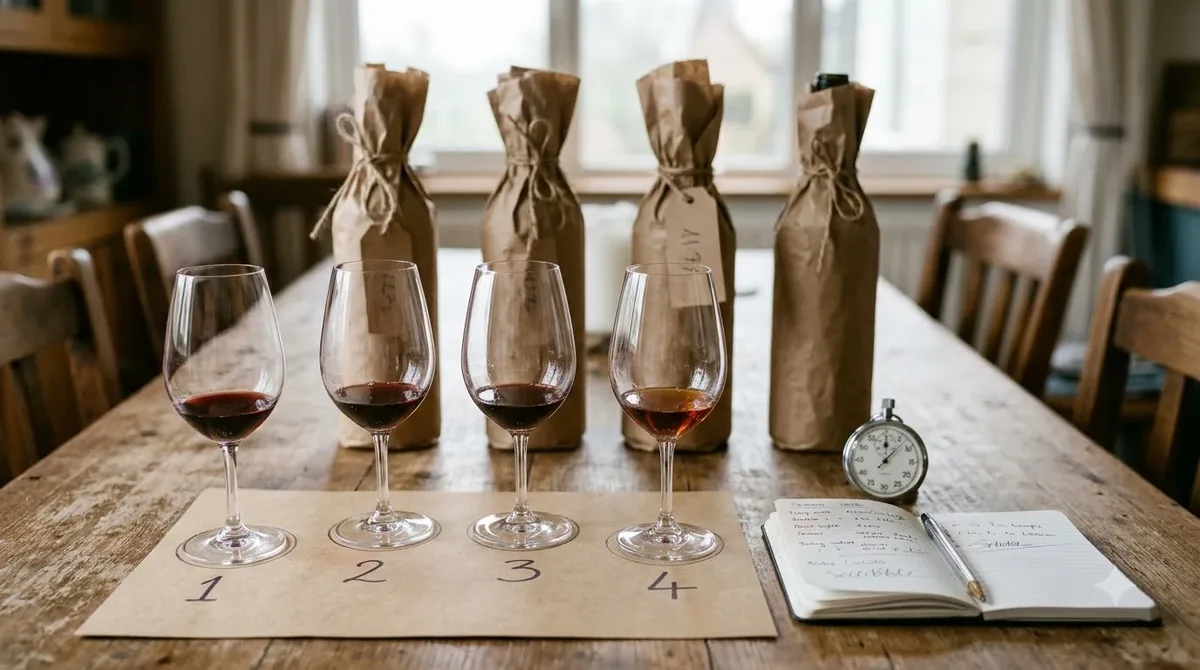
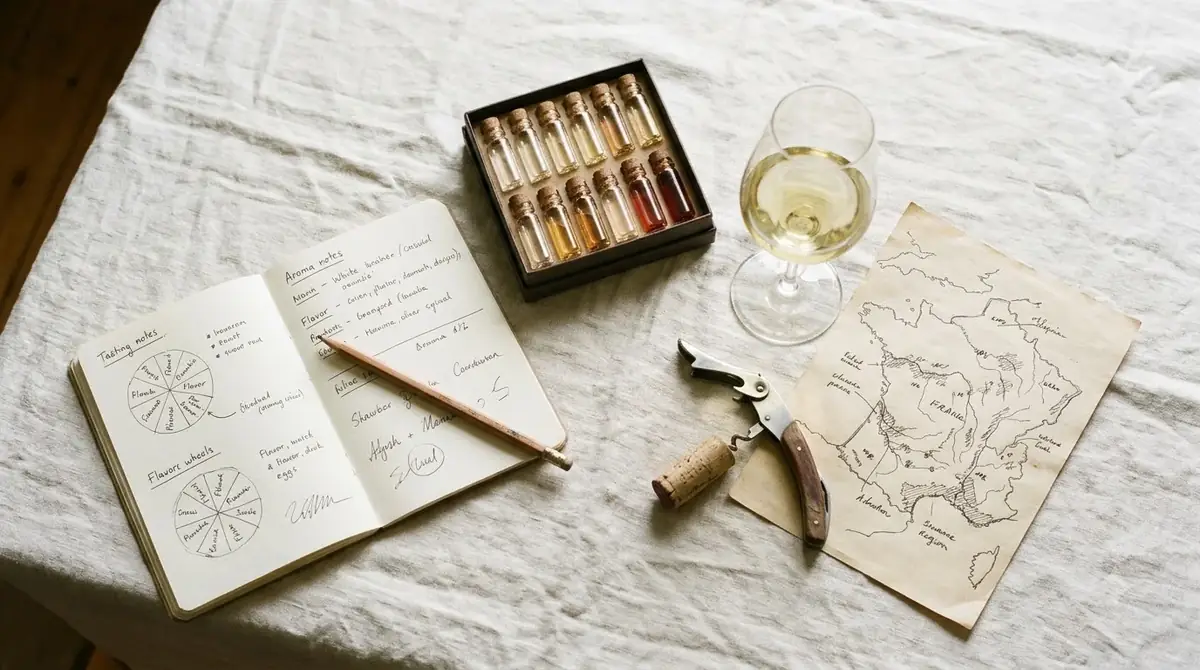
Start in the morning, when the palate is fresh and the first pours are easier to judge. Begin with the lightest styles, usually rosé or white, and finish with red. Ask the host to explain each wine’s appellation and grapes, because the same grape can taste very different across the region. Keep a small notebook or use your phone to note the names and your impressions, which makes it easier to compare bottles later.
Tip: Spit when you need to, especially if you are driving. Many visitors use the spittoon for the reds, which can be tannic, and keep a glass of water nearby.
How to Taste Provence Wine Well
Serving temperature changes how rosé shows its character. Most Provence rosés are best served cool but not very cold, which keeps the fruit and acidity in balance. Reds from Bandol and Les Baux are usually served slightly below room temperature, so they open gradually in the glass rather than tasting heavy or hot.
In a tasting room, look at the color first, then smell the wine, and finally taste it. Pale rosé can smell of strawberry, citrus or herbs, and the palate should feel dry with a clean finish. Red wines from the region often show dark fruit, herbs and a savory note, and a longer finish suggests a wine that will reward a meal. Take your time between sips, and drink a little water to reset your palate.
What to Ask at a Provence Estate
Good questions make a tasting more useful, and most hosts enjoy them. Ask which grapes go into each wine and whether the rosé is made by short skin contact or by another method. Ask about the appellation and how the estate farms its vines. Organic and biodynamic approaches are common across the region, particularly in Les Baux, which the source notes is entirely farmed organically as of 2023.
Ask about food pairing too. Provence wines are built for the table, and a host can often suggest a dish that suits the rosé or red you prefer. If you plan to buy, ask whether the estate ships and how it handles bottles that are hard to find in other markets. Keep the conversation relaxed, since the best tastings feel like a meal rather than a test.
How to Buy Provence Wine After Your Visit
Buying directly at the estate can be a good way to take home wines you tasted and liked. Ask whether the producer offers a mixed case, which helps you test several styles before committing to a larger order. If you cannot visit, look for the appellation name on the label, such as Côtes de Provence, Bandol or Cassis, so you can find similar styles elsewhere.
Shop by style rather than by brand when you are learning the region. A pale rosé, a Bandol red and a Cassis white give you a good spread of what Provence does well. Shelf availability changes from season to season, so use the appellation and grape names to search for alternatives if a favorite is no longer stocked.
Frequently Asked Questions
What is Provence best known for in wine?
Provence is best known for rosé. The region’s source material notes that rosé makes up more than half of its production, with red about a third and white a small share.
How many wineries should I visit in one day?
Two or three estates is a comfortable number. Distances between villages can be longer than they look, and a slower pace lets you taste with more attention.
Do I need to book a Provence wine tasting?
Booking ahead is wise, especially in busy months, because many family-run estates limit visitor numbers. Check each estate’s website or call before you travel.
Which Provence wine should I try first?
Start with a dry rosé from Côtes de Provence, since it is the region’s signature style. Then move to a red from Bandol or Coteaux d’Aix to see how Mourvèdre and other grapes change the wine.
A Provence wine tasting rewards a slow pace and a clear plan. Choose a few appellations, taste from light to full, and ask the host about grapes and farming. For more wine regions to compare, read the Wine Regions guides, or plan a different style of day with rioja wine tasting. For background on the region’s appellations and history, see the Wikipedia entry on Provence wine.
More in Wine Regions
 Willcox Wine Trail: Discover Arizona’s High-Elevation Wine CountryUpdated Nov 20, 2026
 Yakima Valley Wine Region: Find the Best Styles to TryUpdated Nov 20, 2026
 Vosne Romanee Wine Tasting: Identify Aromas and Choose Better PairingsUpdated Nov 20, 2026
 Yakima Valley Wine Festival: Find the Best Seasonal Wine EventsUpdated Nov 20, 2026
 Wales Vineyards: Discover Cool-Climate Wines and Where to VisitUpdated Nov 20, 2026
 Yountville Wine Festival: Discover Napa Wines and Local FoodUpdated Nov 20, 2026