

We may earn a commission when you buy through links on this page, at no extra cost to you. Learn more.
A white blend wine is a white wine made from two or more grape varieties that are fermented separately or together and then combined into one bottle. Winemakers use the mix to balance acidity, aroma and body that a single grape may not show on its own. Many white blends are dry and built for everyday drinking.
This guide explains what white blend wine is, how winemakers put these bottles together, and which grapes and styles you are likely to see on a shelf. It also covers how to compare blends with single-variety whites, how to pair them with food, and how to store and serve them well.
What Is White Blend Wine?
A white blend is a wine made from more than one grape variety, and the finished wine is white in color. According to the overview on Wikipedia’s white wine article, white wine is made by fermenting juice without letting it stay in contact with the grape skins for long. That means the color comes from the juice rather than the skins, even when the grapes themselves have colored skins.
The word blend tells you the wine is a mix. Some blends combine two grapes, while others draw on several varieties. The result can range from light and crisp to rounder and more aromatic, depending on which grapes are used and how much of each goes into the final wine. Because the mix can change from one bottle to the next, the label and the producer’s notes matter more with blends than with a single-grape wine.
Most white wine in the world is dry, meaning the fermentation has converted nearly all the grape sugar into alcohol. Many white blends follow this pattern, so a blend is not automatically sweet. If you want a dry bottle, check the label or the producer’s description before you buy.
How White Blends Are Made
Winemakers build a white blend by growing or buying several grape varieties, fermenting them, and then combining the finished wines. The process is part of the broader winemaking method, which starts with harvest and ends with bottling. The blending step is where the winemaker decides the final balance.
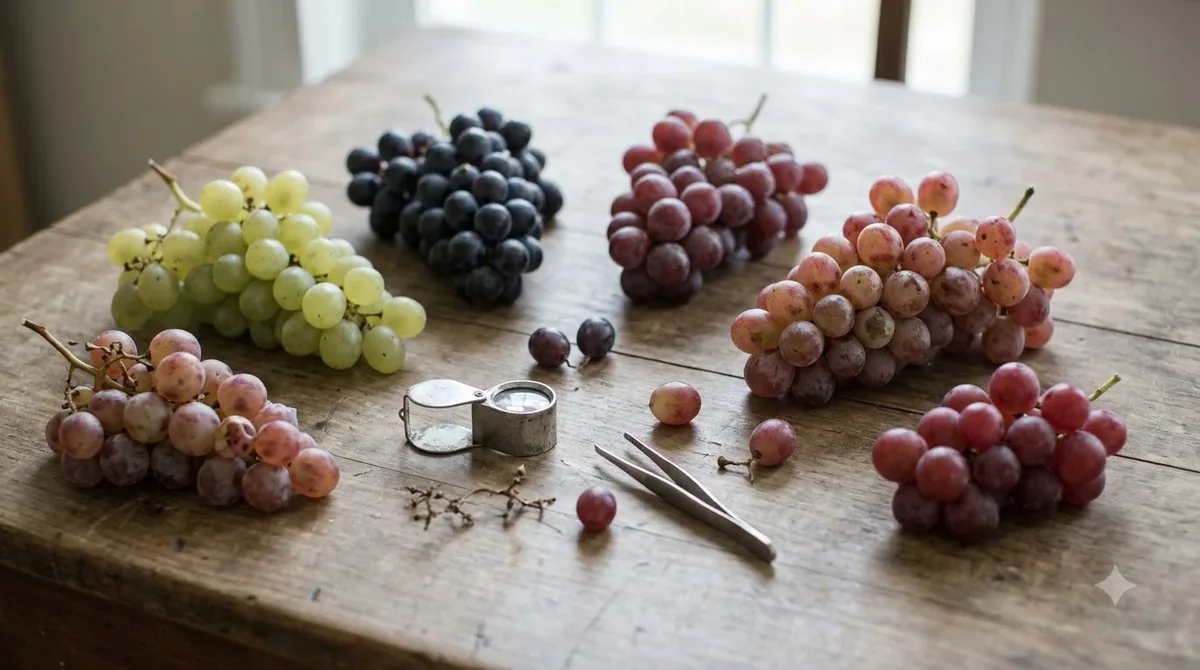
The Stanford wine glossary defines assemblage as blending several wines from different grape varieties that were produced separately. That is the core idea behind a white blend. Each variety is pressed and fermented on its own, and the blend comes later.
In a typical white winemaking sequence, the grapes are crushed and pressed to extract juice. The skins are removed from the juice and play no further role, which is why white wine stays light in color. Yeast may be added to the juice, or the juice may ferment with wild yeasts. Primary fermentation often takes one to two weeks, during which most of the sugar turns into alcohol and carbon dioxide.
Once the wines are finished, the winemaker tastes each lot and decides the proportions. Some blends are assembled before bottling, while others are blended after aging in tanks. The goal is a bottle that tastes consistent from year to year, even when the individual grape lots vary with the growing season.
- Harvest the grapes and press them to separate the juice from the skins.
- Ferment each grape variety separately, often in tanks, under controlled conditions.
- Taste each finished lot and note its acidity, aroma and body.
- Blend the lots in proportions that give the wine its intended balance.
- Settle, adjust and bottle the blend.
Common Grape Varieties in White Blends
White blends draw on the same white grapes that appear in single-variety bottles. Sources name Chardonnay, Sauvignon blanc and Riesling as common examples of white grapes. Each one brings different traits, and a blend can combine them to fill gaps in the others.
Grape quality matters more than almost any other factor in the finished wine. According to the Wikipedia winemaking article, grape quality is shaped by variety, weather during the growing season, soil minerals and acidity, harvest timing and pruning. The combined effect of these factors is often called terroir, and it helps explain why the same grape can taste different from one region to another.
Acidity is one of the most useful tools in a blend. The Stanford glossary notes that acidity gives freshness to white wines. It also says hot growing seasons tend to produce wines with lower acidity, while cool, rainy years tend to produce wines with higher acidity. A blender who knows this can add a more tart grape to lift a softer one, or the reverse.
| Blend role | What it adds | Why winemakers use it |
|---|---|---|
| Acidity and freshness | Crisp, lively taste | Balances softer or fuller components |
| Aroma | Fruit and floral notes | Adds complexity beyond a single grape |
| Body and texture | Weight in the mouth | Makes the wine feel rounder or lighter |
| Consistency | Stable style across vintages | Smooths out differences in weather |
Because each grape contributes something different, the grape list on the label can be a useful guide. A blend that names a crisp, acidic variety alongside a rounder one will usually taste different from a blend built around two aromatic grapes. Read the grape names as a clue to the style, not just as a list.
Popular White Blend Styles and Regions
White blends appear in many styles, and the region often shapes the final character. Some are fresh and dry for simple meals, while others lean toward sweetness or richness. Knowing the common styles helps you choose a bottle without needing to memorize every blend name.
According to the Stanford glossary, Alsace is a French wine region near the German border known for dry and sweet white wines. The glossary adds that the grapes used for these wines are grown only in that region. Alsace is a useful reference point if you want to see how a specific place can define a white style.
Sweetness is a separate question from blending. The Wikipedia white wine article explains that sweet wines are made by stopping fermentation before all the sugar becomes alcohol. Sparkling wines are also mostly white, and their bubbles come from carbon dioxide kept dissolved in the wine. A blend can be dry, off-dry, sweet or sparkling, so read the label for sweetness cues.
If you want to explore blends that mix several red grapes, the GSM blend wine guide covers a popular style built on different varieties. For a single white grape you may see in blends, the Catarratto grape profile is a helpful starting point.
White Blend vs. Single-Varietal White Wine
A single-varietal white is made mainly from one grape, so its character shows that grape clearly. A white blend gives the winemaker more room to balance traits. Neither style is better in every case. Each one suits a different kind of drinker and meal.
Single-varietal wines can show how a grape behaves in a given place. Sources note that Blanc de Blancs Champagne is a white wine made only from white grapes, and a Blanc de Blancs is made from 100 percent Chardonnay, the only other legally permitted variety. That is a rule specific to Champagne, but it shows how a single grape can define a style.
| Feature | White blend | Single-varietal white |
|---|---|---|
| Grape source | Two or more varieties | One variety |
| Flavor profile | Balanced, often more layered | Clearer expression of one grape |
| Consistency | Can stay steady across vintages | Can vary more with the season |
| Best for | Easy everyday drinking and food | Tasting a grape’s true character |
Many shoppers start with blends because they are often approachable. A blend can taste fresh without being sharp, and it can be a friendly first white for someone new to wine. Single-varietal wines reward readers who want to learn what a grape tastes like on its own.
How to Choose a Good White Blend
Choosing a white blend is easier when you read the label and match the style to your taste. Look for the grape names, the region, and any notes on sweetness. Those details usually tell you more than the brand name alone.
Start with the level of sweetness you prefer. If a label does not say, the producer’s website or the retailer description may explain the style. Dry blends suit many meals, while sweeter or sparkling blends can work better as a slow sipper or an aperitif.
Next, consider acidity. Because acidity gives freshness to white wines, a bottle described as crisp or lively usually has more acid. Warmer growing seasons can produce lower-acid wines, so a rich, soft blend from a hot year may taste different from a leaner one from a cooler year.
Finally, check the producer’s description and any technical notes. Some producers say how the wine was aged or fermented. White wines are not barrel aged in the same way reds often are, though the Wikipedia winemaking article notes that oak fermentation can add some oak character to whites. If oak matters to you, look for that detail on the label.
Tip: If you are new to blends, try two bottles that list different grape mixes from the same region. Compare how the acidity and fruit feel on the palate, and note which style you prefer.
Food Pairing with White Blend Wine
White blends are flexible at the table because their acidity and freshness can frame a wide range of dishes. The right pairing depends on the sweetness and body of the wine. A crisp dry blend suits lighter foods, while a richer blend can handle heartier dishes.
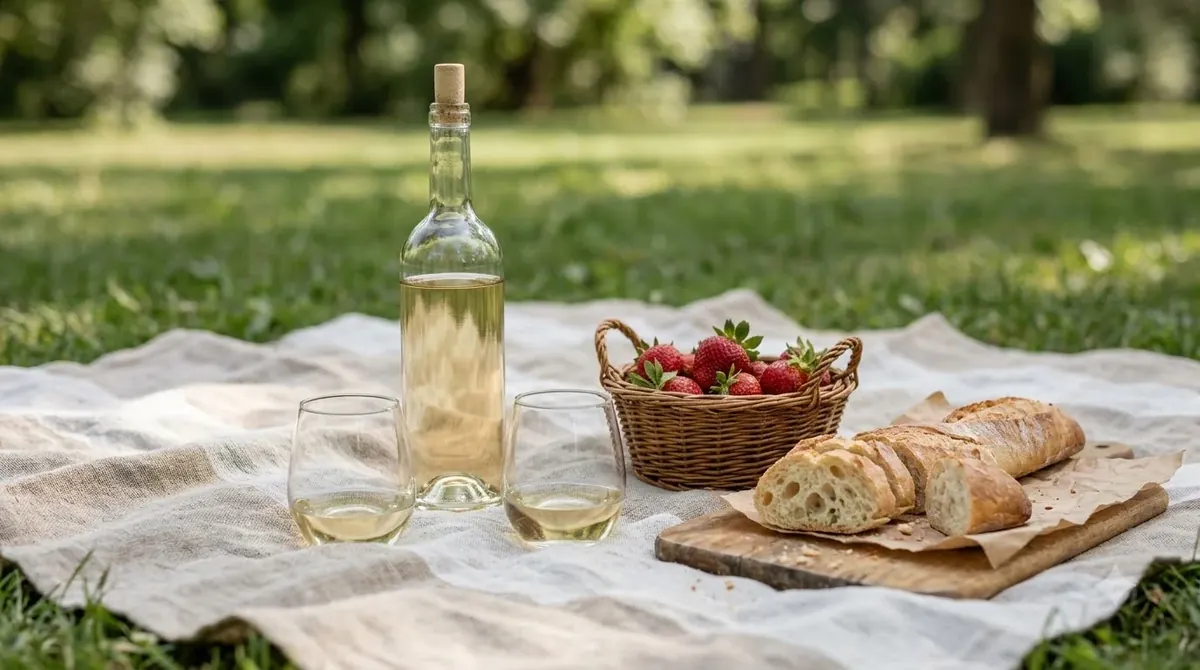
The Wikipedia white wine article notes that white wines are often used as an aperitif before a meal, served with dessert, or enjoyed as a refreshing drink between meals. Those uses show how versatile the style can be. A dry blend can open a meal, while a sweeter one can close it.
The same article explains that acidity, aroma and the ability to soften meat and deglaze cooking juices make white wines useful in cooking. That is also a clue for pairing. A crisp blend often works with seafood, chicken, soft cheeses and fresh salads, where its acidity brightens the flavors without overwhelming them.
For richer dishes, look for a blend with more body and a rounder texture. For desserts, match sweetness to sweetness, since a dry wine can taste thin next to a sweet dish. When in doubt, pick a wine that is slightly sweeter than the dessert, or serve a fruit-forward dessert with a fruit-driven blend.
How to Store and Serve White Blend Wine
Most white blends are meant to be enjoyed within a fairly short window. Storage and serving choices affect how fresh the wine tastes. The main goal is to protect the fruit and acidity that make the blend appealing.
The Stanford glossary explains that good cellaring conditions include cool, stable temperatures and appropriate humidity, which helps keep the cork from drying out. The glossary also notes that very few wines are age-worthy, and the vast majority are made ready to drink at release. For most white blends, buy with the intention to drink them soon.
The Wikipedia winemaking article offers a useful reality check. It says only about five percent of white wine tastes better after five years than it did after one year. That means most white blends are best opened within a few years of release. Check the label or producer notes for any specific aging advice.
For serving, follow the producer’s guidance on the label or website. In general, white wines show their freshness best when served cool rather than warm. If a bottle has been sitting in a hot car or a sunny kitchen, chill it before serving so the aromas and acidity come through clearly.
Frequently Asked Questions
Is white blend wine always sweet?
No. Many white blends are dry, because most white wine is made by fermenting nearly all the grape sugar into alcohol. Some blends are sweet or sparkling, so check the label or producer description to learn the style before you buy.
What grapes are usually in a white blend?
White blends use white grape varieties, and sources name Chardonnay, Sauvignon blanc and Riesling as common examples. The exact mix varies by producer and region. The grape list on the label is the best clue to the style.
How is a white blend different from a single-varietal white?
A single-varietal white comes mainly from one grape, so its character shows that grape clearly. A white blend combines two or more grapes, which can add balance and layers. Both styles are valid, and the best choice depends on whether you want to taste one grape or enjoy a balanced mix.
Should I age a white blend?
Most white wines are made to drink soon after release, and the Wikipedia winemaking article notes that only about five percent of white wine improves after five years. Store bottles in a cool, stable place and check the producer’s guidance before you hold a bottle for long.
A white blend can be an approachable way to explore white wine, especially when you read the grape list and style notes before you buy. For more background on grouping wines by style, visit the Wine by Type section and compare how different categories are built.
More in Wine Types & Grapes
 Zinfandel Sugar Content: Dry Red vs. White Zinfandel GramsUpdated Nov 21, 2026
 Best Zinfandel Substitute Options for Sipping and CookingUpdated Nov 21, 2026
 Zweigelt Food Pairing: Best Dishes, Cheeses, and Serving TipsUpdated Nov 21, 2026
 Zinfandel Tannins Explained: How Structure Shapes Every BottleUpdated Nov 21, 2026
 Zinfandel Sweetness Level: Dry Red vs. Sweet White Zin ExplainedUpdated Nov 21, 2026
 Xinomavro Food Pairing: Best Dishes, Styles, and Serving TipsUpdated Nov 21, 2026