

We may earn a commission when you buy through links on this page, at no extra cost to you. Learn more.
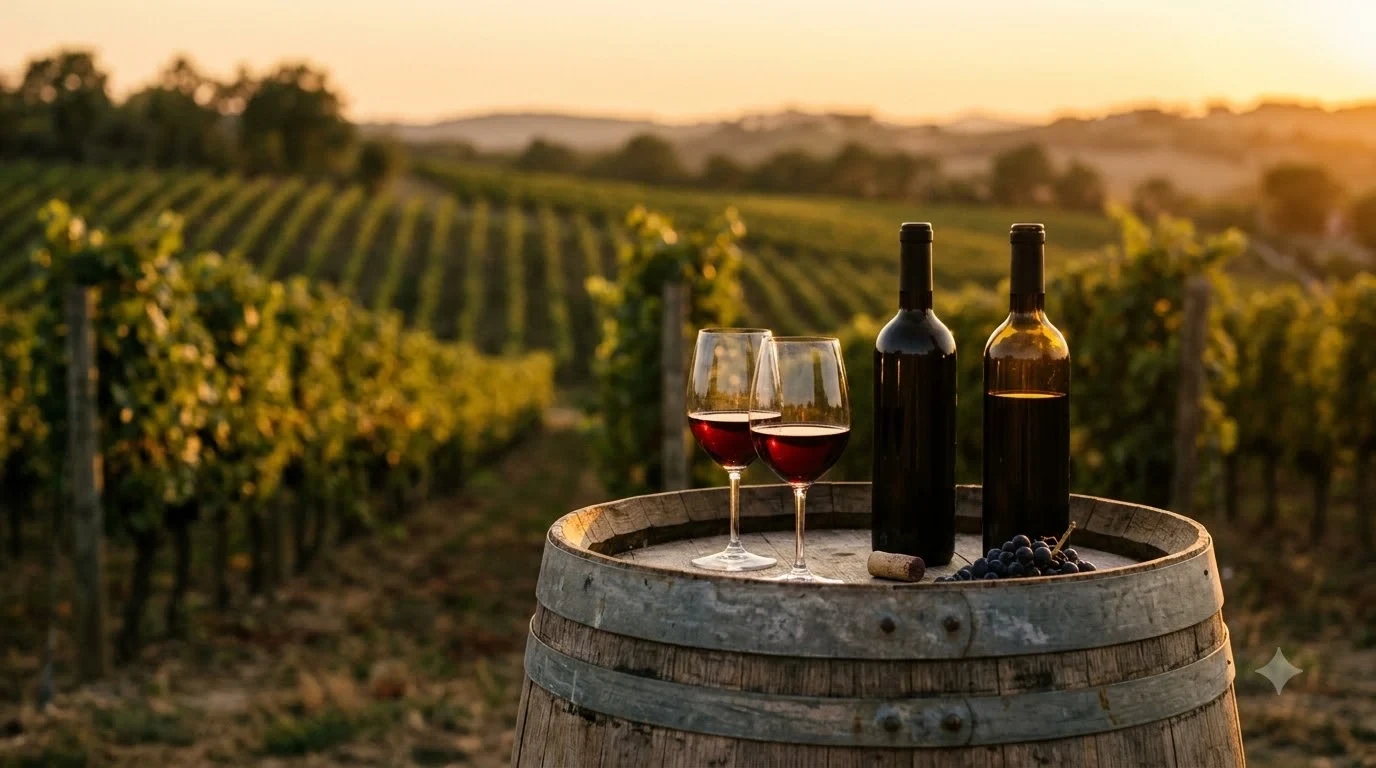
Livermore wine country is a Northern California American Viticultural Area in Alameda County, known for Petite Sirah, Sémillon and Sauvignon Blanc, and a large group of historic wineries in the Tri-Valley. The valley was designated an AVA in 1982, and it now has more than 50 wineries. Its cool bay-influenced climate and gravelly soils give it a style that differs from Napa Valley, even though the two areas were once compared closely in vineyard acreage.
If you are planning a visit or simply want to understand the region’s wines, Livermore Valley offers a compact and historic introduction to California wine country. This guide covers the region’s history, grapes, climate and wineries, and it closes with practical tips for choosing bottles and planning a day.
Livermore Wine Country at a Glance
Livermore Valley sits in Alameda County, centered on the city of Livermore in the Tri-Valley area east of San Francisco. The federal AVA was established on September 1, 1982, and it was expanded in 2006 into parts of northern Alameda and southern Contra Costa counties. Its location within the wider San Francisco Bay and Central Coast AVAs means that its climate reflects both the bay and the Pacific.
Quick Comparison of Livermore’s Main Styles
The table below gives a quick view of the grape styles that define the valley. Use it to decide what kind of tasting you want before you choose a winery.
| Style | Colour | Why it stands out | Good with |
|---|---|---|---|
| Petite Sirah | Red | Historically the region’s best-known red, full and deeply coloured | Grilled meats, hearty braises |
| Sémillon | White | Associated with the valley’s white tradition, round and fuller in texture | Roast chicken, creamy sauces |
| Sauvignon Blanc | White | Fresh acidity suited to the cooler marine climate | Salads, seafood, goat cheese |
| Chardonnay | White | Widely planted and made in many styles | Poultry, pasta, soft cheeses |
Climate, Soils and Why the Wines Taste Different
Livermore has a moderate coastal climate, shaped by San Francisco Bay and Pacific breezes. Cool marine winds and morning fog temper the growing season, while the days are warm and the nights cool. That large daily temperature swing helps grapes keep their acidity while still ripening fully. The growing season runs for about 254 days, and annual rainfall averages around 14.5 inches, according to the region’s Wikipedia entry.
The soils are mainly gravelly, especially in the southern part of the valley, where Livermore gravelly sandy loam is common. The surrounding hills contain sandstone, shale and conglomerate. Gravelly soil drains quickly, which is one reason many growers in the valley have traditionally favoured varieties that handle a bit of stress.
The region is classed as Winkler Region III, a rating that places it in the same broad heat band as northern Napa Valley. For a visitor, the result is wines that often combine ripe fruit with a fresher edge than you might expect from a warm inland area. Tasting several styles in one afternoon makes this contrast easy to notice.
Historic Wineries and Notable Producers
Livermore’s wine story goes back to the 1830s, when Robert Livermore, an English-born landowner, planted the first vines and gave the valley its name. Winemaking expanded in the late 1860s, and by 1884 Louis Mel had planted cuttings from Château d’Yquem and Château Margaux, a sign of how ambitious the valley’s early producers were.
Several family names still define the valley. Wente Vineyards, founded in 1883, is the largest producer in the valley and makes about 700,000 cases a year. Concannon Vineyard, also founded in 1883, is another long-running name, and Cresta Blanca Winery, founded in 1882, won the Grand Prix at the 1889 Paris Exposition with its 1884 vintage. The valley’s modern wineries include smaller estates such as Cuda Ridge, Rios-Lovell, Steven Kent and Retzlaff. You can read the full historical account on the Livermore Valley AVA entry on Wikipedia.
The history also includes hard years. At its peak the valley had about 15,000 acres of vineyards and more than two dozen wineries. Prohibition closed most of them, and Wente and Concannon survived partly by making sacramental wine. By the early 1960s the valley had about as many wine grapes planted as Napa Valley, which shows how much the region once mattered.
Grapes and Styles to Look For
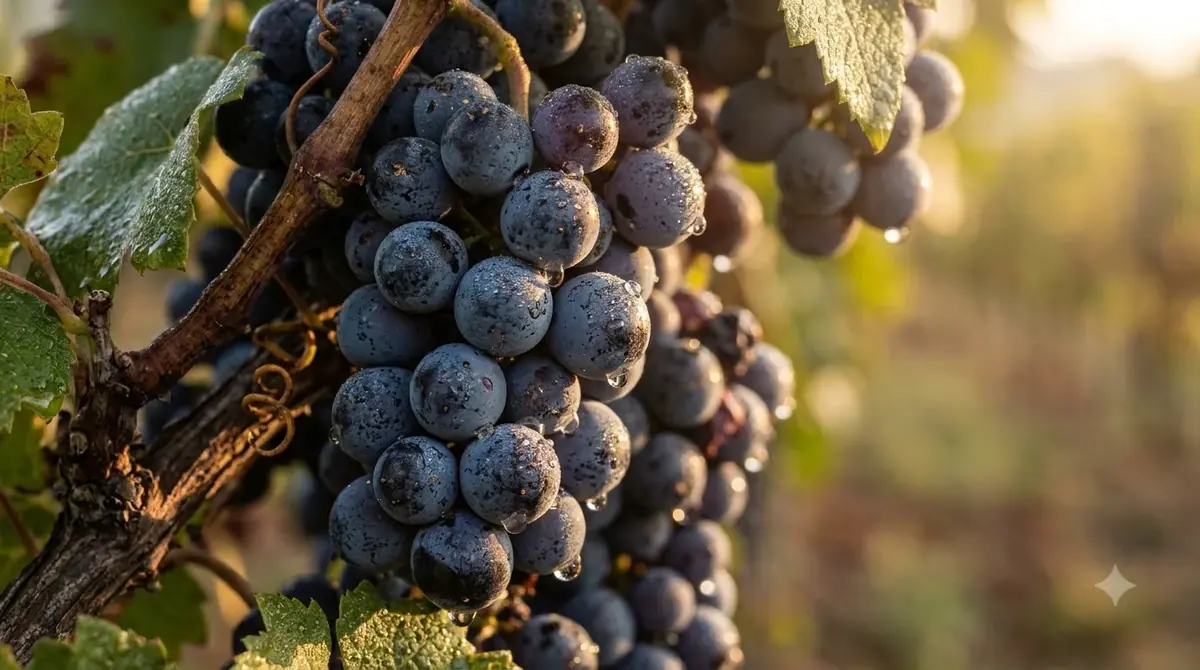
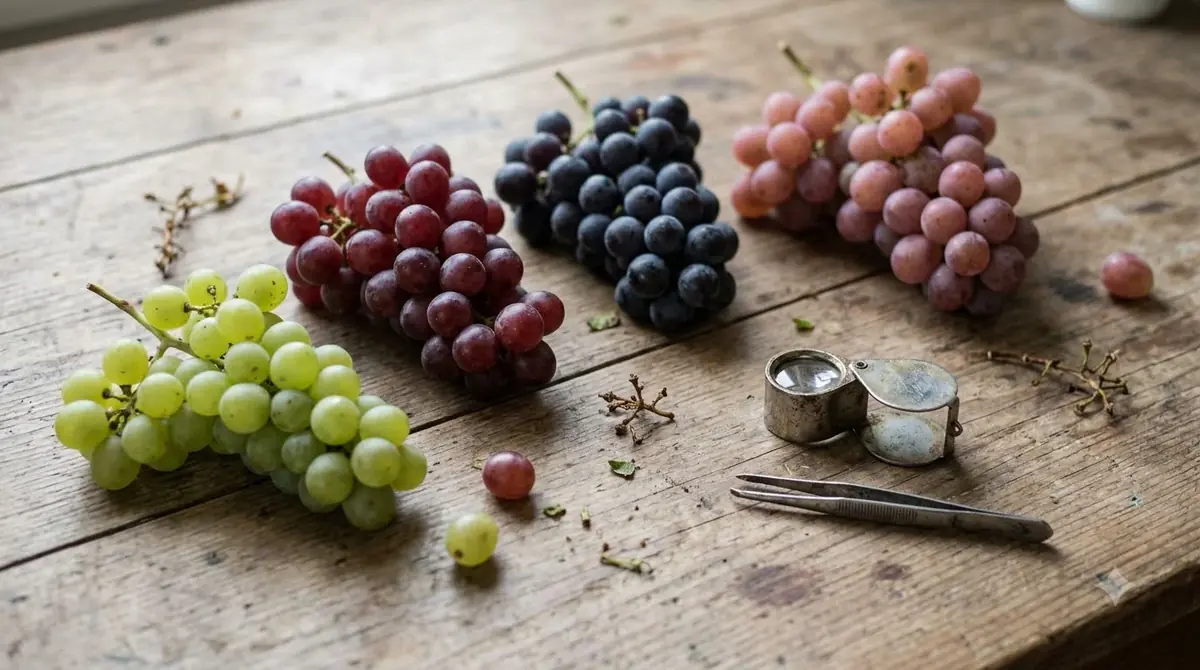
Petite Sirah is the grape most closely linked to Livermore’s identity. Wines made from it tend to be dark, structured and full in the mouth, and they age well when the producer handles them carefully. Cabernet Sauvignon, Merlot, Sangiovese and several Rhône varieties also appear on local lists, so the red range is wider than one grape.
On the white side, Sémillon and Sauvignon Blanc are the traditional names, and Chardonnay is widely planted across the region. The climate also suits dessert-style wines in the sauternes tradition, which is a useful clue if you enjoy sweet wines with cheese or fruit desserts.
When you read a tasting menu, look for the variety name and the vintage first. Those two details usually tell you more about the style than the winery’s marketing text. If a producer lists a blend, the first grape named is usually the largest part of it, so that is a good place to start.
How to Plan a Livermore Wine Day
Because the valley is compact, you can visit several wineries in one day, but the tasting rooms are spread out, so plan a route before you leave. Start with the largest estates for a broad overview of the valley’s history, then visit one or two smaller producers for a more personal experience. Schedule a meal in the middle of the day, since many visitors find that a tasting plan works better with food.
Tip: Check each winery’s hours and reservation policy before you go. Tasting rooms in the valley often change their schedules, and some require booked appointments.
Plan for a driver or a designated person, and avoid tasting more than you can enjoy comfortably. A good rule is to choose three or four wines per stop, pour small amounts, and drink water between tastings. Many visitors also combine a Livermore visit with a broader trip through the region, so it helps to read about other destinations in advance. Our Willcox wine country guide and Amador County guide offer useful comparisons for travellers building a longer itinerary.
Frequently Asked Questions
Where is Livermore wine country?
Livermore wine country is in Alameda County, California, centered on the city of Livermore in the Tri-Valley area. It was designated an American Viticultural Area in 1982.
What is Livermore Valley best known for?
The valley is best known for Petite Sirah, which has historically been its best-known red, and for white wines made from Sémillon and Sauvignon Blanc. Its long winemaking history is also a major draw.
How many wineries are in Livermore Valley?
The Wikipedia entry for the AVA reports more than 50 wineries. Check a current winery list before you visit, since openings and closures change the count from year to year.
Is Livermore Valley similar to Napa Valley?
The two areas share a similar heat rating in the Winkler system, but Livermore’s bay-influenced climate and gravelly soils give its wines a different character. The valley is smaller and less crowded than Napa.
Livermore wine country offers a historic and approachable introduction to California wine, with a strong red identity and a long white tradition. For your next step, read our wine regions guide or the Illinois wine trail article to compare how other regions structure their tasting routes.
More in Wine Regions
 Willcox Wine Trail: Discover Arizona’s High-Elevation Wine CountryUpdated Nov 20, 2026
 Yakima Valley Wine Region: Find the Best Styles to TryUpdated Nov 20, 2026
 Vosne Romanee Wine Tasting: Identify Aromas and Choose Better PairingsUpdated Nov 20, 2026
 Yakima Valley Wine Festival: Find the Best Seasonal Wine EventsUpdated Nov 20, 2026
 Wales Vineyards: Discover Cool-Climate Wines and Where to VisitUpdated Nov 20, 2026
 Yountville Wine Festival: Discover Napa Wines and Local FoodUpdated Nov 20, 2026