

We may earn a commission when you buy through links on this page, at no extra cost to you. Learn more.
Amador County wine country sits in the Sierra Nevada foothills of California, about 45 miles southeast of Sacramento, and it is best known for old-vine Zinfandel and a cluster of more than 40 wineries. The area is compact enough to cover in a single day, and it offers a different experience from the larger, busier valleys farther west. This guide explains where the region is, what it grows, how its history shaped it, and how to plan a tasting visit.
Anyone planning a trip to Amador County wine country will find that the region rewards slower travel. The roads wind through oak woodland and rolling gold-brown hills, and many tasting rooms are small family operations where the person pouring the wine is often the owner or winemaker. Understanding the region’s geography, grape history, and visiting style makes it easier to choose which wineries to visit and how to spend the day.
Where Amador County Sits
Amador County is part of California’s Gold Country, in the Mother Lode region of the Sierra Nevada foothills. According to the county’s entry on Wikipedia, the county lies about 45 miles southeast of Sacramento, which puts it within reach for a day trip from the state capital or a longer stay from the Bay Area. The elevation of the vineyards and the warm, dry summers give the region a climate that differs from the cooler coastal wine areas further west.
The foothill landscape shapes how the vineyards are laid out. Vines are planted on slopes and benches, where air drains well and the sun reaches the fruit for much of the day. Visitors who are used to flat valley floors often notice how quickly the scenery changes from pine and oak to open vineyard within a few miles.
Why Zinfandel Defines the Region
Zinfandel is the grape most closely associated with Amador County. The county is known for its large number of old vines, and a high share of its Zinfandel plantings are decades old. Wikipedia notes that the Grandpère vineyard, which it describes as believed to be the oldest Zinfandel vineyard in America, was planted before 1869.
Old-vine Zinfandel tends to produce wines with concentrated fruit, a dense texture, and firm structure. Typical flavor notes include blackberry, strawberry, cinnamon, and sweet spice, and the wines usually carry a higher alcohol level than many other red styles. Tasting a single old-vine Zinfandel next to a younger one from the same county is a practical way to see how vine age changes the wine.
The county also produces a wide range of other varietals. Visitors who prefer lighter reds or white wines can still find plenty of options, but Zinfandel remains the signature that most tasting rooms feature in their flights and reserve pours.
A Brief History: Gold Rush, Prohibition, and Revival
Wine has been part of Amador County’s story since the mid-1800s, when the Gold Rush brought a large population of settlers to the Sierra foothills. According to Wikipedia, the Shenandoah Valley, which lies within the county’s wine area, was once the principal viticultural region of California, even though it is less well known today than the Napa and Sonoma valleys.

The region’s wine industry then suffered serious setbacks. The decline of the Gold Rush and the arrival of Prohibition devastated the local wine business, and many vineyards were pulled out or left to decline. Over the following decades, a new generation of growers and winemakers replanted and rebuilt the industry, and the county’s current wineries are part of that revival.
This history explains why so many of the vineyards are old and why the local wine style is tied closely to Zinfandel. Vines that survived the lean decades are now prized for the depth and character they give the wine.
Planning a Tasting Day
Most visitors plan a day with three to five stops, since the distances between wineries can be longer than they look on a map. Starting early in the day helps you avoid the busiest afternoon hours and gives you time to linger at the tasting rooms you enjoy most. Many wineries offer seated tastings or reserve flights, and these tend to give a more complete picture of the producer’s range than a quick bar pour.
The table below compares the common tasting formats you are likely to encounter. Prices and reservation rules change from winery to winery, so check each tasting room’s current policy before you go.
| Tasting format | What to expect | Best for |
|---|---|---|
| Bar or walk-in pour | Quick tasting of a few current releases at the counter | First-time visitors and short stops |
| Seated flight | A set lineup of wines with a pourer or host who explains each one | Learning the region’s styles |
| Reserve or library tasting | Older or limited wines, often in a private room | Collectors and experienced tasters |
| Food-paired tasting | Wines matched with small plates made on site | Longer visits and special occasions |
Tip: Plan for one designated driver or a booked tour. Foothill roads are winding, and the tasting day is more enjoyable when nobody has to think about the drive home.
How to Taste Zinfandel in the Foothills
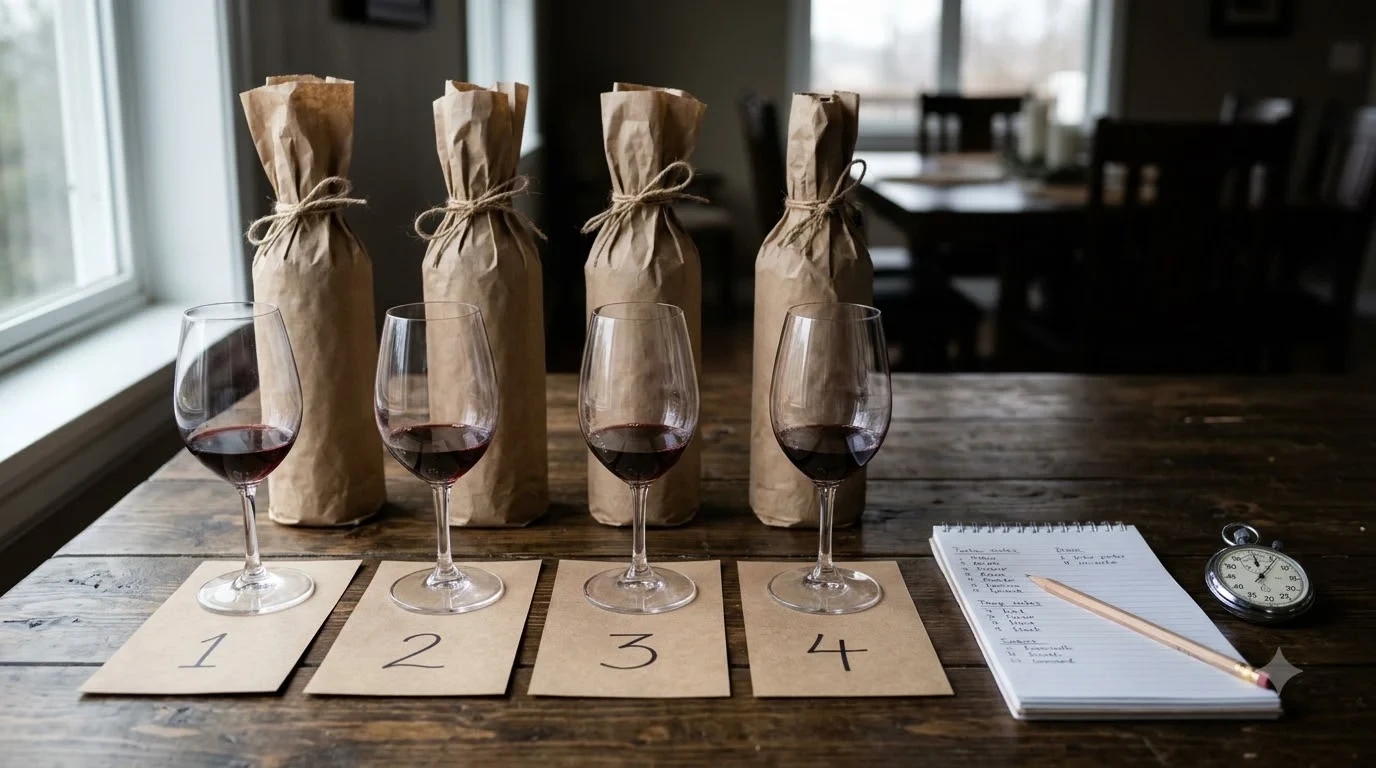
Tasting Zinfandel is easier when you follow a simple order. Start with the lightest wine on your list and finish with the most concentrated one, so that the richer bottles do not overwhelm your palate before you reach the subtler wines. Look at the color first, since Zinfandel often shows a deep ruby tone with lighter edges, then swirl the glass and note the aromas before tasting. Pay attention to the balance between fruit, spice, and the grip of the tannins on your gums.
Many visitors find it helpful to compare a young Zinfandel with an older one from a different vineyard. The contrast highlights how site, vine age, and winemaking choices shape the finished wine. A pourer can usually point out which bottles come from old vines, and asking that question often starts a useful conversation about the vineyard itself.
Water and a few bites of bread or cheese between tastings help keep the palate fresh. If you plan to drive after the visit, spit the wine into the provided cup and keep your intake modest. Responsible drinking makes a long tasting day more pleasant and leaves room for the next stop on the route.
Other Varieties and Styles
Although Zinfandel gets most of the attention, the county grows a broad mix of varieties. Visitors who want to explore beyond red wine can ask pourers which white and rosé styles are produced on site, since these vary from one winery to the next. Asking the pourer about the vineyard source and the winemaking approach often reveals more about the region than the label alone.
Weekends tend to be busier than weekdays, and spring and early fall often feel more comfortable for walking between vineyards than the hottest months of summer. Bringing a reusable bottle, comfortable shoes, and a light layer for cooler evenings in the foothills makes the day easier. Planning a lunch stop between tastings can also help you pace the visit and avoid rushing through the afternoon.
Some producers focus on a small list of wines, while others make a wide range of blends and single-varietal bottlings. Neither approach is better in general. A small producer may offer a more personal visit, while a larger estate may have more food options and outdoor space.
How Amador Compares with Other Wine Regions
Amador County differs from many well-known wine areas in both climate and scale. Its wineries are often smaller and more personal than those in larger appellations, and the region has a strong identity built around one grape. For travelers who want to compare regions, a useful next step is to read about Willcox wine country, which offers another example of a distinct growing area with its own tasting culture.
Comparing regions this way helps set expectations. A tasting in a warm foothill district will taste different from a visit to a cool coastal area, even when the grapes share a name, and that contrast is part of the fun.
Frequently Asked Questions
How far is Amador County from Sacramento?
According to Wikipedia, Amador County lies about 45 miles southeast of Sacramento. Travel time depends on traffic and the route you choose, so plan the drive around your tasting schedule.
Is Amador County known for a specific grape?
Yes. Zinfandel is the grape most closely associated with the county, and the region has many old vines. Other varieties are also grown, so visitors can find a range of styles.
How many wineries are in Amador County?
Wikipedia describes the area as home to over 40 wineries. The number changes as new producers open and others close, so check a current winery list before planning your route.
Do I need reservations for a tasting?
It depends on the winery. Walk-in bar pours are common at many tasting rooms, but seated flights, reserve tastings, and food-paired visits often need a booking. Check each winery’s policy before you go.
Amador County rewards visitors who take their time, ask questions, and compare a few old-vine Zinfandels side by side. To place the region within the wider world of wine, start with the wine regions guide, which explains how climate, soil, and history shape the bottles you taste on the road.
More in Wine Regions
 Willcox Wine Trail: Discover Arizona’s High-Elevation Wine CountryUpdated Nov 20, 2026
 Yakima Valley Wine Region: Find the Best Styles to TryUpdated Nov 20, 2026
 Vosne Romanee Wine Tasting: Identify Aromas and Choose Better PairingsUpdated Nov 20, 2026
 Yakima Valley Wine Festival: Find the Best Seasonal Wine EventsUpdated Nov 20, 2026
 Wales Vineyards: Discover Cool-Climate Wines and Where to VisitUpdated Nov 20, 2026
 Yountville Wine Festival: Discover Napa Wines and Local FoodUpdated Nov 20, 2026