

We may earn a commission when you buy through links on this page, at no extra cost to you. Learn more.
The livermore wine region is a historic California wine-growing area east of San Francisco, known for Cabernet Franc, Sauvignon Blanc, Chardonnay, Cabernet Sauvignon and Petite Sirah. Its distinctive east-west valley orientation draws in cool marine breezes, creating warm growing days and refreshing nighttime temperatures. Established as an American Viticultural Area (AVA) in 1982, Livermore combines an influential place in California wine history with a growing collection of contemporary wineries.
California wine country often brings Napa Valley and Sonoma County to mind, but Livermore Valley has an equally fascinating story. This East Bay destination helped establish California’s reputation for premium wine, influenced the development of nationally important grape varieties and continues to produce an unusually broad selection of wines. Its combination of historic vineyards, diverse grape varieties and accessible tasting rooms makes it an appealing destination for wine enthusiasts interested in discovering a different side of California viticulture.
Where Livermore Valley Sits and What the AVA Covers
The Livermore Valley wine-growing area occupies an inland position in California’s San Francisco Bay Area, approximately 30 miles east of San Francisco. Its geography, connection to the larger Central Coast appellation and distinctive valley orientation help explain why its wines have a recognizable regional character.
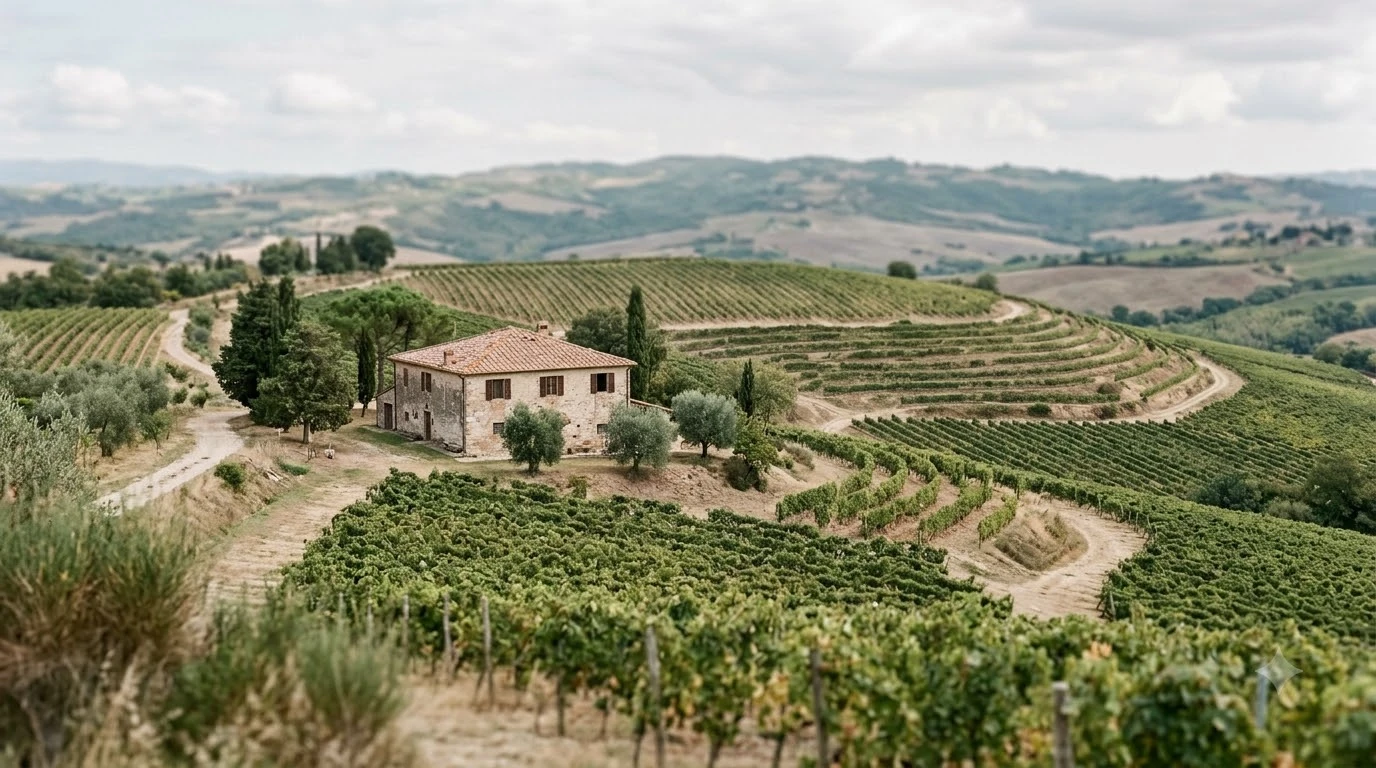
The region centers on the city of Livermore in Alameda County, east of the San Francisco Bay and north of San Jose. Although the surrounding mountains separate the valley from the immediate shoreline, Pacific Ocean weather systems and cool marine air influence its vineyards. The location offers an interesting contrast: vines receive substantial California sunshine while also benefiting from cooling conditions that help preserve freshness in the grapes.
The Livermore Valley is approximately 15 miles long from east to west and 10 miles wide from north to south. This orientation is an important distinction from many northern California wine-growing areas, where valleys generally follow a north-south direction. Coastal range mountains and foothills surround the basin, creating varied vineyard exposures and a combination of valley-floor and hillside growing sites.
The Livermore Valley AVA became an officially recognized American wine appellation in October 1982. It sits within the San Francisco Bay appellation, which is itself part of the broader Central Coast appellation. Understanding this hierarchy helps when reading California wine labels: Livermore Valley identifies a more specific geographic origin within a much larger regional designation. Readers learning about appellations elsewhere can compare this structure with the descriptions in our guide to wine regions.
The distinction between the city, the valley and the AVA is useful for visitors as well. Livermore is the main population center, while vineyard properties extend into surrounding rural areas and foothills. A winery carrying the Livermore Valley name therefore represents a regional identity rather than simply a tasting room located within the city’s central streets.
A California Wine History That Reached Paris
Livermore Valley played an important role in the development of California wine long before the modern industry became associated with Napa and Sonoma. Its history includes nineteenth-century vineyard pioneers, an internationally recognized wine competition and important milestones involving Chardonnay and Petite Sirah.
Spanish missionaries planted the first wine grapes in the valley during the 1760s, according to the Livermore Valley Wine Community. Commercial viticulture developed more substantially in the 1840s, when Robert Livermore planted vineyards in the area. The valley’s potential attracted entrepreneurs interested in producing wines suited to California’s climate and soils, establishing the foundations for a lasting agricultural industry.
Charles Wetmore became a central figure in the region’s early reputation. He established Cresta Blanca Vineyards in 1882 after recognizing similarities between Livermore’s growing conditions and those of established European wine-producing areas. Carl H. Wente and James Concannon followed in 1883, founding the wineries that became Wente Vineyards and Concannon Vineyard. Both names remain closely associated with Livermore’s wine identity.
The international breakthrough arrived in 1889, when Wetmore’s dry white wine received the Grand Prix at the International Paris Exposition. The award was an important moment for American winemaking because it demonstrated that California wines could compete successfully on an international stage. The Livermore Valley Wine Community’s regional history records this achievement alongside the area’s other major contributions to California wine production.
Livermore’s influence extended beyond individual awards. The region became associated with the development of varietally labeled wines, in which the grape variety appears prominently on the bottle. Wente Vineyards produced the first varietally labeled Chardonnay in 1936, while Concannon Vineyard introduced America’s first varietally labeled Petite Sirah in 1961. These milestones helped establish two distinctive chapters in American wine history.
Prohibition, which lasted from 1920 through 1933, interrupted the growth of the local wine industry, as it did throughout California. Nevertheless, Livermore retained important vineyard traditions and established producers. The formation of the Livermore Valley Winegrowers Association in 1981 and the AVA designation in 1982 helped provide a stronger foundation for regional recognition. Today, established family operations and newer producers contribute to a wine scene that connects its historic roots with contemporary winemaking.
Climate, Soils, and Vineyard Sites
Livermore’s east-west geography creates a climate influenced by both coastal marine air and inland warmth. Gravel-based soils, afternoon breezes and temperature fluctuations combine to support grapes with ripe fruit character and useful natural acidity.

The valley’s orientation provides an important pathway for coastal fog and marine breezes traveling inland from the Pacific Ocean and San Francisco Bay. These influences moderate daytime warmth and help cool vineyards, particularly as air moves through the valley during the afternoon. The result is a growing environment in which grapes can develop considerable flavor without necessarily losing all of their natural freshness.
Warm days encourage fruit development and ripening, while cooler nights help maintain a balance between ripe flavors and acidity. This contrast is especially valuable for grapes such as Sauvignon Blanc, where fresh acidity contributes significantly to the finished wine’s character. It also offers opportunities to produce Cabernet Sauvignon and other structured red varieties with both ripe fruit expression and developed tannins.
Soil is another important element. Livermore Valley is known primarily for gravel-based soils with good drainage. Efficient drainage can limit excessive vine vigor, encouraging vines to direct more resources toward grape development rather than excessive vegetative growth. The regional wine-growing community associates these conditions with greater flavor concentration in harvested grapes.
However, the valley should not be regarded as one uniform vineyard. Elevation, slope, exposure and soil composition can differ considerably between individual properties. Some growers work with relatively flat vineyard sites, while others cultivate rolling hills and foothills around the valley. These differences help explain why two Livermore wines made from the same grape variety can show noticeably different fruit profiles, textures and structural characteristics.
Contemporary vineyard management also takes environmental considerations into account. Cover crops can help protect vineyard soils, reduce erosion and improve the growing environment between rows. Responsible water management and attention to soil health are increasingly relevant considerations in California winegrowing, where producers must balance grape quality with long-term vineyard productivity. These practices add another dimension to regional character beyond grape selection and cellar techniques.
For wine enthusiasts interested in comparing the influence of geography on wine, Livermore offers an interesting contrast with cooler European mountain regions such as the Savoie wine region. The two areas have different climates and grape-growing traditions, but both demonstrate how local geography influences freshness, ripeness and the character of the finished wine.
Grapes and Wine Styles That Define Livermore
Livermore Valley produces an extensive selection of red and white wines, but Cabernet Franc and Sauvignon Blanc have recently received official recognition as its signature varieties. Chardonnay, Cabernet Sauvignon and Petite Sirah remain particularly important to its historical identity and established wine reputation.
Cabernet Franc and Sauvignon Blanc
In February 2025, Livermore Valley formally identified Cabernet Franc and Sauvignon Blanc as its signature grape varieties. The decision gave the region a more recognizable identity while reflecting two grapes with deep historical connections to local viticulture. It also illustrates how a region can emphasize distinctive varieties without abandoning its broader selection of wines.
Sauvignon Blanc has particularly deep roots in Livermore. Charles Wetmore planted the variety at Cresta Blanca in 1882, using cuttings associated with the celebrated French wine estate Château d’Yquem. The subsequent success of his wine helped establish the early reputation of California wine. Modern Livermore Sauvignon Blanc commonly offers lively acidity, citrus fruit and mineral notes, with some examples also showing fresh herbs and green characteristics.
Cabernet Franc has a similarly interesting history. Its traditional profile can include red berries, darker fruit, herbal notes and a characteristic peppery element. In Livermore, producers use it for both single-variety bottlings and blends. The grape offers an alternative to the more widely recognized Cabernet Sauvignon, combining aromatic complexity with enough structure to accompany substantial food.
Cabernet Sauvignon, Chardonnay and Petite Sirah
Cabernet Sauvignon has long been an important commercial variety in the area. Livermore’s historical influence on California Cabernet is connected to the Concannon vineyard selections known as Clones 7, 8 and 11. These selections became influential in the wider California wine industry. Regional Cabernet Sauvignon often features black cherry, cassis, tobacco and toasted oak, with substantial tannins and a full-bodied structure.
Chardonnay is another defining grape. The Wente clone, associated with Wente Vineyards, became influential throughout California and helped shape the state’s modern Chardonnay production. Livermore examples vary according to picking decisions and cellar methods. Some emphasize crisp fruit and moderate acidity, while others have fuller textures and more noticeable oak influences.
Petite Sirah remains an important historical and stylistic specialty. Its dark color, firm tannins and concentrated flavors distinguish it from lighter-bodied red wines. Blackberry, dark plum, clove and savory notes are common descriptions. Wine Enthusiast also highlights Merlot, Sauvignon Blanc, Cabernet Sauvignon and Petit Verdot as meaningful parts of the local grape selection, demonstrating that the region’s identity extends beyond its two signature varieties.
Additional Varieties and Planting Context
The regional selection also includes Merlot, Semillon, Syrah, Viognier and grapes associated with Italian, Rhône and Spanish wine traditions. This diversity gives wineries opportunities to produce everything from fresh aromatic whites to substantial reds and Bordeaux-style blends. It also makes Livermore interesting for visitors who enjoy comparing unfamiliar varieties alongside established California favorites.
The following figures provide useful planting context. They come from the 2023 Alameda County Crop Report figures discussed by the San Francisco Chronicle, rather than representing a complete acreage inventory for the Livermore Valley AVA alone.
| Grape variety | Reported Alameda County acreage | Additional context |
|---|---|---|
| Cabernet Sauvignon | 1,538 acres | Most widely planted variety in the reported comparison |
| Petite Sirah | 251 acres | Second-most-planted red variety in the reported comparison |
| Cabernet Franc | Not specified | Seventh-most-planted red variety |
These figures help explain an interesting distinction in Livermore’s current identity. Cabernet Sauvignon remains the dominant planting in the county figures, while Cabernet Franc and Sauvignon Blanc have been selected as the area’s signature varieties. The distinction reflects regional positioning and heritage rather than an assertion that the two signature grapes already occupy the largest vineyard areas.
The discussion surrounding this decision received attention from California wine writers. The San Francisco Chronicle’s examination of Livermore’s signature varieties explains the historical reasoning behind the selection and the region’s desire to establish a more recognizable identity for its wines.
Visiting Livermore Wineries and Planning a Tasting Trip
Livermore is an accessible wine-country destination for visitors exploring the San Francisco Bay Area. Its winery scene includes historic family producers, modern tasting rooms and smaller operations, making it possible to build a varied itinerary around different wine styles.
Wente Vineyards and Concannon Vineyard are logical starting points for visitors interested in the historical development of the area. Both wineries date to 1883 and are closely connected to the evolution of California viticulture. Their importance extends beyond their individual bottles: Wente is associated with Chardonnay, while Concannon played a significant role in the development of California Cabernet Sauvignon and Petite Sirah. Wine Enthusiast identifies both properties as established destinations with winery experiences and restaurants.
Steven Kent Winery is another name worth investigating, particularly for visitors interested in structured Bordeaux-style wines and Cabernet Franc. Its focus on Bordeaux varieties provides a useful opportunity to explore how traditional European grapes perform in an inland California climate. Ruby Hill Winery is associated with powerful Petite Sirah, making it an appealing stop for visitors who prefer deeply colored, full-bodied reds.
Rather than visiting wineries solely according to their distance from one another, consider building a tasting itinerary around different grape varieties. A morning visit focused on Sauvignon Blanc and Chardonnay can provide an introduction to Livermore’s white wines. An afternoon tasting of Cabernet Franc, Cabernet Sauvignon and Petite Sirah then offers a useful comparison of tannin, body, acidity and fruit character.
Visitors traveling from San Francisco, Oakland or San Jose can consider Livermore as a day trip. The regional road network makes it comparatively accessible, although travel times can vary with traffic. Confirm tasting availability, reservation requirements, visitor policies and transportation arrangements before setting out. Some wineries offer more extensive experiences than others, and advance planning helps make the day more productive.
Leave time to explore the city of Livermore itself. The local dining scene provides opportunities to enjoy food alongside regional wine, while the surrounding countryside offers vineyard views and a more relaxed setting than some of California’s busiest wine destinations. Visitors interested in a broader California itinerary can combine Livermore with other wine-producing areas, keeping in mind that winery visits and transport connections should be planned rather than assumed.
For a first visit, three wineries with contrasting strengths generally provide a better learning experience than a long series of similar tasting rooms. Compare a Chardonnay, a Cabernet Franc and a Petite Sirah, for example. The differences between these wines give visitors a practical introduction to the diversity of Livermore’s vineyards and winemaking choices.
Food Pairing, Serving Temperatures and Storing Livermore Wines
Livermore’s mix of fresh whites and structured reds makes food pairing straightforward once the main characteristics of each wine are understood. Paying attention to acidity, tannin, sweetness and serving temperature helps bring out the best in both the food and the bottle.
Pairing White Wines
Livermore Sauvignon Blanc generally works well with seafood, goat cheese, salads and dishes featuring fresh herbs. Its relatively high acidity makes it a useful partner for foods with citrus dressings, vinegar-based sauces or other pronounced acidic elements. The wine should have acidity equal to or greater than the food so that it does not taste flat beside a sharp accompaniment.
Chardonnay is more flexible depending on its style. A lighter, fresher example can complement grilled fish, chicken, shellfish and vegetable dishes. A fuller-bodied version can work with roasted poultry, creamy mushroom preparations and richer seafood dishes. Since Chardonnay generally has medium acidity, particularly sharp or acidic food preparations may require a different wine with greater freshness.
Pairing Red Wines
Cabernet Sauvignon has naturally high tannin, making it a strong partner for protein-rich dishes such as grilled beef, lamb and roast meats. Fat and salt soften the perception of tannin, creating a more balanced combination. Petite Sirah’s substantial structure also makes it appropriate for grilled ribs, smoked brisket and richly flavored stews.
Cabernet Franc offers additional flexibility. Its combination of dark fruit, red fruit and herbal characteristics makes it useful with roasted vegetables, grilled pork, lamb and herb-seasoned poultry. For dishes with pronounced chili heat, however, avoid assuming that a powerful red is automatically the best choice. Alcohol and tannin can amplify the sensation of chili heat, so a fresher, less tannic wine may be more comfortable.
When serving oily fish such as salmon or mackerel, choose a white wine or a lighter-bodied red rather than a strongly tannic red. Oily fish can clash with substantial tannins, particularly in full-bodied Cabernet Sauvignon and Petite Sirah. This is a useful distinction when planning a meal that includes both seafood and red meat.
Serving Temperatures and Bottle Storage
Serving temperature can significantly change how a wine tastes. Livermore’s aromatic whites generally benefit from cool service, while structured reds are better when slightly cooler than typical room temperature. Excessive warmth can emphasize alcohol and reduce the impression of freshness.
Use these serving ranges as practical starting points:
- Sauvignon Blanc: 45–50°F.
- Chardonnay: 50–55°F for fuller-bodied examples; lighter styles can be served around 45–50°F.
- Cabernet Franc: 55–60°F for a lighter red presentation, adjusting according to its structure.
- Cabernet Sauvignon and Petite Sirah: 60–65°F.
A standard wine serving is approximately 5 ounces, and a 750-milliliter bottle provides about five such glasses. For younger, full-bodied reds, consider decanting for 30–60 minutes before serving. This allows the wine to receive oxygen and can help soften the initial impression of concentrated fruit and tannins.
Tip: Store unopened Livermore wines on their sides in a cool, dark location near 55°F when they have traditional cork closures. After opening a bottle, refrigerate remaining still wine and generally plan to enjoy it within three to five days. Bring refrigerated reds toward their appropriate serving temperature before pouring.
Cellaring choices should reflect the wine rather than simply its grape variety. Some Livermore Chardonnays can develop positively with additional bottle age, while many fresh Sauvignon Blancs are intended for earlier enjoyment. Cabernet Sauvignon and Petite Sirah often have the structure to benefit from additional aging, although the producer, vintage and individual wine style determine the best approach.
Livermore also offers an interesting comparison with wine-producing areas outside California. The cooler Alpine traditions of the Switzerland wine region provide a contrast with Livermore’s inland maritime climate, while the coastal growing conditions of the Tasmania wine region offer another example of how maritime influences shape grape freshness. Comparing these regions can help explain why different climates produce distinct expressions of familiar varieties.
Frequently Asked Questions
Why does the Wine Heritage District list fewer wineries than the wider Livermore Valley?
The Livermore Valley Wine Community distinguishes between its Wine Heritage District map and the broader valley-wide winery count. Its history page identifies 44 wineries on the Heritage District map while describing more than 50 wineries throughout Livermore Valley. These figures refer to different geographic listings rather than necessarily indicating a disagreement about the region’s total winery population.
Where did the original Wente Chardonnay cuttings come from?
Ernest Wente brought Chardonnay cuttings from Montpellier, France, to California. These selections contributed to the development of the Wente clone, which subsequently became influential in California vineyards. The story connects Livermore’s local wine history with the wider international movement of grape material.
Was historic Concannon Vineyard originally planted with Sauvignon Blanc?
Yes. The historic Concannon property was initially planted entirely with Sauvignon Blanc in 1883, according to reporting on its vineyard history. The San Francisco Chronicle later reported that the property no longer had Sauvignon Blanc plantings and that its new local family owners intended to bring the variety back. This connection makes the grape’s selection as a regional signature variety especially meaningful.
How many Cabernet Franc bottlings has Steven Kent Winery produced?
Steven Kent Winery was reported to produce eight different Cabernet Franc bottlings in the San Francisco Chronicle’s coverage of Livermore’s signature-variety decision. This demonstrates the attention some regional producers give to expressing the grape through different winemaking approaches. It also illustrates why Cabernet Franc has attracted particular interest from Livermore winemakers.
What sustainable vineyard practices does Wente Vineyards use?
Wente Vineyards has used no-till farming to reduce tractor emissions and support biodiversity. The winery also plants cover crops to improve soil structure and help prevent erosion. These practices are examples of how vineyard management can support the long-term condition of agricultural land while maintaining productive grape-growing operations.
The Livermore Valley deserves recognition as more than a convenient Bay Area wine destination. Its historic Chardonnay and Petite Sirah milestones, distinctive vineyard geography and renewed emphasis on Cabernet Franc and Sauvignon Blanc give it a compelling identity within California wine. Exploring a selection of its white wines, structured reds and historic wineries provides a rewarding introduction to one of the state’s important wine-producing regions.
More in Wine Regions
 Willcox Wine Trail: Discover Arizona’s High-Elevation Wine CountryUpdated Nov 20, 2026
 Yakima Valley Wine Region: Find the Best Styles to TryUpdated Nov 20, 2026
 Vosne Romanee Wine Tasting: Identify Aromas and Choose Better PairingsUpdated Nov 20, 2026
 Yakima Valley Wine Festival: Find the Best Seasonal Wine EventsUpdated Nov 20, 2026
 Wales Vineyards: Discover Cool-Climate Wines and Where to VisitUpdated Nov 20, 2026
 Yountville Wine Festival: Discover Napa Wines and Local FoodUpdated Nov 20, 2026