


We may earn a commission when you buy through links on this page, at no extra cost to you. Learn more.
Wine pairing for Italian food works best when the wine comes from the same region as the dish. Sangiovese-based Chianti suits tomato sauces, pizza, and rustic stews, while Barolo fits richer dishes like risotto with truffles and osso buco. Crisp whites such as Vermentino or Verdicchio handle seafood and light pastas, and sparkling wines work with antipasti and fried snacks. The guiding idea is simple: Italian wines were made to be eaten with Italian food.
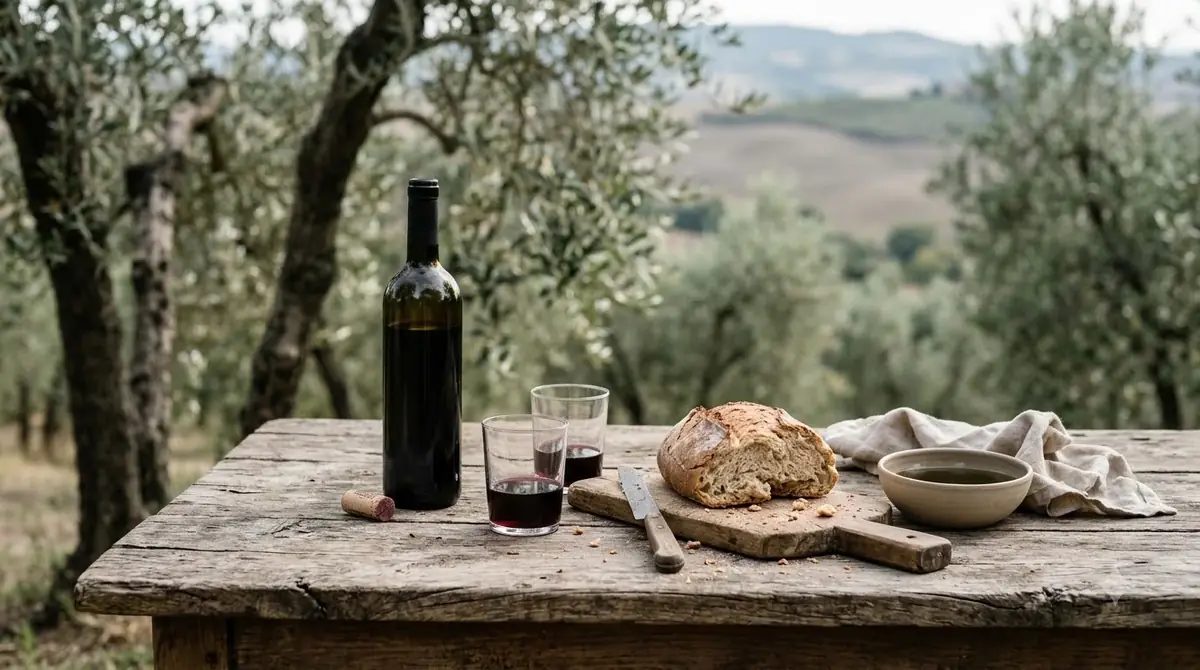
Italian cooking is built around regional ingredients, and the wines of each region grew up alongside the local food. That history gives Italian pairing a strong logic. A tomato-based sauce from Tuscany tastes right with Tuscan red, a seafood pasta from the coast suits a bright white from the same coastline, and a hearty stew from the north pairs with a structured red. This guide walks through the main dish families, the wine styles that suit them, and the principles that make the matches work even when the menu mixes regions.
Why Regional Matching Works So Well
Many classic pairings developed locally, because the food and the wine evolved together over generations. The Wikipedia article on wine and food pairing notes that regional matching is often the best starting template, even if it is not always the perfect pairing. Italian food shows this clearly. The acidity in a Sangiovese, the tannin in a Nebbiolo, and the lively fizz of a Prosecco each suit the dishes that were common in the same places.
The principles behind the matches are the same ones that work anywhere. Acidity cuts through fat and balances tomatoes and olive oil. Tannin softens against protein and fat, so a red with firm tannins suits grilled or braised meat. Weight matters too, so a light wine should go with a light dish and a fuller wine with a heavier one.
Red Wines for Tomato Sauces, Pizza, and Stews
Tomato is the most common base in Italian cooking, and its acidity needs a wine with enough tartness to keep up. Chianti, made mainly from Sangiovese, is the classic partner. Its bright acidity and cherry-like fruit match tomato sauce, pizza, and antipasti without overwhelming them.
| Dish family | Wine style | Why it works |
|---|---|---|
| Tomato pasta and pizza | Chianti, Sangiovese | Acidity matches the tomato and the fruit suits the sauce |
| Meat ragù or bolognese | Chianti Classico, Syrah | Medium to full body and moderate tannin pair with slow-cooked meat |
| Risotto with truffles or osso buco | Barolo | High tannin and acidity cut through butter, marrow, and earthy flavors |
| Hearty meat pizza | Zinfandel | Ripe fruit and structure stand up to sausage and cured meats |
| Grilled or roasted meats | Chianti Classico Riserva, Barolo | Firm tannins soften against protein and fat |
The VinePair pairing guide suggests Chianti for tomato-based pasta sauces, pizza, antipasti, and rustic stews, and it names Barolo for risotto with truffles, pasta bolognese, and osso buco. Zinfandel is recommended for hearty pastas and meat-topped pizzas. Those examples show how the same red can move across several dishes, depending on how the food is seasoned and cooked.
Tip: Serve Chianti and other Sangiovese-based reds slightly cool, which keeps the acidity lively and the fruit fresh next to tomato. A few minutes in the refrigerator before serving is enough.
For a Barolo-centered menu, the guide to Barolo food pairing goes deeper into the richer dishes that suit this wine, including the mushroom and butter-based plates that bring out its structure.
Whites and Sparkling Wines for Seafood and Light Pasta
Coastal Italian food, such as spaghetti with clams, grilled fish with lemon, or a simple pasta with olive oil and garlic, calls for crisp, dry whites. These wines have the acidity to lift the sea flavors and the lightness to keep a simple dish from feeling heavy. Verdicchio, Vermentino, and Pinot Grigio are common choices, and each brings a clean, citrus-tinged profile.
Sparkling wine also plays a role. Prosecco is an Italian sparkler with fresh fruit and a soft bubble that suits fried calamari, cheese boards, and antipasti. VinePair lists Prosecco among wines that suit shellfish and sweet, spicy noodle dishes, which makes it a useful bridge between seafood and salty snacks. A dry Prosecco keeps the meal balanced, while a sweeter one suits dessert.
Pairing Wine With Richer Italian Dishes
Dishes built on butter, cream, cured meats, or slow braises need a wine with more structure. Barolo is the most famous example. Its high acidity and firm tannin cut through rich sauces, and its earthy flavors match truffles, mushrooms, and braised meats. Because Barolo is powerful, it works best with dishes that have enough fat and flavor to match it.
A second option for rich food is Nebbiolo from other areas of Piedmont, or a well-made Chianti Classico Riserva. These wines give the same firm structure at a slightly lower price. For a crisp white that sits outside Italy but suits many of the same dishes, a dry Grüner Veltliner from Austria works well with herbs and vegetable-forward pasta. The Grüner Veltliner food pairing guide explains how its peppery style fits green and herbal plates.
Matching Wine to a Full Italian Menu
Most Italian dinners move through several courses. A typical meal may start with antipasti, continue with a pasta, and end with a main course of meat or fish. The simplest approach is to keep the wine style consistent across the meal or to step up gradually. A crisp Prosecco or a dry white can open the meal, a Chianti can carry the pasta, and a Barolo or a bolder red can finish with the main.
When the menu includes several regional dishes, it helps to choose a wine that has enough acidity to cover them. Italian food is usually built on olive oil, tomato, herbs, and cheese, and acidity handles all of those well. A Sangiovese or a Verdicchio is often a flexible middle ground.
Common Mistakes When Pairing Italian Wine
The most common mistake is serving a very oaky, heavy red with a simple tomato pasta. The oak can dominate the tomato, and the wine can taste harsh. A second mistake is choosing a wine that is too light for a meat-heavy dish. A thin red can disappear next to a braise, leaving the wine feeling unfinished.
Some people also overlook the cheese. Parmesan and aged cheeses are salty and savory, and they can make a wine taste sour or thin if the acidity is too low. A wine with enough body and a bit of fruit usually handles the cheese well. Keep the cheese course in mind when choosing bottles for the table.
Frequently Asked Questions
What wine goes best with Italian food in general?
Sangiovese-based wines such as Chianti are the most versatile choice. Their acidity matches tomato, olive oil, and herbs, and their fruit suits pizza, pasta, and grilled meats. A dry Prosecco or a crisp white is a good option for seafood.
Is Chianti good with pasta?
Yes, especially tomato-based pasta sauces. Chianti’s bright acidity and cherry-like fruit complement tomato, and its moderate tannin keeps the pairing balanced. Lighter, cream-based pasta usually suits a white wine more.
Should I serve Barolo with pizza?
A Barolo is usually too powerful for most pizzas. A lighter Chianti or a Zinfandel with ripe fruit suits meat-topped pizzas better. Barolo is more often matched with risotto, braised meats, or truffle dishes.
Do Italian white wines pair with seafood?
Yes. Crisp whites such as Vermentino and Verdicchio are classic choices for seafood pasta and grilled fish. Their acidity and citrus notes lift the flavors of the sea and keep the dish fresh.
Italian food and wine are made to be enjoyed together, and most of the best matches follow the region. Start with Chianti for tomato dishes, use a crisp white or dry sparkling wine for seafood, and save Barolo for the richest plates. For a broader view of matching wine to food, the wine pairing section covers the main styles and how to choose among them.
More in Food & Wine Pairing
 Risotto With White Wine Recipe: Make a Creamy Dinner at HomeUpdated Nov 20, 2026
 Wassail With Wine Recipe for a Festive Spiced Holiday DrinkUpdated Nov 20, 2026
 Spritz Veneziano Recipe: Make a Classic Venetian Aperitivo at HomeUpdated Nov 20, 2026
 Summer Wine Punch Recipe for Easy Homemade EntertainingUpdated Nov 20, 2026
 Bishop Recipe: How to Make a Bright, Citrus-Forward Red Wine CocktailUpdated Nov 20, 2026
 Wine Cupcakes Recipe: Bake Rich Chocolate Cupcakes at HomeUpdated Nov 20, 2026