

We may earn a commission when you buy through links on this page, at no extra cost to you. Learn more.
Paumanok wine comes from an estate on Long Island’s North Fork, run by the Massoud family since 1983, with Chenin Blanc and Cabernet Franc in its featured lineup. The winery sits in Aquebogue, New York, and its current home page features a crisp white and a range of red Cabernet Franc bottlings. For buyers, the name points to a Long Island producer with a clear focus on a small set of varieties.
Paumanok is a North Fork estate that is worth knowing if you want to compare East Coast bottlings with the big California labels that dominate most shelves. It is a useful brand to understand if you want to compare East Coast bottlings with the big California labels that dominate most shelves. This guide covers the winery’s founding and location, the varieties its pages put forward, how its featured wines are described, and how to choose and serve them. Where the winery does not publish a detail, this guide leaves it out.
Where the Paumanok winery sits and how it started
The winery’s home page describes itself as family-owned since 1983, run by the Massoud family. The page does not name individual family members, the winemaker, or the size of the vineyards, so those details are not covered here. The estate’s address is 1074 Main Road in Aquebogue, New York, on the North Fork of Long Island.
The only history page the home page links to is titled “Our Story,” which also appears as “Explore the Paumanok Legacy.” That page is the place to read the family’s own account of the estate’s early years. Readers who want a broader view of how small family estates fit into the market can start with the Wine Brands guide.
The varieties Paumanok puts forward
The home page features two grapes. Chenin Blanc is the white, and Cabernet Franc is the red that the estate highlights most. Neither page entry lists other varieties, so a buyer looking for a sparkling wine, a rosé, or a Cabernet Sauvignon should check the current range on the site rather than assume it is offered.
The choice of Chenin Blanc and Cabernet Franc gives the estate a clear identity. Chenin Blanc is a white grape that can show crisp acidity in a fresh style, and Cabernet Franc is a red variety that often appears in lighter-bodied bottlings than Cabernet Sauvignon. Those general traits help shoppers form expectations before they open a bottle.
| Featured wine | How the winery describes it | Style notes from the page |
|---|---|---|
| Chenin Blanc 2025 | A fresh, crisp white | Fermented slowly in stainless steel |
| Cabernet Franc 2024 | A medium-bodied red | Firm tannins |
| Grand Vintage Cabernet Franc 2021 | A richer red | Fermented in neutral oak with about half whole berries |
How the featured Cabernet Franc wines differ
The two Cabernet Franc bottlings the home page lists are presented as a step apart in style. The 2024 is described as medium-bodied with firm tannins, which suggests a wine that is structured but not heavy. The Grand Vintage 2021 is described as richer, fermented in neutral oak, and made with about half whole berries, a technique that can add some texture and aromatic character to the finished wine.
Because the page does not give alcohol levels, tasting-note detail, or production volumes, this guide does not add numbers. A buyer comparing the two should look at the vintage and the label description, then decide whether a lighter red or a richer, oak-influenced red fits the meal.
Chenin Blanc and the fresh white style
The 2025 Chenin Blanc is described as fresh and crisp, fermented slowly in stainless steel. Stainless steel fermentation keeps the wine’s fruit character clean and helps preserve freshness, which is why it is common for white wines meant to be drunk young. Chenin Blanc is a grape that can make wines across a wide range of sweetness and style, so buyers should read the label carefully to confirm which style they are getting.
A crisp white like this suits lighter meals, such as salads, grilled vegetables, mild seafood, or soft cheeses. It is also an easy choice for a warm-weather gathering where guests want something refreshing rather than heavy.
How to choose a Paumanok bottle
Start with the meal. A crisp white fits lighter dishes, while a medium-bodied Cabernet Franc fits a range of roasted or grilled foods. The richer Grand Vintage Cabernet Franc suits heartier dishes and gives the table a wine with more structure to work with. If you are unsure, bring one white and one red so guests can compare them with the food.
Check the vintage on the label, since each year’s weather changes the balance of fruit and acidity. Also read the description to see whether the bottle is the standard release or a Grand Vintage bottling, because the two styles can differ in weight and oak character.
Serving and pairing Paumanok wine
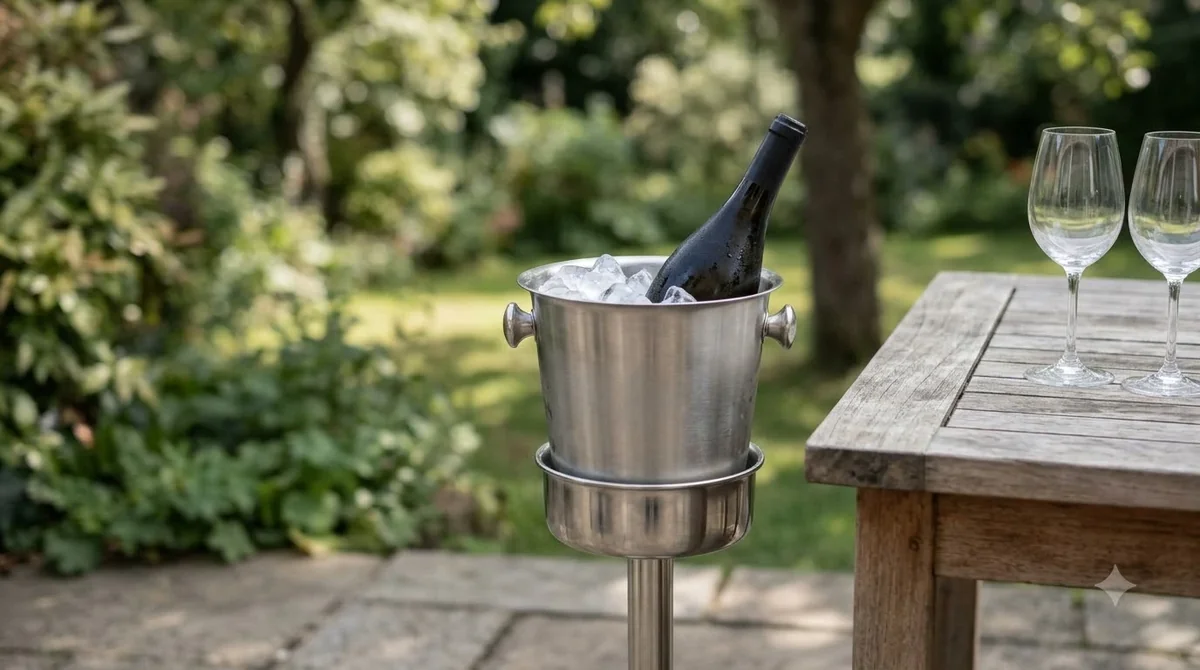
Serve the Chenin Blanc cool but not ice cold, so the aromas stay visible. The Cabernet Franc bottlings are best served a little cooler than room temperature, which keeps the fruit lively and softens the impression of tannin. The richer Grand Vintage can open up with a short time in the glass before dinner.
Cabernet Franc pairs well with roast chicken, pork, tomato-based dishes, and mushroom-heavy meals. Chenin Blanc is a good match for seafood, goat cheese, and vegetable dishes. Matching the wine’s weight to the food’s weight is the simplest rule to follow. Shoppers who want a crisp white or an everyday red to set beside the estate’s bottles often look at 19 Crimes white wine or 14 Hands red wine for comparison, and a side-by-side tasting with those labels can show how the estate’s style differs.
Who Paumanok wine suits
Paumanok is a good fit for buyers who want to try an East Coast estate and learn how Long Island’s varieties differ from the Napa Valley labels that most shoppers know. It also suits readers who like a focused lineup, since the home page presents a small number of wines rather than a long list.
It may be less suited to shoppers who want a broad range of styles from one producer, or who expect a full-bodied, high-alcohol Cabernet Sauvignon. Read the current range on the site before you buy, because the home page highlights only the bottles featured there.
Frequently Asked Questions
When was Paumanok founded?
The home page describes the winery as family-owned since 1983. The page does not give a separate founding date, so 1983 is the earliest date the winery itself states.
Where is Paumanok located?
The winery is on the North Fork of Long Island at 1074 Main Road in Aquebogue, New York. That location places it on the eastern end of the island, away from the California producers most shoppers know.
What wines does Paumanok make?
The home page features a Chenin Blanc and several Cabernet Franc bottlings, including a Grand Vintage release. The page does not list the full range, so check the current catalog for other varieties.
Which Paumanok wine should I try first?
If you want a fresh white, start with the Chenin Blanc. If you prefer red, the Cabernet Franc 2024 is the lighter, medium-bodied option, and the Grand Vintage 2021 is the richer choice for a special meal.
Paumanok gives buyers a clear window into Long Island winemaking, with a family history dating to 1983 and a lineup built around Chenin Blanc and Cabernet Franc. Compare the white and the two red styles with your meal in mind, check the vintage on the label, and see how the estate’s approach differs from the bottles you usually buy. For more brands to compare, the Wine Brands guide is a useful next stop.
More in Wine Brands
 Underwood Wine Price: Compare Bottles, Cans, and Pack SizesUpdated Nov 21, 2026
 Zenato Wine Price: Compare Styles and Choose the Right BottleUpdated Nov 21, 2026
 Zuccardi Wine Price: Compare Bottles and Find the Right RangeUpdated Nov 21, 2026
 Yellow Tail Moscato Review: Taste, Sweetness and Serving TipsUpdated Nov 21, 2026
 Wolf Blass Yellow Label Review: Choose Your Best StyleUpdated Nov 21, 2026
 Wolffer Estate Rose Review: Choose the Right Bottle for Your TableUpdated Nov 21, 2026