

We may earn a commission when you buy through links on this page, at no extra cost to you. Learn more.
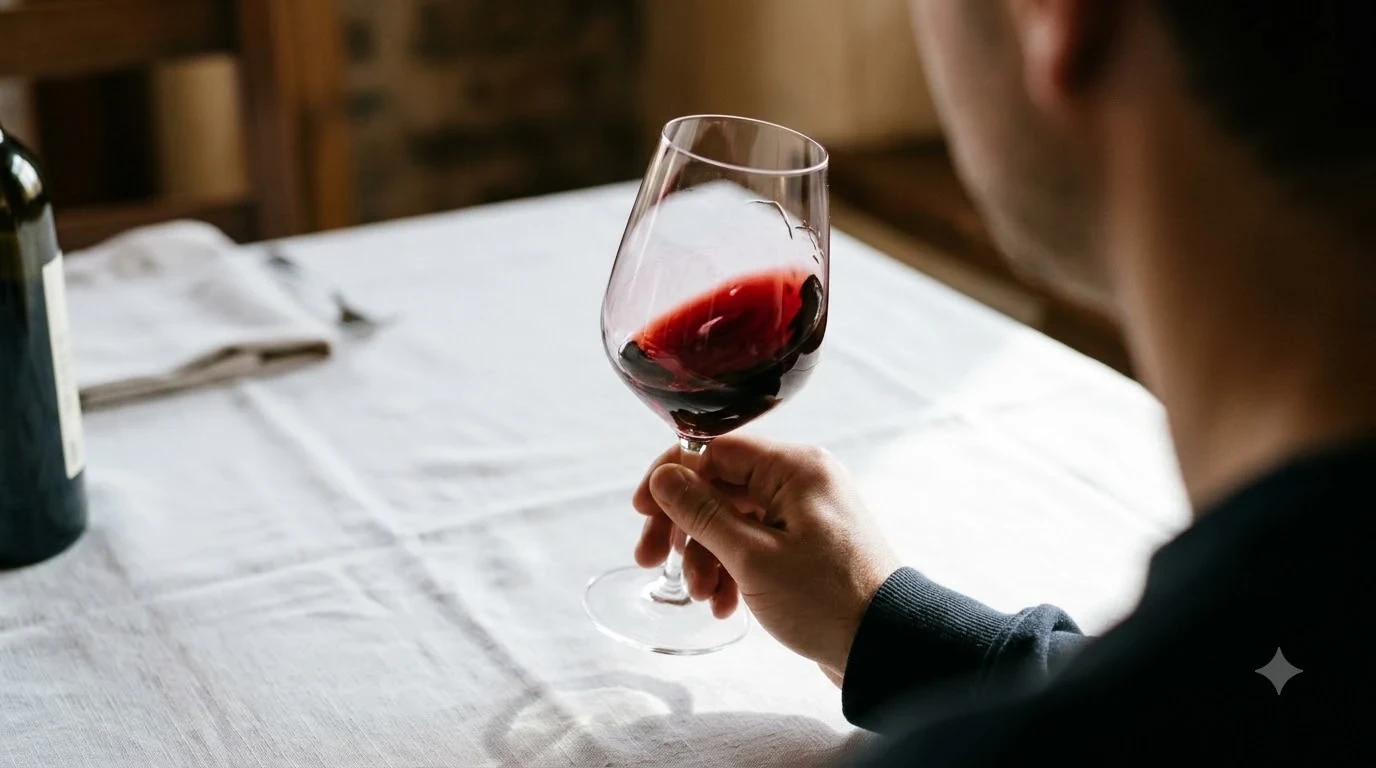
What is red wine? It is wine made from dark-skinned grapes that ferment with their skins, which is where most of its color, tannin and body come from. The skins stay in contact with the juice for days, and this step is the main difference between red and white winemaking. Winemakers can adjust how long that contact lasts to change the final style.
This guide explains how red wine is made, why it looks and feels different from white wine, and which grapes and serving habits are common. If you are new to wine, the sections below give you a clear base before you compare bottles.
How Red Wine Is Made
Red wine starts with red or black grapes that are crushed, and the juice ferments with the skins still present. Yeast turns the sugar in the juice into alcohol, and the skins release color and flavor into the liquid as they sit in it. This stage is called maceration, and it is the step that defines red winemaking.
According to the Orange wine entry on Wikipedia, red wine uses red grapes whose skins stay in contact with the juice for a period of one week to one month. That contact is much longer than the quick pressing used for most white wines. Many producers also remove the stems before fermentation, since stems can add harsh, astringent character.
A peer-reviewed study of Primitivo red wines, published through the National Library of Medicine’s PubMed Central archive, looked at how stems affect the final wine. The researchers found that stems raised tannin levels and added structure. This shows why destemming is a deliberate choice rather than a routine step.
Color, Tannin and Body in Red Wine
Three features set red wine apart: color, tannin and body. Color comes mainly from pigments in the grape skins, which dissolve into the juice during fermentation. Tannin is a natural compound that gives a drying, grippy feeling in the mouth, and body describes how heavy or full the wine feels on the palate.
Pigments tend to come out of the skins first, while tannins build up with longer contact. Tannins come from the skins and also from the seeds, and the extraction continues as long as the grapes stay in the fermenting liquid. Reviewers writing about maceration note that a longer process can increase tannin while reducing some of the bright pigments, so winemakers balance these factors carefully.
A 2026 review of red winemaking maceration techniques explains that the choice of maceration method shapes color stability, astringency and mouthfeel. Shorter maceration usually suits fresh, fruit-forward wines meant for early drinking. Longer maceration is more common for wines built to age, which often show firmer tannins and deeper structure.
Red Wine vs White Wine
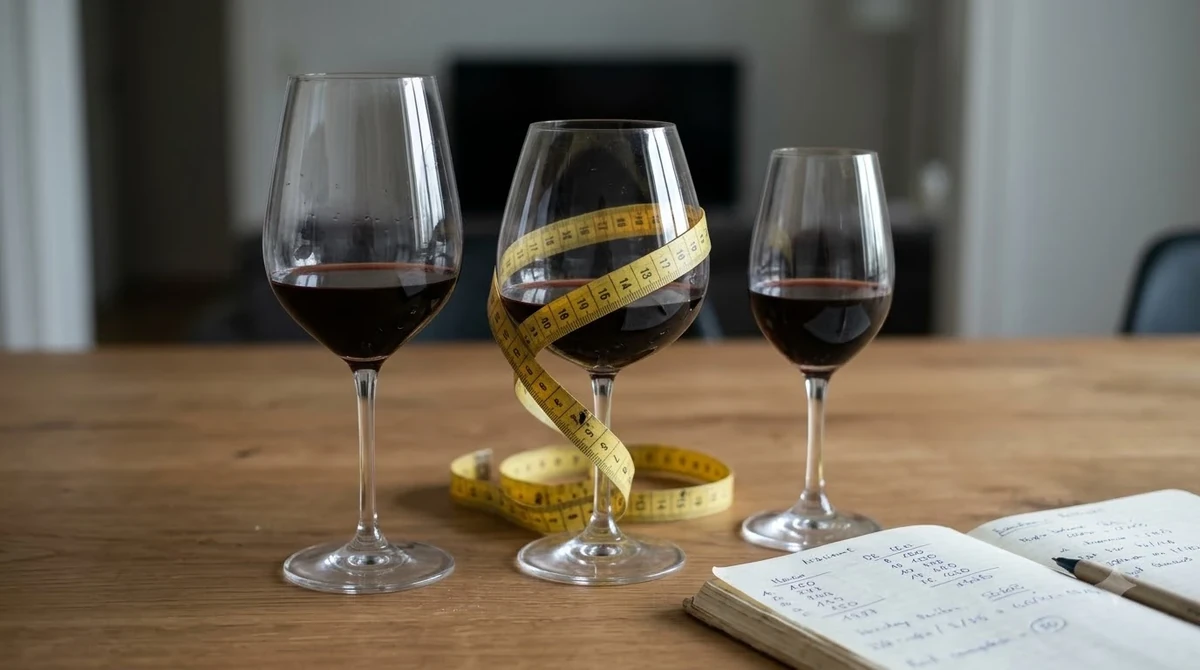
The biggest difference between red and white wine is the time the juice spends with the skins. White wine is usually pressed quickly, so the juice leaves the skins almost right away. The result is a lighter color and a drier, less grippy wine in most cases.
| Feature | Red wine | White wine |
|---|---|---|
| Grapes typically used | Red or black grapes | Green or yellow grapes, sometimes red grapes with skins removed |
| Skin contact | Long, often days to weeks | Very short or none |
| Color | Ranges from ruby to deep purple | Pale straw to golden |
| Tannin | Usually noticeable | Usually low |
| Body | Often fuller | Often lighter |
White wine can be made from red grapes too, as long as the skins are removed before fermentation. Orange wine goes the other way, using white grapes with long skin contact. These exceptions show that skin contact, not grape color alone, drives the style of the finished wine.
When you choose a bottle, look at the style rather than just the color on the label. A red wine with light tannin can feel closer to a fresh white in the mouth, while a bold white with skin contact can feel firmer than expected.
Common Red Wine Grape Varieties
Many red wines are named for the grape used, which makes the label a useful starting point. Some varieties are known for deep color and firm tannin, while others are lighter and more perfumed. Each grape gives a different balance of fruit, acid and structure.
Cabernet Sauvignon, Merlot, Pinot noir, Syrah and Sangiovese are among the best known red varieties. Blends are common as well. Chianti grape information shows how Sangiovese builds a tart, structured Tuscan red, while cabernet-led wines are often firmer and more tannic.
Zinfandel is the name used in California for the same grape known as Primitivo in southern Italy, according to the Primitivo study. The grape can produce ripe, jammy wines with higher alcohol. For white contrasts, a catarratto grape profile shows a white variety with very different skin and tannin behavior, and a colombard grape guide covers another white style that is usually made without skin contact.
Red Wine Styles and How to Serve Them
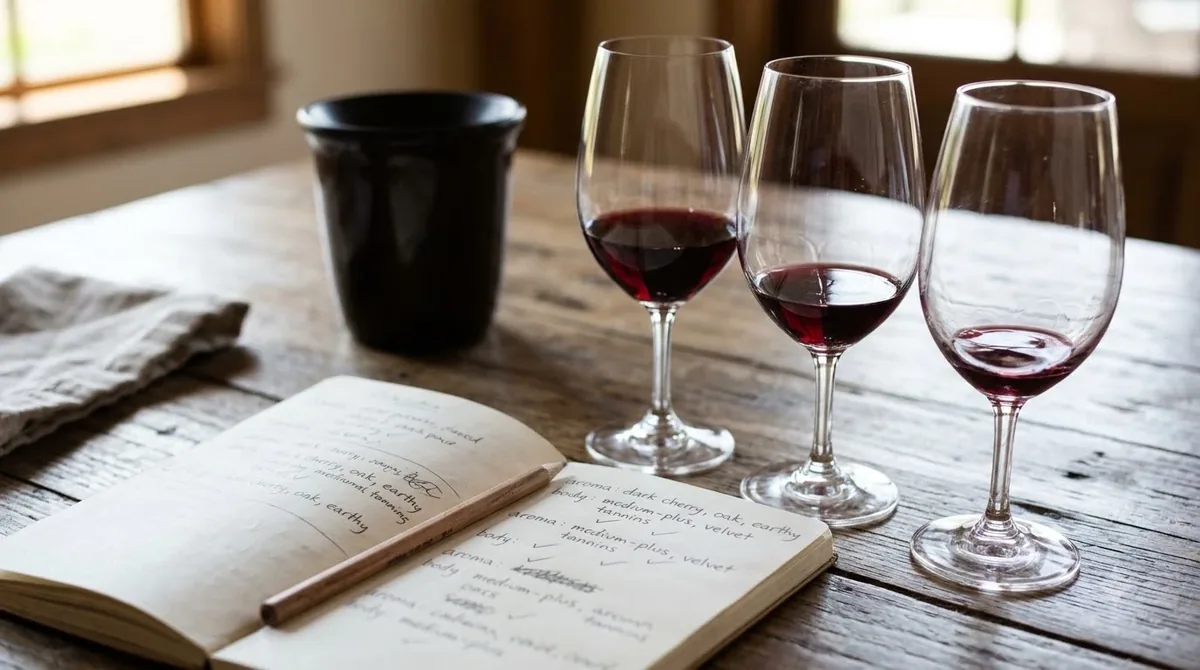
Red wines range from light and fruity to bold and firm, and the style affects how you should serve them. Lighter reds usually show more fruit and less tannin, while full-bodied reds often need more time to soften in the glass.
Serving temperature matters. Many people find that very warm red wine tastes heavy and alcoholic, while a short chill can lift the fruit in lighter styles. Check the label or the producer’s website for suggested serving details, since guidance varies by wine.
Store bottles on their side if they have natural corks, and keep them away from heat and strong light. Decanting can soften a young, tannic wine, and a glass with a generous bowl lets the aroma open. Enjoy red wine in moderation, and never drink and drive.
Tip: If a red tastes too sharp or drying, try serving it slightly cooler and pairing it with food that has fat or salt. Those flavors soften tannin in the mouth.
Food Pairings for Red Wine
Red wine pairs well with foods that match its tannin and body. Tannin tends to soften when it meets protein and fat, which is why red wine and steak are a classic match. Lighter reds suit a wider range of dishes.
Full-bodied reds often work with grilled meats, roasted lamb, and aged cheeses. Medium-bodied reds suit roast chicken, pork, mushroom dishes and tomato-based pasta. Light, fruity reds can accompany salmon, burgers or charcuterie without overwhelming the food.
When in doubt, match the wine’s weight to the dish’s weight. A rich dish needs a wine with enough structure to stand up to it, while a delicate dish calls for a softer red.
Frequently Asked Questions
Is red wine made from red grapes only?
Most red wine is made from red or black grapes, but the color comes from the skins, not the flesh. Some red wines are made from grapes with pale flesh, and white wine can be made from red grapes if the skins are removed quickly. The key factor is how long the juice stays in contact with the skins.
Why does red wine have tannin?
Tannin comes from the skins, seeds and sometimes stems of the grape. It is extracted into the wine during fermentation, especially when skin contact lasts longer. Tannin gives red wine its drying, grippy feel and helps the wine age.
Is red wine always dry?
Most red wines are dry, meaning the yeast has converted nearly all the grape sugar into alcohol. Some sweeter red styles exist, so check the label or the producer’s description if sweetness matters to you. Sweetness is different from body and tannin.
Can I cook with red wine?
Yes, red wine is common in sauces, stews and braises. Cooking with it adds depth and color to the dish. Choose a wine you would be happy to drink, since its flavor will concentrate as it reduces.
Red wine is best understood through its skin contact, which shapes color, tannin and body. Use the grape name and the style on the label to predict how a bottle will taste. To keep learning, explore the Wine by Type section for other styles to compare.
More in Wine Types & Grapes
 Zinfandel Sugar Content: Dry Red vs. White Zinfandel GramsUpdated Nov 21, 2026
 Best Zinfandel Substitute Options for Sipping and CookingUpdated Nov 21, 2026
 Zweigelt Food Pairing: Best Dishes, Cheeses, and Serving TipsUpdated Nov 21, 2026
 Zinfandel Tannins Explained: How Structure Shapes Every BottleUpdated Nov 21, 2026
 Zinfandel Sweetness Level: Dry Red vs. Sweet White Zin ExplainedUpdated Nov 21, 2026
 Xinomavro Food Pairing: Best Dishes, Styles, and Serving TipsUpdated Nov 21, 2026