


We may earn a commission when you buy through links on this page, at no extra cost to you. Learn more.
Sweet red wine for beginners is easiest to find in three places: white Zinfandel-style blush reds made from red grapes, fortified port, and a few Italian reds sold in semi-sweet styles, and each one tastes soft, fruity, and approachable. Most red wines are dry, so a sweet red is usually a deliberate style rather than a standard one. Start with a fruit-forward bottle that lists sweetness on the label, and use the rest of this guide to compare styles before you buy.
Many people who enjoy white wines with a little sweetness find that red wine feels too dry or too tannic. Tannins are the drying compounds in red wine skins and seeds, and they can make a first glass taste harsh. Sweet red wines soften that effect with residual sugar and bright fruit flavors. This guide explains where sweet reds come from, what they taste like, and how to choose one without feeling lost in the wine shop.
What makes a red wine taste sweet
Sweetness in wine comes from residual sugar, the grape sugar that stays after fermentation. Red wines are normally fermented until almost all of that sugar is gone, which is why most reds taste dry. A sweet red is made by stopping fermentation early, by adding a spirit, or by blending in a sweet component. VinePair’s article on sweet wine points out that many wine drinkers treat sweetness as a flaw, even though well-made sweet wines take real skill and balance.
Sweetness is only one part of the picture. A sweet red can still have acidity, tannin, and alcohol, and those elements decide whether the wine feels fresh or heavy. Lower tannin and fruit-forward flavors make a sweet red easier for beginners, while a dense, syrupy red can feel tiring after a glass.
The main types of sweet red wine
There are three common routes into sweet red wine. The first is blush-style red wine, most often White Zinfandel. Wikipedia’s entry on Zinfandel describes it as a semi-sweet rosé made from red Zinfandel grapes, with the juice drained early so the wine stays pink and light. Wine Folly describes it as sweet, with aromas of strawberries, raspberries, cherries, and rich citrus notes. It is one of the most accessible sweet reds because it tastes like a fruit juice with a little alcohol.
The second route is port. Port is a fortified red wine from Portugal, and most styles are sweet. Ruby port is young, fruity, and bright, while tawny port has caramel and nut notes. Port is richer and more alcoholic than a table wine, so a small pour is enough for most people. The sweet port guide explains the styles in more detail.
The third route is less predictable. Some Italian reds, including Lambrusco, are sold in several sweetness levels, but the category does not always say which one you are buying. Wine Folly lists Lambrusco as a dry red with strawberry, blackberry, and rhubarb flavors, so the word sweet does not always apply. Read the label carefully if you want a sweet bottle from this family.
| Style | How sweet it tastes | Good first choice for |
|---|---|---|
| Blush-style red (White Zinfandel) | Clearly sweet and light | Someone new to reds who wants a juicy glass |
| Ruby port | Very sweet and fruity | Dessert and a small after-dinner pour |
| Tawny port | Sweet with nutty softness | Cheese, nuts, or a quiet evening |
| Lambrusco (check the label) | Varies by bottle | Casual meals with pizza or burgers |
How to taste a sweet red for the first time
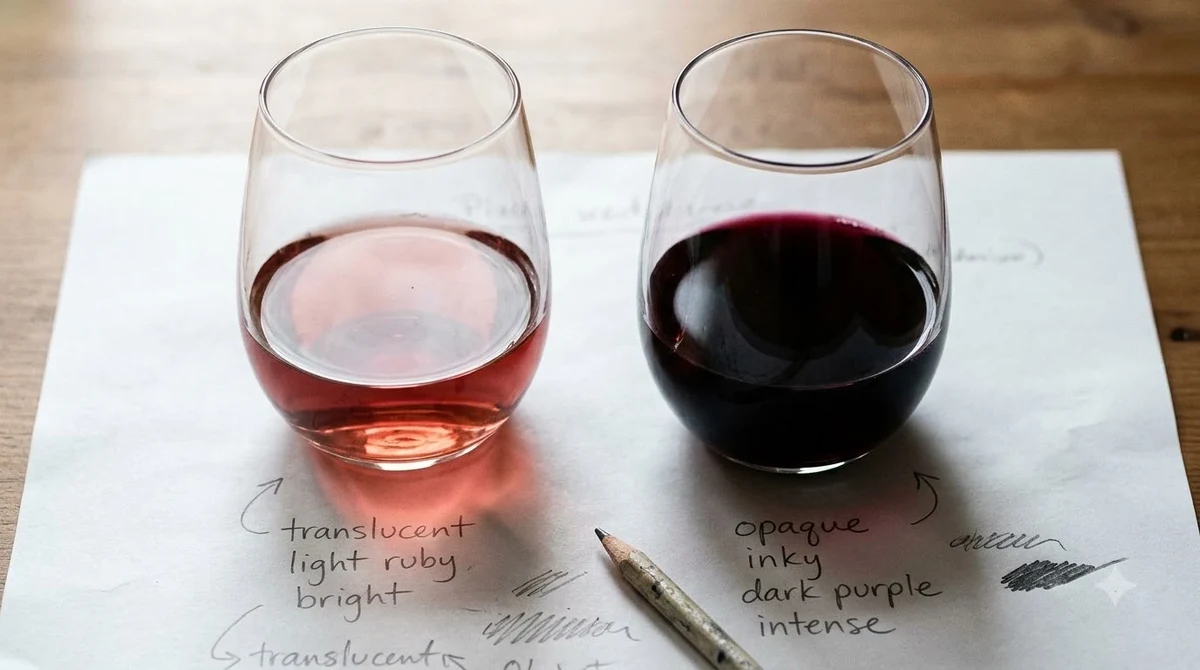
A simple tasting routine helps you learn what you like, and it works for every style in this guide, from a light blush bottle to a glass of port. Pour a small amount, swirl the glass, and smell the wine before tasting. Sweet reds often smell of strawberry, cherry, or raspberry, and the sweetness usually shows up first on the front of the tongue. Take a second sip and notice whether the wine finishes clean or leaves a sticky feeling. A clean finish usually means the acidity is balancing the sugar well.
Serving temperature also changes how sweet a red tastes. Lighter sweet reds such as blush-style wines and Lambrusco are often served slightly cool, while port is usually enjoyed a little warmer than a fridge but cooler than room temperature. Serving a sweet red too warm can make it taste heavier and more syrupy than it is.
Food pairings that suit sweet red wine
Sweet reds work well with food that has salt, spice, or fat. Wine Folly suggests that Lambrusco pairs with almost everything from pizza to burgers, and Prosciutto di Parma and Parmigiano-Reggiano are classic local matches. A blush-style red is a friendly partner for spicy takeout, grilled chicken, or a fruit salad with a little cheese.
Port is best with cheese, dark chocolate, and nuts. Ruby port is a strong partner for sharp blue cheese, and tawny port suits caramel desserts and roasted nuts. Keep the portion small, because the higher alcohol in port can make a second glass feel heavier than the first.
How to choose your first sweet red
Start with the label. Blush-style reds usually say so in the name, and port is always labeled with its style. For other reds, look for words such as sweet, semi-sweet, or dolce in the description, or check the producer’s tasting notes. When in doubt, pick a bottle that mentions fruit, softness, and low tannin, because those notes usually describe a wine that tastes sweet and easy to drink.
It also helps to buy a small bottle first. Sweetness is a personal preference, and a wine that tastes perfect to one person can feel too sugary to another. Once you know which style you like, you can move on to richer or drier options. For another route into sweet wines, the dry sweet white wine guide explains how sweetness works in white wines, and the sweet zinfandel guide covers the blush-style category in more depth.
Frequently Asked Questions
Is there a sweet red wine that is not port?
Yes. White Zinfandel is a blush-style red made from red Zinfandel grapes, and it is sweet. Some Lambrusco bottles are also sold in sweeter styles, though Wine Folly lists the grape as dry, so check the label for the specific bottle.
Why do most red wines taste dry?
Most red wines are fermented until nearly all of the grape sugar has turned into alcohol. Tannins from the skins and seeds then add a drying feel, so the wine tastes dry even when it has a lot of fruit.
Should a sweet red be served chilled?
Light sweet reds such as blush-style wines and Lambrusco are often served slightly cool. Port is usually served a little warmer than a fridge but below room temperature. Serving a sweet red too warm can make it taste heavy.
What food goes with a sweet red wine?
Sweet reds pair well with salty, spicy, or fatty dishes, because the sweetness balances heat and richness on the palate. Lambrusco suits pizza and burgers, blush-style reds work with spicy takeout or grilled chicken, and port is best with cheese, dark chocolate, and nuts.
A sweet red wine is an easy way to get comfortable with red wine. Choose a blush-style bottle, a small port, or a Lambrusco with a clear sweet label, and serve it at a suitable temperature with food that has some salt or spice. Once you know the style you enjoy, you can explore the wider world of sweet and semi-sweet reds with confidence.
More in Wine Buying Guides
 Riesling Gift: Choose a Bottle They’ll LoveUpdated Nov 21, 2026
 Sweet Red Wine Gift: Choose a Bottle They’ll LoveUpdated Nov 21, 2026
 Malbec Gift: How to Choose a Memorable Bottle for Any OccasionUpdated Nov 21, 2026
 Sherry Gift Ideas That Match Every Wine LoverUpdated Nov 21, 2026
 Moscato Gift: How to Choose a Sweet Wine They’ll LoveUpdated Nov 21, 2026
 Merlot Gift: How to Choose a Bottle They’ll AppreciateUpdated Nov 21, 2026