

We may earn a commission when you buy through links on this page, at no extra cost to you. Learn more.
Hugel wine is made by the Hugel family winery in Riquewihr, Alsace, France, and the range is built on Riesling, Gewürztraminer, Pinot Gris, and Pinot Noir. According to the winery’s history as summarized in reference sources, the house was founded in 1639 and has stayed in the hands of the Hugel family since then. Its regular range is dry, while a small group of sweet wines covers the late-harvest and botrytis styles.
If you see Hugel on a wine list or a shop shelf, the name can seem unfamiliar next to better-known French labels. This guide explains where Hugel wine comes from, which styles sit in its range, how each one tends to taste, and how to serve and pair a bottle. It does not rank one bottle above another, because the best choice depends on what you enjoy and what you plan to eat.
A family winery with a long Alsace history
Alsace is a narrow wine region along the eastern edge of France, bordering Germany, and its wines are often labeled by grape variety rather than by a single village name. Hugel is one of the region’s long-established family houses. The company’s history places its founding in 1639, when Hans Ulrich Hugel set up the business in Riquewihr, a small walled town in the Alsace wine country. The family has kept control of the business for centuries, which is unusual in a wine market where many labels change hands.
The winery moved to its present site in the town centre in 1902. Visitors to Alsace often treat a house like this as a useful reference point, because its wines show how the region’s traditional grapes are handled by a single family across several generations.
The grapes and where they grow
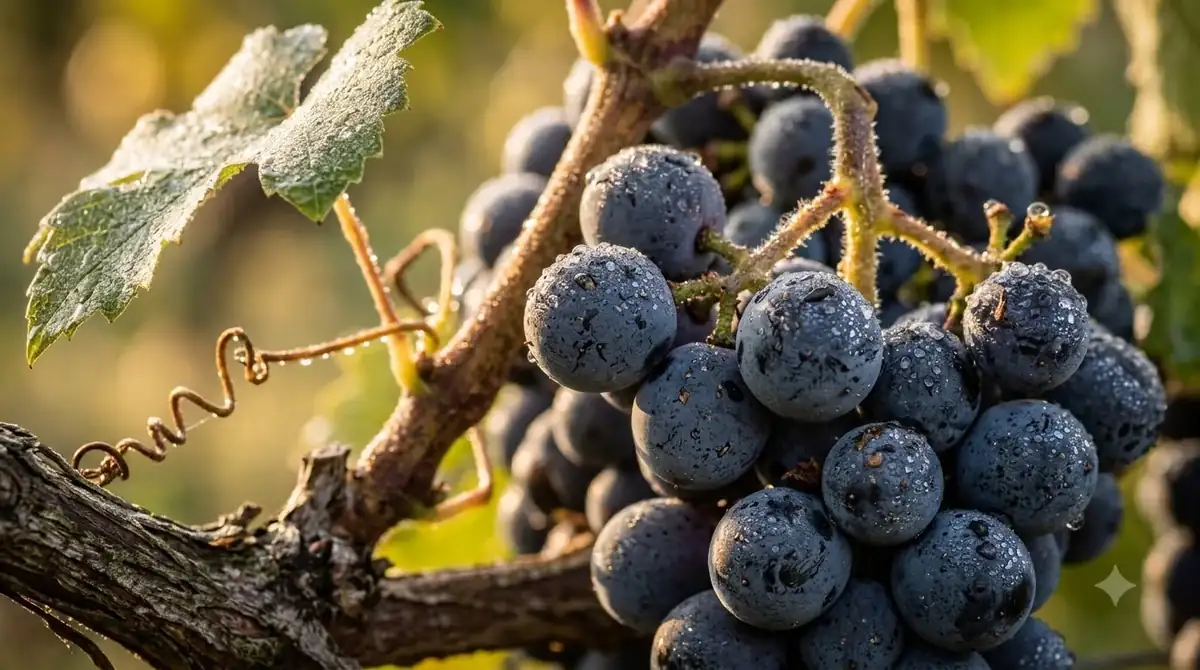
Hugel’s wines are closely tied to specific vineyards. The Hugel et Fils history names Schoenenbourg as the site where Riesling is grown, Sporen as the site for Gewürztraminer, and Pflostig as the vineyard for Pinot Gris and Pinot Noir. Naming a vineyard on the label tells the buyer that the wine comes from one defined plot rather than a blend of many growers’ fruit, and that matters for flavor because soil, slope, and sun exposure shape each grape differently.
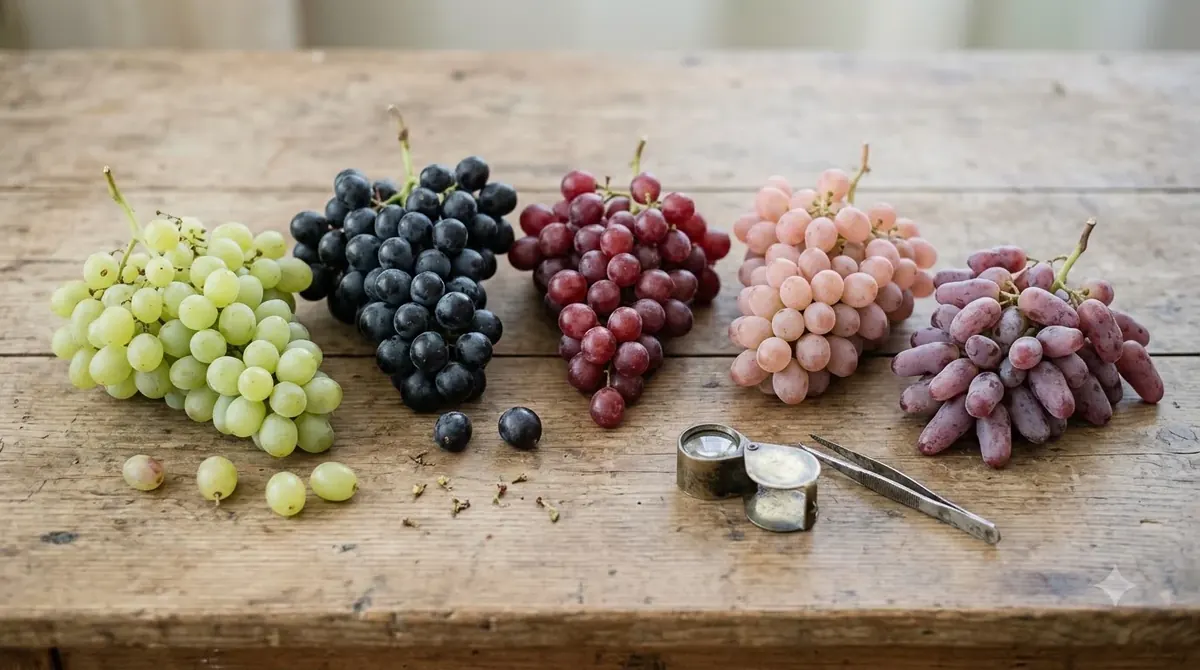
Riesling is the grape most closely linked to Alsace. In its dry form it usually shows citrus, green apple, and a stony mineral edge, with lively acidity that keeps it fresh. Gewürztraminer is more aromatic, often with lychee, rose petal, and spice. Pinot Gris tends to offer a fuller, rounder texture with notes of pear and honey. Pinot Noir from Alsace is a lighter red than the Burgundy version many people know, and it is usually served slightly cool.
| Grape | Typical aromas and flavors | Body and acidity | Good with |
|---|---|---|---|
| Riesling | Citrus, green apple, wet stone | Light to medium, high acidity | Pork, shellfish, spicy Asian dishes |
| Gewürztraminer | Lychee, rose petal, ginger | Medium to full, low to moderate acidity | Mild cheese, roast pork, curry |
| Pinot Gris | Pear, honey, baked apple | Medium to full, soft acidity | Roast chicken, creamy pasta, salmon |
| Pinot Noir | Red cherry, raspberry, earth | Light red, fine tannins | Roast duck, mushrooms, grilled salmon |
Because the table is a general guide, check the label before you buy. A bottle that names a single grape will usually taste closer to that variety’s typical character, while a wine with a house name may be a blend or a style built around the winery’s own approach.
Tip: Alsace whites are often served cooler than many people expect. Pour them straight from the refrigerator and let the glass warm for a few minutes if the aromas seem muted.
The dry range and the sweet wines
The regular Hugel range is always dry. Its dry lineup includes the Classic, Tradition, and Jubilée labels. The Classic is the entry point for most shoppers, and it shows the house style in a straightforward way. Tradition sits between the Classic and Jubilée in the company’s list, and it is the level that uses what the company calls the four noble white grapes of Alsace, which are Riesling, Gewürztraminer, Pinot Gris, and Muscat. Jubilée is the third label in that list.
The sweet wines are a separate category. Hommage Jean Hugel was introduced with the 1997 vintage and is named for a member of the family. Vendange Tardive is a late-harvest style, made from grapes left on the vine longer so that their sugar levels rise. Sélection de Grains Nobles is made from individually selected grapes, often affected by noble rot, a fungus that concentrates sugar and adds honeyed complexity. These sweet bottles are usually sipped on their own or with dessert, and they should be stored carefully because their flavors can change over time.
How to serve Hugel wine
For dry Riesling and Pinot Gris, a temperature a little cooler than a standard white wine helps the acidity and the fruit come into balance. Pour a small amount first and wait a minute, because very cold wine can taste closed and hard. Gewürztraminer can be served slightly warmer, which allows its perfume to come through more fully.
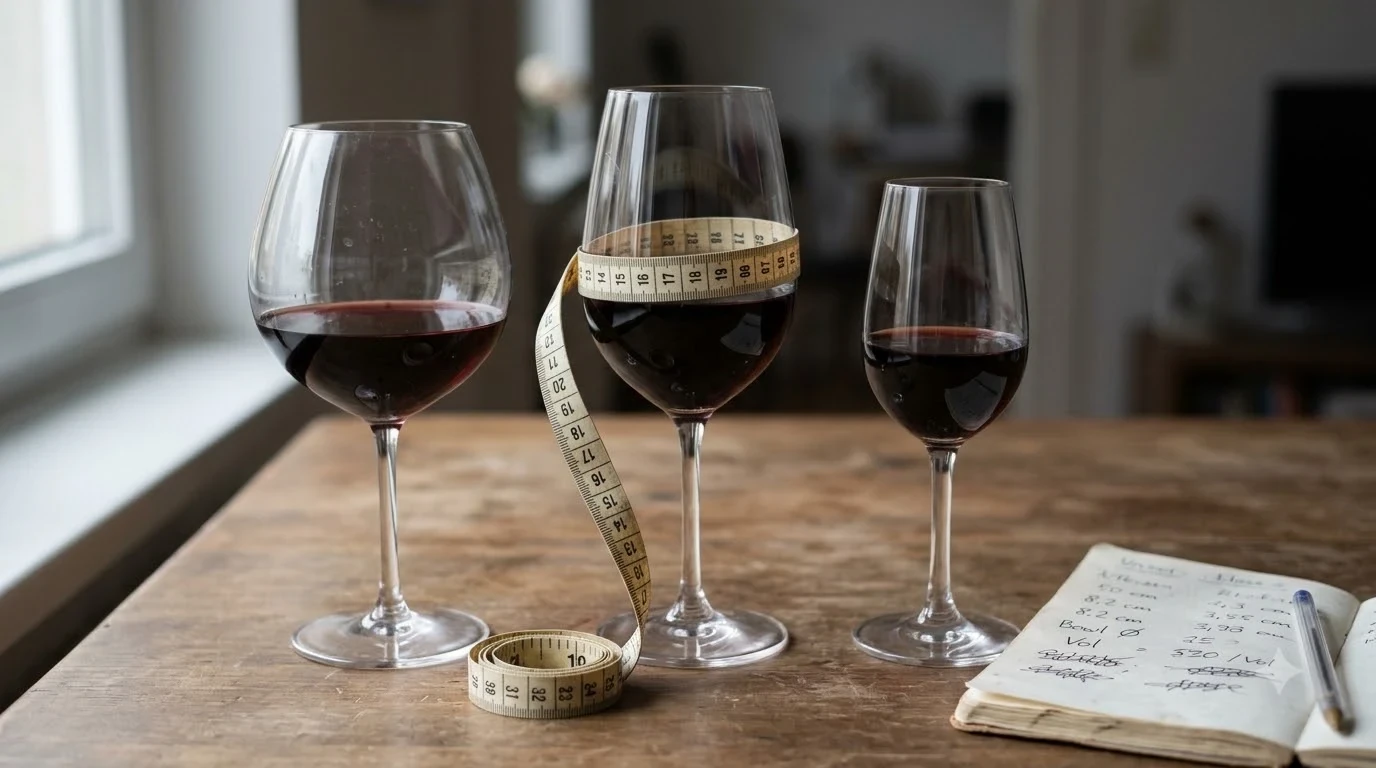
Use a tall, slim white wine glass for Riesling, which keeps the aromas focused. A wider glass can suit richer Pinot Gris or Tradition-level bottles. For the sweet wines, a small glass limits how much you pour and keeps the sugar from feeling heavy. The VinePair wine 101 guide explains how glassware and temperature change what you taste, and it is a useful reference for beginners learning the same habits.
Open dry whites within a few days of the first pour, keeping the bottle sealed and refrigerated between glasses. Sweet wines keep longer when stored cool and corked, though a half bottle is easier to finish than a full one once opened.
Food pairing for Hugel wines
Alsace whites are famous for their food flexibility. Dry Riesling works with fish, shellfish, and light Asian dishes, because its acidity cuts through rich sauces and its citrus notes lift delicate flavors. It also pairs well with pork and ham, which share a savory note with the wine’s mineral edge.
Gewürztraminer is the choice for spicier food. Its aromatic profile suits curries, smoked meats, and strong cheeses such as washed-rind types. Pinot Gris fits creamy pasta, roast chicken, and salmon, since its softer texture matches richer dishes without overpowering them. Pinot Noir from the region is a good match for roast duck, mushrooms, and grilled salmon, and it stays light enough for a mild dinner.
Sweet wines suit fruit desserts, blue cheese, and foie gras in traditional menus. Pair a late-harvest style with a simple tart or pear dessert so the sweetness does not overwhelm the plate.
How to choose a Hugel bottle
Start with the grape you already like. A Riesling drinker can move to Tradition or Jubilée to explore more depth, while someone who prefers round, fruity whites may enjoy Pinot Gris. Gewürztraminer suits buyers who like perfume and spice, and sweet wines suit people who want a dessert bottle rather than a meal wine.
Check the vintage and style on the label. Dry Alsace whites can age well, and a Riesling with several years of bottle age may show more richness and a honeyed note. Younger bottles tend to be brighter and more immediate. If you are unsure, a Classic-level dry wine is a reasonable starting point, and you can compare it with a Tradition-level bottle later.
For wider context on how wine brands and producers are organized, the Wine Brands section of this site covers the basics. If you want a comparison with a different style of white, the 19 Crimes white wine range offers a contrast in both production and flavor.
Frequently Asked Questions
Is Hugel wine dry or sweet?
The regular Hugel range is dry, including the Classic, Tradition, and Jubilée labels. Sweet wines such as Vendange Tardive and Sélection de Grains Nobles are a separate category, so check the label before you buy if you want a dessert style.
What grapes does Hugel use?
The winery’s history names Riesling, Gewürztraminer, Pinot Gris, and Pinot Noir among its grapes, grown in named vineyards. The Tradition level uses the four noble white grapes of Alsace.
Where is Hugel located?
Hugel is based in Riquewihr, a town in the Alsace wine region of eastern France. The winery moved to its current site in the town centre in 1902.
How should I serve Hugel Riesling?
Serve dry Riesling chilled but not icy, in a tall glass that keeps the aromas focused. Let it warm slightly in the glass if the first sips taste too sharp or closed.
Hugel wine rewards a little curiosity. Start with a dry Classic to learn the house style, then move up to Tradition or Jubilée if you want more depth, or try a sweet late-harvest bottle with dessert. Reading the grape and the style on the label will get you closer to the wine you enjoy most.
More in Wine Brands
 Underwood Wine Price: Compare Bottles, Cans, and Pack SizesUpdated Nov 21, 2026
 Zenato Wine Price: Compare Styles and Choose the Right BottleUpdated Nov 21, 2026
 Zuccardi Wine Price: Compare Bottles and Find the Right RangeUpdated Nov 21, 2026
 Yellow Tail Moscato Review: Taste, Sweetness and Serving TipsUpdated Nov 21, 2026
 Wolf Blass Yellow Label Review: Choose Your Best StyleUpdated Nov 21, 2026
 Wolffer Estate Rose Review: Choose the Right Bottle for Your TableUpdated Nov 21, 2026