

We may earn a commission when you buy through links on this page, at no extra cost to you. Learn more.
Andre champagne alcohol content is not listed in the sources reviewed for this guide, so check the label or the producer’s product page for the exact figure on a specific bottle. André is a sparkling wine brand owned by Gallo, and its range includes styles that run from dry Brut to noticeably sweet bottles. This guide explains what affects alcohol in a sparkling wine and how to check the label.
Shoppers searching for André alcohol content usually want a simple number, but the brand’s product information does not give one in the pages reviewed here. That makes it important to read the label on the bottle in your hand. This page explains what the brand is, which styles it covers, and how alcohol and sweetness relate in sparkling wine. For a related comparison, the Barefoot Pinot Grigio alcohol content guide shows how alcohol can vary between styles of the same kind of wine.
What André Is and Who Makes It
André is a sparkling wine brand owned by Gallo, the American winery headquartered in Modesto, California. Gallo was founded in 1933 by Ernest and Julio Gallo, and the company is described as the largest family-owned winery in the United States. The brand has been one of the best-selling American sparkling wine labels, and in 2018 it was among the top sellers in that category.
Because André is a large-volume brand, the bottles on the shelf can vary by style, region, and release. The brand name alone does not tell you the exact alcohol content, so the bottle label or the product detail page remains the most reliable source for a specific wine.
The Main André Styles
The Gallo reference material lists several André styles, including Brut, Extra Dry, Cold Duck, Blush, Spumante, Strawberry, and a peach-flavored California Champagne. The names signal different levels of sweetness and flavor, so the style matters more than the brand when you compare bottles.
The California Champagne is described as bulk-fermented, a method that is quicker and less expensive than the traditional method used for premium sparkling wine. One expert quoted in the reference material described the peach style as tasting like ginger ale and as sweet, which gives a sense of the flavor profile for drinkers who want something soft and fruity.
| Style name | What the name suggests |
|---|---|
| Brut | Dry, the least sweet sparkling style on the list |
| Extra Dry | Slightly sweeter than Brut, despite the name |
| Blush | Pink or rosé style with fruit notes |
| Spumante | Italian term for sparkling; sweetness varies |
| Cold Duck | Sweet, fruit-forward sparkling blend |
| Peach California Champagne | Sweet, fruit-flavored, bulk-fermented |
Why Alcohol and Sweetness Are Not the Same Thing
Many people assume a sweeter sparkling wine has more alcohol, but the two are separate measures. Alcohol is measured as alcohol by volume, while sweetness comes from residual sugar left after fermentation. A sweet wine can have a moderate alcohol level, and a dry wine can be stronger or lighter depending on how it was made.
That is why the style name on the bottle is a clue about taste, not a reliable guide to strength. If you need the exact alcohol figure, the label is the source to trust. Compare two bottles of similar style side by side on the label, and you will see the actual percentage printed for each.
How to Find the Alcohol Content on the Bottle
Start with the back label. The alcohol by volume figure is usually printed with the other mandatory information, such as the producer name, the bottler, and the net contents. If the label is hard to read, the producer’s product page or the retailer’s listing may give the same figure in a more accessible format.
If you cannot find a number, do not guess from the brand name or the style. Ask the retailer, or use the bottle’s product code to look up the current release. Bottles can change over time, so the number on an older bottle may differ from the one on a new release.
Serving and Pairing an André Sparkling Wine
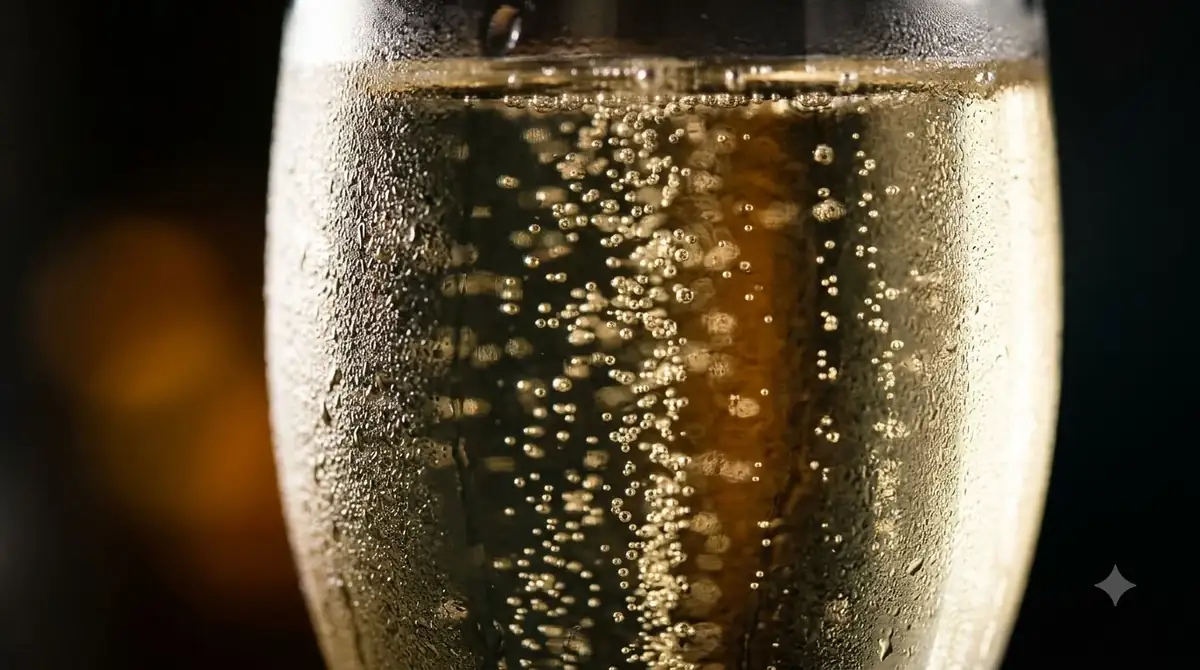
Serve sparkling wine well chilled in a flute or tulip glass, which helps keep the bubbles lively. Dry styles such as Brut suit appetizers, salty snacks, and light seafood. Sweeter styles, including Blush and the peach California Champagne, pair better with fruit desserts or are enjoyed on their own.
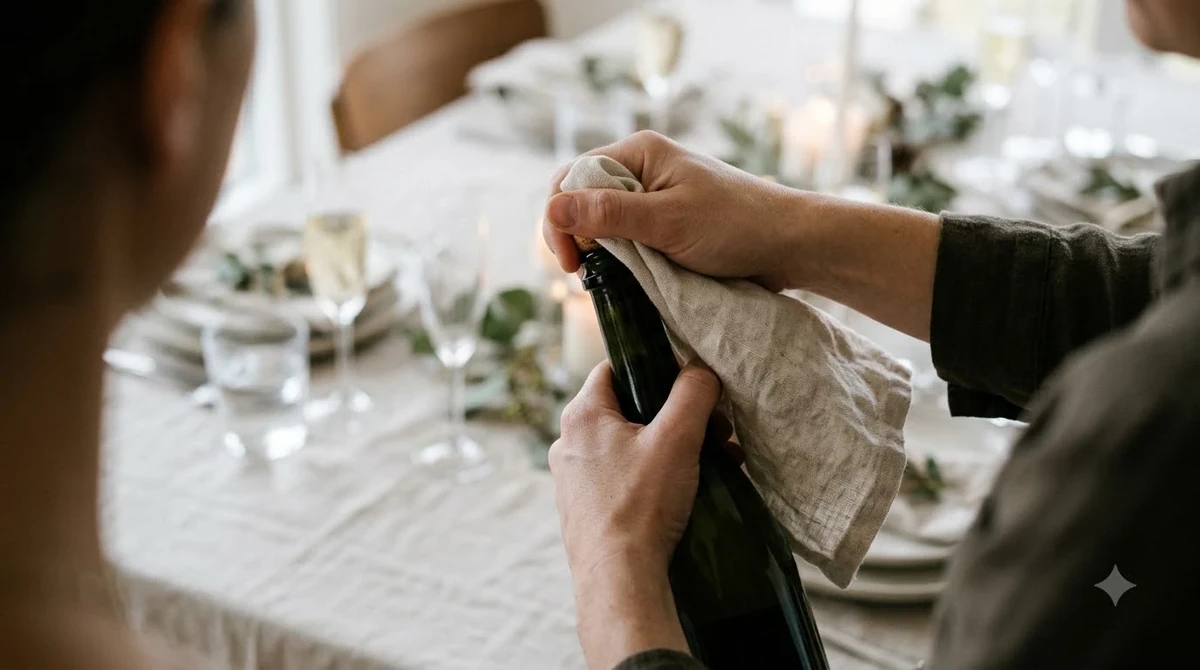
Once opened, keep the bottle sealed with a proper sparkling wine stopper and refrigerated. The bubbles fade within a day or two, so plan to finish the bottle quickly for the best experience.
Tip: Match the style to the occasion. A dry Brut works for a toast, while a sweeter style suits brunch or a dessert table.
Comparing Sparkling Wine Labels Step by Step
When you compare sparkling wine labels, go through the same checklist for each bottle. Start with the style name, because it tells you whether the wine is dry, off-dry, or sweet. Next, find the alcohol by volume figure on the back label. Then check the producer, the country or state of origin, and any note about the production method. Doing this consistently makes it easier to tell two similar bottles apart.
Use the style name as a first filter. A dry style will usually taste crisper and less fruity, while a sweeter style will taste rounder and more dessert-like. Neither is better in general; the right choice depends on the food and the mood. A sweet sparkling wine works with fruit or cake, and a dry one suits savory appetizers and toasts.
Next, read the alcohol figure as a separate data point. A sparkling wine with a lower alcohol number may feel lighter, but that is not guaranteed, because body, sugar, and acidity all shape how the wine feels in the mouth. The label figure is the one fact you can check directly on the bottle, so trust it over assumptions about the style.
Finally, store the bottle properly before you open it. Keep it upright, away from heat, and cool until serving. Once opened, use a sparkling wine stopper and refrigerate it. The bubbles fade quickly, so a bottle opened for a small gathering should be finished the same day for the best taste.
Frequently Asked Questions
What is the alcohol content of Andre Champagne?
The pages reviewed for this guide do not publish a specific alcohol by volume figure. Check the back label of the bottle or the producer’s product page for the exact percentage of the release you are buying.
Is Andre Champagne sweet?
It depends on the style. Brut and Extra Dry are the drier names on the list, while Cold Duck, Blush, Spumante, and the peach California Champagne are generally sweeter.
Does a sweeter sparkling wine have more alcohol?
Not necessarily. Sweetness comes from residual sugar, while alcohol by volume is a separate measure. The label gives the actual alcohol figure for each bottle.
Who makes Andre sparkling wine?
André is owned by Gallo, the family-owned winery based in Modesto, California. The company was founded in 1933 by Ernest and Julio Gallo.
Andre sparkling wine ranges from dry to clearly sweet, and the alcohol figure is best confirmed on the bottle in your hand. Use the style name as a guide to taste, read the label for strength, and match the bottle to the occasion. For more on how alcohol content works across other wines, read the Carlo Rossi wine alcohol content guide or the Chateau Ste. Michelle Riesling alcohol content guide. The Gallo background is available on Wikipedia’s André wine article.
More in Wine Brands
 Underwood Wine Price: Compare Bottles, Cans, and Pack SizesUpdated Nov 21, 2026
 Zenato Wine Price: Compare Styles and Choose the Right BottleUpdated Nov 21, 2026
 Zuccardi Wine Price: Compare Bottles and Find the Right RangeUpdated Nov 21, 2026
 Yellow Tail Moscato Review: Taste, Sweetness and Serving TipsUpdated Nov 21, 2026
 Wolf Blass Yellow Label Review: Choose Your Best StyleUpdated Nov 21, 2026
 Wolffer Estate Rose Review: Choose the Right Bottle for Your TableUpdated Nov 21, 2026