

We may earn a commission when you buy through links on this page, at no extra cost to you. Learn more.
Hess red wine comes mainly from the Hess Persson Estates vineyards on Mount Veeder, in the hills west of Napa Valley, and the reds lean on Cabernet Sauvignon and Malbec. The family says it has farmed and made wine at the estate since 1978. Under the same family umbrella sit several brands, so the label on the bottle tells you which line you are buying.
If you have seen the name Hess on a restaurant list or a grocery shelf, you may wonder how the red wines fit together. This guide explains where the reds come from, how the brand names differ, which styles to expect, and how to serve and pair a bottle. The goal is to help you read a label with confidence rather than to rank one bottle above another.
Where Hess red wine comes from
The estate sits on Mount Veeder, a mountain appellation west of the main valley floor. According to the family’s own website, the property is on Redwood Road in Napa, and the family has been farming and making wine there since 1978. Mountain vineyards are often steeper and rockier than valley-floor sites, and growers in these hills typically describe their fruit as more structured, with firmer tannins and a tighter acid backbone than wine from the flatter parts of Napa.
Hess Persson Estates describes two generations of vintners behind the wines, which is a useful clue for how the brand has developed. Instead of one single label, the estate sells under several names, including The Hess Collection, Lion Tamer, and Panthera. Each name can point to a different line or style, so reading the full label before you buy saves guesswork.
The main red varieties and styles
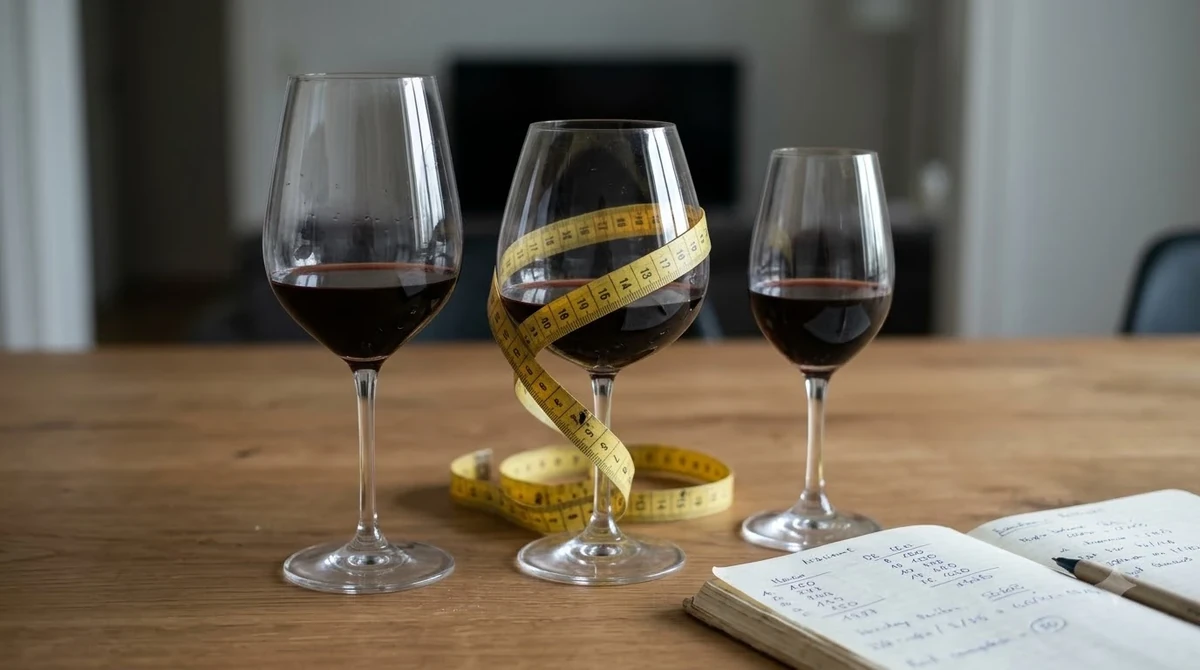
The estate’s public materials highlight Cabernet Sauvignon and Malbec as its reds, and they also feature Chardonnay on the white side. Cabernet Sauvignon is the variety most people associate with Napa, and it usually shows dark fruit such as blackcurrant and blackberry, with cedar, graphite, and oak spice. Malbec is more often linked with Argentina, but it can bring plum, dark cherry, and a plush texture that makes it approachable early in its life.
The table below gives a rough guide to what each red style tends to taste like. These descriptions reflect common characteristics of the grapes in cool, mountain conditions rather than tasting notes for any single vintage.
| Red style | Typical aromas and flavors | Body and structure | Best matched with |
|---|---|---|---|
| Cabernet Sauvignon | Blackcurrant, blackberry, cedar, graphite | Full-bodied, firm tannins, lively acidity | Grilled steak, aged cheese, roasted lamb |
| Malbec | Plum, dark cherry, violet, mild spice | Medium to full-bodied, softer tannins | Burgers, roast chicken, grilled vegetables |
| Mountain-grown blends | Dark fruit with herbal and mineral notes | Structured, savory finish | Braised meats, mushroom dishes |
Labels can be confusing, so check the variety and the appellation. A wine labeled with a single variety must meet the rules set for that variety in its region, while a blend will list the grapes or simply use a house name. If the bottle says Mount Veeder, the fruit comes from the mountain rather than the valley floor, and that usually points to a firmer, more concentrated style.
Tip: Mountain reds often benefit from a few extra minutes of air before the first glass. Give a young, tannic bottle some time in the glass before you judge it.
How to serve Hess red wine
Most full-bodied reds from Napa taste best a little below what many people call room temperature. In a warm kitchen, a bottle can taste flat and boozy, while a bottle that has been chilled a little can show more fruit and balance. A brief stay in the refrigerator before serving often helps, and it is easy to correct if the wine feels too cool.
Use a large bowl-shaped glass so the aromas can open. VinePair’s wine 101 guide covers the same basics of glassware, temperature, and decanting for beginners. Decanting is useful for younger Cabernet-based bottles that still have firm tannins. Pour the wine into a clean decanter about thirty minutes before dinner, or simply let it breathe in the glass. Older bottles usually need less time, and they can lose their fruit if they sit in air for too long, so taste as you go.
Food pairing ideas
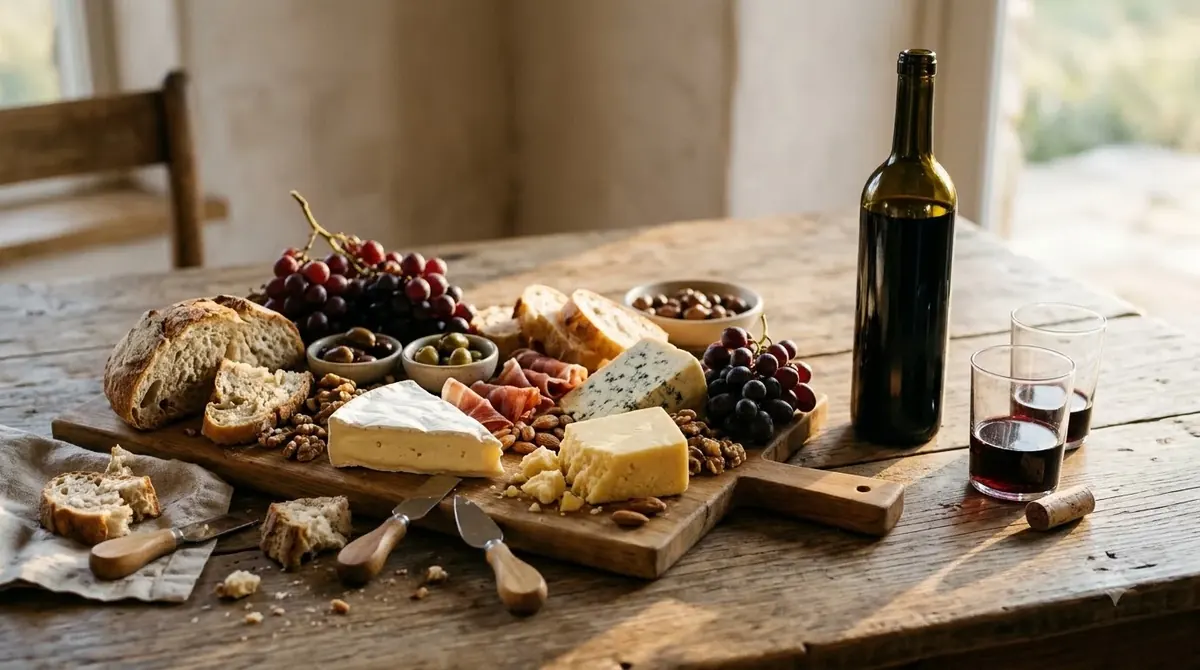
Cabernet Sauvignon pairs best with foods that have enough fat and protein to soften its tannins. Grilled beef, lamb chops, and aged hard cheeses such as cheddar or Gouda are classic choices. Mushroom dishes and rich tomato sauces also work well because their savory notes echo the wine’s earthy edge.
Malbec is more flexible. Its softer tannins and juicy fruit suit barbecue, roast chicken, and sausages. A simple dish of grilled peppers or a bowl of black bean stew can also make the wine taste brighter. Avoid very spicy food with a high-tannin red, because heat can make tannins feel harsher and hide the fruit.
How to choose a bottle
Start with the full label rather than the name alone. If you are comparing against other shelf brands, the 19 Crimes red range is a different style to weigh. The Hess Collection line is the name most shoppers see, and it tends to offer a broad selection of red varieties. Lion Tamer and Panthera appear under the same family umbrella, so comparing back labels and vintage years is the fastest way to see the differences.
Next, think about when you plan to drink the bottle. Younger Cabernet Sauvignon can be fun with dinner tonight, while a bottle with several years of bottle age may suit a special meal. Malbec is often ready sooner and may suit a casual weeknight better. If you are buying as a gift, a recognizable label and a clear variety name are usually the safest choice.
Storage matters too. Keep bottles on their side in a cool, dark place away from heat and sunlight. Once opened, a red wine lasts a few days with the cork pushed back in and the bottle refrigerated, though the fruit fades steadily.
Frequently Asked Questions
Is Hess red wine made in Napa Valley?
According to the Hess Persson Estates website, the estate is on Mount Veeder in the hills west of Napa, and it describes its wines as coming from that estate. Check the back label for the exact appellation on any bottle you buy.
What is the difference between The Hess Collection and Lion Tamer?
Both names sit under the same family estate, but each label usually signals a different line and style. Compare the variety, vintage, and appellation printed on the bottle, since these details tell you more than the brand name alone.
Which red grape is most common in Hess reds?
The estate’s public materials highlight Cabernet Sauvignon and Malbec as its reds. Cabernet Sauvignon is the variety most often associated with the Napa mountain style, while Malbec tends to be softer and fruitier.
Should I decant Hess red wine?
Younger, structured bottles often benefit from decanting or a long time in the glass. Older bottles usually need less air, so open them closer to serving time and taste to decide.
Hess red wine is easiest to enjoy when you know which label you are holding. Read the variety, the appellation, and the line name, then match the bottle to the meal and the occasion. For more background on how brands and estates are organized, browse the Wine Brands section of this site, and see 14 Hands red wine if you want to compare another widely sold red.
More in Wine Brands
 Underwood Wine Price: Compare Bottles, Cans, and Pack SizesUpdated Nov 21, 2026
 Zenato Wine Price: Compare Styles and Choose the Right BottleUpdated Nov 21, 2026
 Zuccardi Wine Price: Compare Bottles and Find the Right RangeUpdated Nov 21, 2026
 Yellow Tail Moscato Review: Taste, Sweetness and Serving TipsUpdated Nov 21, 2026
 Wolf Blass Yellow Label Review: Choose Your Best StyleUpdated Nov 21, 2026
 Wolffer Estate Rose Review: Choose the Right Bottle for Your TableUpdated Nov 21, 2026