

We may earn a commission when you buy through links on this page, at no extra cost to you. Learn more.
Low sugar sauvignon blanc is a dry white wine, and most bottles of this grape already carry very little residual sugar, so the simplest way to get one is to choose a dry style from a cool-climate region and check the producer’s technical sheet when it is published. Sauvignon blanc is naturally crisp, and its high acidity keeps the wine tasting fresh even when a little sugar is left behind. Shoppers who want the least sweetness should look for dry wording on the label and for regions known for lean, mineral-driven styles.
Many wine drinkers assume that a white wine with fruit flavors must be sweet. Sauvignon blanc is a good example of why that assumption is not always right. The grape produces aromas of citrus, green herbs, and tropical fruit, yet the wine itself is usually fermented until almost all of the natural grape sugar has turned into alcohol. This guide explains what low sugar means for this grape, where the driest examples come from, and how to pick a bottle that matches what you want from dinner.
What low sugar means in sauvignon blanc
Residual sugar is the sugar that remains in a wine after fermentation stops. Wine Folly lists sauvignon blanc as a dry wine, and it notes that Marlborough examples often show a gram or two of residual sugar, which the writer describes as normal given how high the acidity is in this style. In other words, a sauvignon blanc does not need to be sugar free to taste dry. A bright acid backbone makes a small amount of sugar hard to notice.
That matters when you shop for a low sugar bottle. Many sauvignon blancs already fall into the lowest sugar band, so the real differences you will taste come from fruit ripeness, oak, and acidity rather than from sugar alone. A bottle that tastes lush and round may still be dry, while a bottle that tastes sharp and lemony can have slightly more residual sugar than you would expect.
Why sauvignon blanc tastes dry
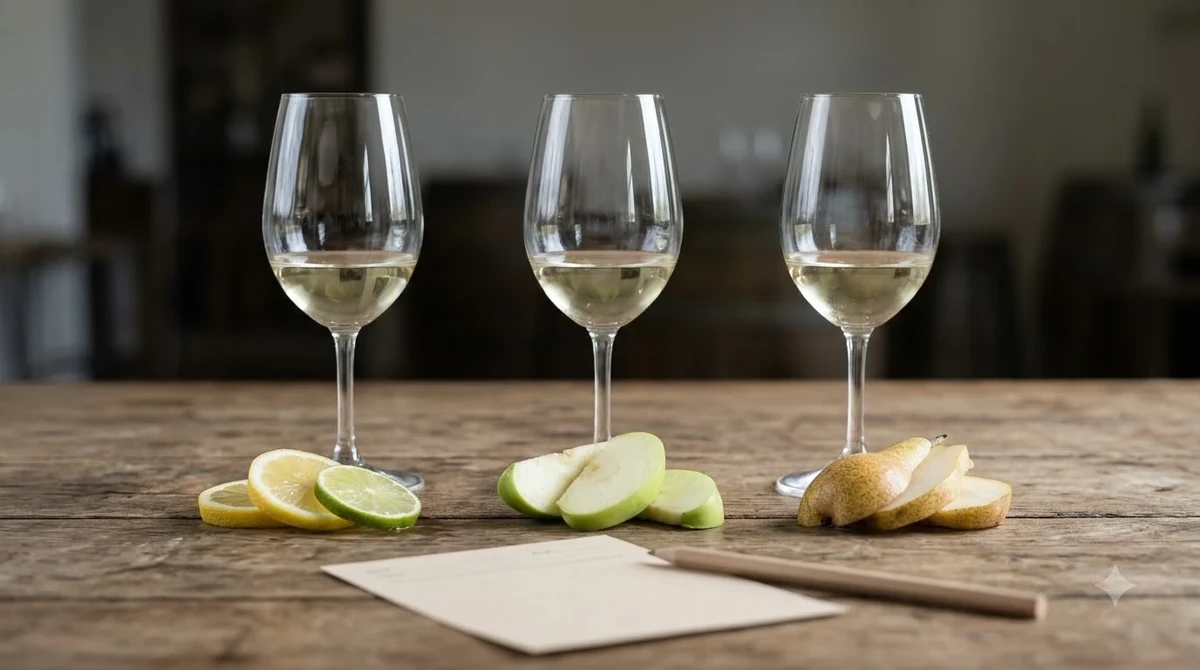
Dryness comes down to a balance between sugar and acidity. Sauvignon blanc has naturally high acidity, which makes the wine feel crisp at the end of each sip. When producers pick grapes earlier in the season, the acids stay sharp and the sugar level is lower, so the finished wine tastes lean and citrusy. When grapes ripen longer on the vine, the sugar rises and the flavors move toward stone fruit and tropical notes, though most producers still ferment these wines to a dry finish.
Winemaking choices also affect how dry a sauvignon blanc tastes. Fermentation in stainless steel keeps the wine fresh and fruit forward. Barrel aging, sometimes with lees contact, adds texture and a creamier feel, which can make a dry wine seem softer and a little rounder without adding sweetness. If you want the sharpest, most austere profile, look for unoaked bottles from a cool region.
Regions and styles to look for
Geography gives a useful clue about the style you will get. Wine Folly describes the Loire Valley in France as the home of mineral-driven sauvignon blanc, often with a slightly smoky edge and notes of citrus and cut grass. Bordeaux produces richer white blends, often with Sémillon, that see barrel aging. Marlborough in New Zealand is known for vivid, aromatic wines with gooseberry, passionfruit, and freshly cut grass. Each region can produce dry wines, but the Loire and Marlborough styles tend to taste the crispest.
| Region | Typical style | What to expect |
|---|---|---|
| Loire Valley, France | Mineral and lean | Citrus, flint, and a clean finish |
| Marlborough, New Zealand | Vibrant and aromatic | Gooseberry, passionfruit, and sharp acidity |
| Bordeaux, France | Richer, sometimes oaked | Creamy texture with citrus and herbal notes |
| Oaked styles from any region | Round and textured | Waxy, oily feel with soft vanilla notes |
How to serve a dry sauvignon blanc
Serving temperature changes how dry a wine tastes. Wine Folly recommends serving sauvignon blanc at 45 to 55 degrees Fahrenheit, or 7 to 12 degrees Celsius. At that range the acidity feels bright and the fruit stays focused. A wine served too warm can taste flabby and sweeter than it is, so a short time in the refrigerator before pouring usually makes a clear difference.
Glassware matters less than temperature, but a medium-sized white wine glass helps concentrate the aromas without trapping too much of the grape character. Pour a modest amount, let the glass sit for a few minutes, and notice how the flavors open up as the wine warms in the glass.
Food pairings that suit a low sugar style
Dry sauvignon blanc is one of the most food-friendly white wines on the market, largely because its acidity cuts through rich or herb-heavy dishes. Wine Folly lists herb sauces over chicken, tofu, or fish as a natural match, along with herb-driven Thai and Vietnamese cooking. Goat cheese, feta, and mozzarella di bufala work well with the wine’s citrus and grassy notes, and green vegetables such as asparagus, peas, and green beans follow the same pattern.
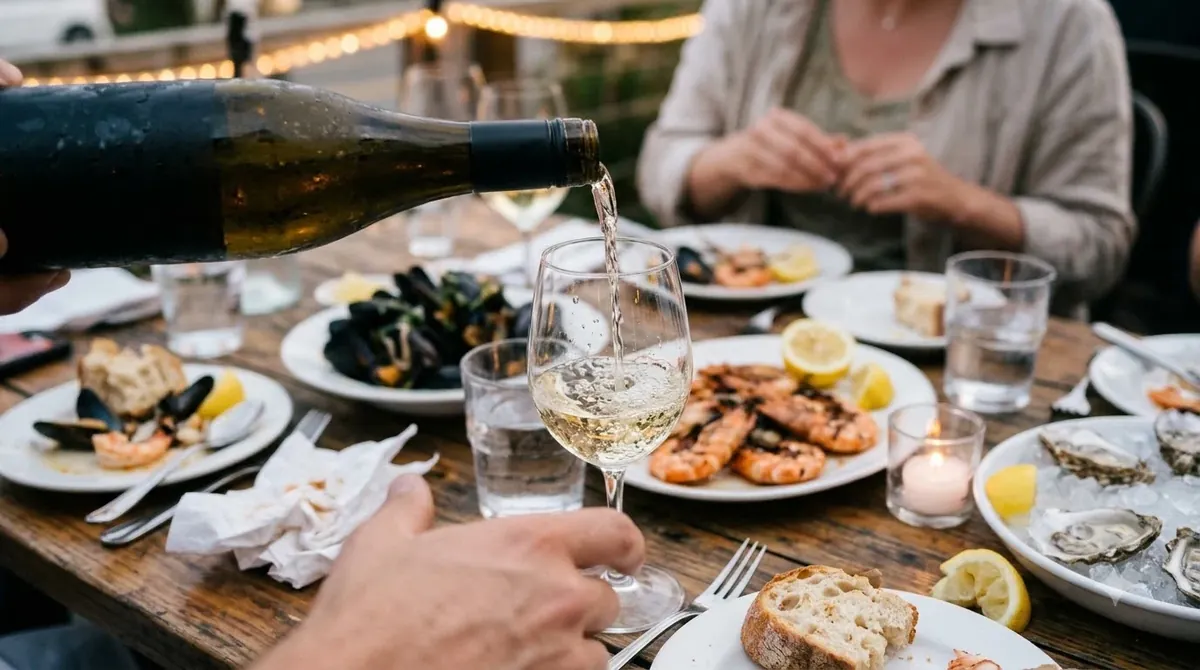
Seafood is another strong option. Oysters, crab, and salmon all pair well with a crisp, dry style. If you cook with fresh mint, dill, basil, or thyme, the wine usually picks up those herbs and keeps the dish feeling light.
How to choose a low sugar bottle
The most reliable way to find a low sugar sauvignon blanc is to read the back label and the producer’s website. Some producers publish a technical sheet with residual sugar, alcohol, and acidity, and those numbers give you a direct comparison. When a sheet is not available, words such as dry on the label, a cool-climate region, and a lean tasting note from a trusted reviewer are good signals.
Taste notes also help. A wine described as crisp, mineral, or citrus-driven is more likely to taste dry than one described as lush, honeyed, or tropical. If you are new to the grape, a bottle from the Loire or Marlborough is a safe place to start, and you can move toward richer, oaked styles once you know which texture you enjoy.
Sweetness is a matter of taste as well as chemistry. VinePair’s article on sweet wine makes the point that many enthusiasts treat sweetness as a flaw, while the writers argue that balance matters more than a dry label. A sauvignon blanc that tastes a little fruity but fresh can be a better match for your palate than one that is technically drier but feels heavy.
Frequently Asked Questions
Is sauvignon blanc a dry wine?
Yes. Wine Folly lists sauvignon blanc as a dry white wine. Some examples, especially from Marlborough, may carry a gram or two of residual sugar, but the high acidity keeps the wine tasting crisp rather than sweet.
How can I tell if a sauvignon blanc is low in sugar?
Start with the label and the producer’s website. Some producers publish residual sugar on a technical sheet. If that information is missing, choose a cool-climate bottle from the Loire Valley or Marlborough and look for words such as dry, crisp, or mineral.
Does oak make sauvignon blanc taste sweeter?
Oak adds creamy texture, vanilla, and a waxy or oily feel, which can make the wine taste rounder. It does not add sugar. An oaked sauvignon blanc can still be fully dry, but it will feel softer than an unoaked version.
What temperature should I serve a dry sauvignon blanc?
Wine Folly recommends 45 to 55 degrees Fahrenheit, or 7 to 12 degrees Celsius. Serving the wine in this range keeps its acidity lively and its fruit focused, so it does not taste heavy or overly sweet.
A low sugar sauvignon blanc is one of the easiest white wines to enjoy with everyday food. Choose a bottle from a cool region, check the label for dry wording, and serve it chilled. If you want to compare other crisp whites, the low sugar pinot grigio guide and the dry gewurztraminer page show how different grapes handle sweetness. For more background on reading wine labels, the Wine Buying Guides section is a good next step.
More in Wine Buying Guides
 Riesling Gift: Choose a Bottle They’ll LoveUpdated Nov 21, 2026
 Sweet Red Wine Gift: Choose a Bottle They’ll LoveUpdated Nov 21, 2026
 Malbec Gift: How to Choose a Memorable Bottle for Any OccasionUpdated Nov 21, 2026
 Sherry Gift Ideas That Match Every Wine LoverUpdated Nov 21, 2026
 Moscato Gift: How to Choose a Sweet Wine They’ll LoveUpdated Nov 21, 2026
 Merlot Gift: How to Choose a Bottle They’ll AppreciateUpdated Nov 21, 2026