


We may earn a commission when you buy through links on this page, at no extra cost to you. Learn more.
Is moscato gluten free? Usually yes, because wine is made from grapes, not gluten grains. Moscato is made from Muscat grapes, and the grapes contain no gluten. The real question is whether anything added during production, such as a fining agent or flavoring, could bring gluten into the bottle. For most moscato, the risk is very low, but people with celiac disease should still check the producer’s information.
Moscato is one of the most popular sweet wines in the United States, and it is often grouped with cocktails and light desserts. Because it is sweet and easy to drink, people with celiac disease or gluten sensitivity often ask whether it is safe. This guide explains where gluten could come from, how to read a moscato label, and what to check before you pour.
Where Gluten Comes From in Wine
Gluten is a protein found in wheat, barley and rye. Grapes do not contain gluten, so a wine made only from grapes and yeast has no gluten source in its base ingredients. That is why wine is generally considered naturally gluten free. The concern is not the grape itself but the steps and additives used during winemaking and bottling.
Wheat-based products are the main concern. Some older or less common fining or processing aids have historically been made from wheat, and some flavored or mixed drinks add ingredients that do contain gluten. For plain wine, these cases are uncommon, but they are the reason many people with celiac disease ask producers directly.

What Moscato Is and Why It Is Sweet
Moscato is the common name for wines made from Muscat grapes, which are among the oldest grape families used in winemaking. The best-known style is Moscato d’Asti, an Italian sparkling wine that is light, fruity and low in alcohol compared with many other wines. Many moscato wines sold in the United States are sweet and sometimes slightly fizzy, and the sweetness is a key part of their appeal.
Sweetness comes from residual sugar that remains after fermentation. Winemakers can stop fermentation early to keep sugar in the wine, which is why moscato often tastes like peach, orange blossom or honey. The sugar does not change the gluten situation, but it does make moscato a common choice for people who want a dessert-style wine.
How to Check a Moscato Label
Most moscato labels do not list gluten, and wine in the United States is not required to carry a gluten statement. That makes the producer’s website and customer service the best source of information. Many large brands publish their ingredient and processing details, and some state directly whether their wine is gluten free.
When you check, look for three things. First, confirm the product is a plain wine rather than a flavored or mixed drink, since mixed products may contain added ingredients. Second, look for a clear statement from the producer about gluten. Third, if the producer does not say, ask whether any wheat-based or barley-based processing aids were used during production.
| Product type | Gluten risk | What to do |
|---|---|---|
| Plain moscato wine | Very low | Check the producer’s website for a statement |
| Sparkling moscato | Very low | Same check, plus the bottle’s producer |
| Flavored or mixed moscato drinks | Possible | Read the full ingredient list |
| Moscato-based cocktails or sangria | Depends on added mixers | Confirm each ingredient |
What “Gluten Free” Means on a Label
Gluten-free labeling is strict in some countries and loose in others. In the United States, the Food and Drug Administration allows a food or beverage with 20 parts per million or less of gluten to carry a gluten-free label. According to the Wikipedia article on gluten-free beer, that threshold applies to beverages as well as foods, and the FDA does not treat beers made from gluten-containing grains as gluten free. Wine is not made from those grains, so it generally falls well below the threshold.
Keep in mind that a label is a promise from the producer, not a lab test you can run at home. If you have celiac disease, your doctor or dietitian can give guidance on what level of gluten you can tolerate and how strictly to read labels.
Serving and Pairing Moscato Safely
Moscato is usually served chilled, around 45 degrees Fahrenheit, in a white wine glass or a flute if it is sparkling. Its sweetness pairs well with fruit desserts, soft cheeses and spicy Asian dishes. The same gluten considerations apply to food pairings, so check any bread, crackers or sauces served with the wine.
If you enjoy moscato in cocktails, read the full recipe. Many moscato cocktails use mixers, syrups or liqueurs that may contain gluten or cross-contact risks, even when the wine itself is safe. For background on how sweet wines fit into a broader list of choices, the Wine by Type guide is a good starting point.
Reading Ingredient Lists on Flavored Moscato
Flavored moscato products are where most gluten questions come from. Some are sold as wine with added fruit flavors, while others are labeled as wine coolers or ready-to-drink mixes. The rules and labeling differ by product category, so the bottle name alone does not tell you what is inside.
When you read an ingredient list, look for wheat, barley, rye, malt, or any word that suggests a grain-based flavor or thickener. Malt extract is a common hidden source in drinks that are not plain wine. If the list is long or unclear, choose a plain moscato from a producer that publishes its ingredients, since those details are easier to verify.
Cross-contact is another point to consider. A producer may bottle several products on the same line, and some sites note shared equipment in their allergen statements. Shared equipment is not the same as an added ingredient, but it can matter for people who react to very small amounts of gluten. A producer who answers that question openly is usually easier to trust.
Other Wines Often Asked About
People who ask about moscato usually ask about other wines too. The same reasoning applies: the grape is gluten free, and the question is about processing and additives. Rosé is a common example, and the rose gluten free article covers how pink wines are made and what to check. Chardonnay and marsala raise similar questions, and the chardonnay gluten free and marsala gluten free guides explain how to read those labels.
What to Remember When Buying
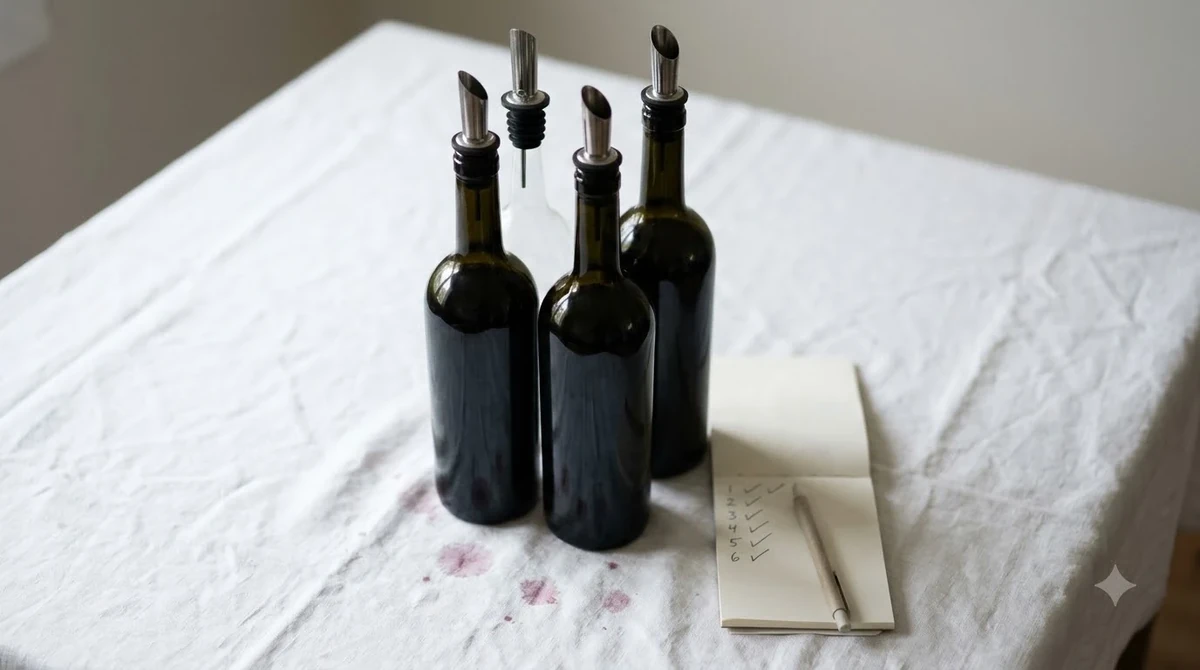
Moscato is a light, sweet wine that is generally gluten free. The main steps are to check the producer’s statement, avoid flavored or mixed drinks unless you have read the ingredients, and ask a direct question if the label is silent. Those three habits cover most situations.
Being careful about gluten is a personal decision. Some people with celiac disease are comfortable with plain wine, while others prefer to buy only from producers who state gluten-free status clearly. Either approach is reasonable as long as it matches your health needs and your doctor’s advice.
Frequently Asked Questions
Is moscato gluten free?
Plain moscato is generally considered gluten free because it is made from grapes. Flavored or mixed moscato drinks may contain gluten, so read the ingredient list for those.
Do I need to check moscato labels for gluten?
Labels rarely mention gluten. The producer’s website or customer service is the best source. If you have celiac disease, ask a direct question about processing aids.
Is sparkling moscato gluten free?
Sparkling moscato follows the same logic as still moscato. It is made from grapes, so the main concern is any processing aid or flavoring the producer used.
Are moscato cocktails gluten free?
Not always. The wine may be gluten free, but mixers, syrups and liqueurs can contain gluten. Check each ingredient in the recipe before drinking.
Moscato is usually a safe choice for people who avoid gluten, as long as the bottle is a plain wine and the producer has no gluten concerns. A quick check of the producer’s information is the simplest way to be sure.
More in Wine Types & Grapes
 Zinfandel Sugar Content: Dry Red vs. White Zinfandel GramsUpdated Nov 21, 2026
 Best Zinfandel Substitute Options for Sipping and CookingUpdated Nov 21, 2026
 Zweigelt Food Pairing: Best Dishes, Cheeses, and Serving TipsUpdated Nov 21, 2026
 Zinfandel Tannins Explained: How Structure Shapes Every BottleUpdated Nov 21, 2026
 Zinfandel Sweetness Level: Dry Red vs. Sweet White Zin ExplainedUpdated Nov 21, 2026
 Xinomavro Food Pairing: Best Dishes, Styles, and Serving TipsUpdated Nov 21, 2026